


Kazakhstan wildlife is spread across a very large country. Wetland birds gather in the far west, argali live in low ridges in the centre and south, and snow leopards live in the mountains above Almaty. Only a few of these places are simple to visit, and for several we could not confirm whether travellers are allowed in at all.
Kazakhstan wildlife at a glance: eight places compared
The table sorts the eight places by how realistic a visit looks, not by how famous the animal is. Distances are straight-line figures from the nearest city given for each place, so real road distances will be longer.
| Place | Main animals | Nearest base | Straight-line distance | Best months | Access |
|---|---|---|---|---|---|
| Buiratau | Argali, steppe birds | Astana | about 131 km | June, August | Entry fee, 4 routes |
| Akzhaiyk | Flamingos, pelicans, swans | Atyrau | about 19 km | May, September | Rules to check |
| Karatau Reserve | Karatau argali, endemic plants | Turkistan | about 61 km | May, September | Unconfirmed |
| Ustyurt Reserve | Desert fauna, cliffs | Aktau | about 284 km | April, October | Strict nature reserve |
| Barsakelmes | Desert wildlife | Kyzylorda | about 445 km | April, May, September | Unconfirmed |
| Irgiz-Turgai | Saiga antelope | Aktobe or Zhezkazgan | about 498 km or 338 km | May, September | Signs say entry forbidden |
| Snow leopard | Snow leopard | Almaty (Ile-Alatau) | not given | Winter, lower slopes | Sighting nearly impossible |
| Caspian seal | Caspian seal | North Caspian coast | not given | Pups late Jan to early Feb | Lives on sea ice |
The practical reading: if you have one free day and you are in Astana, Buiratau is the only place on this list with confirmed visitor routes. Everything else needs more planning, and for several places you must confirm permission before you travel."
The easiest wildlife trip is Buiratau, east of Astana
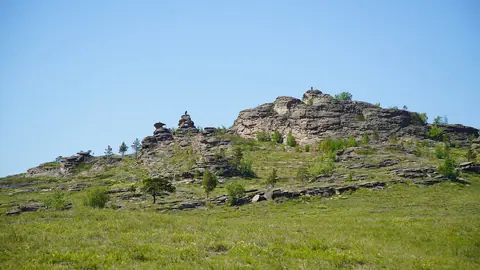
Buiratau National Park lies about 131 km in a straight line from Astana and works as a day trip. It was created in 2011 and covers 88,968 ha of low ridges, salt lakes and relict alder and birch woods.
The animal to look for is an isolated herd of wild argali, the large mountain sheep, numbering about 200. A small entry fee is charged and the park has four routes. Summer is the season: June and August score highest, with May and September still workable.
Birds on the Caspian: Akzhaiyk near Atyrau
Akzhaiyk protects the mouth of the Ural River and the Caspian shore next to it, only about 19 km in a straight line from Atyrau in far western Kazakhstan. It was listed as a wetland of international importance in 2009.
The delta sits on a migration route between Siberia and East Africa, and thousands of flamingos, pelicans and swans stop here on passage. That makes timing everything: May and September are the peak months, while winter is off. Visiting rules are not confirmed, so check them before you travel to Atyrau for the birds. Closer to Almaty, the Sorbulak lakes north-west of the city are a Key Biodiversity Area with thousands of breeding pairs of cormorants, gulls and terns, though swimming and fishing there are banned.
Argali and snow leopard in the southern mountains
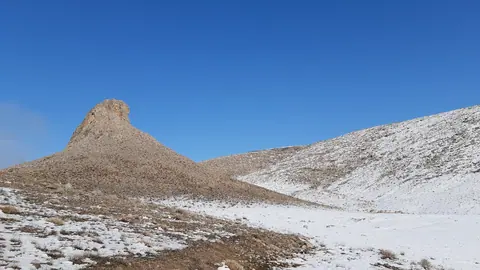
The Karatau Reserve protects 34,300 ha of the central Karatau ridge, a low arm of the Tian Shan that rises to 2,176 m. It is about 61 km in a straight line from Turkistan, so it pairs naturally with a trip there. It holds the Karatau argali and a high number of endemic plants, but we could not confirm visitor access.
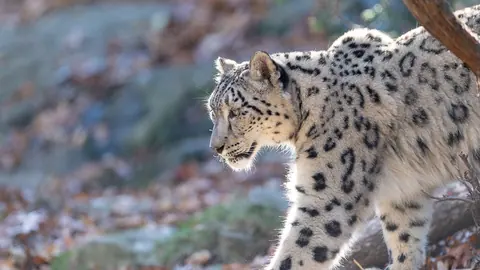
The snow leopard is a different case. Camera traps in the Ile-Alatau above Almaty recorded the cat 65 times between late 2020 and November 2021, yet seeing one yourself is close to impossible. It moves to lower slopes in winter, and the winter months rate slightly better, but treat any trip as a mountain trip with a very small chance of a sighting.
Desert reserves: Ustyurt and Barsakelmes
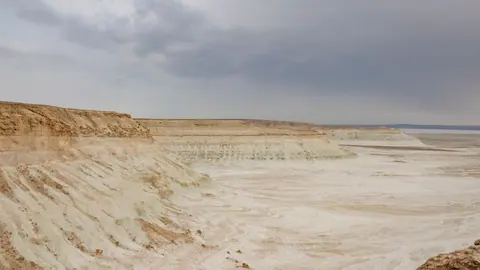
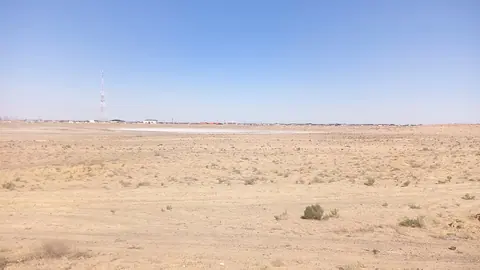
The Ustyurt Reserve covers 2,230 km² of desert plateau in far south-western Kazakhstan, near the borders with Uzbekistan and Turkmenistan, and was set up in 1984. It is about 284 km in a straight line from Aktau, with cliffs over 200 m high and the Kenderlisor depression. Summer days reach almost 38 °C, so April and October are the months to aim for.
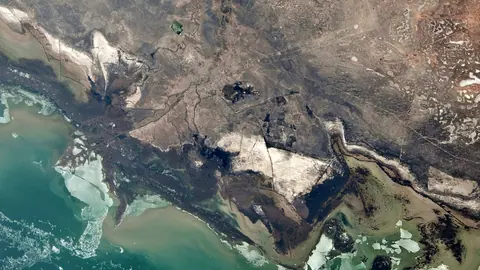
Barsakelmes was the largest island in the Aral Sea. As the water retreated it joined the mainland, and it is now a salt-and-sand tract in Kyzylorda Region holding a nature reserve, about 445 km in a straight line from Kyzylorda. Its high point is 108 to 113 m, depending on the figure. April, May and September rate best, but access rules are unconfirmed.
Saiga and Caspian seals: animals you mostly cannot visit
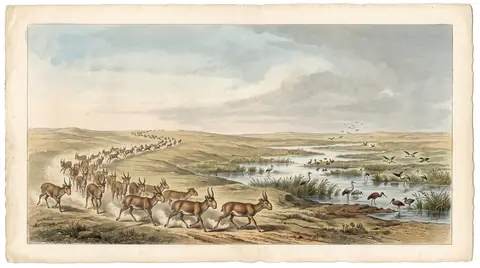
Two of Kazakhstan’s best-known animals sit behind real barriers. The Irgiz-Turgai Reserve was created in 2007 to bring back the saiga antelope and includes about 711,549 ha of reserve-fund land in the Aktobe steppe. Its boundary signs say entry is forbidden. Even the distance is hard to pin down: one figure puts it about 498 km in a straight line from Aktobe, another about 338 km from Zhezkazgan.
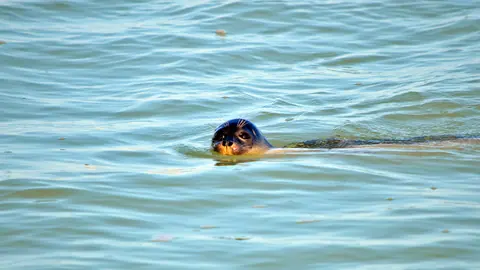
The Caspian seal lives in the Caspian and nowhere else. It winters and gives birth on the ice of the shallow northern sea, with pups born from late January to early February, then moves south in summer. Its numbers have fallen by more than 90% in about a century, and it is listed as Endangered. This is an animal to read about rather than plan a trip around.
When to go: May and September cover most of the list
Spring and early autumn are the main windows for Kazakhstan wildlife. Four of the eight places peak in May or September, the desert reserves add April and October, and Buiratau is the summer exception.
| Month | Places at their best |
|---|---|
| January to February | Snow leopard (winter, lower slopes); seal pups on the ice |
| April | Ustyurt, Barsakelmes |
| May | Akzhaiyk, Irgiz-Turgai, Karatau, Barsakelmes |
| June and August | Buiratau |
| September | Akzhaiyk, Irgiz-Turgai, Karatau, Barsakelmes |
| October | Ustyurt |
If you can pick only one month, choose May or September. If your trip falls in midsummer, go for Buiratau and avoid the western deserts, where heat is the main risk.
What stands in the way without a car or Russian
Distance and permission are the two obstacles, more than the animals themselves. Most of these places are hundreds of kilometres from the nearest city, and we could not confirm any public transport to any of them.
Access rules are the bigger issue. Only Buiratau has a confirmed entry fee and marked routes. Akzhaiyk and Karatau have rules we could not verify, Ustyurt is a strict nature reserve, and Irgiz-Turgai is signposted as closed. Plan on arranging transport and checking permission locally before committing to any of the remote sites. For trained birds and the festival in East Kazakhstan, see where to see Kazakh eagle hunters.
For reference rather than trip planning, see Kazakhstan’s animals, the Red Book list and the latest saiga count.
- Whether travellers may enter the Akzhaiyk, Karatau and Barsakelmes reserves, and what permits are needed
- Any public transport to these places; we could not confirm buses or road times
- Road distances and road conditions; only straight-line distances are known
- Visiting rules for the Ustyurt strict nature reserve
- Whether guided visits of any kind are allowed at Irgiz-Turgai