


The places in Kazakhstan without the crowds on this list are scattered across the whole country. They range from ancient petroglyphs near Almaty to a cave mosque in the western desert and a planted pine forest in the northern steppe. Most need a car, a full day or more, and a season that suits their region. Spring and autumn suit the desert west and south. Summer suits the north and east.
What quiet means here: remote, low-key, often without facilities
These sites are quieter mainly because they are far from cities or have little visitor infrastructure. Several are a long way from anywhere. Ustyurt is about 284 km in a straight line from Aktau, and Berel is 278 km from Oskemen. Others are simply undeveloped: Kobeituz has nothing on its shore but steppe, and we could not confirm what visitors will find at Botai.
We could not confirm actual visitor numbers for any of them. Treat quiet as a likely result of distance and lack of facilities, not a guarantee. If you get it wrong, the cost is usually practical. You may arrive in the wrong season, on a road you cannot drive, or at a site with no water, shade or toilets.
The shortlist compared
The table puts the main options side by side. Most distances are straight-line figures from the nearest city, so road distances will be longer. Tamgaly and Sherkala are the exceptions: their figures come with a stated drive or a range. Use the best-months column first, because heat in the west and cold in the north rule out large parts of the year.
| Place | Nearest base | Distance | Best months | What you get |
|---|---|---|---|---|
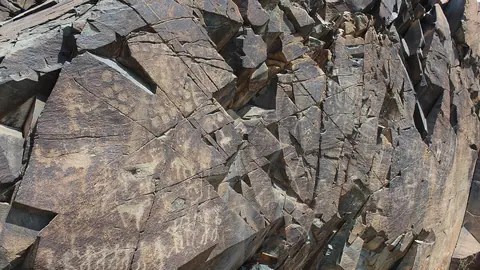
| Tamgaly petroglyphs | Almaty | 170–180 km, 3–4 h drive | April–October | About 5,000 rock carvings, UNESCO site since 2004 |
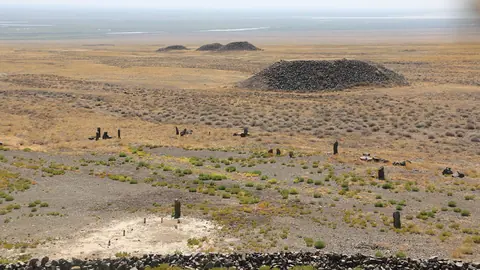
| Besshatyr kurgans | Almaty | ~131 km straight line | May, September | 31 Saka mounds, largest 17 m high |
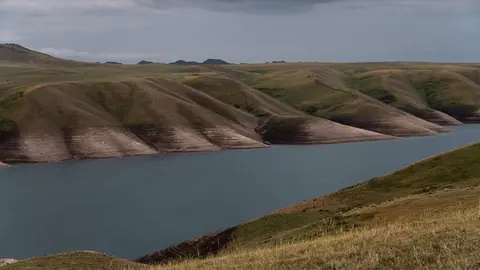
| Bartogay Reservoir | Almaty | 131 km straight line | May, June, September | 6 km mountain reservoir, 60 m dam |
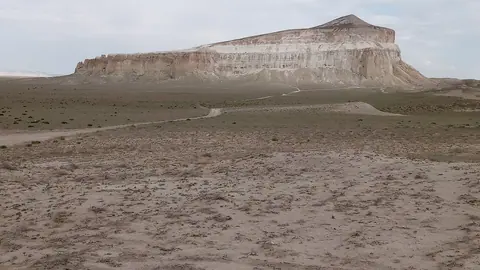
| Sherkala | Aktau | 175–180 km | May, September | Lone limestone mountain, 332 m |
| Shopan-Ata | Aktau | ~179 km straight line | April, October | Rock-cut mosque and old necropolis |
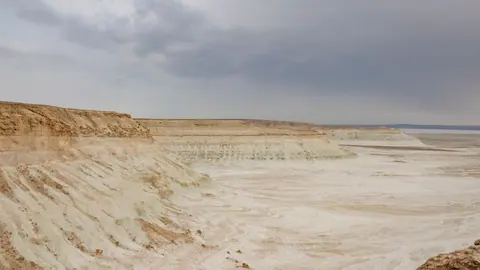
| Ustyurt Reserve | Aktau | ~284 km straight line | April, October | Plateau cliffs over 200 m high |
| Kobeituz | Astana | 158 km straight line | June–August | Shallow salt lake that can turn pink |
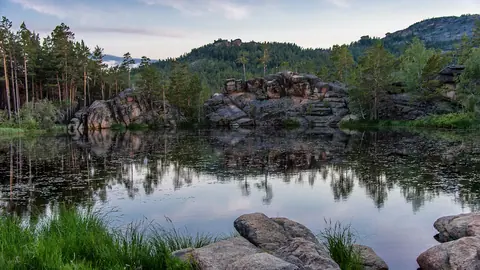
| Shaitankol | Karkaraly | about 5 km | June–August | Small lake in granite and pine |
| Alasha Khan Mausoleum | Zhezkazgan | 66 km straight line | May, September | Domed brick tomb, 10 m high |
| Berel kurgans | Oskemen | 278 km straight line | June–August | 100+ mounds with permafrost burials |
| Kiin-Kerish | Oskemen | 243 km straight line | May, September | Red and white clay towers |
| Ukash Ata | Turkistan | ~35 km | April–May, September–October | Shrine with a 22–25 m well |
From Almaty: three day trips in the dry foothills
Almaty gives you the easiest quiet options, because three sites lie within a long day’s reach. Tamgaly is the only place on this list with a stated drive time: 3–4 hours each way to a gorge in the Chu-Ili mountains. The carvings date from the Bronze Age to the Middle Ages, and tickets are sold by the museum-reserve.
Besshatyr lies inside Altyn-Emel National Park, so park rules apply. Its 31 mounds date from the 6th to 4th centuries BC, and the largest is about 105 m across. Bartogay is a working irrigation reservoir on the Chilik, not a park. Water is released to the fields in summer, and you will need a car or a driver. In winter, Tabagan is a small ski hill about 17 km in a straight line from Almaty, with six runs and a 400 m drop.
Mangystau and the west: go in spring or autumn, never midsummer
The western desert is the region where season matters most, because summer at Sherkala goes above +40 °C. Sherkala is a lone limestone mountain 18 km from the village of Shetpe. From one side it looks like a yurt and from the other like a lion lying down. Torysh is 50–60 km away.
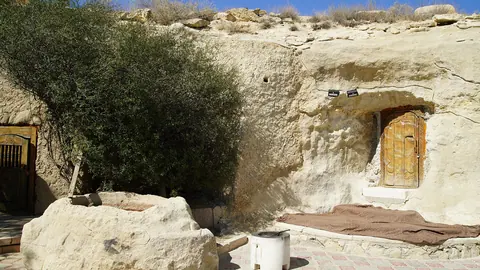
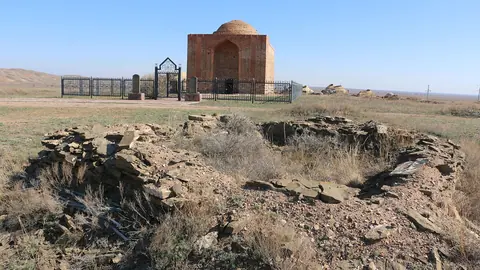
Shopan-Ata is a cave mosque cut into a ravine wall, with graves from the 10th to the 19th century. It is a sacred site, so dress and behave as you would at any shrine. Ustyurt is a strict nature reserve near the Uzbek and Turkmen borders. Its rules need checking in advance, and it suits a well-prepared trip in April or October. Further north, Lake Inder is about 140 km in a straight line from Atyrau, and borate mines are still active nearby, so check access before you go.
The north and centre: summer lakes and steppe history
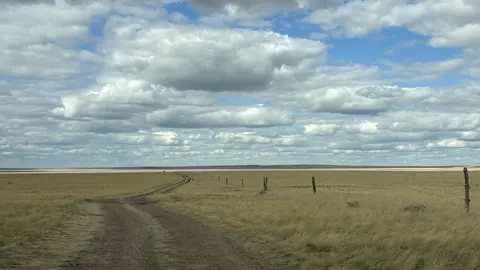
North and central Kazakhstan are summer destinations, roughly June to August. Outside that window ratings drop, though May and September still rate as good at several sites, and winter is off. Kobeituz is about 6.9 km² of water roughly 20 cm deep. Its pink colour comes from an alga and depends on the weather, so a grey day may disappoint.
Shaitankol is a pool of about 60 by 40 m near Karkaraly, known for a legend of a cross thrown into the water. Lake Toraigyr has two rocky islets and fits best into a wider Bayanaul trip. For history, Botai is linked to some of the earliest horse-keeping, around 3700–3100 BC, but it is a dig site, not a prepared attraction. The Alasha Khan Mausoleum stands on the steppe of the Ulytau region. Scholars disagree on whether it dates from the 10th or the 16th century.
The far east: long trips to Berel and Kiin-Kerish
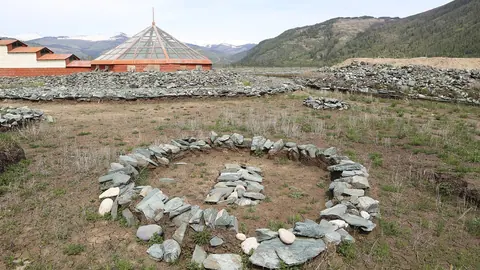
The two eastern sites each take a weekend or more from Oskemen. Berel is a field of more than 100 stone mounds at about 1,120 m. Permafrost there preserved wood, felt, leather and horse remains for over two thousand years, and the site has been a state museum-reserve since 2008. Visit from June to August.
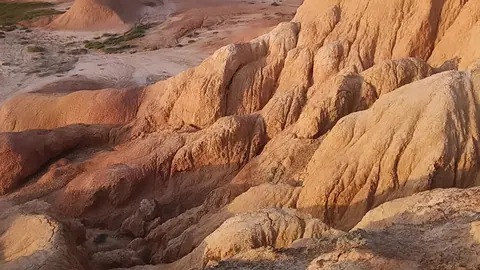
Kiin-Kerish covers about 300 ha of coloured clay in the Zaysan basin. It has no water, and after rain the white clay turns the roads to glue. The figures for its best season do not match. Its summary names June and September, while the season ratings favour May and September. Either way, a dry spell matters more than the calendar.
The south: pilgrim sites near Turkistan and Taraz
Two places in the south suit spring and autumn, and both are active places of devotion. Ukash Ata is about 35 km from Turkistan. It has a long tomb and a well 22–25 m deep, where, by legend, only a person without sin pulls the bucket up full. The Karakhan Mausoleum stands on the edge of Taraz and is linked to a Karakhanid ruler. Most of the building you see dates from 1906 and was rebuilt partly with the original bricks.
Which region suits which month
Pick the region by month, then the place. This table follows the season ratings for each site.
| Months | Strongest choices | Why |
|---|---|---|
| January–February | Tabagan | Ski season; most other sites are off |
| April | Shopan-Ata, Ustyurt, Ukash Ata, Karakhan | Peak months for the desert and south |
| May | Besshatyr, Bartogay, Sherkala, Inder, Kiin-Kerish, Alasha Khan | Before the summer heat |
| June–August | Kobeituz, Shaitankol, Toraigyr, Botai, Berel, Amankaragay | The north and east open up |
| September | Besshatyr, Bartogay, Sherkala, Inder, Kiin-Kerish, Alasha Khan | Second window in the south and west |
| October | Shopan-Ata, Ustyurt, Ukash Ata, Karakhan | Last good month in the desert |
In practice, one trip rarely combines the west and the north. The months that suit one region are poor for the other.
What makes these trips hard without a car or Russian
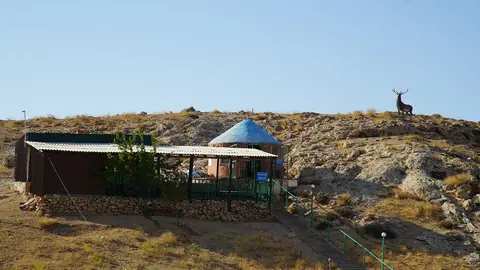
The main obstacle is transport. We could not confirm public transport to any of these sites. The Bartogay page says plainly that you need a car or a driver, and the others are far from towns or on unpaved ground. Facilities are thin or absent. Kobeituz has none, and at Botai the visitor side is unconfirmed. Ustyurt, Besshatyr and Inder each come with access rules or restrictions that are worth checking before you set off. Arranging these in advance with no Russian is the step most likely to need local help.
- Public transport to any of these sites; we could not confirm bus or train links
- Entry rules and permits for the Ustyurt Reserve and Altyn-Emel National Park
- What visitors can actually see or reach at Botai
- Whether the mining district around Lake Inder restricts access
- Current road conditions to Kiin-Kerish, Berel and Ustyurt