
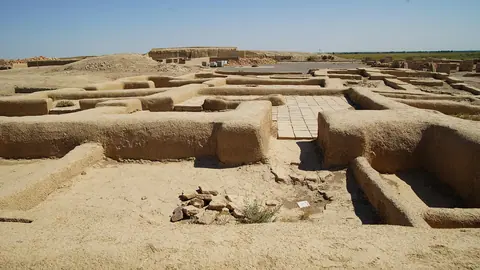
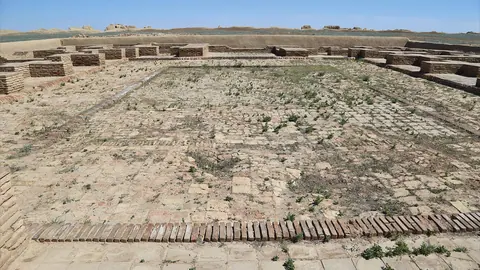
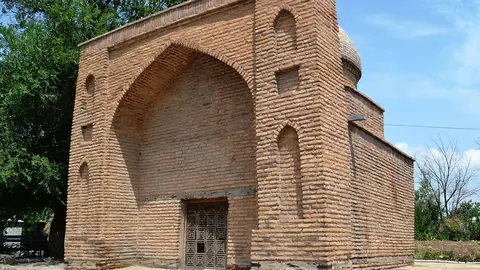
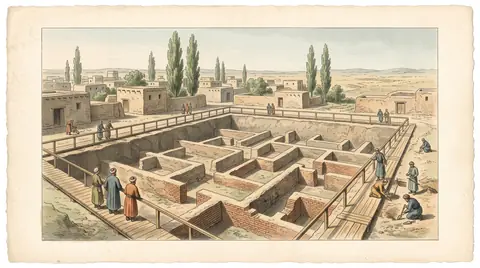
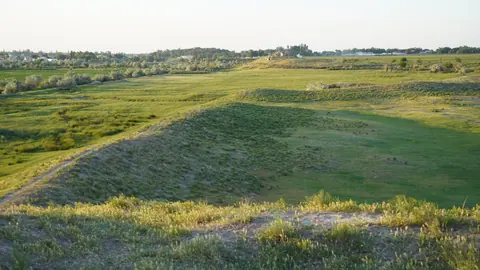
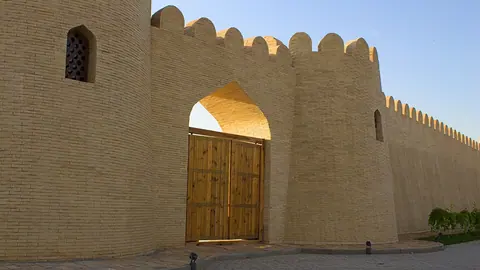


The ancient cities of Kazakhstan are mostly in the south, along the Syr Darya and in Zhetysu, and they survive as earthworks, not as old towns to stroll through. If you come from Uzbekistan with Samarkand in your head, reset your expectations. Sauran has the clearest plan, Talgar is the easiest from a big city, and ancient Taraz lies right under the modern centre.
What you actually see at each site
Very little here stands above head height, so choose by how much imagination you are willing to bring. The table goes from the most readable to the most specialist.
| Site | Period | What is on the ground | Base |
|---|---|---|---|
| Sauran | peak 14th–17th c. | oval of walls, towers, underground water channels | Turkistan, 43–46 km |
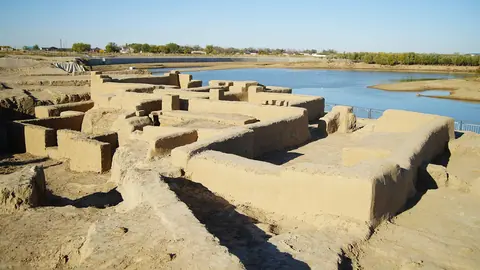
| Otrar | abandoned early 19th c. | mound up to 18 m, excavated quarters, baths | Turkistan, about 50 km straight line |
| Saraishyk | 13th–16th c. | digs by the river, Pantheon of Khans, visitor centre | Atyrau, 47 km straight line |
| Shymkent Citadel | layers from 3rd–2nd c. BC | real mound inside a rebuilt fortress | in the city |
| Ancient Taraz | peak 11th–12th c., burned 1220 | excavation on the old market | central Taraz |
| Sairam | on the site of Isfijab | mausoleums, mud-brick streets | Shymkent, 15 km straight line |
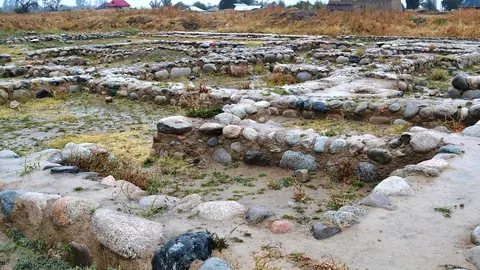
| Talgar | 8th–13th c. | stone foundations | Almaty, 27 km straight line |
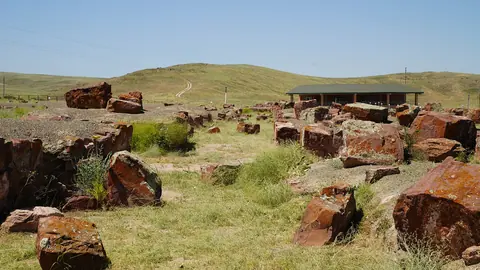
| Akyrtas | 8th–9th c. | red sandstone walls 1–1.5 m high | Taraz, about 36 km straight line |
| Kostobe | 6th–12th c. | low ramparts, finds moved to Taraz museum | Taraz, about 15 km |
The order is our judgement, based on what each guide describes. Straight-line figures understate the drive.
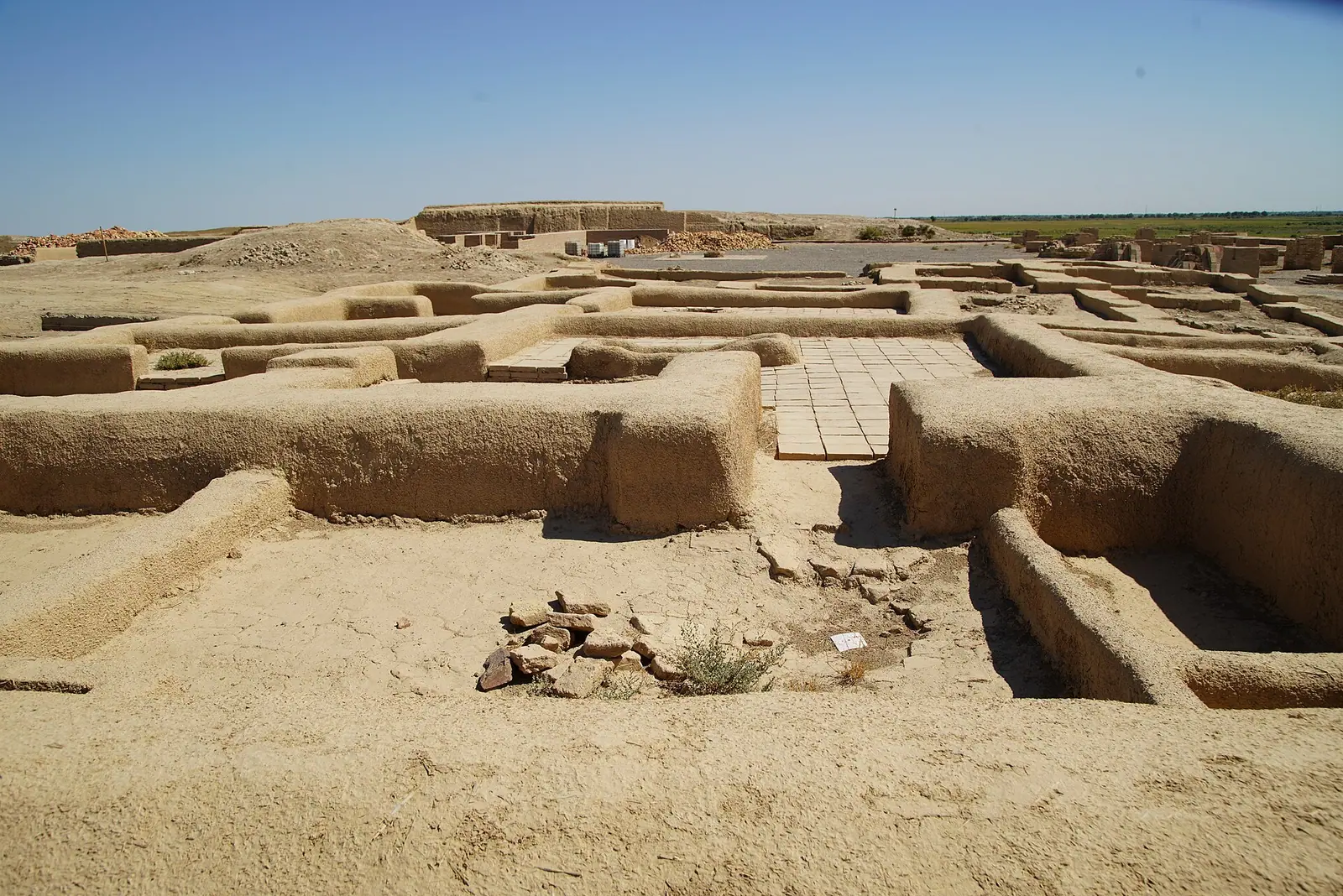
If you have one trip: Turkistan and its ruins
Base yourself in Turkistan and you get the strongest combination in the country. The Yasawi mausoleum gives you the standing architecture that the ruins lack, and Otrar and Sauran supply the scale of the medieval towns around it.
You will almost certainly need a car and driver, as we could not confirm public transport to either ruin. There is no shade, and July averages above 34 °C by day, so aim for spring or early autumn.
Near Almaty and Taraz: half-day options
Talgar is the realistic pick if you are based in Almaty and short of time. It was recorded as Talkhiz in a text of 982 and emptied out in the second half of the 13th century. Go with the guide open on your phone, because unmarked foundations say little by themselves.
From Taraz, three sites make a full day: the dig in the city, Kostobe and Akyrtas. The last two belong to the UNESCO Silk Roads property described in the Silk Road in Kazakhstan. Check Akyrtas on the place page first, since one widely copied coordinate puts it tens of kilometres off.
Not a city, but related
This guide covers places where a town stood. For shrines, see the Yasawi mausoleum and other Silk Road shrines. For rock art, see the petroglyphs of Kazakhstan. Finds from these digs are displayed in the museums of Kazakhstan. Further back still, Botai in the north is a settlement of 3700–3100 BC with more than 150 dwellings, though we could not confirm what is visible there today.
- Entry fees and hours at most sites, and the visiting procedure at Kostobe, Akyrtas and Talgar.
- Public transport to Sauran and Otrar, and road times.