Gulag in Kazakhstan in photos
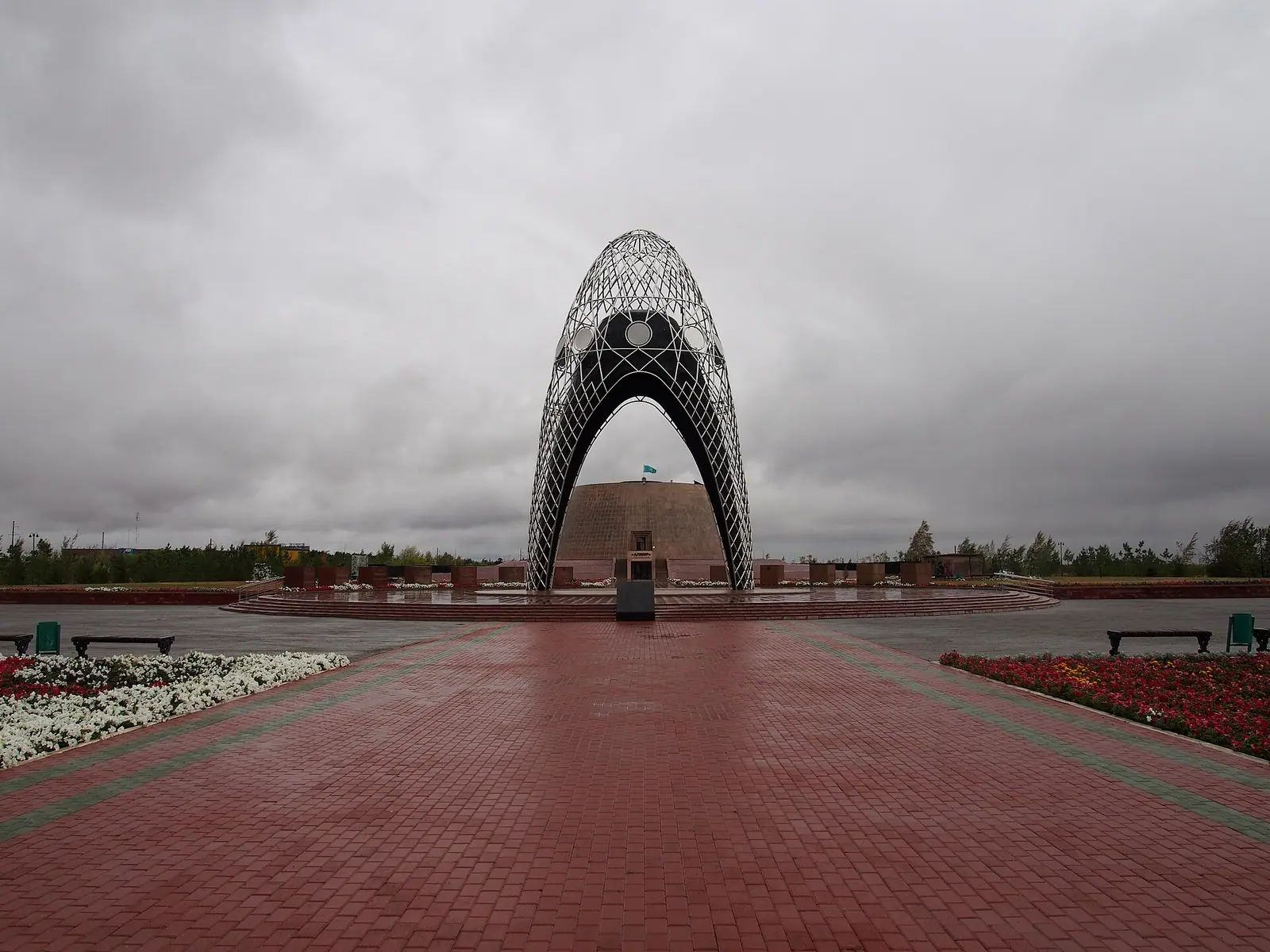
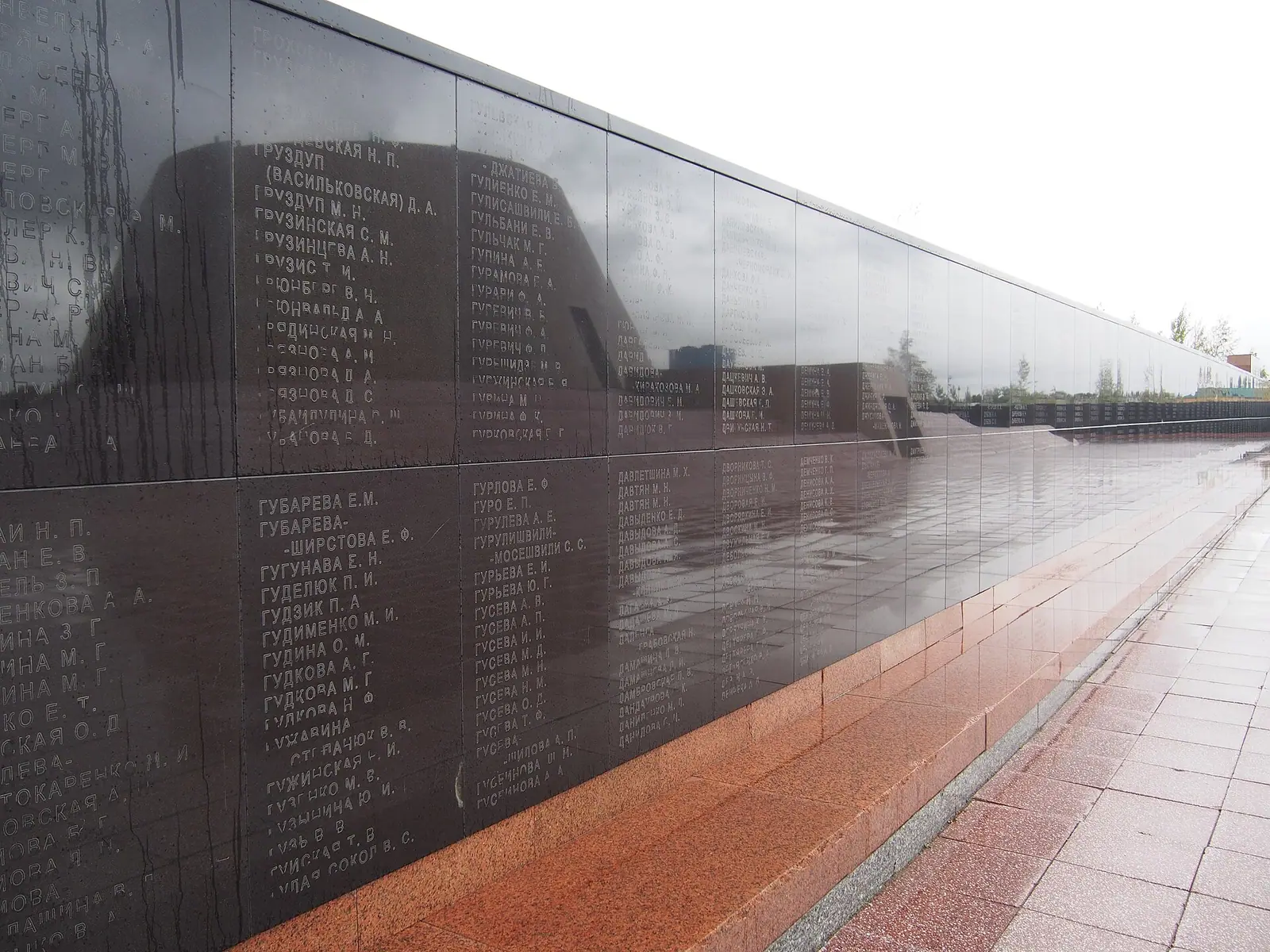
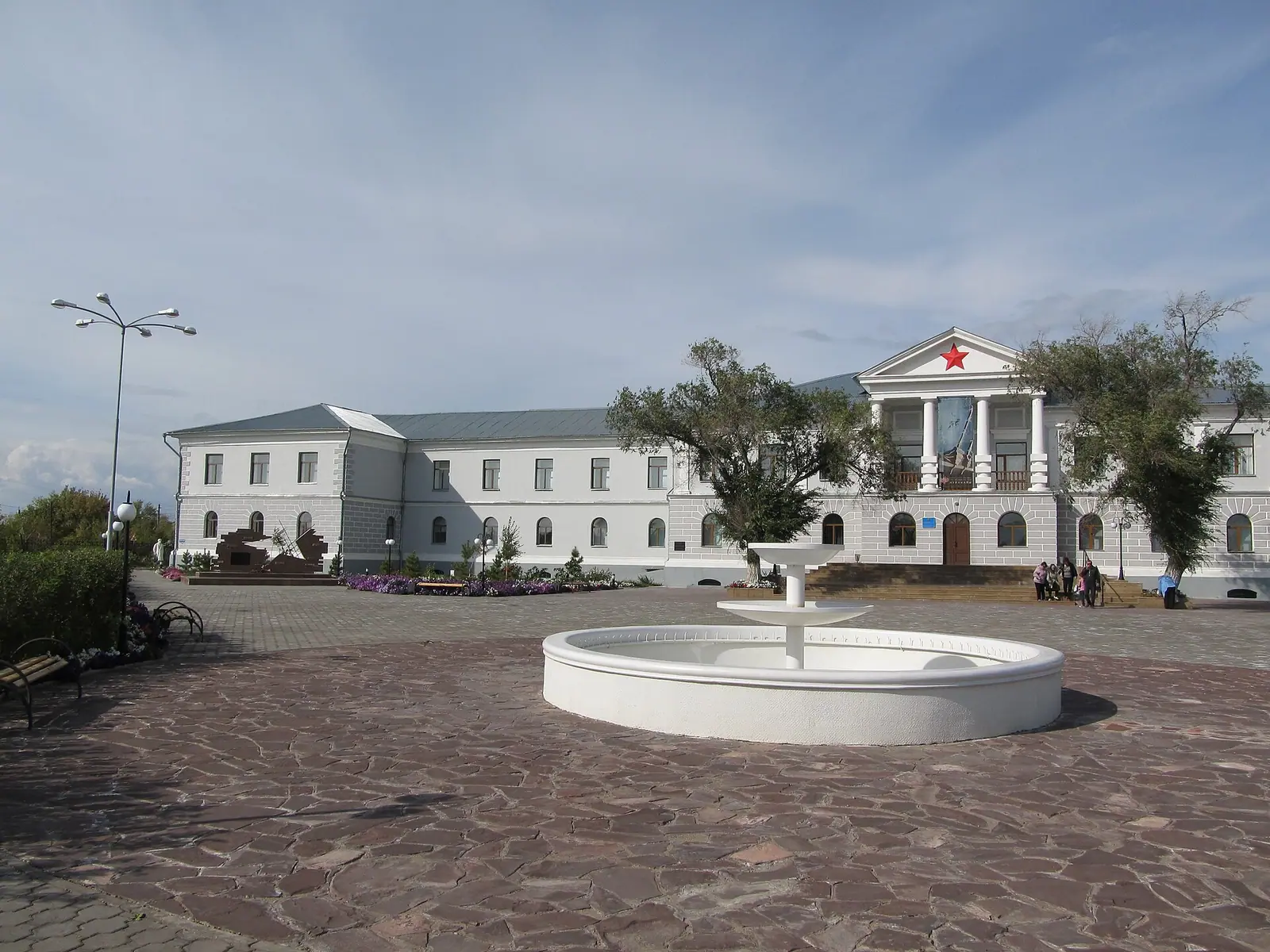
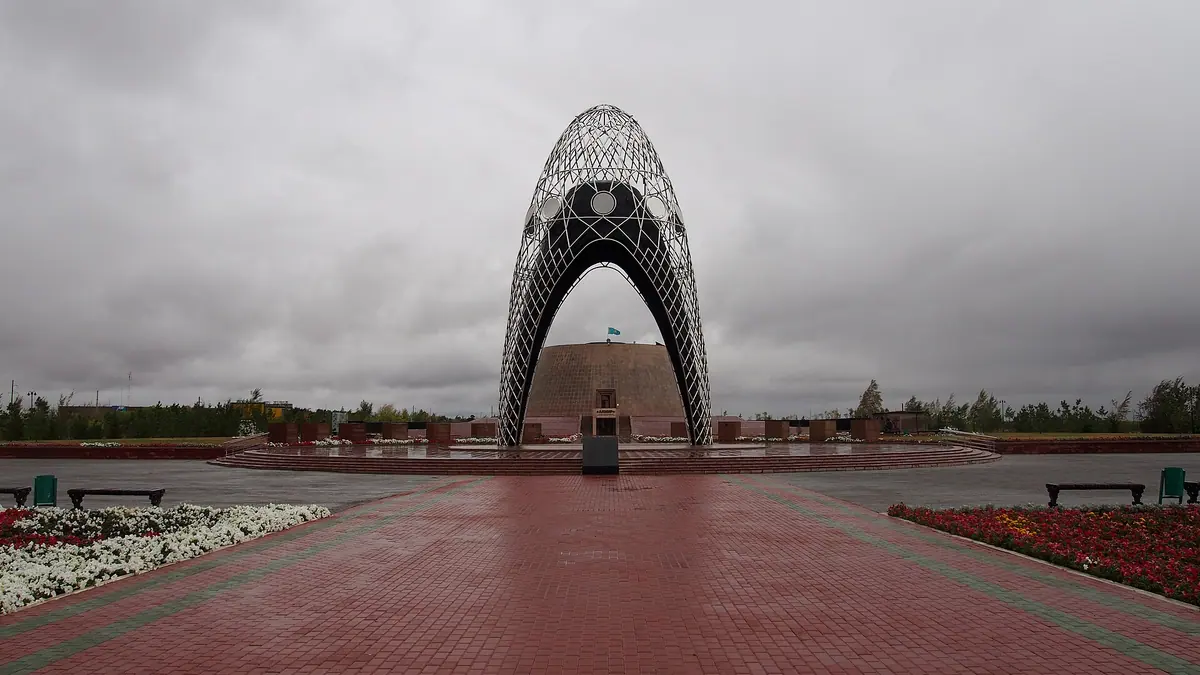
Real photos by travellers (Pexels, Unsplash, Wikimedia Commons); author and licence are given in each caption.
The Gulag in Kazakhstan, as counted here, means 20 camps and camp divisions between 1930 and 1959. The count peaks at 9 in 1953. Six of the twenty stood in today’s Karaganda region, and the largest dated headcount in our table belongs to Peschanlag: 39,612 people on 1 January 1952.
Wikipedia articles, 6 Nov 2026, charyn.kz count
How to read it: a camp counts as active for the whole of its opening and closing years, so a camp and its successor can share a year. In 1953 that applies to Construction 790 and the Yermakov division. ALZHIR is counted separately even though it was a division of Karlag.
Gulag in Kazakhstan: the full table of 20 camps
Years and headcounts come from the Russian Wikipedia article on each camp. Many of those articles cite the 1998 reference book on the Soviet labour camp system compiled by Smirnov. A dash means the article gives no usable number.
| Camp | Region | Years | Recorded figure | Date |
|---|---|---|---|---|
| Kazakhstan ITL of OGPU | Karaganda | 1930–1931 | 15,500 | 15.04.1931 |
| Karaganda ITL (Karlag) | Karaganda | 1931–1959 | 25,000 | 1934 |
| Prorva ITL | Atyrau and Astrakhan | 1932–1940 | 10,345 | 01.01.1936 |
| ALZHIR (17th division of Karlag) | Akmola | 1938–1953 | — | — |
| Aktobe ITL | Aktobe | 1940–1946 | 14,842 | 01.01.1943 |
| Dzhezkazgan ITL | Ulytau | 1940–1943 | — | — |
| Kimpersai ITL | Aktobe | 1941–1942 | — | — |
| Guryev ITL | Atyrau | 1943 | — | — |
| Saran ITL | Karaganda | 1945 | — | — |
| Karagandazhilstroy ITL | Karaganda | 1946–1948 | 3,165 | 01.01.1948 |
| Maikain camp division | Pavlodar | 1947–1953 | 517 | 01.03.1952 |
| Stepnyak camp division | Akmola | 1947–1953 | 1,351 | 20.03.1952 |
| Steplag | Ulytau | 1948–1956 | — | — |
| Peschanlag | Karaganda | 1949–1955 | 39,612 | 01.01.1952 |
| Luglag | Karaganda | 1949–1951 | 12,717 | 01.09.1951 |
| Construction 790 and ITL | East Kazakhstan | 1951–1953 | 2,715 | — |
| Dalny camp (Ekibastuz) | Pavlodar | 1952–1954 | 3,071 | 01.07.1952 |
| Yermakov camp division | East Kazakhstan | 1953 | — | — |
| Panino camp division | Pavlodar | 1954–1955 | 3,674 | 01.01.1955 |
| Pavlodar ITL | Pavlodar | 1955–1956 | 4,948 | 01.10.1955 |
How to read it: “recorded figure” is the largest dated prisoner count we took from the article and may not be the true peak. For Karlag it is 25,000 in 1934. The same article quotes a chief agronomist’s account of 40,000 people in farm work in 1939–1941, which we left out because it is not a camp count. Seven units lasted no more than one calendar year, and the Guryev camp was never really set up. Karlag ran longest, 28 years.
Where the camps were, by region today
The distribution is uneven: Karaganda and Pavlodar regions hold 10 of the 20 units. Region names are current ones, so Zhezkazgan and Kengir appear under Ulytau.
| Region | Units |
|---|---|
| Karaganda | 6 |
| Pavlodar | 4 |
| Akmola | 2 |
| Aktobe | 2 |
| Ulytau | 2 |
| East Kazakhstan | 2 |
| Atyrau and Astrakhan | 1 |
| Atyrau | 1 |
Wikipedia articles, 6 Nov 2026, charyn.kz count
These are the eight largest recorded figures. Their dates differ, so you cannot add the bars together. Prisoners could move between camps, and Luglag became a division of Peschanlag in 1951.
Places you can visit today
For a trip, what matters is where a museum or memorial exists. Three of these have their own guide pages.
| Place | What is there | Nearest city | Guide page |
|---|---|---|---|
| Dolinka | Karlag museum, founded 2001 | about 34 km in a straight line from Karaganda | Karlag |
| Akmol | ALZHIR memorial, opened 31 May 2007 | about 38 km in a straight line from Astana | ALZHIR |
| Spassk | cemetery of camp No. 99 with national memorials | on the M-36 highway | Spassk |
| Zhanalyk | burial site named in the national list of sacred sites | Talgar district | none yet |
Check opening hours before you go, since each guide page says what we could and could not confirm.
The whole table is a CSV file under CC BY 4.0, with the article link on every row.
Method and limits
We took the entries located in the Kazakh SSR from the Russian Wikipedia list of Gulag camps, captured on 6 November 2026. We added Prorva, which had camp points on the Caspian, and ALZHIR as a separate division, then copied dates and headcounts from each camp’s article. A script does the yearly count. This is Wikipedia-level evidence and not archive work.
Search interest is a separate measure. It describes queries, not visits to memorials. According to Ubersuggest on 6 November 2026, gulag kazakhstan gets 90 searches a month worldwide.
Frequently asked questions
How many Gulag camps were in Kazakhstan?
What was the largest Gulag camp in Kazakhstan?
Can you visit a Gulag museum in Kazakhstan?
Which camp ran the longest?
Sources
Read also
 Almaty in winter by numbers: smog, snow and cold days
 Direct flights to Kazakhstan: where they come from and how long they take
 Earthquakes in Almaty: 50 years of seismic data around the city
 Hotel occupancy in Kazakhstan by region and resort area, 2025–2026
 How foreign visitors spend money in Kazakhstan: survey data by country
 Kazakhstan vs Uzbekistan vs Kyrgyzstan: a data comparison for travellers