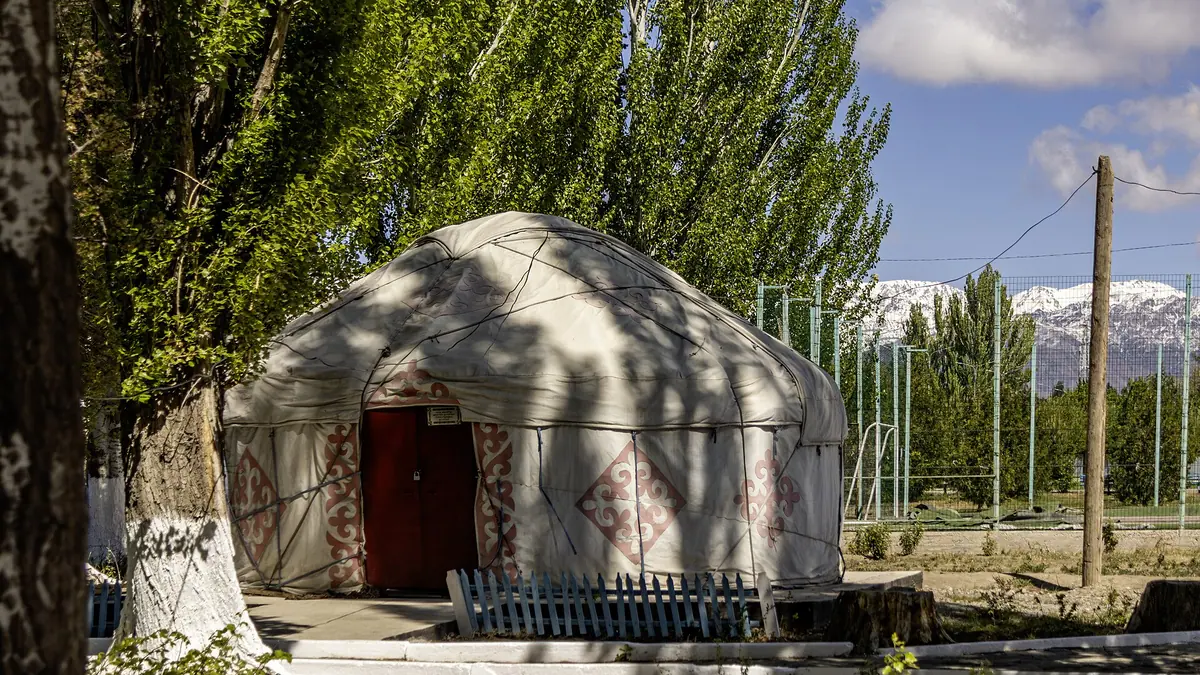
Kazakhstan yurt stays in photos
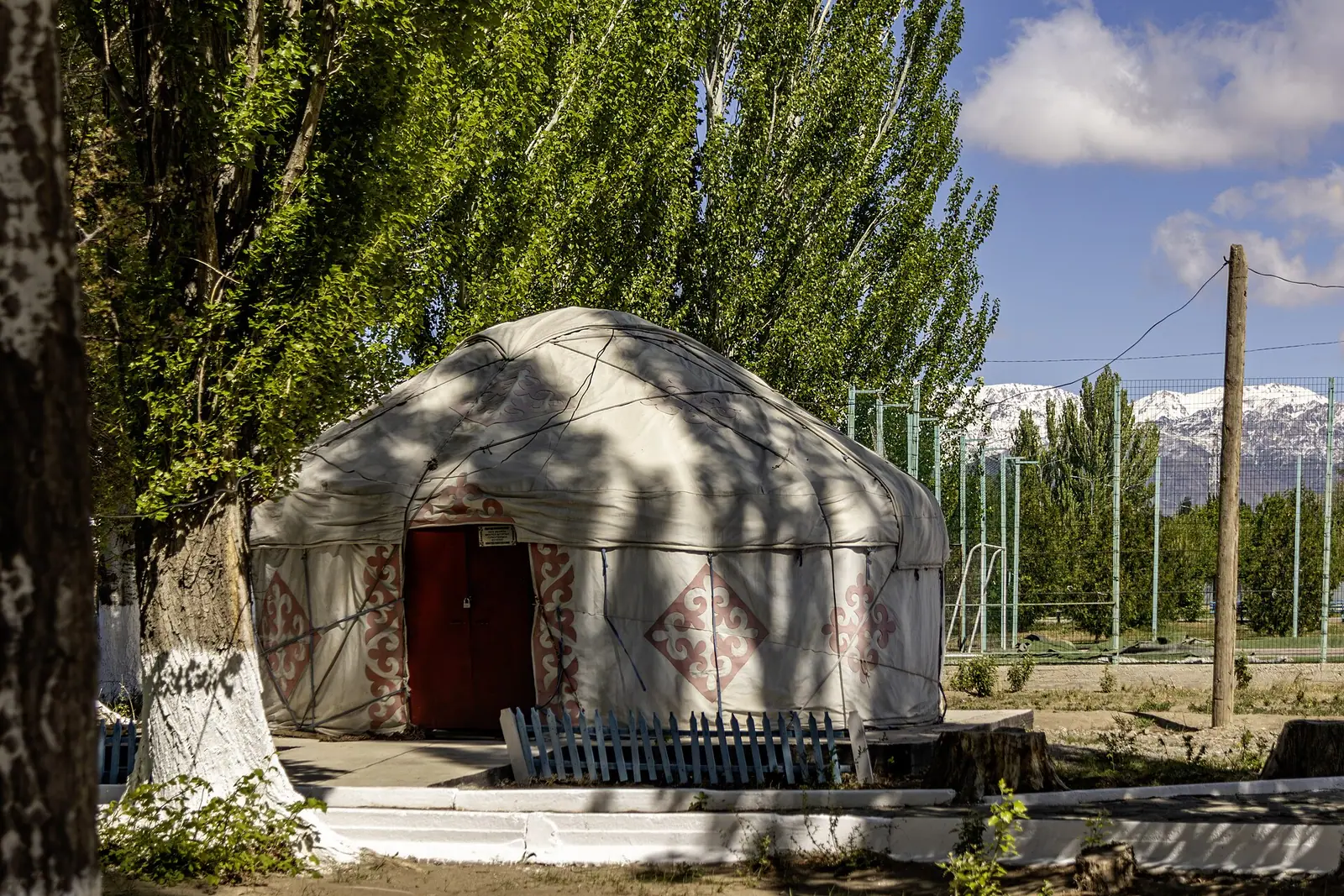
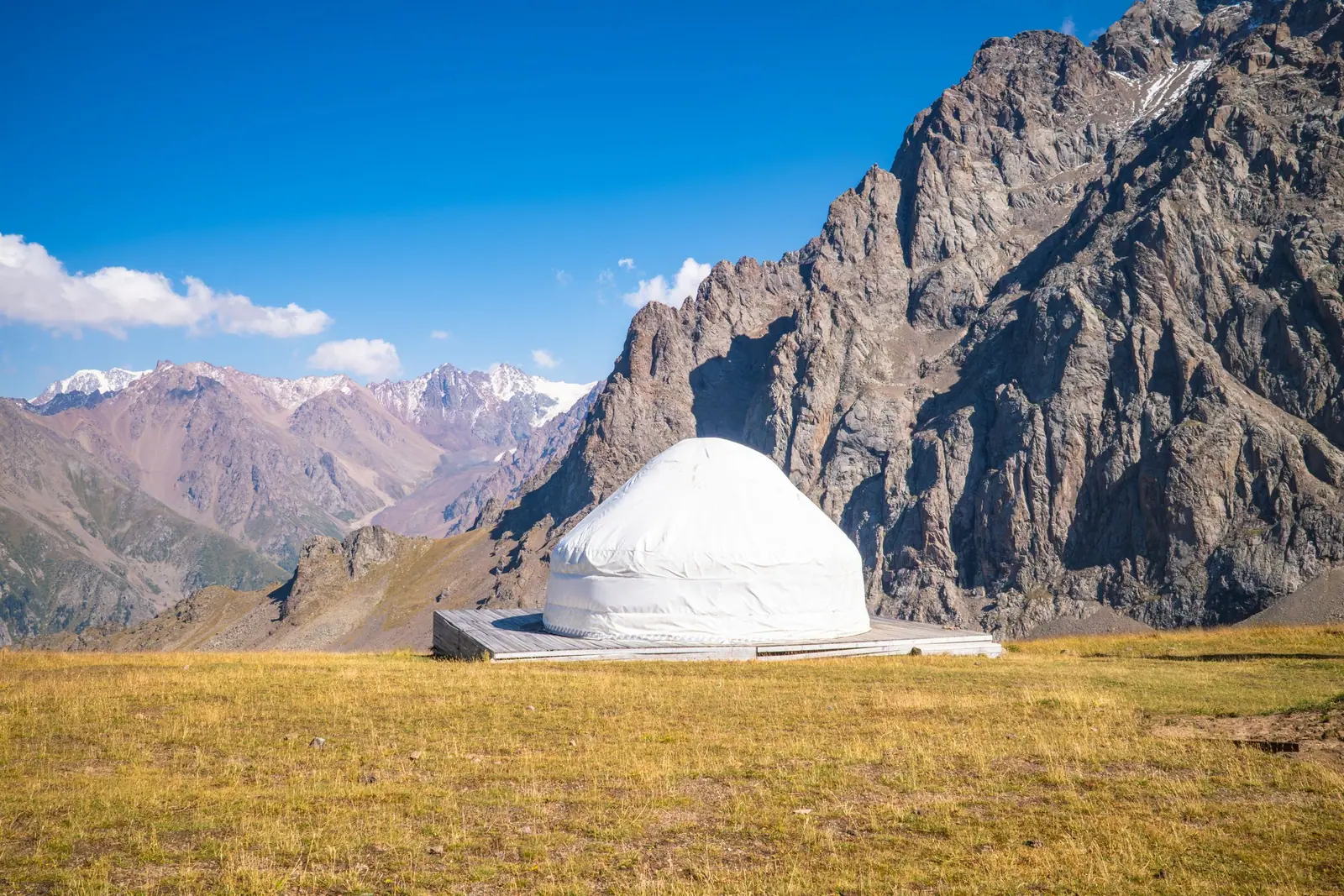
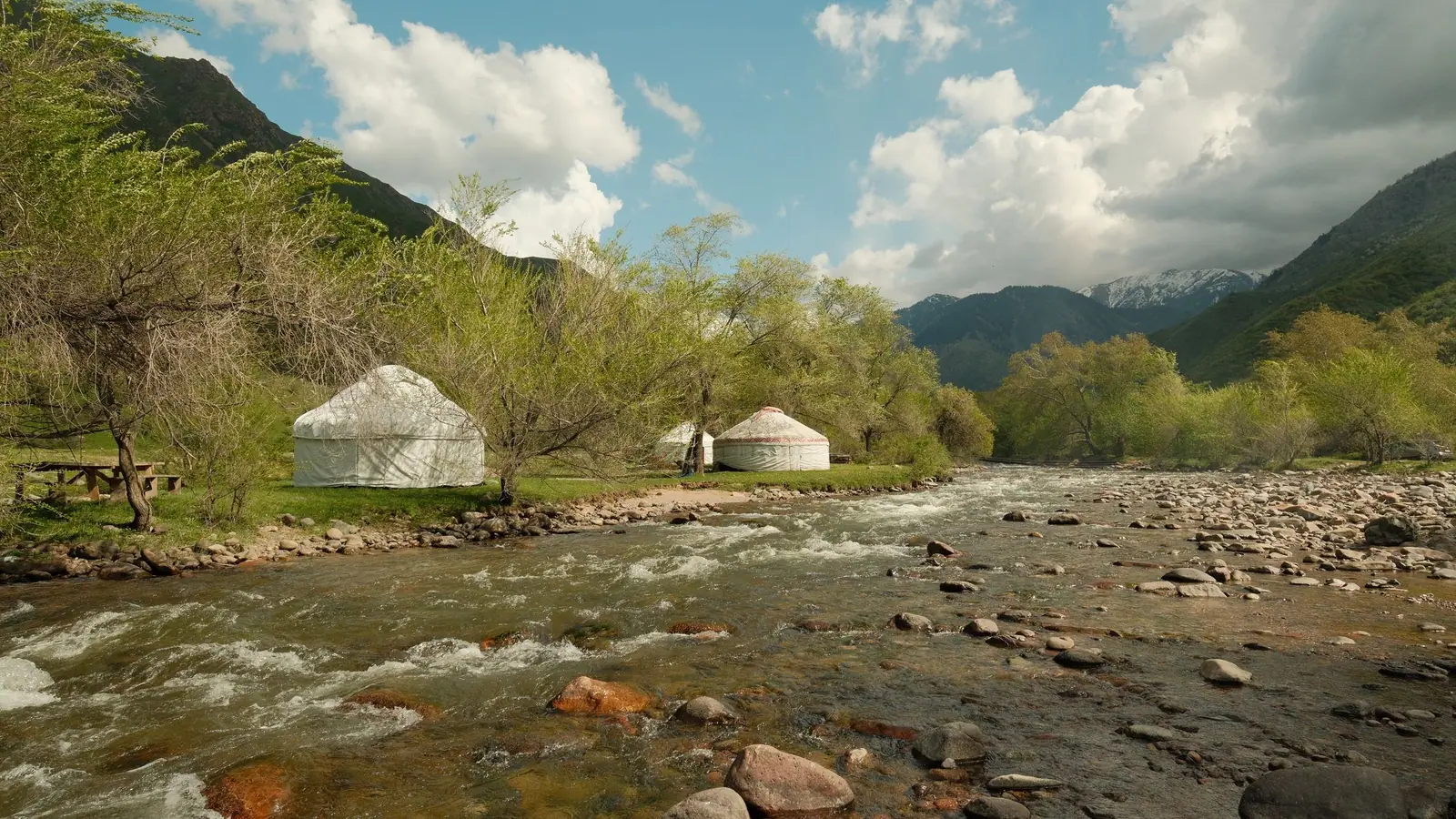
Real photos by travellers (Pexels, Unsplash, Wikimedia Commons); author and licence are given in each caption.
A Kazakhstan yurt is a round felt house on a folding wooden frame, and you can still sleep in one. Yurts for visitors stand in or near several parks, including Charyn and the Kolsai area. Treat it as a summer plan at altitude: a night on a high pasture can be colder than people expect. This page names no camps, since we do not recommend businesses.
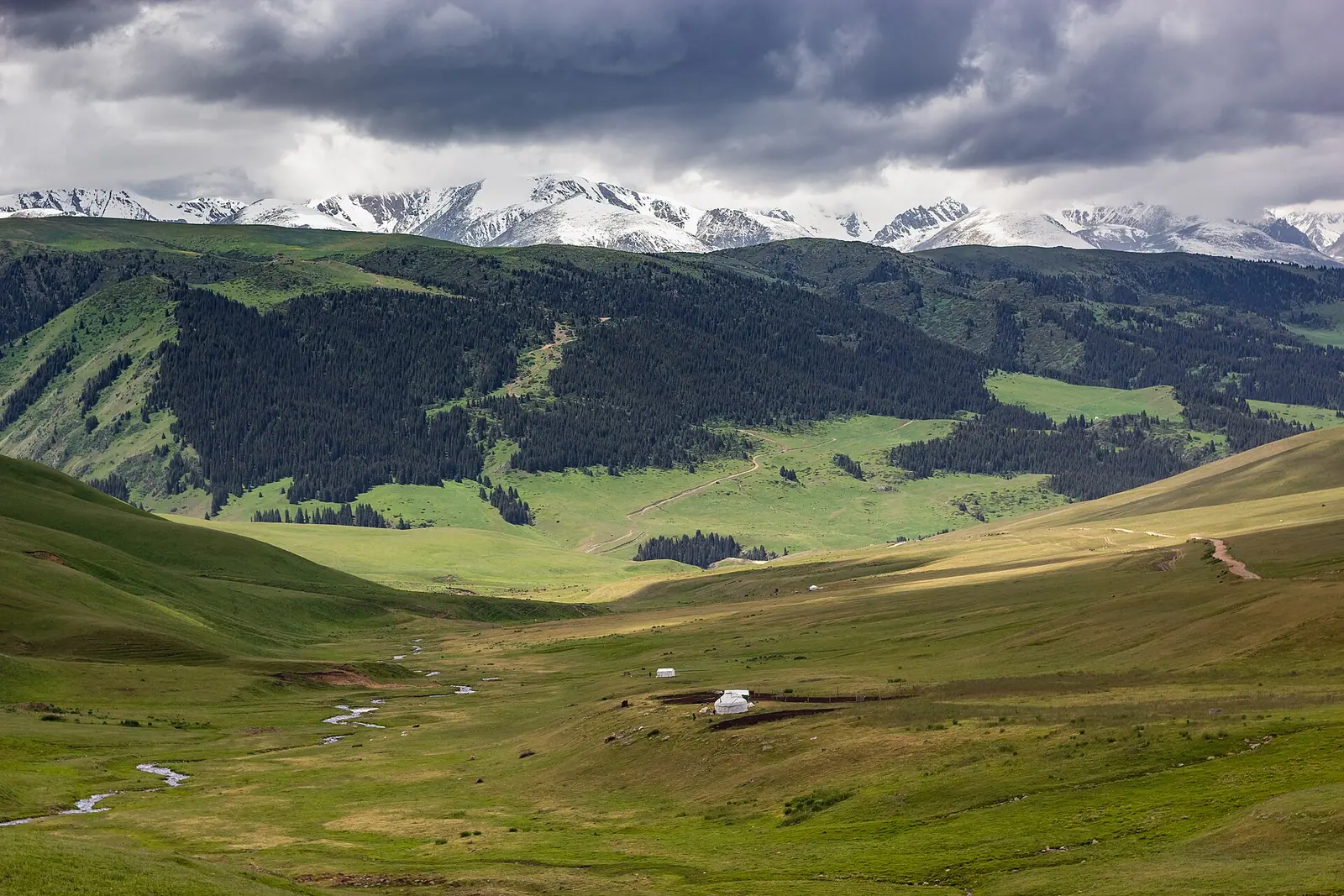
Where you can sleep in a Kazakh yurt
The clearest evidence comes from park tariffs and from what is reported on the ground. This table lists places with a documented yurt, and rates in MCI (the monthly calculation index; see the MCI explainer).
| Protected area | Park yurt rate | What else we know |
|---|---|---|
| Sayram-Ugam | 5.4 MCI a day with dishes and a sauna; 1.4 MCI without | Rate only |
| Zhongar-Alatau | 4 MCI a day | Rate only |
| Irgiz-Turgai reserve | 3 MCI a day | Our wildlife page notes signs banning entry |
| Charyn | 2.7 MCI a day, with services | Wikipedia lists five yurts near the Valley of Castles |
| Kolsai Lakes | 2.7 MCI a day | Yurt camps among local lodging; yurts at the Kaindy car park |
| Akzhaiyk reserve | 1.8 MCI a day | Rate only |
| Ertis Ormany reserve | 0.7 MCI per person a day | Rate only |
| Ile-Alatau | 0.6 MCI adult, 0.4 student, 0.2 schoolchild, a day | Rate only |
| Aksu-Zhabagly, Almaty Reserve | 0.6 MCI per unit a day | Rate only |
| Semey Ormany reserve | 0.16 MCI an hour | Rate only |
| Buiratau | 0.15 MCI per person a day | Rate only |
Units differ, so do not compare these rates directly. The order also sets a fee for a plot to place a yurt: 0.04 MCI per m² a day at Ile-Alatau and 0.02 MCI per m² at Kolsai. That is a charge for siting the structure, not the price of a night. Rates come from Order No. 232 in its version of 15 December 2025, and private camps set their own prices outside it. The same order gives seven national parks a rate for hiring riding animals, most often 0.2 MCI an hour; where to ride is covered in horse riding in Kazakhstan.
For Charyn in particular, compare a night in a yurt with a tent or room in our Charyn day trip page. Heated tents and cabins with more comfort are covered separately in glamping near Almaty; “glamping” is not a legal term in Kazakhstan, and heating is the question that matters there too.
How cold it gets: the number to check before you book
Night temperature decides whether a yurt stay is fun or miserable. The chart compares a low canyon with two high places where visitors sleep.
These are computed averages for grid points (ERA5, 2011–2020), not station records.
| Average night low | Charyn, 1,048 m | Kolsai, 2,361 m | Assy, 2,390 m |
|---|---|---|---|
| May | 9.7 °C | 2.4 °C | 0.9 °C |
| June | 14.5 °C | 6.3 °C | 5.1 °C |
| July | 17.3 °C | 9.0 °C | 7.7 °C |
| August | 15.7 °C | 8.3 °C | 6.8 °C |
| September | 10.4 °C | 4.1 °C | 2.7 °C |
So what does this mean? At 2,300 m and above, even July needs a warm sleeping layer, and an average hides colder nights. June is also the wet month up high, at about 170 mm at Kolsai and Assy, against 40 mm at Charyn. If you want an easy first night, choose lower ground or July to August.
Questions to ask before you pay
Private camps are not covered by any list we could check, so ask directly. These questions matter most:
- Heating. Is there a stove, and who runs it at night?
- Bedding. Mattresses on the floor, or beds? Are bedding and blankets provided?
- Toilet and water. How far is the toilet, and is there a shower?
- Meals. Are they included? Vegetarians should read our notes on Kazakh food first.
- Sharing. Is the yurt private or shared with strangers?
- Park fees and permits. Is park entry extra? Near a border, is a permit needed?
- Months open. We could not confirm whether any yurts operate in winter.
Bring a sleeping liner and a torch either way. Check the border zone rules if your route runs close to a frontier.
What makes a Kazakh yurt different
A kiiz ui, literally felt house, has a wooden lattice wall (kerege), curved roof poles (uyq) and a crown ring at the top (shanyraq). The crown lets out smoke and lets in daylight. Kazakh yurts, like other Turkic ones, stand without central posts, using a higher roof and tension straps, whereas Mongolian ones have supports.
Russian Wikipedia says Kazakh yurts are lower than Kyrgyz ones because of steppe winds. It also says a family can put one up in about an hour, while English Wikipedia gives 30 minutes to three hours.
Inside, the seat of honour (tor) is opposite the door, near chests and stacked bedding. If you are invited to sit there, you are being treated as an honoured guest. People bow slightly at the low door as a sign of respect for the host; other guest customs are in Kazakh culture and customs. The side flaps can be raised to let air through in hot weather.
A living craft on UNESCO’s list
UNESCO lists the traditional knowledge and skills in making Kyrgyz, Kazakh and Karakalpak yurts on its Representative List, in this form since 2025 for Kazakhstan, Kyrgyzstan and Uzbekistan. An earlier 2014 file exists on the same page. The listing covers skills.
The roles are specific. Men and their apprentices make the wooden frames and fittings by hand, while women make the coverings and patterned interior decoration, often in groups led by experienced artisans. Weddings, births and funerals still take place in yurts, according to UNESCO.
Wikivoyage is frank about the other side. Tourist yurts were recreated after the Soviet period, and are not part of everyday Kazakh life. Herders in Kazakhstan still use them, Russian Wikipedia notes, so one seen on a summer pasture may be a family’s working home.
What we could not confirm
- Private camp prices, and which camps open in which months
- Which camps have stoves, showers or flush toilets
- What park yurt rates include, and whether parks actually let yurts for overnight stays
- Whether the five yurts near the Valley of Castles are in use in 2026
Frequently asked questions
Can you stay in a yurt in Kazakhstan?
How much does a yurt stay cost in Kazakhstan?
Are yurts warm enough at night?
What is the Kazakh word for yurt?
Is the yurt on the UNESCO list?
Sources
- Order of the Minister of Ecology No. 232, version of 15 Dec 2025, Adilet
- UNESCO: Traditional knowledge and skills in making Kyrgyz, Kazakh and Karakalpak yurts
- Wikipedia: Yurt
- Wikipedia (Russian): Yurt
- Wikipedia (Kazakh): Kiiz ui
- Wikivoyage: Kazakhstan
- Open-Meteo Historical Weather API: ERA5 reanalysis, 2011–2020
Read also
 Almaty to Issyk-Kul: routes via Korday or Kegen, distance and border
 Kazakh culture and customs: what visitors should know
 Kazakhstan border crossings: which ones foreigners can use
 Kazakhstan time zone: one zone, UTC+5, since 1 March 2024
 What to buy in Kazakhstan: souvenirs and export rules
 Accessible nature in Kazakhstan: wheelchairs, strollers and older travellers