Verified: 2026-11
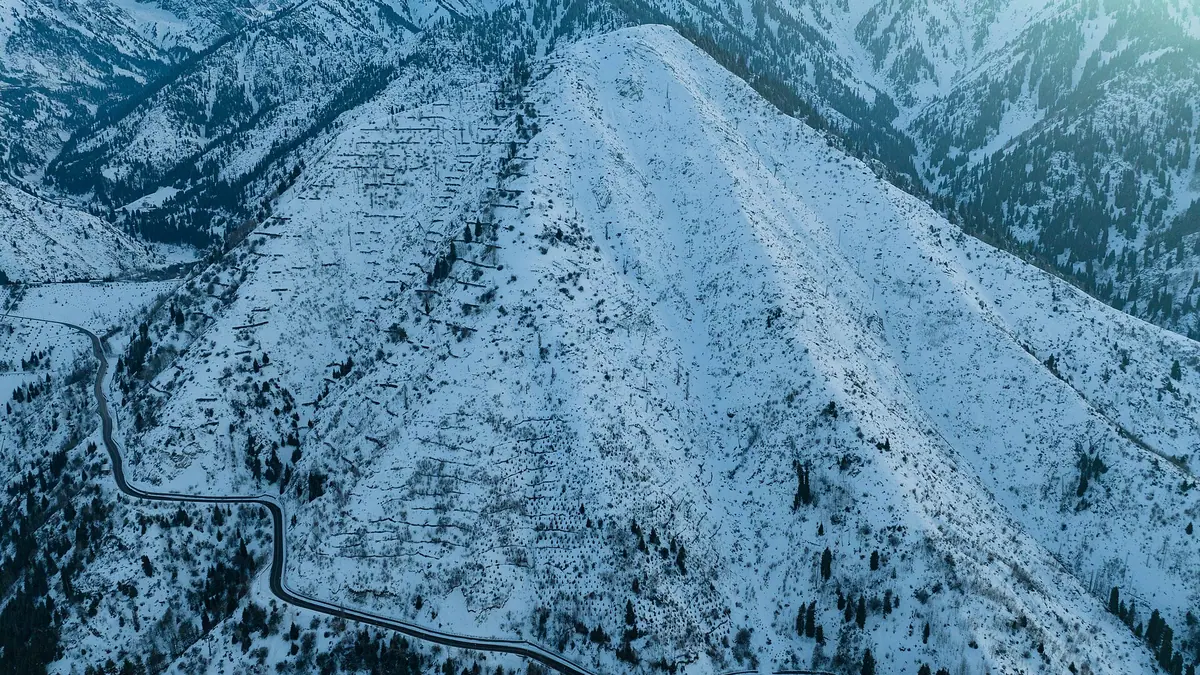
Winter in Kazakhstan's mountains in photos
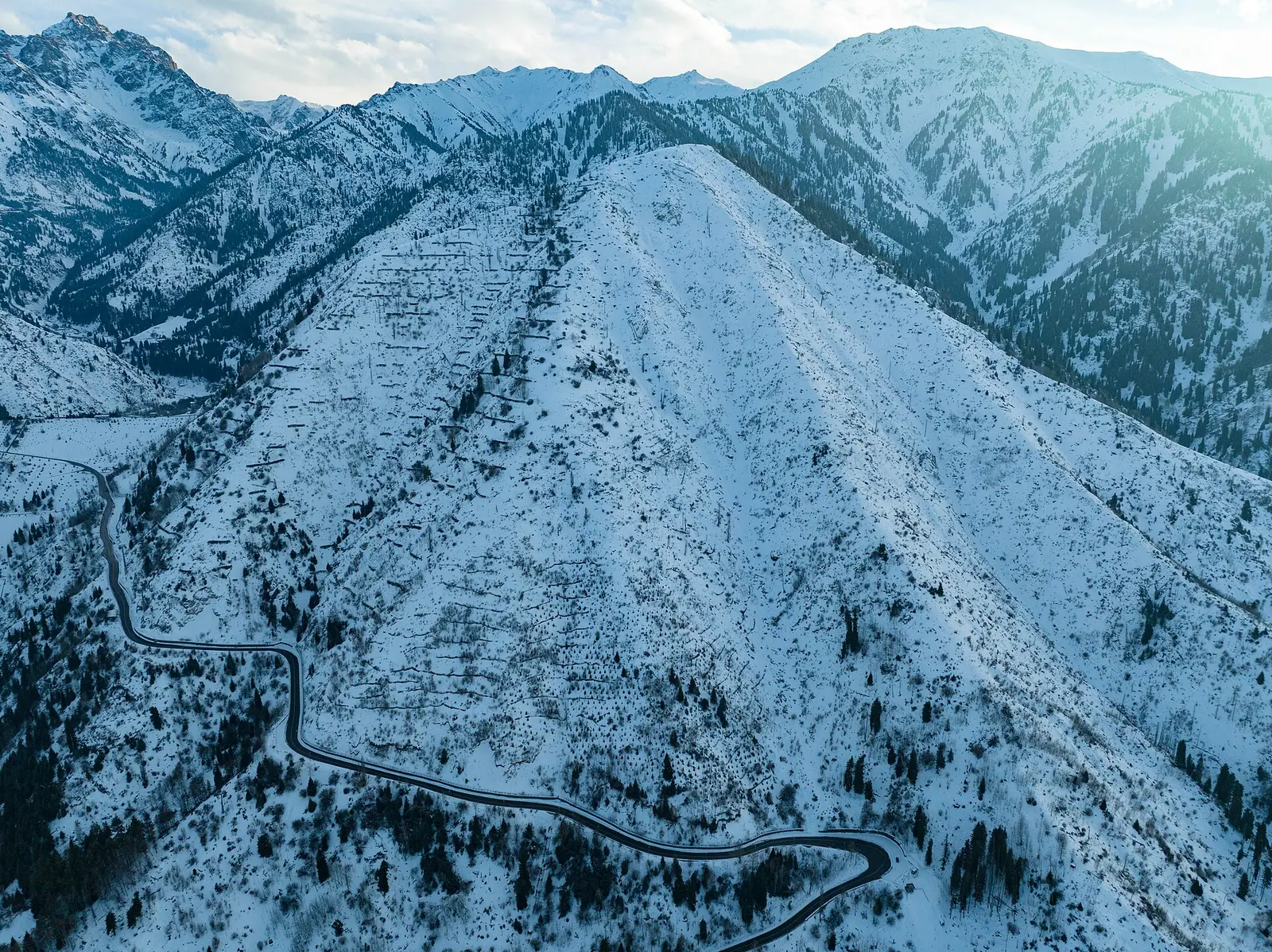
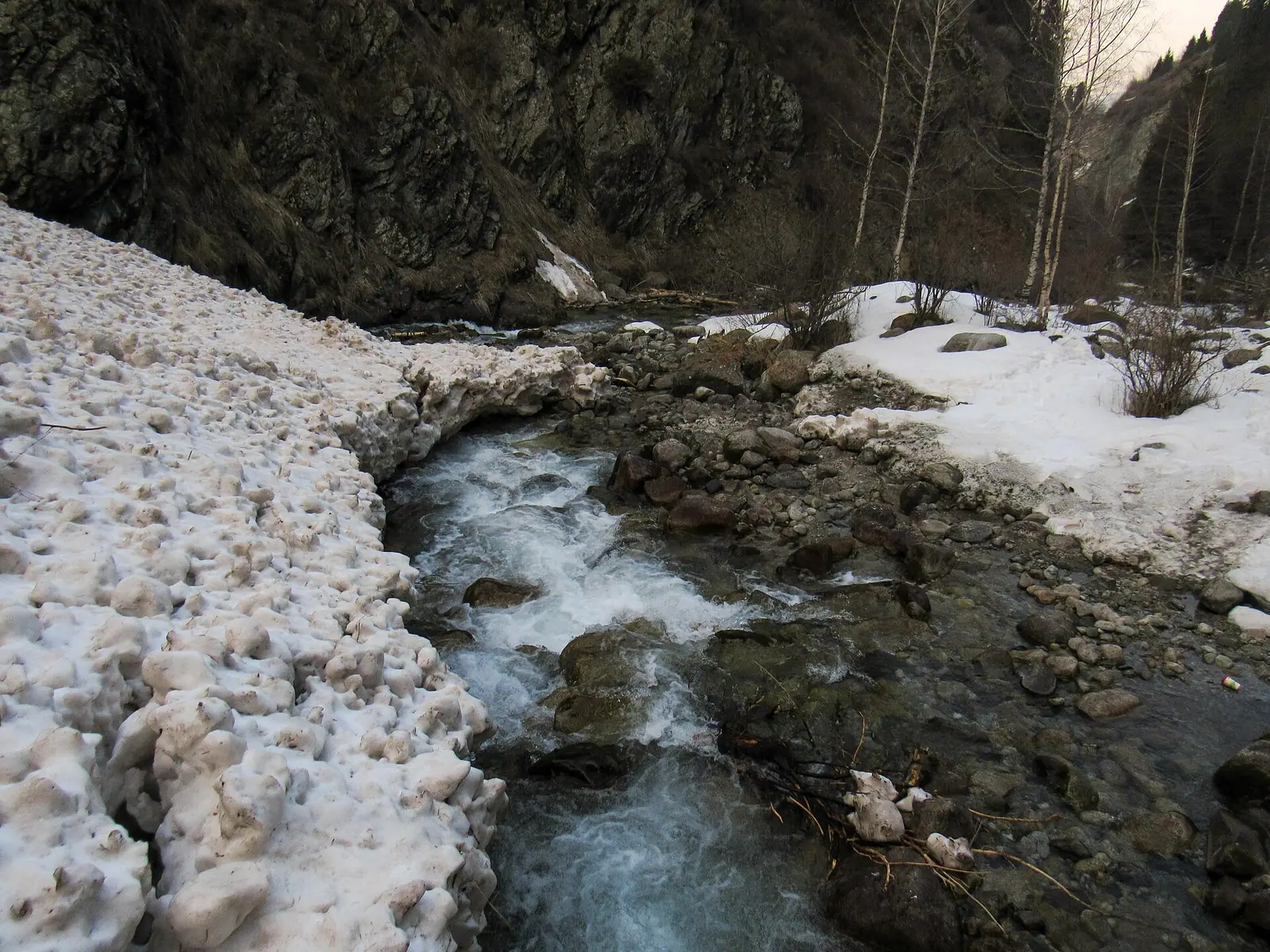
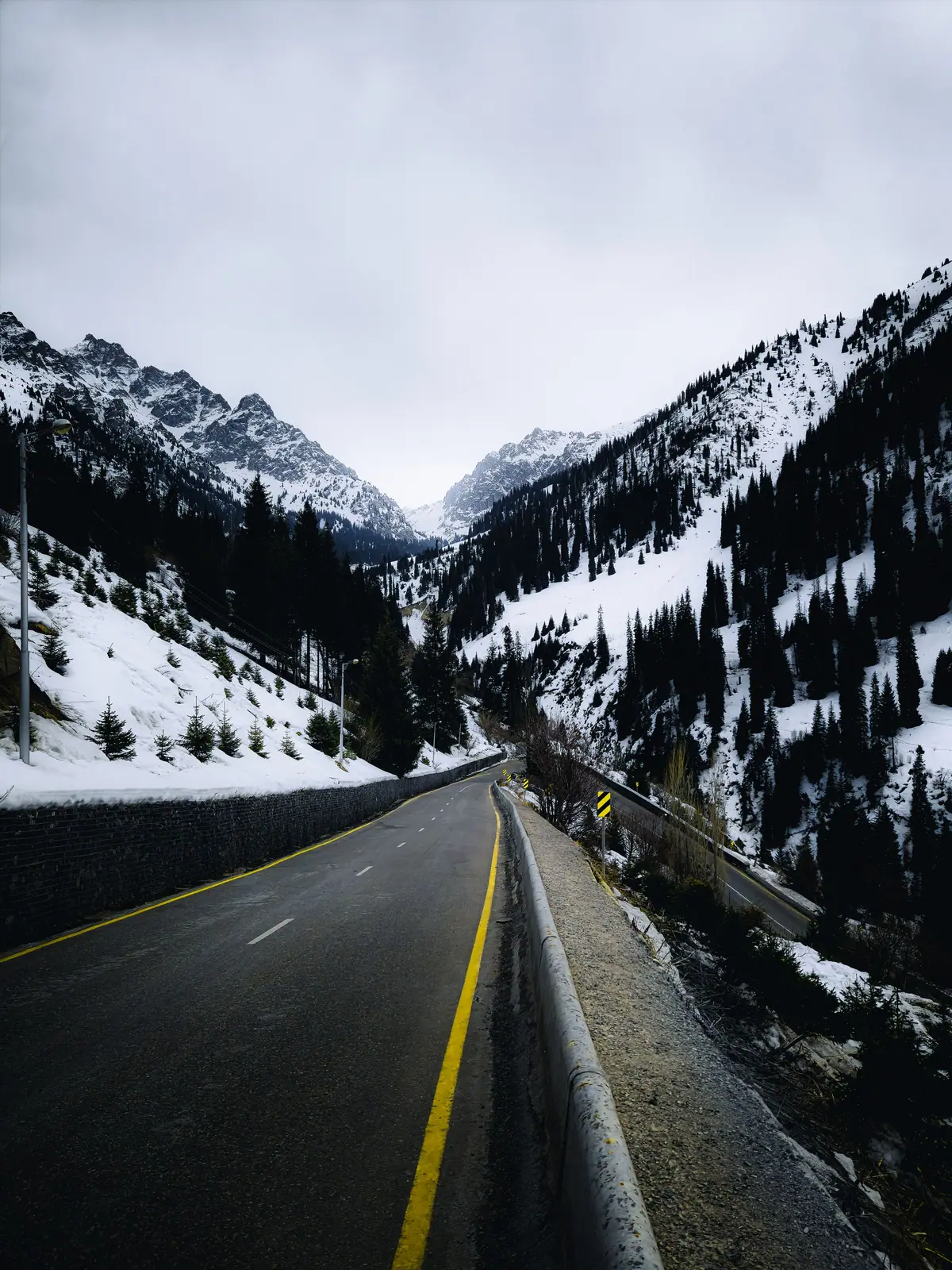
Real photos by travellers (Pexels, Unsplash, Wikimedia Commons); author and licence are given in each caption.
Avalanche risk in Kazakhstan comes down to one question each winter morning: is a warning active? If yes, the emergencies ministry advises staying out of the mountains. After heavy snow or rain, it says to delay a hike by 2–3 days, and not to ski on unprepared terrain. Warnings are published mainly in Russian and Kazakh, so plan who will read them for you.
Winter here also means you may lose phone signal. The UK warns that rescuers may not be able to reach you, and its advice is to avoid trekking alone and to tell someone when you will be back.
| 2025/26 season, as of 18 Feb 2026 | Figure |
|---|---|
| Natural avalanches | 23, total 55,260 m³ |
| Controlled releases | 32, total 24,376 m³ |
| Ground surveys | 255 |
| Warning signs placed | 110 |
So state services are active, and snow still comes down on its own. A sign is a reason to stop; no sign proves nothing.
When the danger is real
Zakon.kz describes the avalanche period in Almaty region as usually December to April; the 2024/25 season began in mid-November. It lists 55 avalanche-prone sections there, with speeds of 20–30 m/s.
The emergencies ministry links unstable snow to thaws, snowfall, blizzards and sharp temperature swings. In February 2026 Kazhydromet issued a warning with specific dates, 20–23 February, for the Ulken and Kishi Almaty basins, the two valleys you use for most trips from the city. Canada notes avalanches can also block roads, especially in spring, so build in spare days if you need a flight. Temperatures on the altitude table are also worth a look: the January mean at the Mynzhilki station, 3,017 m, is −11.3 °C.
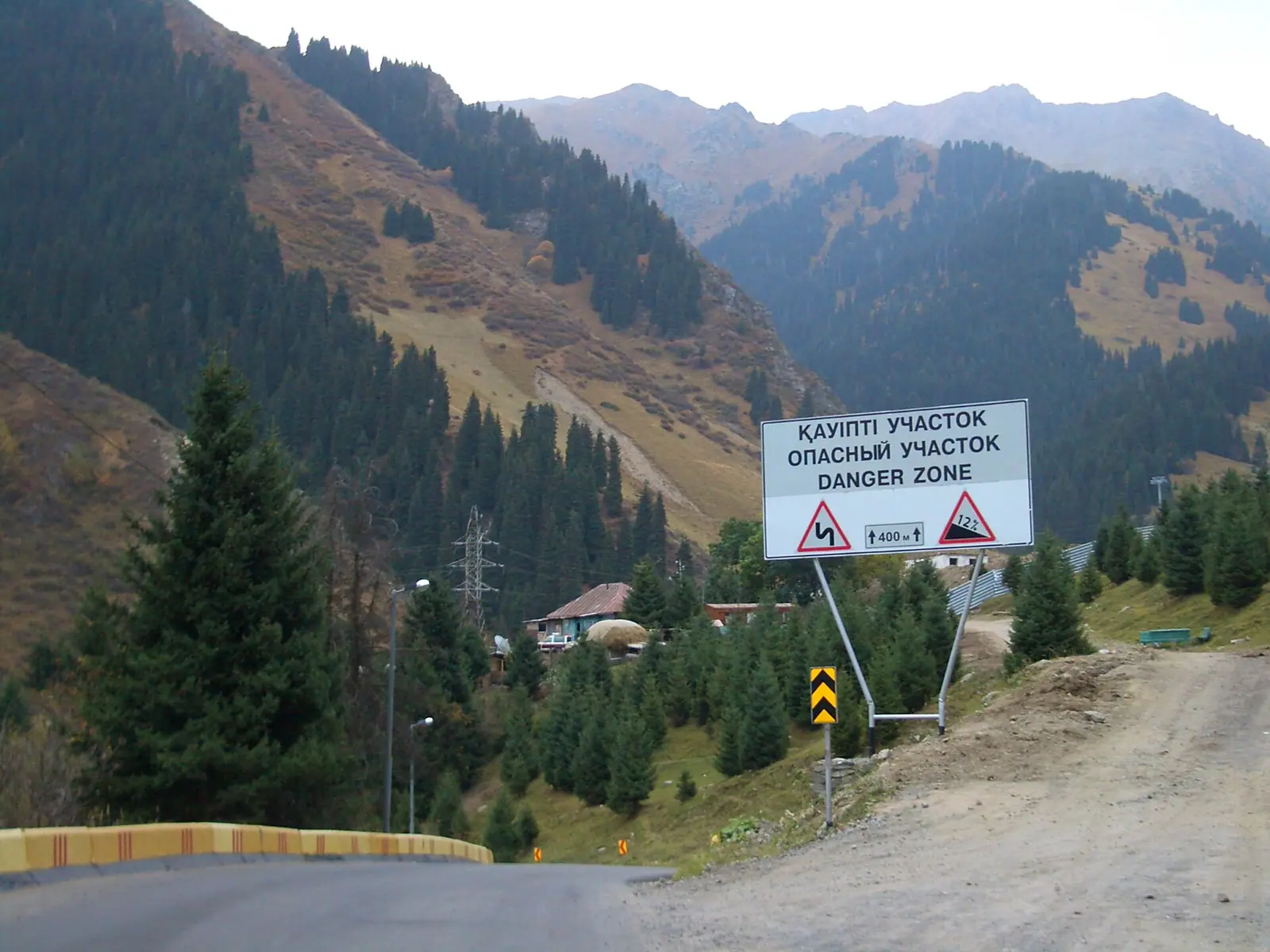
Reporting your route
Report before you leave if your site is on the government list. The law places the duty on individuals, Order No. 363 (version of 12 July 2026) sets the list and procedure, and we found no fine for not doing so.
- Channels: the eQonaq app and system, email to the regional body, or 112.
- Details: full name, contacts, dates out and back, route, overnight spots, first aid kit, communications, chargers, signalling gear.
- On the list: for example Tuyuk-Su glacier moraine, Big Almaty gorge, Kumbel, Shymbulachka peak, Talgar summit.
- Not on it: Shymbulak as a resort; Medeu.
- Almaty Hike: a registration website launched in October 2026, an extra step not named in the order.
The full breakdown is on our safety page.
Gear the ministry actually names
Official advice lists less than a typical freeride checklist. The ministry says a transceiver is desirable because it lets others find a buried person, and it advises each member of a group on an avalanche slope to tie on an avalanche cord. It also asks you to check the forecast, map your route, go as a group, and not enter dangerous areas without basic avalanche knowledge.
We did not find a probe or shovel in the ministry statements we read. A transceiver alone will not dig anyone out, so raise this with an instructor or a resort before leaving the piste.
If an avalanche comes
These steps come from the ministry’s statement of 10 December 2024, the only official instructions we found.
- If it releases high above and you have time, move out of its path sideways, not downhill.
- You can shelter behind an outcrop or climb onto a high point or a firm rock.
- If you cannot escape, immediately free yourself of your rucksack, skis, poles and ice axe.
- Fight towards the edge of the flow, including with swimming motions.
Call 112, or 109 for the Almaty emergency department’s rescue service.
Resorts and the terrain beyond them
The emergencies ministry advises against skiing on unprepared terrain. At Shymbulak, 24.kz reports a Kazselezashchita avalanche route with bulletins three times a day. At Ak-Bulak the main rule is to stay inside the piste fencing. Compare resorts in our ski overview, and for a gentler day see winter near Almaty. Australia also reports deaths from snow falling off roofs and from long exposure to cold, so city streets carry their own risk.
Frequently asked questions
Do foreigners have to report a mountain route in Kazakhstan?
Is Shymbulak off-piste safe?
Is there avalanche equipment for hire in Almaty?
Sources
- Emergencies ministry: avalanches, 2025/26 season, 18 Feb 2026
- Emergencies ministry: avalanche danger, Kazselezashchita, 10 Dec 2024
- Emergencies ministry: ways to report a route, 8 Sep 2025
- Civil Protection Law, Art. 18(2)(10)
- Order No. 363 of the Minister for Emergency Situations, 27 Aug 2025, version of 12 Jul 2026
- Almaty Hike: service website, checked 5 Nov 2026
- Zakon.kz: avalanche-prone sections in Almaty region, 6 Jan 2025
- Bes.media: avalanche warning for 20–23 Feb, 20 Feb 2026
- FCDO: Kazakhstan, safety and security, 30 Oct 2026
- Government of Canada: Travel advice, Kazakhstan, 15 Oct 2026
- Smartraveller: Kazakhstan, 11 Sep 2026
- Zakon.kz: Almaty emergency numbers, 31 Dec 2025
Read also
 Tabagan ski resort: a small hill near Almaty for a short ski day
 Shymbulak: the ski resort above Medeu and Talgar Pass
 Oi-Qaragai: the all-season mountain resort near Almaty
 Shymbulak or Oi-Qaragai: which resort near Almaty to choose
- Skiing in Kazakhstan: how Shymbulak compares with the other ski resorts near Almaty and in the Altai
 Shymbulak weather by month: temperature, snow and the season dates