Kazakh culture and customs in photos
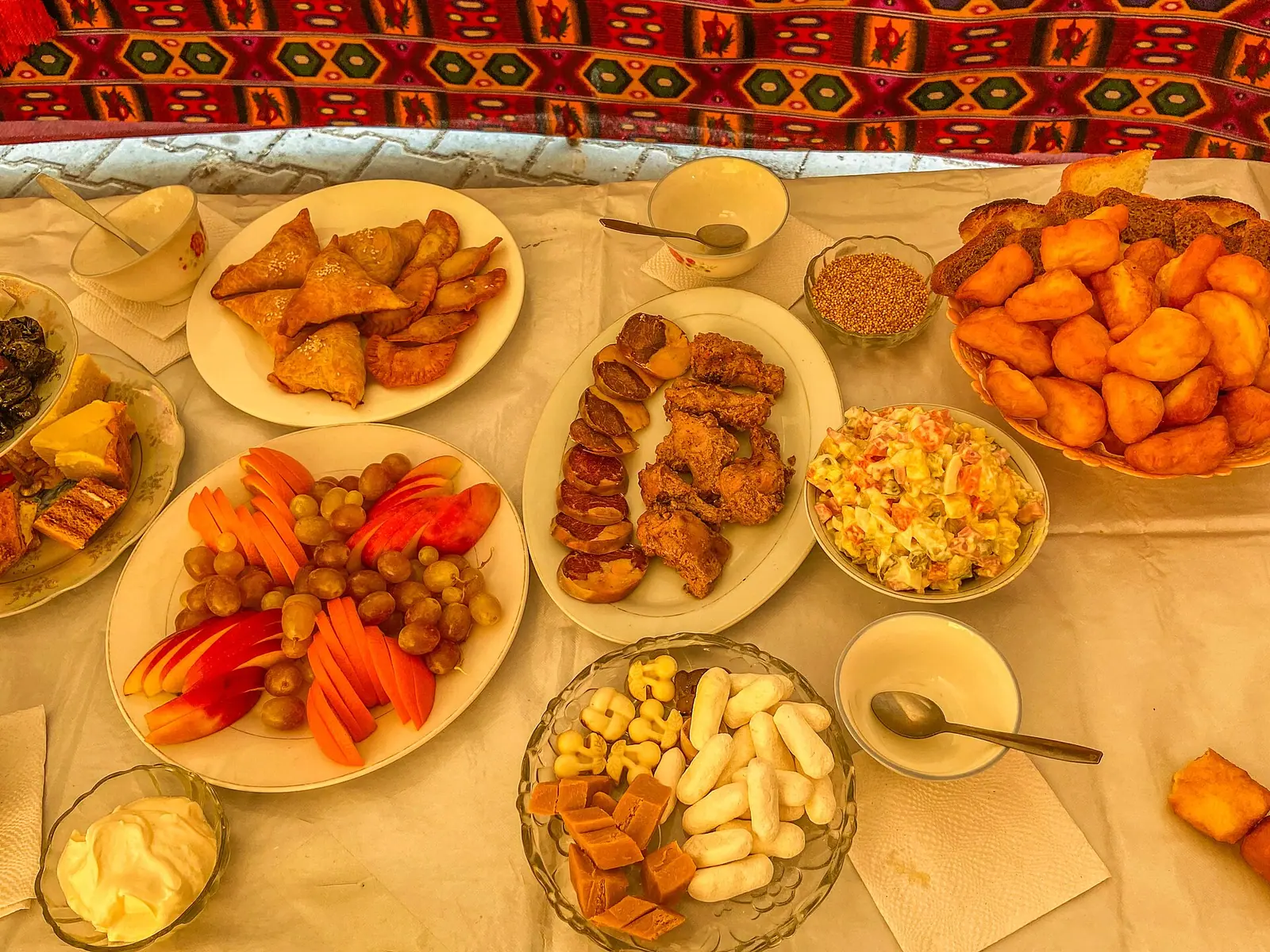
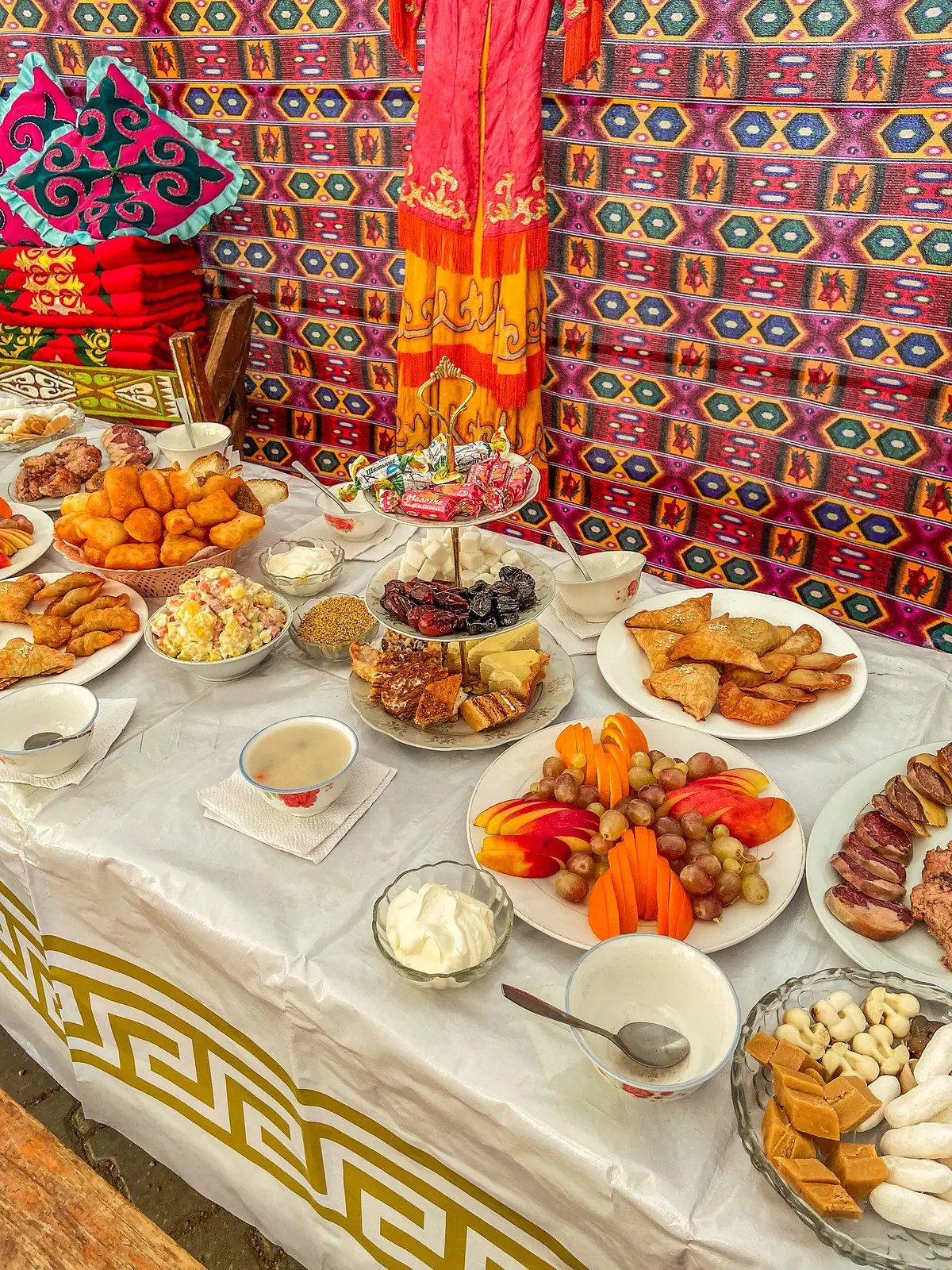
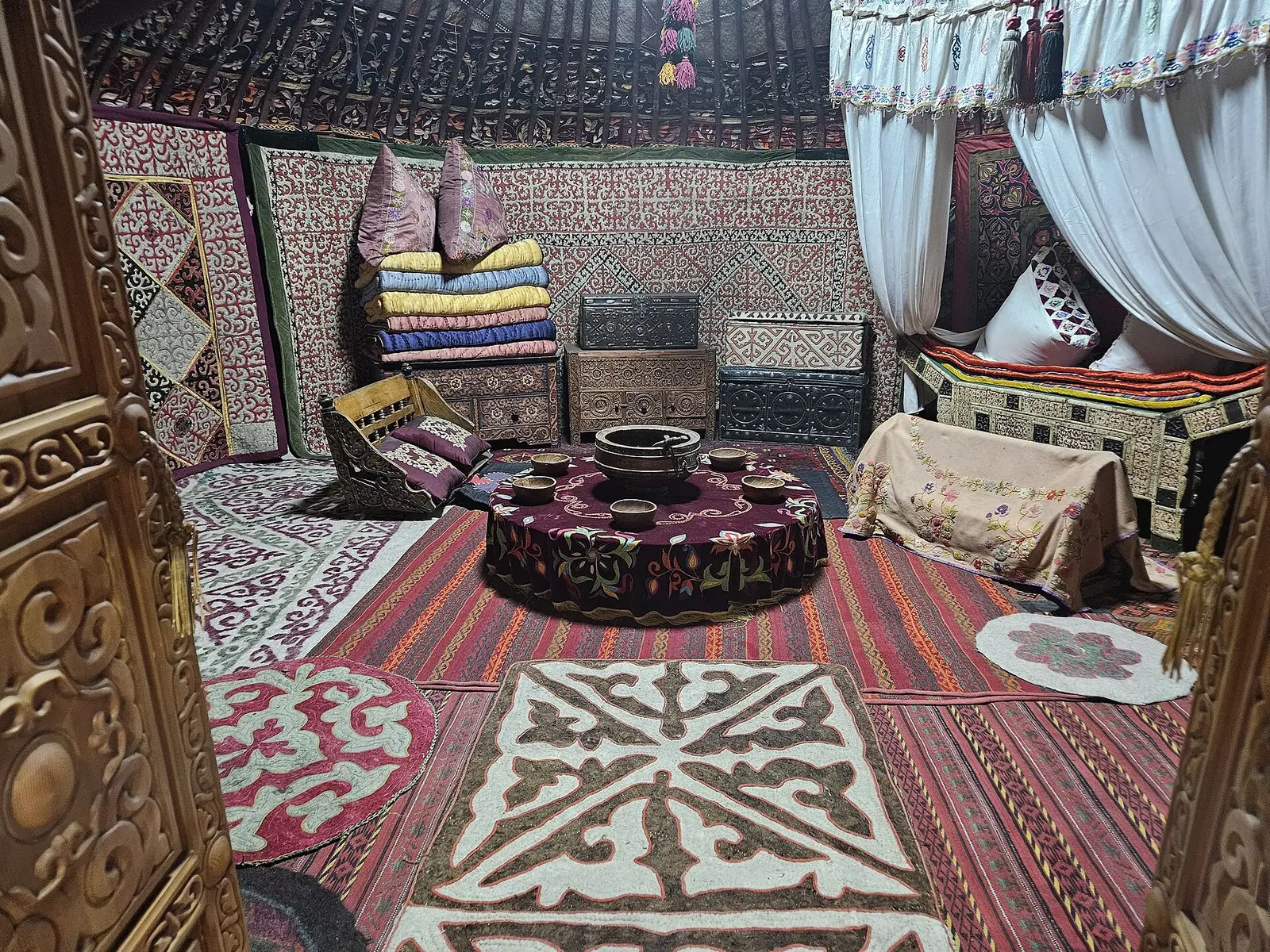
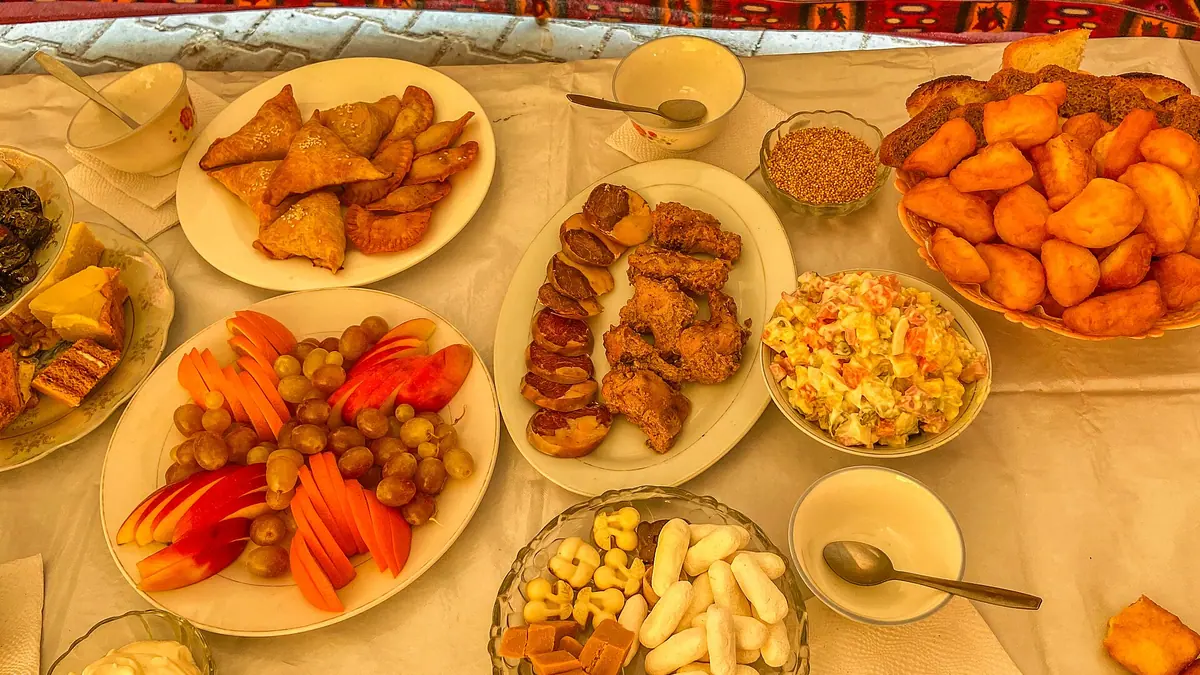
Real photos by travellers (Pexels, Unsplash, Wikimedia Commons); author and licence are given in each caption.
Kazakh hospitality runs on two ideas: respect for elders, and a host’s duty to feed the guest well. Most of what a visitor needs to know follows from that. Greet the oldest person first, sit where you are told, try everything, and do not leave before the tea is over.
This page sticks to customs described in ethnographic publications and official heritage lists. Where a custom differs by region, we say so. For dress and behaviour at mosques and mausoleums, see our separate guide to sacred site etiquette.
Quick guide
| Situation | Do | Avoid |
|---|---|---|
| Meeting people | let the younger person offer a hand to the elder first | waiting for an elder to greet you |
| Entering a home or yurt | go to the seat of honour (tor) if invited | sitting by the door after you have been waved forward |
| At the table | try every dish; wash hands before and after | refusing food; getting up before the blessing |
| Tea | keep drinking while your host tops up; thank them at the end | asking for a full bowl in the south and west |
| The sheep’s head | hand out pieces in the customary order if it is given to you | accepting it if your father is alive |
| Being showered with sweets (shashu) | accept it gracefully | — |
Greetings
The younger person greets first and offers a hand, with one or both hands, according to the ethnographer A. B. Kalysh as summarised on e-history.kz. Men commonly say “Assalaumagaleikum!” and reply “Uagaleikumassalam!”. Women use other forms, such as “Salem berdik!” or “Salemetsiz be!”.
Hosts welcome guests with “Qosh keldiniz, kiriniz, torletiniz!”, roughly “Welcome, come in, take the seat of honour”. When an older or respected guest arrives, everyone stands. A few more useful phrases are on our language page.
At the table
The seat of honour, the tor, faces the entrance and goes to guests and elders (Bulletin of KazNU, 2024). Hosts sit down last.
A traditional meal has three stages: cold starters, the meat course (et, the dish known as beshbarmak) and tea. Guests are not supposed to refuse a dish, and hosts are expected to insist. Hands are washed before and after the meal; in villages a son of the host may pour water from a jug, starting with the eldest. Meat is eaten with the fingers of the right hand, though nobody will object to a fork.
Things considered rude at the table include blowing your nose, asking tactless questions, standing up before the blessing, folded arms, pointing, hands in pockets while talking to elders, and elbows on the table. Younger people do not leave without the elders’ leave. The end of tea signals the end of the visit. What the dishes are is covered on our Kazakh food page.
Tea
The hostess pours and keeps topping up your bowl without being asked until you have had enough or politely decline. Milk usually goes in first, though this varies. At the end, one of the guests thanks the hosts for the tea.
How full the bowl should be depends on the region. In the south and west (Turkistan, Kyzylorda, Atyrau and Mangystau regions) people drink from small bowls filled halfway, and a full bowl can suggest it is time for the guest to go. In the north and centre bowls are larger, and pouring too little looks mean (e-history.kz). So a half-filled bowl is attention, not stinginess.
The sheep’s head
At a festive meal the boiled sheep’s head is brought by a man and served to the guest of honour (national heritage list). That person tastes from the right side and then shares out pieces: the right ear to the youngest in the house, the ears to the children, the palate to the youngest daughter or to a singer.
Two details help a foreign guest. First, if your father is alive, custom says you pass the honour to someone else (Bulletin of KazNU, 2024). Second, if you do not know the order, ask your host. Ethnographers note that today the head often goes to the person of highest status rather than the oldest. After the meat, an elder is asked to give a bata, a spoken blessing.
In a yurt
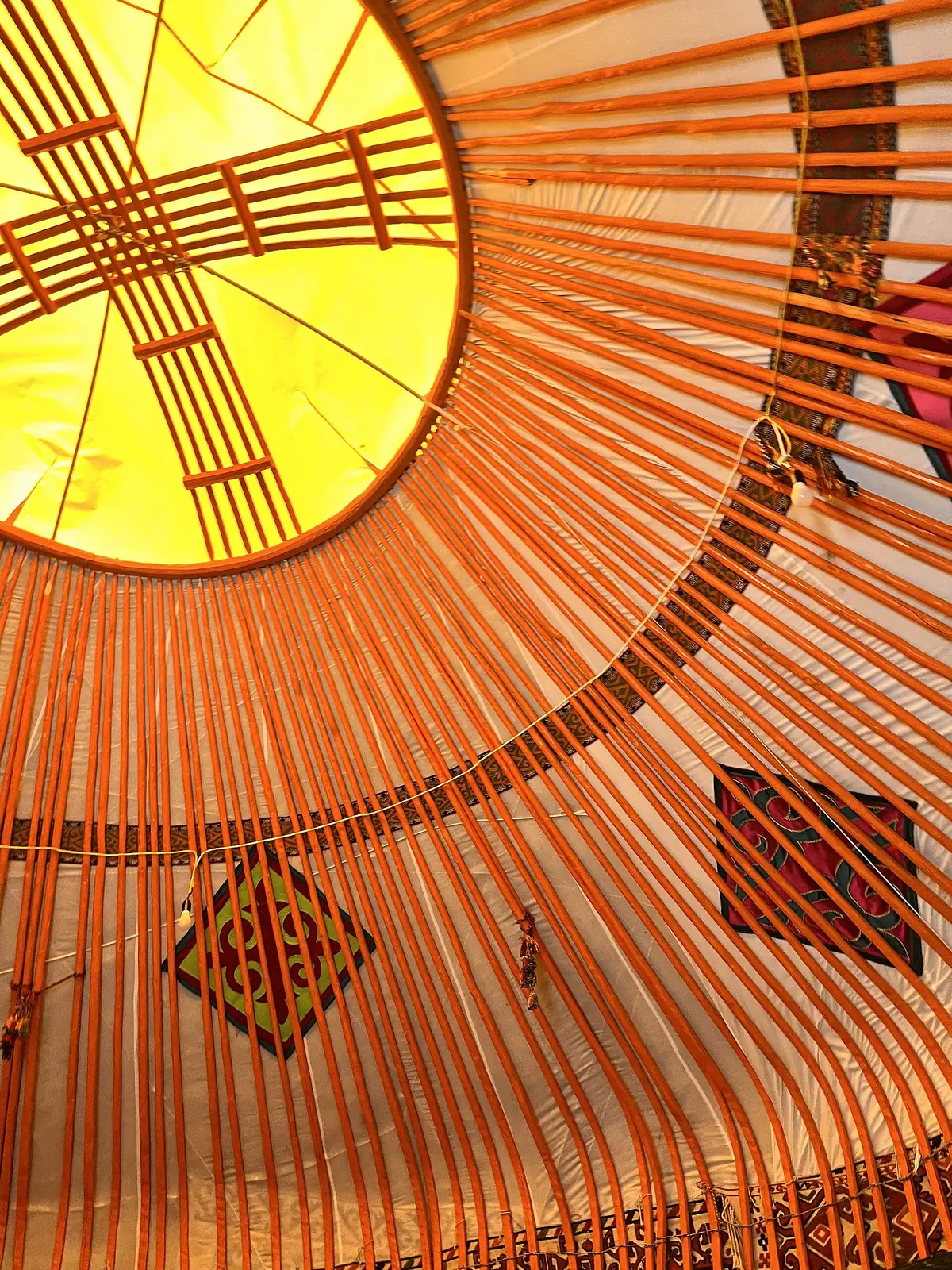
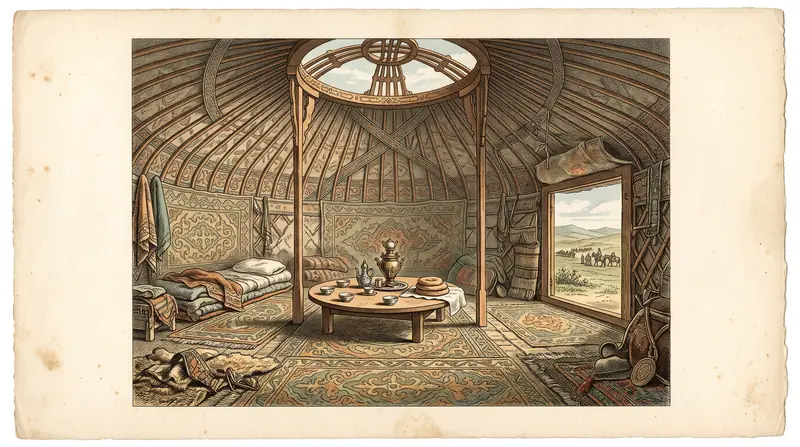
You stoop slightly through the low door, which is taken as a sign of respect for the host (gov.kz, 2026). The tor is opposite the entrance. Horse tack is kept to the right of the door, dishes and food to the left.
UNESCO describes yurt-making as shared work: men build the wooden frame, women make the felt covers and furnishings. If you want to sleep in one, our yurt stays page covers where and how cold it gets.
Celebrations you might be invited to
| Custom | What happens | Your part |
|---|---|---|
| Shashu | sweets, biscuits and coins are showered over people at matchmaking, weddings and births | accept it as a wish for joy and plenty |
| Tusau keser | a “first steps” party: a respected person cuts a black-and-white cord tied round a toddler’s legs | being asked to cut it is a mark of respect |
| Betashar | at a wedding a singer names the groom’s relatives, the bride bows to each, then her veil is lifted | watch quietly; guests announce gifts for the bride |
| Bata | a blessing from an elder, often at the table | wait for it before standing |
| Sarqyt | hosts send guests home with food, including for those who could not come | take it (The Astana Times) |
| Nauryz | public holiday on 21–23 March | try nauryz kozhe, a soup of at least seven ingredients |
Kokpar, the mounted team game played with a goat carcass, has its own rules: riders enter the field only with the referee’s permission. For the spring holiday, see Nauryz in Kazakhstan; for the falconry tradition, see eagle hunting.
What UNESCO recognises
Kazakhstan has 14 elements on UNESCO’s Representative List of Intangible Cultural Heritage. Kokpar is not one of them.
| Element | Year |
|---|---|
| Dombra kuy (instrumental music) | 2014 |
| Yurt-making (with Kyrgyzstan; Uzbekistan added 2025) | 2014 |
| Aitys, improvised poetry duels (with Kyrgyzstan) | 2015 |
| Kazakhsha kures wrestling | 2016 |
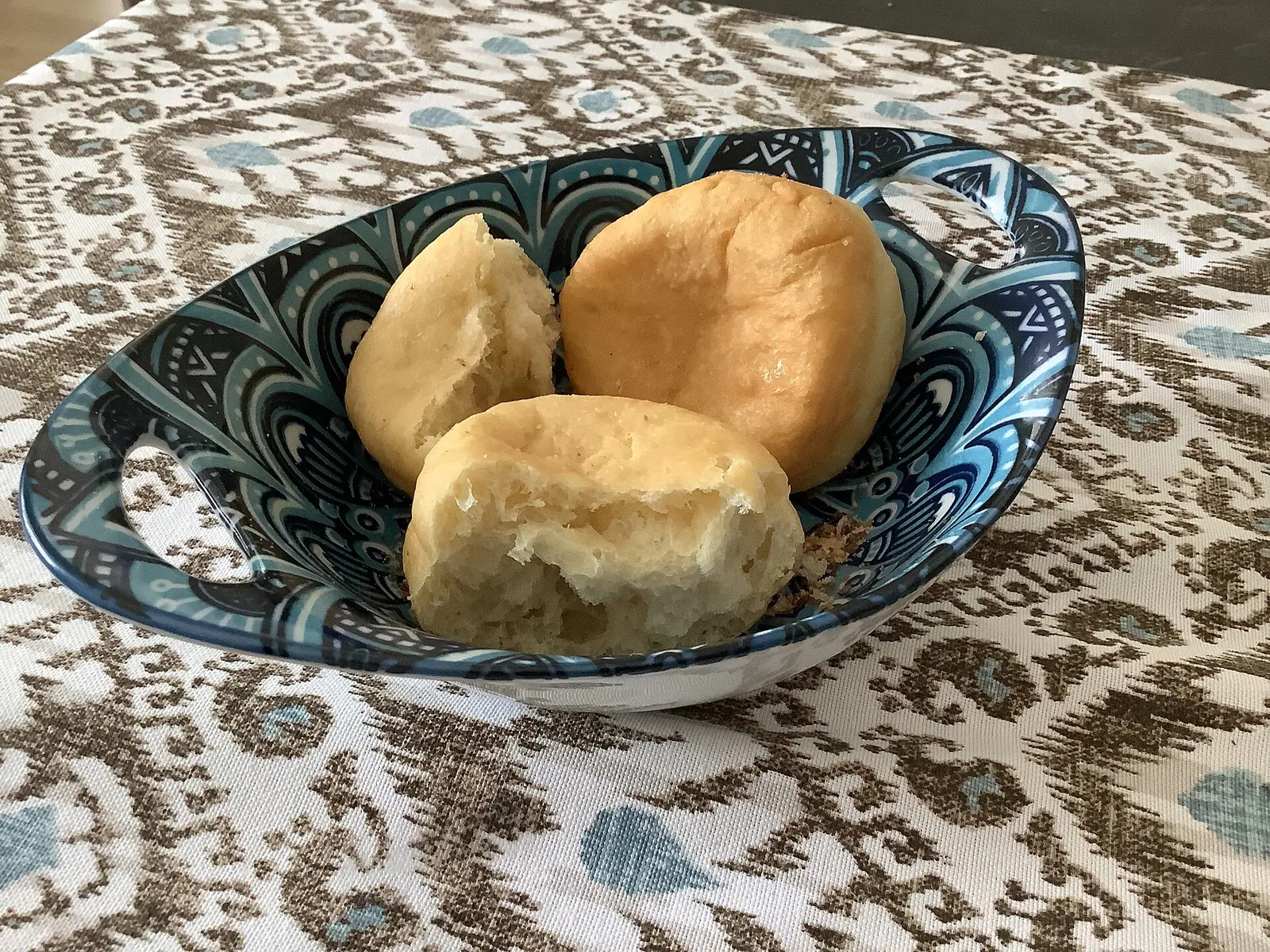
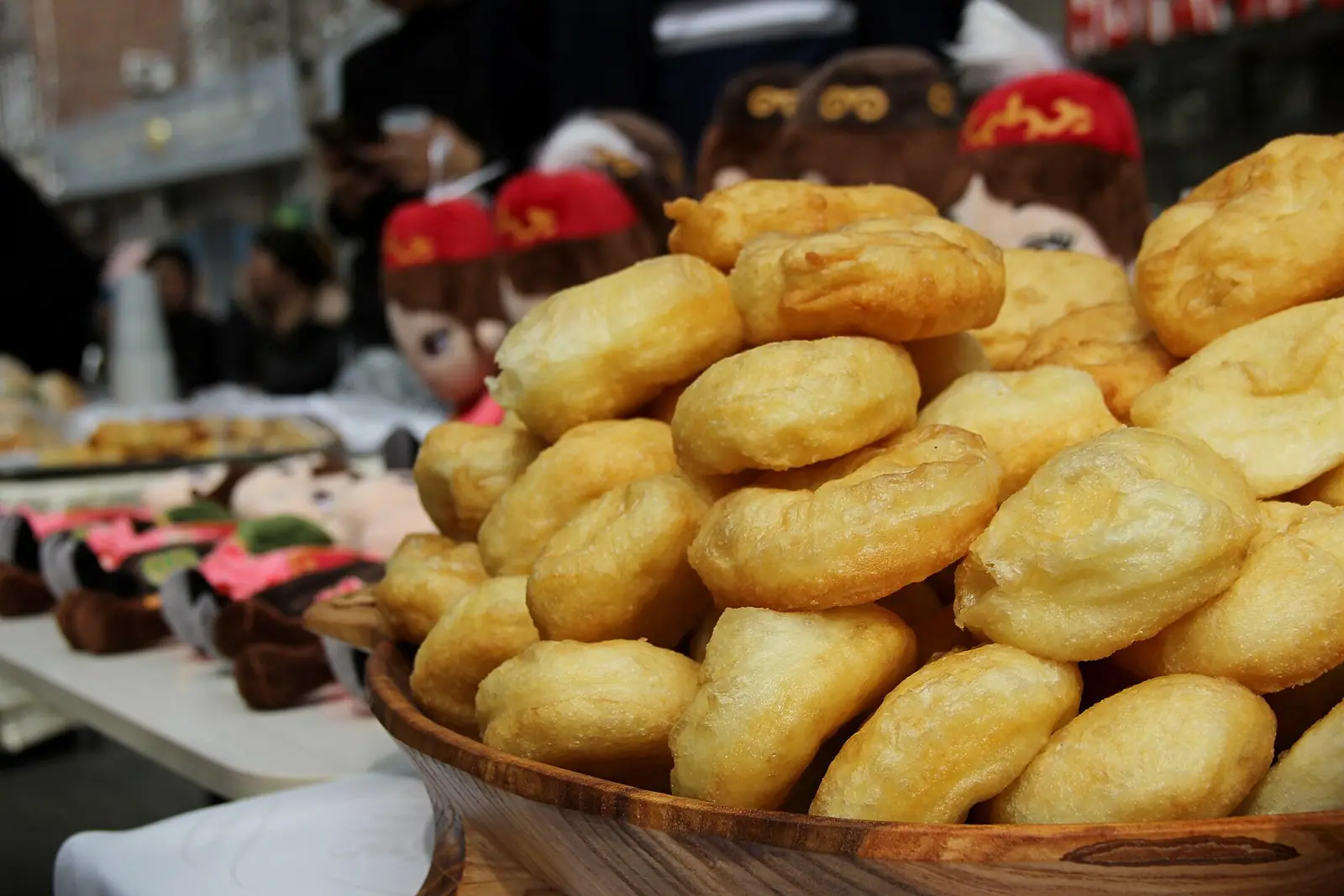
| Flatbread culture, incl. katyrma (multinational) | 2016 |
| Nauryz (multinational; Kazakhstan since 2016) | 2016, extended 2024 |
| Asyk games | 2017 |
| Horse breeders’ spring rites; heritage of Korkyt Ata | 2018 |
| Togyz kumalak board game | 2020 |
| Orteke puppetry; Kozhanasyr anecdotes | 2022 |
| Falconry (24 countries) | latest revision 2021 |
| Betashar wedding rite | 2024 |
Several of these link directly to things you can buy, from a dombra to felt and asyk knucklebones. What you can take home, and what you cannot export, is covered in Kazakhstan souvenirs.
- Rules often quoted online, such as never placing bread upside down or stepping on a yurt’s threshold, are not in UNESCO’s or the national heritage list’s descriptions, and we found no academic source for them.
- We did not find a verifiable source on how to address elders (aga, apa, ata).
Frequently asked questions
How do you greet someone in Kazakhstan?
What is the tor in a Kazakh home?
Is it rude to refuse food in Kazakhstan?
Why do Kazakhs only half-fill a tea cup?
What happens with the sheep's head at a Kazakh meal?
What should I bring when visiting a Kazakh family?
Which Kazakh traditions are on the UNESCO list?
What is Kazakh traditional clothing?
Sources
- UNESCO: intangible heritage of Kazakhstan
- UNESCO: Kyrgyz, Kazakh and Karakalpak yurts (2025)
- UNESCO: Betashar, traditional wedding ritual (2024)
- e-history.kz: Kazakh etiquette, after A. B. Kalysh (Russian)
- Meirmanova G. A., Bulletin of KazNU, History series, 2024, No. 4 (115)
- National Museum of Kazakhstan: national ICH list, bas tartu (sheep's head)
- National Museum of Kazakhstan: shashu
- National Museum of Kazakhstan: tusau keser
- National Museum of Kazakhstan: kokpar
- National Museum of Kazakhstan: shapan and kamzol
- gov.kz (digital-nauryz): inside a yurt, 20 Mar 2026 (Kazakh)
- The Astana Times: sarqyt, 22 Dec 2024
Read also
 Almaty to Issyk-Kul: routes via Korday or Kegen, distance and border
 Kazakhstan border crossings: which ones foreigners can use
 Kazakhstan time zone: one zone, UTC+5, since 1 March 2024
 What to buy in Kazakhstan: souvenirs and export rules
 Accessible nature in Kazakhstan: wheelchairs, strollers and older travellers
 Almaty mountain weather: temperatures by altitude and month