Verified: 2026-11
Ticks, snakes and bears in Kazakhstan in photos
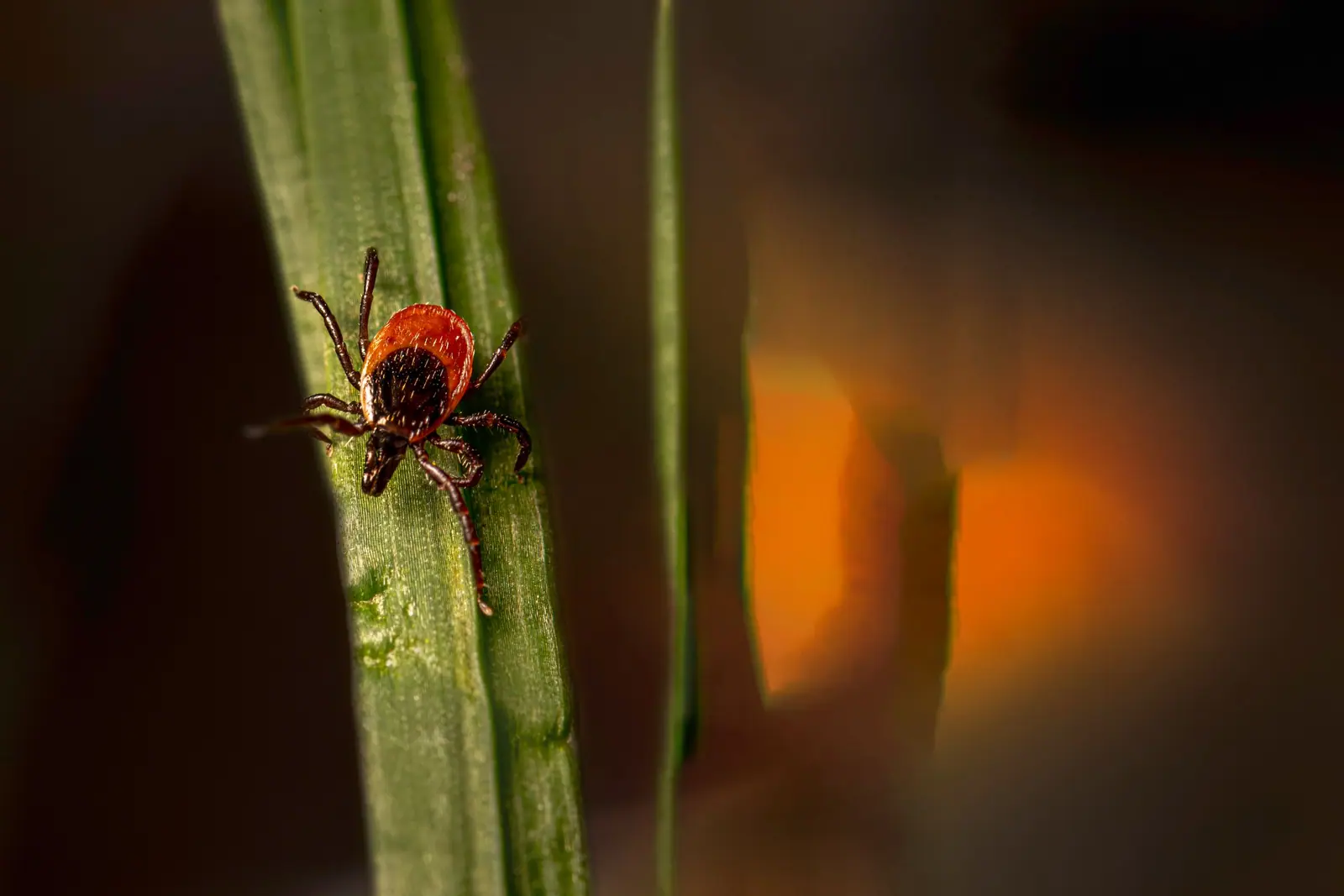
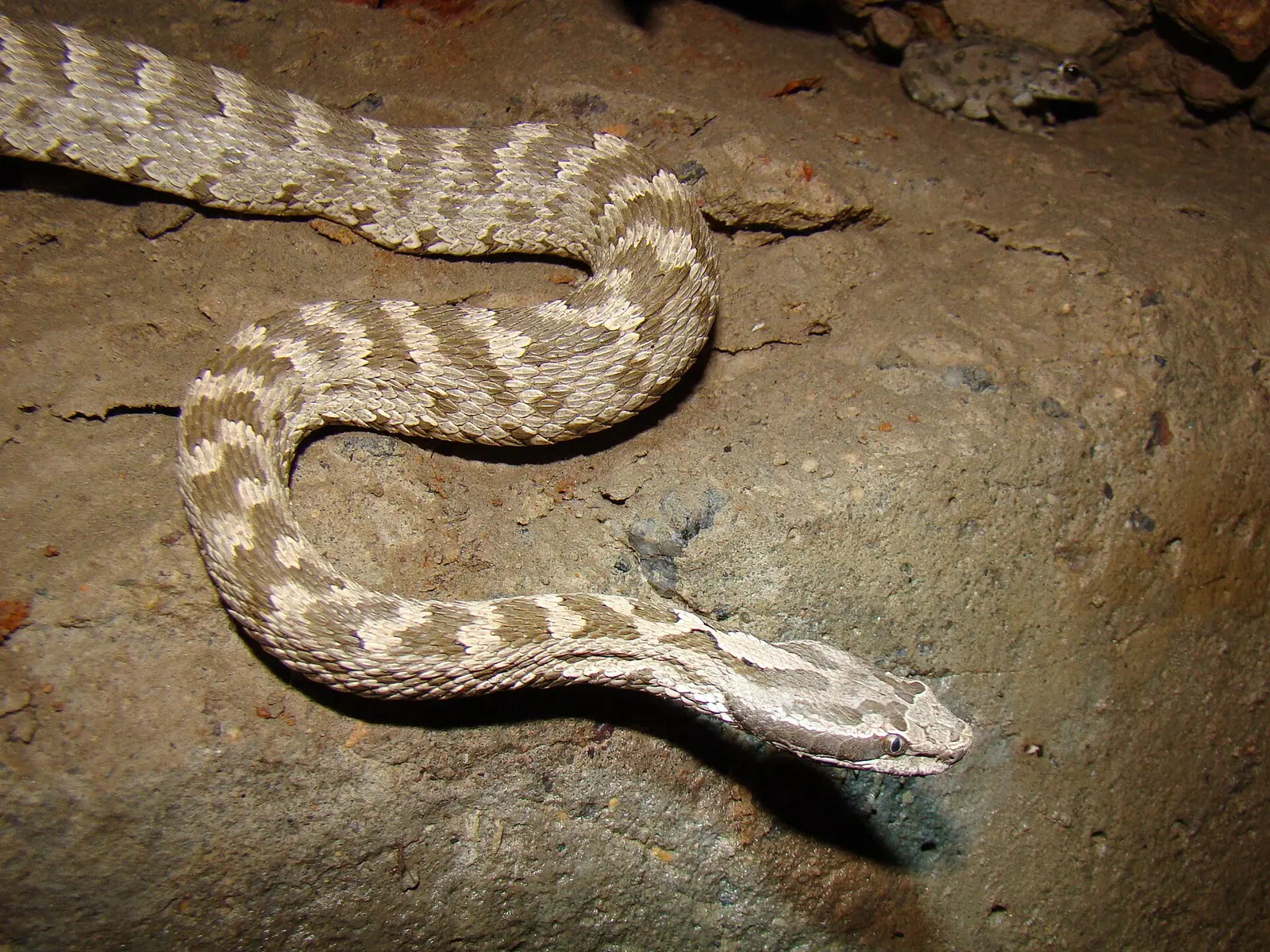
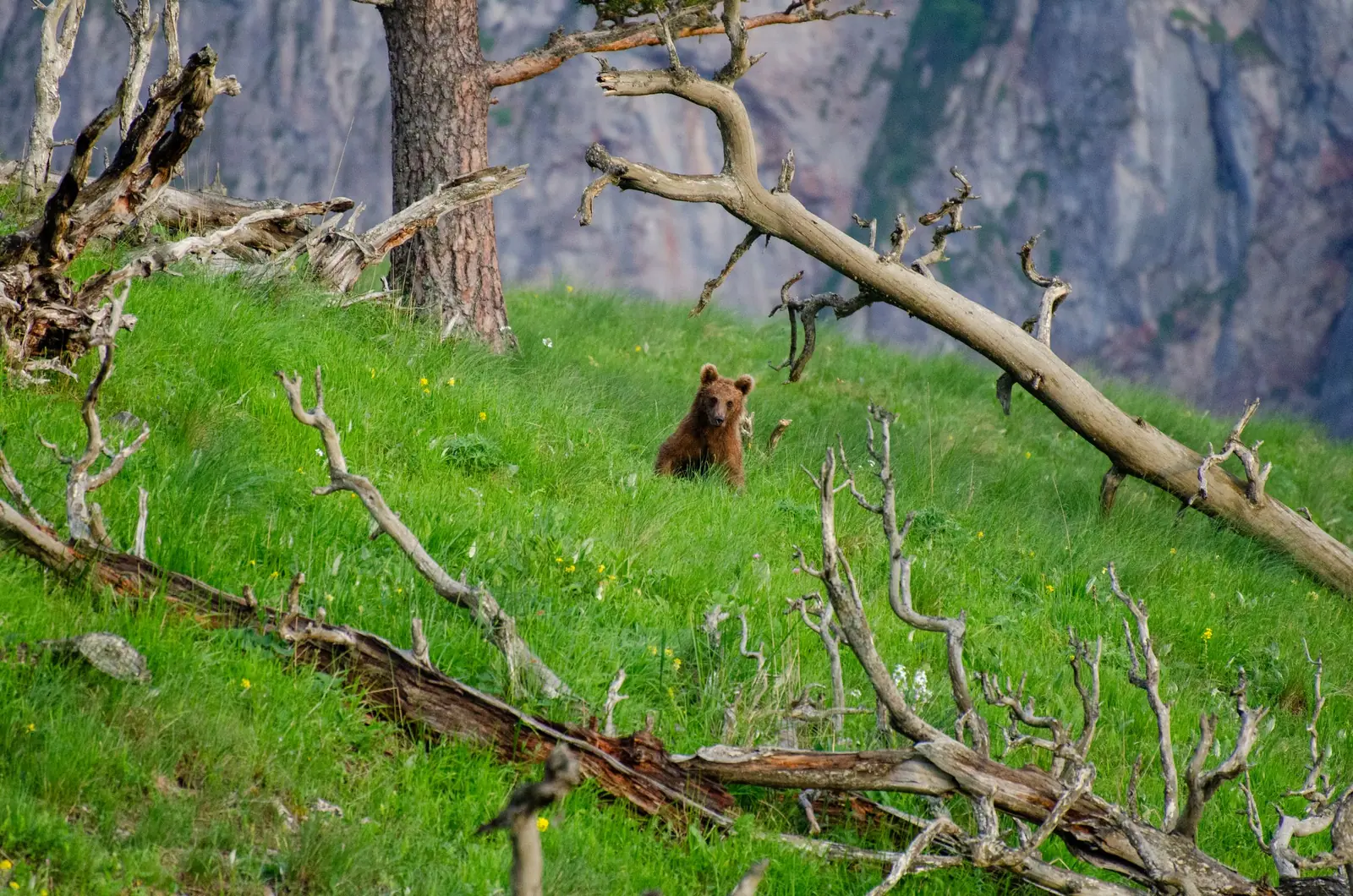
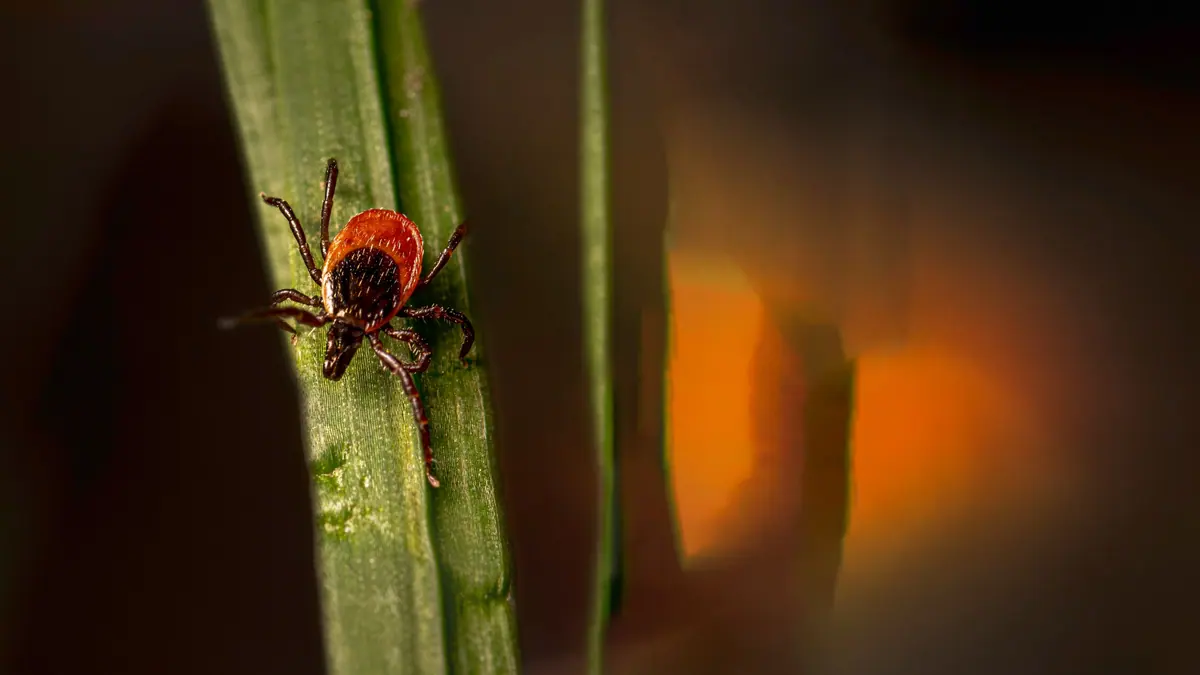
Real photos by travellers (Pexels, Unsplash, Wikimedia Commons); author and licence are given in each caption.
Ticks in Kazakhstan are the trail risk with real numbers, and the one you should prepare for at home. Almaty’s surroundings are an endemic area, according to the city’s sanitary department. By 18 May 2026 the city had recorded 2 cases of tick-borne encephalitis (TBE); both people were unvaccinated and were bitten in Almaty region.
The decision to make before you fly is the vaccine, because the course takes weeks. On the trail the job is simpler: cover up, check your body each evening, and see a doctor within days of any bite.
Almaty Sanitary Department via Zakon.kz, 19 May 2026; Zhetysu Sanitary Department, 21 May 2026.
Almost half of the Almaty cases and half of those in Zhetysu were children under 14, so check children first.
Where and when ticks are active
Spring and early summer in the mountains and forests of the east and north carry the most risk.
| Source | Season | Area |
|---|---|---|
| Kazakhstan health ministry, 2023 | March to June, to August in the east and north | Almaty and East Kazakhstan regions first |
| Zhetysu department, 2026 | April to September, peak May and June | 5 districts plus Taldykorgan and Tekeli |
| Canada, 2026 | April to November | Parts of the country |
| TravelHealthPro | Early spring to late autumn | Also Akmola, Kostanay, Karaganda, North Kazakhstan |
Almaty had its first 2026 bite reports in early March. The city’s monitoring routes run through the Butakovka, Medeu, Alma-Arasan and Karagaily gorges, so assume ticks on spring walks such as Butakovka. Almaty’s lab found 4 infected ticks out of 187 tested, including ticks removed from people. The Zhetysu department reports no TBE cases since 2022 despite 23.6% more bites.
Vaccine: decide before you travel
TBE vaccine is the measure Almaty’s health officials rate highest. Kazakhstan’s planned programme covers people who work in natural foci such as foresters and hunters; we could not confirm how a foreign visitor would get a dose there.
The CDC schedule for TICOVAC at 16 or older is dose 2 at 14 days to 3 months after dose 1, and dose 3 at 5 to 12 months after dose 2. A full course will not fit a short lead time, so ask a travel clinic what makes sense for your dates. See also our health page for insurance and payment.
After a bite
Go to a medical point straight away, with no waiting for symptoms. A doctor decides on immunoglobulin after examining you.
- Time limit: no later than 4 days (Almaty) or within 3 days (Zhetysu). Use 3.
- In Almaty: five trauma points give emergency care. Call 103 or 112 for the nearest one, and have a Russian or Kazakh speaker help if you can.
- Do not crush the tick: the Zhetysu department says infection can happen that way.
- Watch for illness: the same department describes acute onset 10–20 days after a bite.
Raw milk matters too. Health authorities say TBE can pass through unboiled goat and cow milk and products made from it, which is relevant if you stay with herders on a summer pasture.
Clothing and checks that cost nothing
Wear closed, light-coloured clothing and a hat, use a tick repellent, and check skin, hair, bags and pets after every walk. Keep off ground with signs about tick spraying; Zhetysu asks people to stay away for the first 3 days. The CDC also lists Crimean-Congo haemorrhagic fever as spread by ticks; we found no figures for tourist areas.
Snakes: little data, one old leaflet
The only emergencies ministry statement we could open dates from 2015. It counts 19 snake species, 6 venomous, 5 dangerous to people: steppe and common vipers, Pallas’s pit viper, saw-scaled viper and blunt-nosed viper. They live in steppe, semi-desert, scree, mountain forest and near water, which covers Charyn and Mangystau.
If bitten, keep the limb still and get to hospital; call 112. The ministry and the CDC agree on not cutting the wound. The CDC also says not to use a tourniquet and not to suck out venom, while the 2015 leaflet advises suction. We follow the CDC on that point and have found no newer Kazakh guidance.
Bears: rare, protected, and drawn by rubbish
The Tien Shan brown bear is in Kazakhstan’s Red Book and lives near Almaty and in the Dzungarian Alatau. In the Almaty Reserve a camera caught the first bear of 2026 on 13 March; Bes.media gives a range of 1,200–3,500 m.
Kolsai Lakes park has one instruction for visitors: keep a safe distance and do not disturb the animal. A zoologist quoted by Caravan calls attacks isolated and says bears come lower because of what people leave behind, so pack out food and rubbish, especially at a campsite. He gives advice for a close encounter in that interview; it is a scientist’s view and no government guidance we found covers it.
Frequently asked questions
Do I need a tick-borne encephalitis vaccine for Kazakhstan?
How long do I have after a tick bite?
Can I get seen for a tick bite as a tourist?
Are there bears on the trails near Almaty?
Sources
- Zakon.kz: ticks and encephalitis in Almaty, 19 May 2026
- Azattyq Rýhy: two encephalitis cases in Almaty, 19 May 2026
- Zhetysu Sanitary Department: tick-borne encephalitis, 21 May 2026
- Informburo: tick bites, health ministry data, 4 May 2023
- TravelHealthPro: Kazakhstan
- CDC: Kazakhstan, reviewed 25 Aug 2026
- CDC Yellow Book: Tick-borne encephalitis
- CDC NIOSH: Venomous snakes
- Government of Canada: Travel advice, Kazakhstan, 15 Oct 2026
- Zakon.kz: venomous snakes, emergencies ministry, 10 Jul 2015
- Kazpravda: bears in Kolsai Lakes park, 28 Apr 2025
- Caravan: a zoologist on bears, 24 Apr 2025
- Bes.media: first bears after hibernation, 30 Mar 2026
Read also
 Almaty to Issyk-Kul: routes via Korday or Kegen, distance and border
 Kazakh culture and customs: what visitors should know
 Kazakhstan border crossings: which ones foreigners can use
 Kazakhstan time zone: one zone, UTC+5, since 1 March 2024
 What to buy in Kazakhstan: souvenirs and export rules
 Accessible nature in Kazakhstan: wheelchairs, strollers and older travellers