Verified: 2026-11
What to buy in Kazakhstan in photos
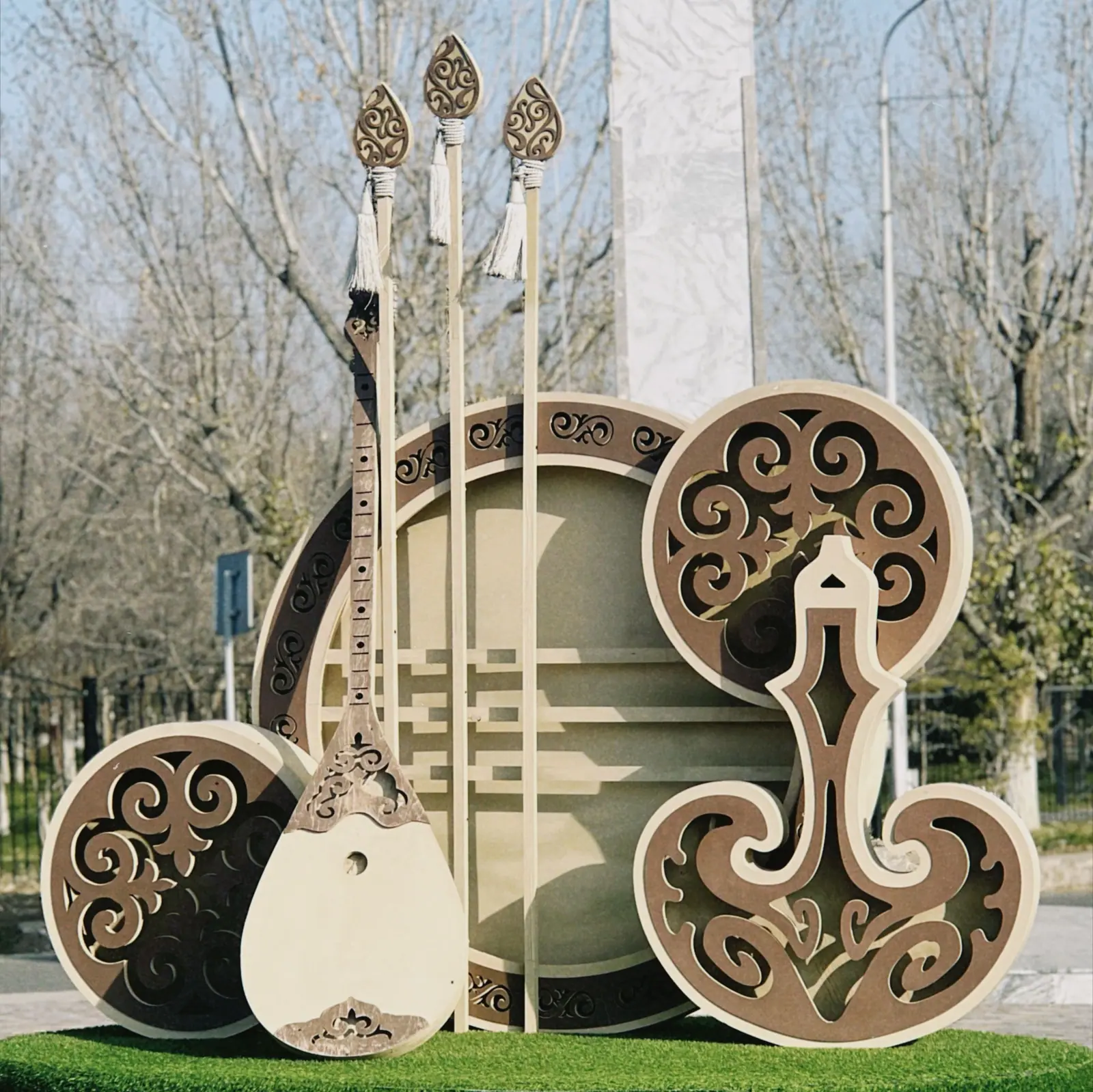
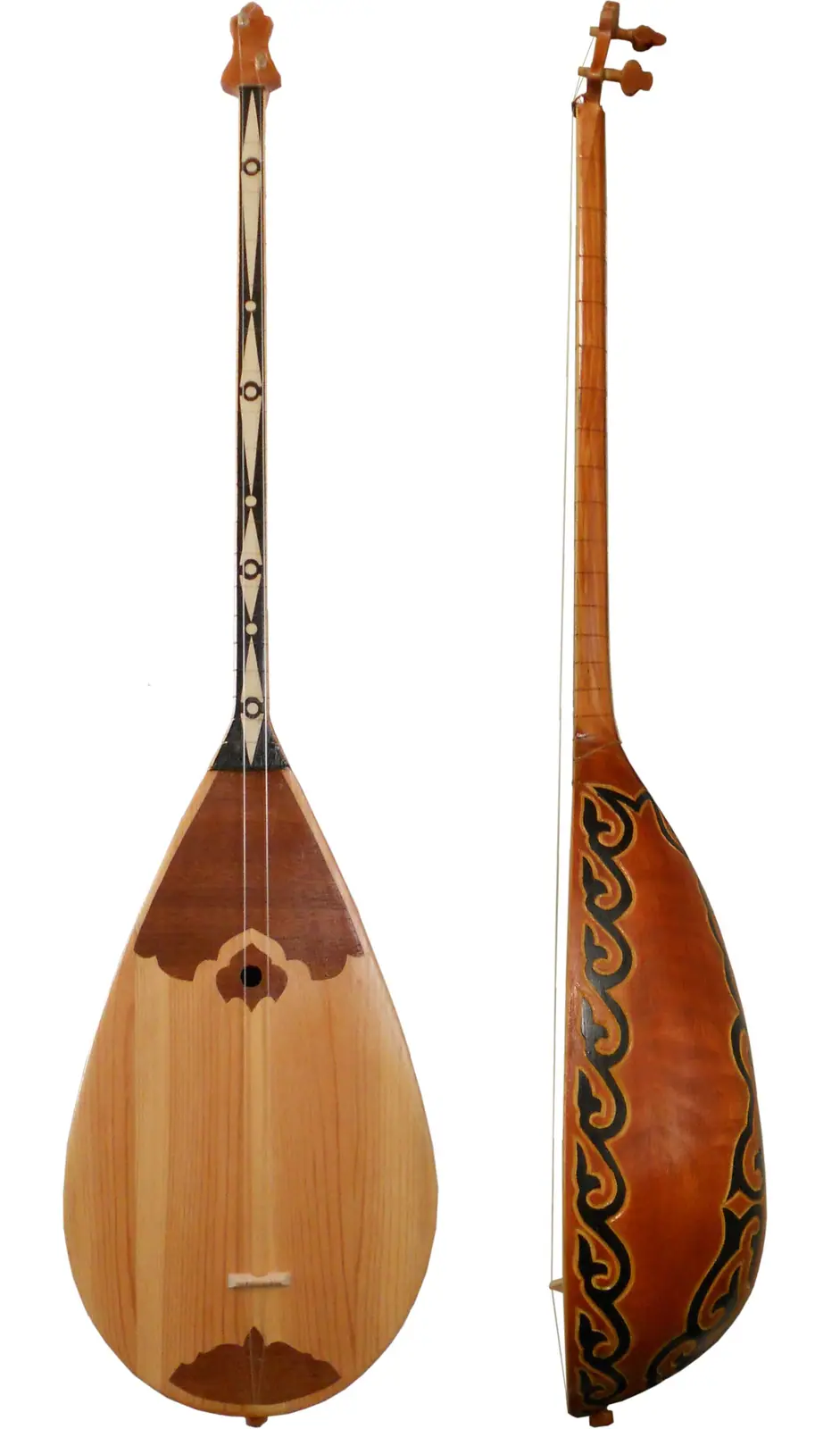
Real photos by travellers (Pexels, Unsplash, Wikimedia Commons); author and licence are given in each caption.
Buy crafts, not antiques, and keep your cash under USD 10,000. That covers most of what a visitor needs to know about souvenirs from Kazakhstan. New handmade goods can go home with you freely. Old objects, wild plants and animal parts, and large sums of foreign cash are where the rules start, and food is mostly a question for the customs of the country you fly to.
What to buy
These are crafts with a documented tradition behind them.
| Item | What it is | Heritage link |
|---|---|---|
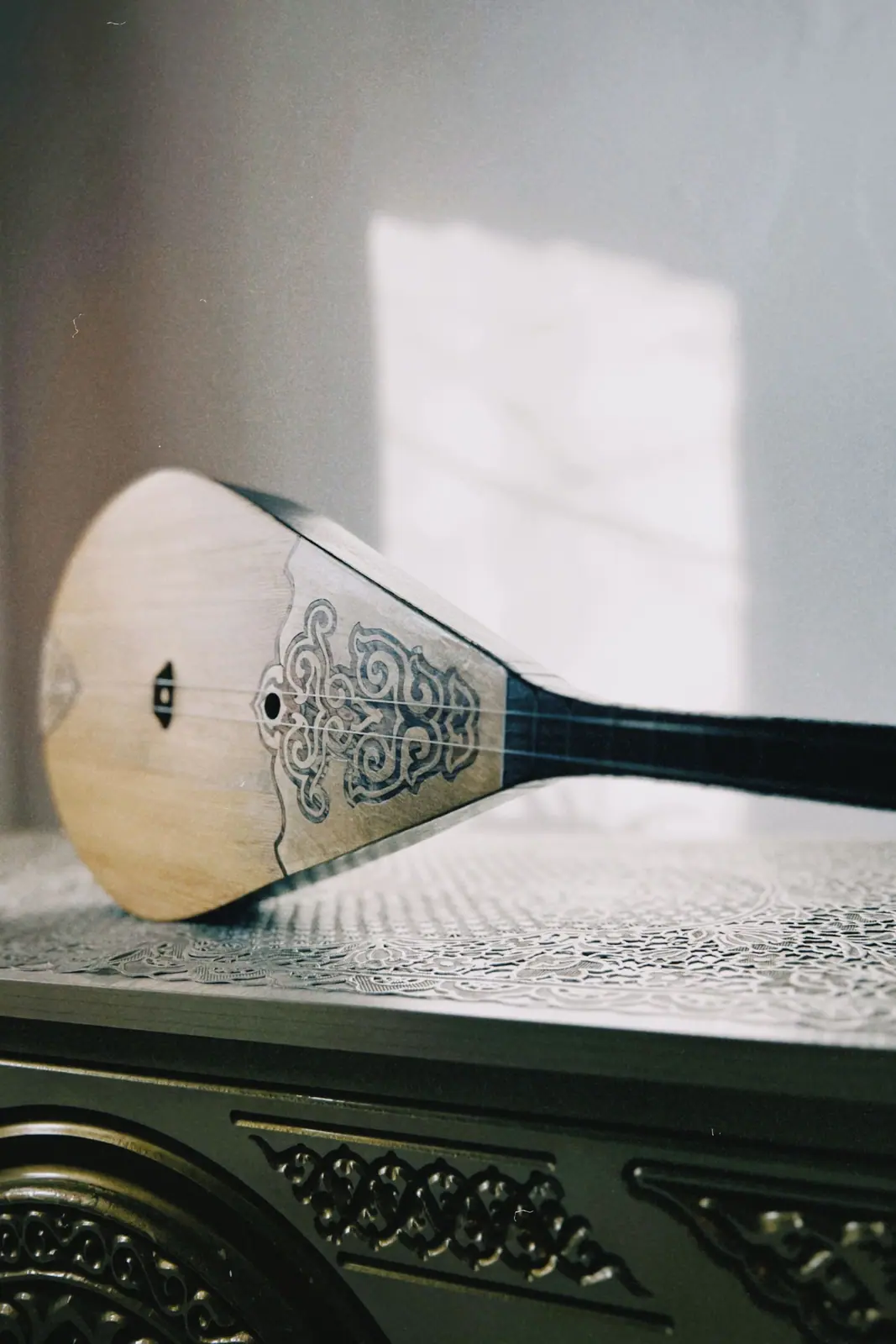
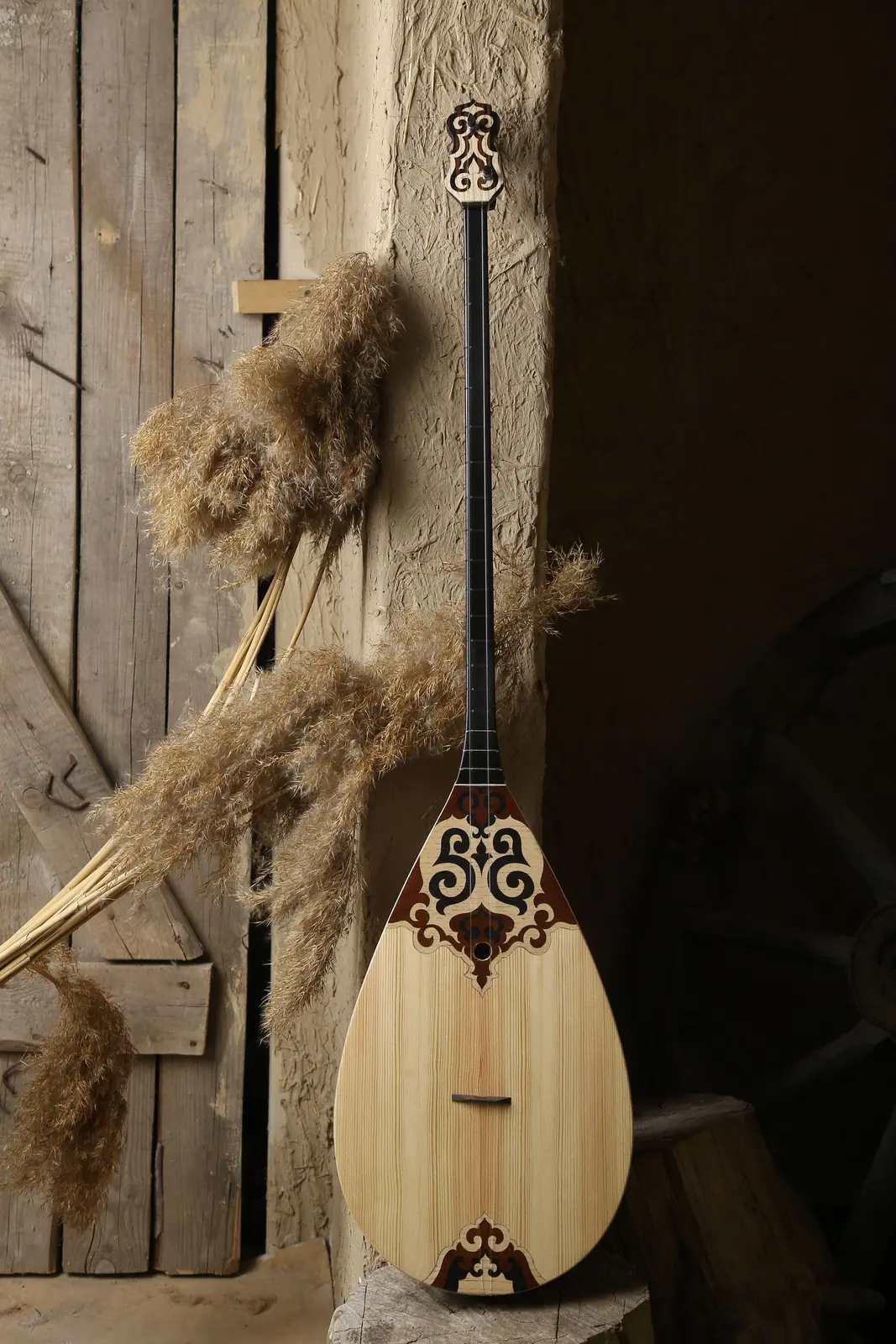
| Dombra | pear-shaped, long-necked two-string lute, made of pine, mulberry, maple or oak from about 35 parts | dombra kuy music, UNESCO list since 2014 |
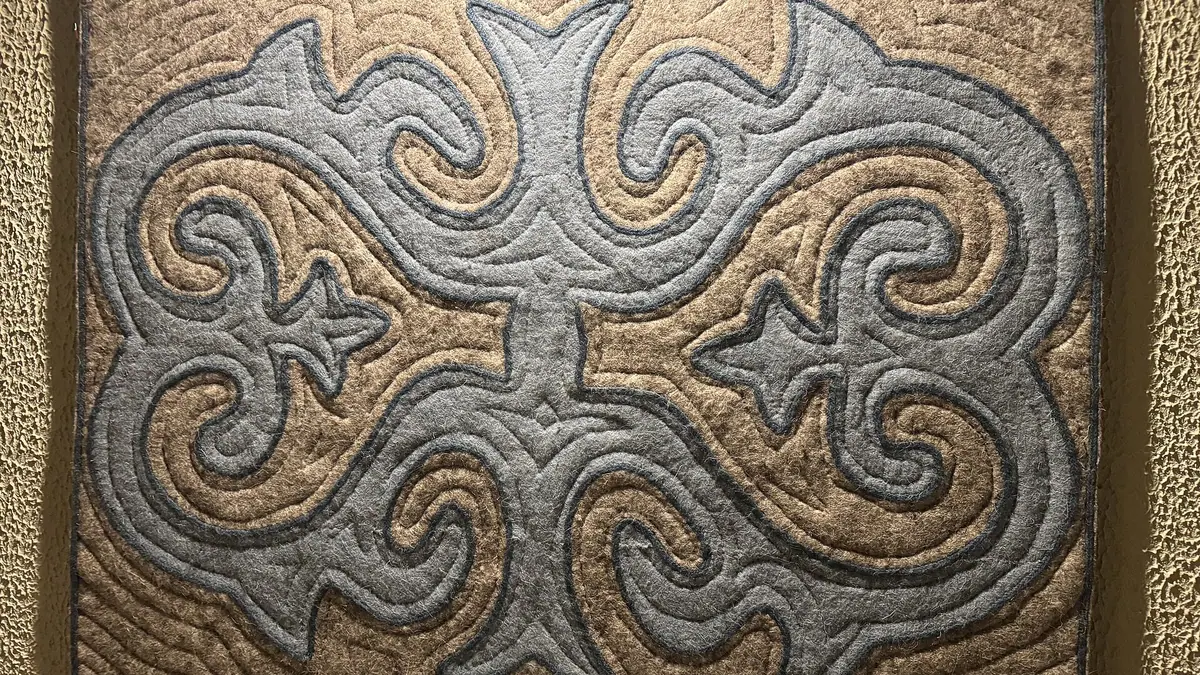
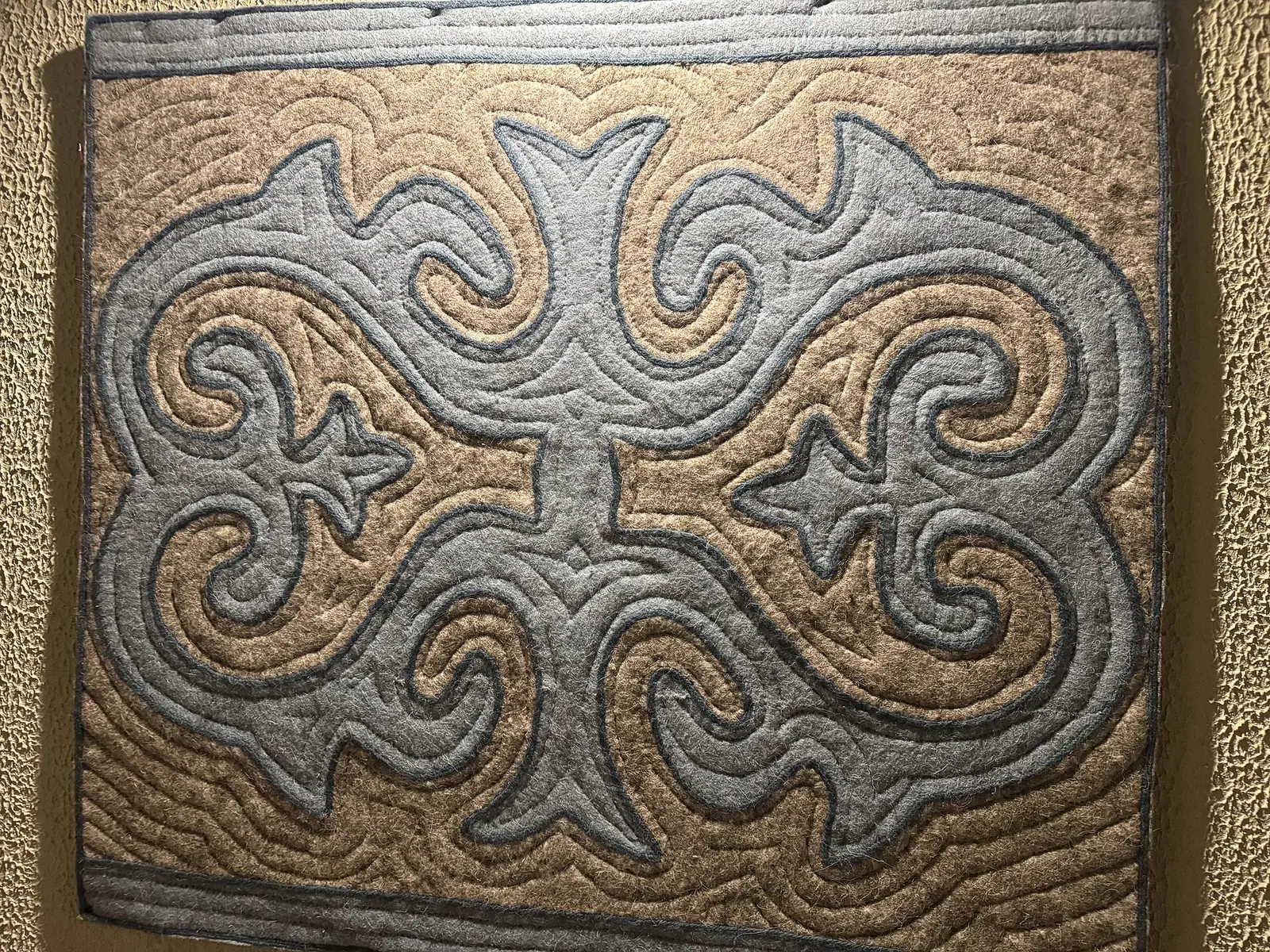
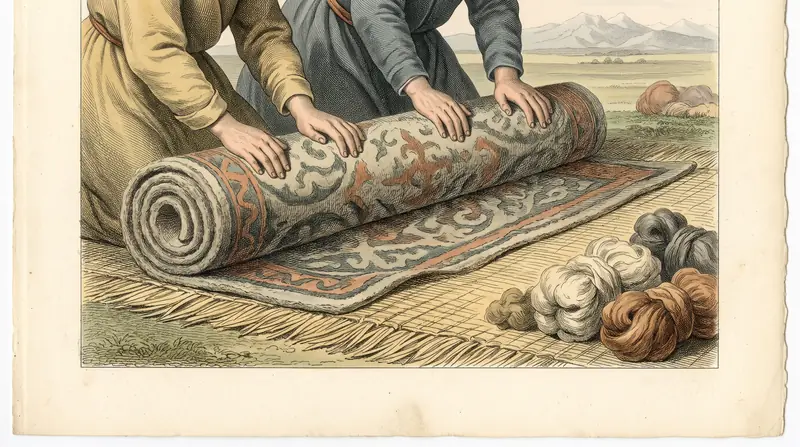
| Tekemet | felted rug with ornament | yurt felt-making, UNESCO 2014, extended 2025 |
| Syrmak | felt rug made with an inlay technique | as above |
| Alasha | woven rug of joined strips | carpet weaving, national heritage list |
| Shapan | long robe; giving one to a respected person is a common custom | national heritage list |
| Kamzol | decorated sleeveless summer jacket | national heritage list |
| Leather goods, jewellery, kalpak felt hat | traditional leatherwork, jewellery and headwear | national heritage list |
| Asyks | knucklebones for a traditional game | asyk games, UNESCO list since 2017 |
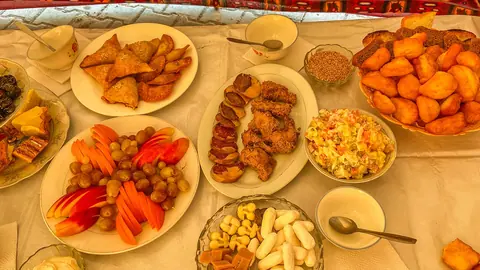
A shapan carries a clear message in Kazakhstan: it is what you give someone you honour. If you are visiting a family, our guide to Kazakh customs explains the etiquette around gifts and meals.
Almaty’s Green Bazaar sells textiles, spices and antiques among much else. The antiques are exactly what the next section is about.
What you cannot take out
| Item | Allowed? | What you need |
|---|---|---|
| New crafts | yes | keep the receipt |
| Art bought directly from the artist | yes | receipt or contract (Law on Culture, Art. 35.3) |
| Items over 100 years old of special value, stamps over 50 years old, coins other than tenge | no, temporary export only | certificate for temporary export |
| Bladed weapons 50+ years old | only with permit | export permit plus weapons clearance |
| Foreign cash | up to USD 10,000 equivalent per person | anything above is banned, even if declared |
| Wild plants and animals, Red Book species | only with licence | licence from the Forestry and Wildlife Committee |
| Saiga horn | only within the CITES system | CITES permits |
Antiques
Kazakhstan’s Law on Culture bans the export of cultural property except for temporary purposes such as exhibitions or restoration. It defines cultural property to include old objects over 100 years old of special value, stamps issued 50 or more years ago and coins other than the national currency.
According to a 2023 explainer on Zakon.kz, an expert commission under local authorities issues either a certificate for temporary export (up to six months) or an opinion that an item is not cultural property, free of charge through the egov portal. If a market stall offers you an old carpet or coin, do not assume you can take it home without that paper. For “antique-style” pieces, ask for a receipt showing the item is new.
Cash
You may take out foreign cash worth up to USD 10,000 per person at the National Bank rate on the day you leave (Presidential Decree No. 830 of 14 March 2022, as explained by the State Revenue Committee). Eurasian Economic Union customs rules allow larger sums with a declaration, but Kazakhstan’s decree is stricter: declaring does not make an excess legal. The limit applies to each traveller, children included. More on cards, cash and the tenge is on our money page.
Plants, horns and hides
Exporting wild animals, wild plants, medicinal raw materials or Red Book species requires a licence from the Forestry and Wildlife Committee (Order No. 187), with a fee of 10 MCI. Strictly, that includes tulips picked on the steppe or roots dug up in the mountains. Protected species are listed on our Red Book plants page.
Saiga horn deserves a special mention. In December 2025 CITES lifted the zero export quota for horns from Kazakhstan’s population, but trade is allowed only with marking and CITES permits (Forbes Kazakhstan). Without them, exporting horn is illegal, and we found no lawful way for a tourist to buy it.
Food: kurt, kazy, kumys and honey
We found no Kazakh rule specifically stopping tourists from taking kurt, kazy or honey out. The real limit is the destination.
- EU: travellers from outside the EU cannot bring in meat or dairy, so kazy (horse sausage) and kurt (dried sour-milk curd) are out. Honey is allowed up to 2 kg and fish up to 20 kg (EU Regulation 2019/2122).
- Elsewhere: check your country’s customs or agriculture authority before you buy.
What these foods are, and how they are eaten, is explained in our Kazakh food guide.
Tax-free shopping
Since 2026 Kazakhstan has run a pilot VAT refund scheme for tourists (Finance Minister’s Order No. 363 of 4 June 2026).
| Rule | Detail |
|---|---|
| Who | citizens of countries outside the Eurasian Economic Union (so not Russia, Belarus, Armenia or Kyrgyzstan) |
| What | non-food goods not subject to excise |
| Minimum receipt | 10 MCI |
| Where | participating shops in 16 cities, including Almaty, Astana, Shymkent and Turkistan, and in Burabay |
| Leaving | through an airport, with a customs stamp or electronic mark |
| Refund | VAT minus the operator’s fee, which is capped at 20% of the VAT |
| Deadline | within 3 months of the purchase, not counting the month of purchase |
The order sets no end date for the pilot.
- Age thresholds for every category of cultural property in the Eurasian Economic Union list: we did not open that section.
- Which authority currently issues export opinions for cultural property: we only have a 2023 press explainer.
- The end date of the tax-free pilot.
Frequently asked questions
What are the best souvenirs from Kazakhstan?
Can I take kurt or kazy home to the EU or UK?
How much cash can I take out of Kazakhstan?
Can I export antiques from Kazakhstan?
Is there tax-free shopping in Kazakhstan?
Can I buy a painting from an artist and take it home?
Can I take a knife or old blade out of Kazakhstan?
Sources
- Law of Kazakhstan No. 207-III of 15 Dec 2006 on Culture, as amended 6 Sep 2026 (Russian, mirror)
- Eurasian Economic Commission: rules on export of cultural property, Annex 8 to Decision No. 30 of 21 Apr 2015 (Russian)
- Zakon.kz: why art cannot be exported from Kazakhstan, 21 Nov 2023 (Russian)
- State Revenue Department, East Kazakhstan: cash export limit, 11 Aug 2025 (Russian)
- Order No. 187 of 12 Aug 2020 on wildlife export licences, as amended 12 Jul 2026 (Russian, mirror)
- Forbes Kazakhstan: Kazakhstan allowed to trade saiga horn, 6 Dec 2025 (Russian)
- European Commission: personal imports of animal products
- Finance Minister's Order No. 363 of 4 Jun 2026, VAT refund pilot (Russian, mirror)
- UNESCO: Kazakh traditional art of dombra kuy
- National Museum of Kazakhstan: dombra making
- National Museum of Kazakhstan: shapan and kamzol
Read also
 Almaty to Issyk-Kul: routes via Korday or Kegen, distance and border
 Kazakh culture and customs: what visitors should know
 Kazakhstan border crossings: which ones foreigners can use
 Kazakhstan time zone: one zone, UTC+5, since 1 March 2024
 Accessible nature in Kazakhstan: wheelchairs, strollers and older travellers
 Almaty mountain weather: temperatures by altitude and month