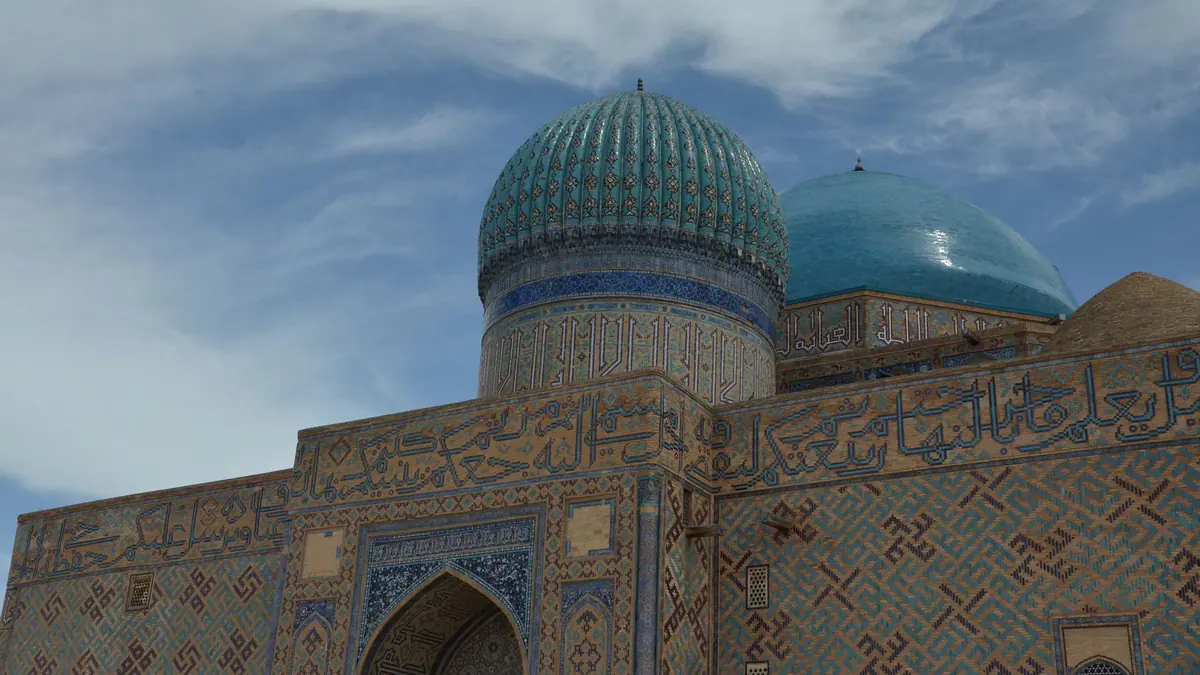
Visiting mausoleums and underground mosques in Kazakhstan in photos
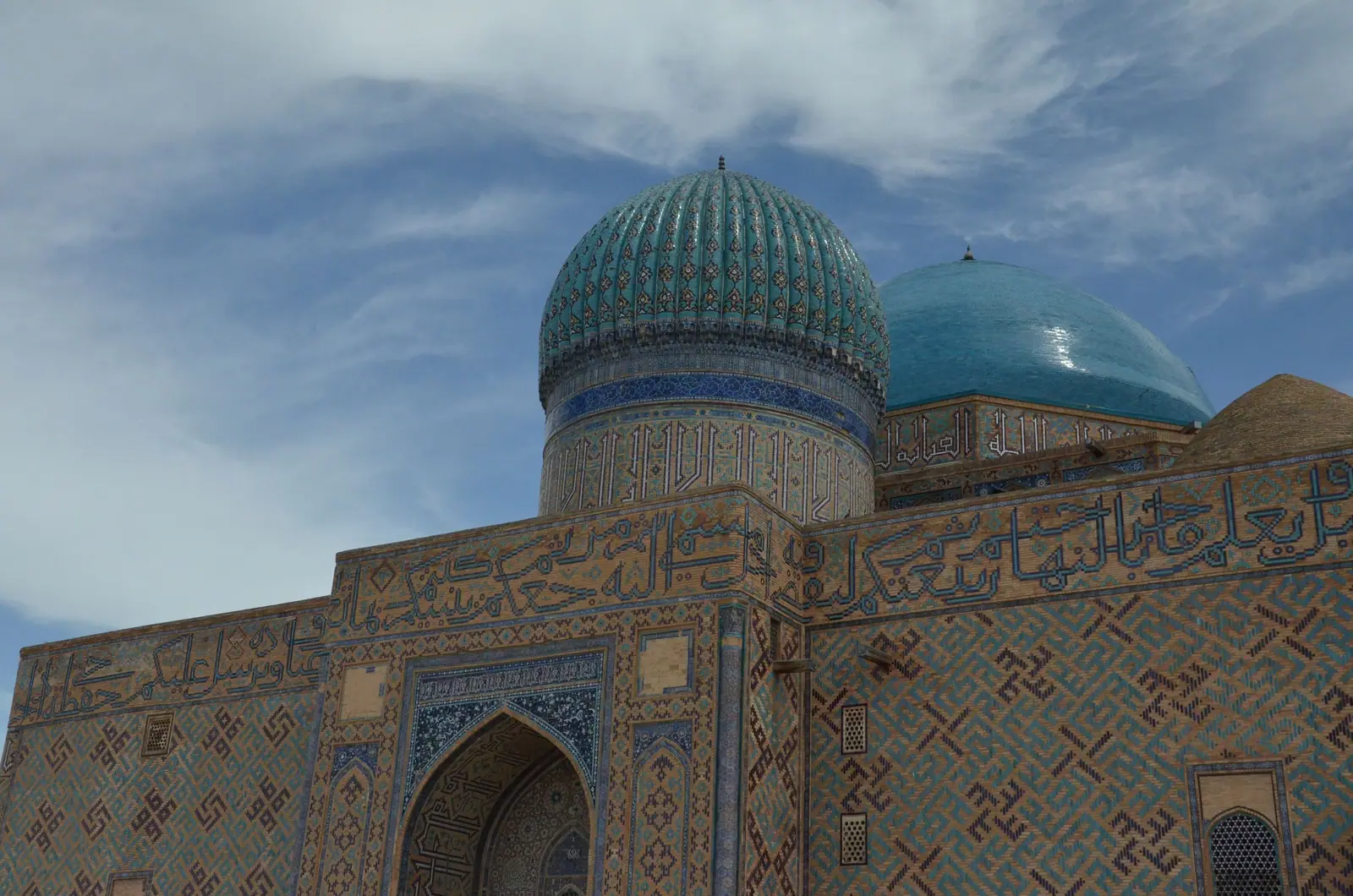
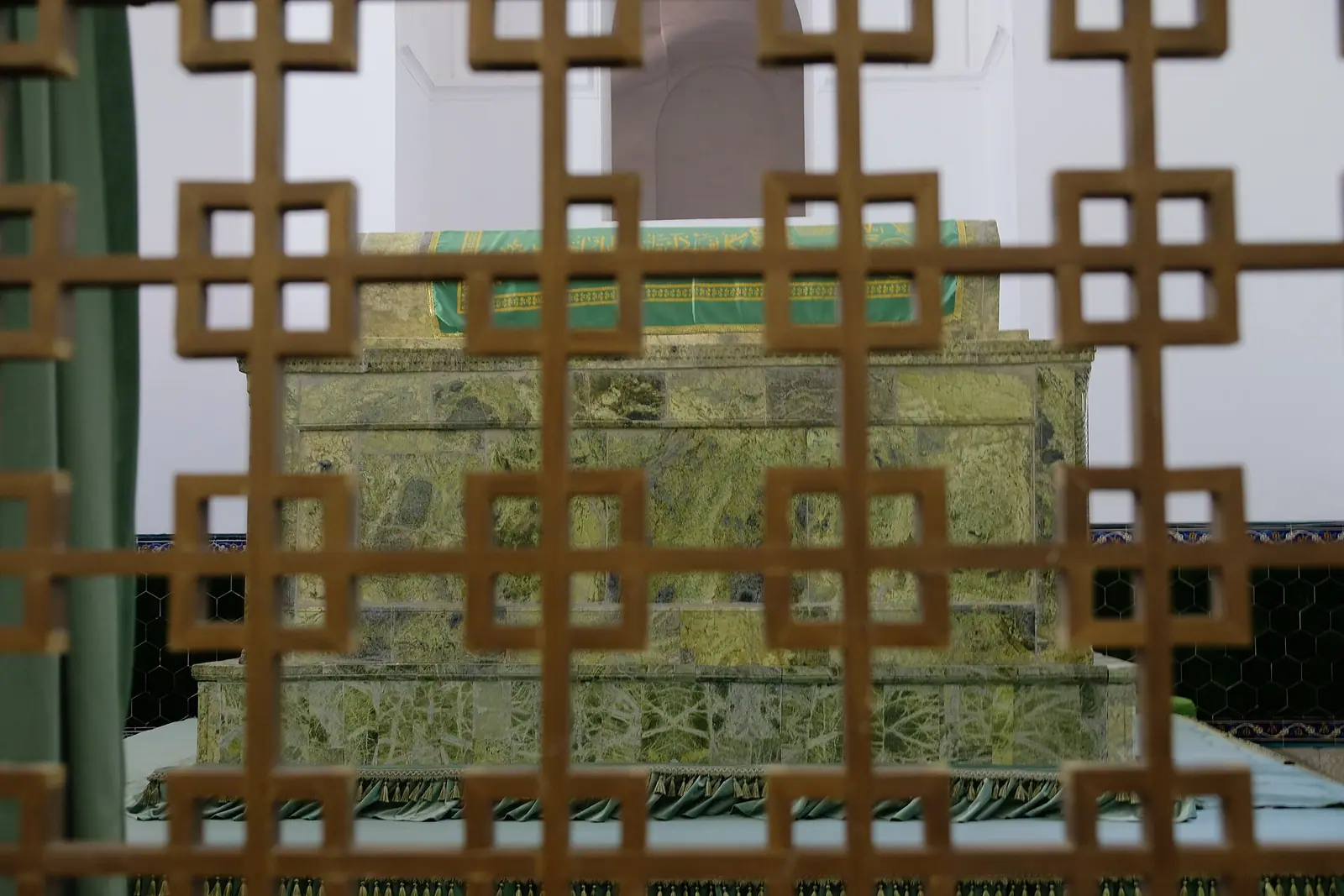
Real photos by travellers (Pexels, Unsplash, Wikimedia Commons); author and licence are given in each caption.
Mosque and mausoleum etiquette in Kazakhstan is documented for only a few sites, and the common thread is simple: cover up, keep quiet, and ask before filming. The most specific information covers the Yasawi Mausoleum in Turkestan and the Beket-Ata underground mosque. We found no single guide for visitors from the Spiritual Administration of Muslims of Kazakhstan.
For any other shrine, pack long clothes and a scarf and ask at the door. These are working places of pilgrimage as well as sights.
What is confirmed, site by site
Each line shows what a source says and when.
| Site | What is said | Source |
|---|---|---|
| Yasawi Mausoleum | Fenced site, turnstiles; ID, ticket and security check | Museum-reserve via Kazinform, 16 Feb 2026 |
| Yasawi Mausoleum | No shorts, shoulders covered, free headscarves at the entrance | Wikivoyage, undated |
| Mangystau underground mosques | Modest dress; women cover their heads before entering | Euronews, 7 Oct 2026 |
| Beket-Ata | Headwear for all: scarf for women, cap or hood for men | WeProject, 24 Jun 2026 |
| Beket-Ata | Separate women’s room; people leave rooms backwards | WeProject, 24 Jun 2026 |
| Beket-Ata | No photos or video inside | Tengrinews, 20 May 2020 |
The ID rule at Yasawi is the newest and comes from the site itself, so carry your passport. The dress notes come from guides and media.
What to pack
One set of clothes covers every description we read: long trousers or a skirt, a top that covers the shoulders, a scarf for women, and a cap or hood for men in Mangystau. Mangystau and Turkestan are hot in summer, so light, loose cover works better than shorts anyway. Beket-Ata is reached by a long staircase down the cliff, so wear shoes you can walk in.
The order of visits
Pilgrims follow an order at some sites, which we describe as tradition; no source presents it as a rule for tourists. WeProject gives the Mangystau order as Kuyeu Tam mausoleum, then Shopan-Ata, then Beket-Ata. In the south, pilgrims traditionally visit Arystan-Bab before Yasawi. For a wider view see sacred places. Everyday customs away from shrines, from greeting elders to behaviour in a yurt, are covered in Kazakh culture and customs.
Euronews reports basic free lodging and food at the Mangystau sanctuaries, with donations welcome. Remember that these are for pilgrims.
Photos and drones
Filming inside Beket-Ata is the clearest ban, reported by Tengrinews in 2020. Showcaves said otherwise in 2023 data; we follow the stricter version. Ask before photographing people at prayer, which is our suggestion and appears in no rulebook we read.
Kazakhstan’s Aviation Administration counts areas with mosques as densely populated, and flights there need a permit. See drones and photography.
Sites where we found no rules
Ask the caretaker at each of these. We could not confirm dress or filming rules for Arystan-Bab, Shopan-Ata, Aisha Bibi or Sairam, or any one code covering the country’s mausoleums.
City, historic and rock-cut mosques are listed together in mosques in Kazakhstan.
Frequently asked questions
What should I wear to the Yasawi Mausoleum?
Do I need my passport at the Yasawi Mausoleum?
Can non-Muslims visit these sites?
Sources
- Kazinform: control and security at the Yasawi Mausoleum, 16 Feb 2026
- Wikivoyage: Turkestan
- Euronews: Mangystau's rock-hewn mosques, 7 Oct 2026
- WeProject: sacred underground mosques of Mangystau, 24 Jun 2026
- Tengrinews: Beket-Ata underground mosque, 20 May 2020
- Showcaves: Beket Ata Underground Mosque, 2023
- Kursiv: Aviation Administration on drones, 2 May 2025
Read also
 Visiting the Aisha Bibi Mausoleum, a carved terracotta tomb outside Taraz
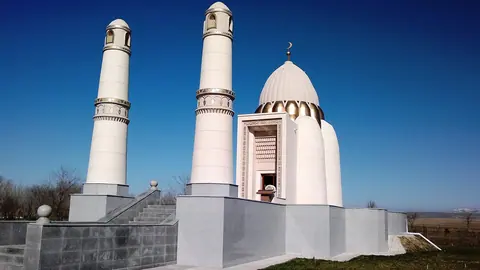 Domalak Ana Mausoleum, a revered shrine on the southern slope of the Karatau
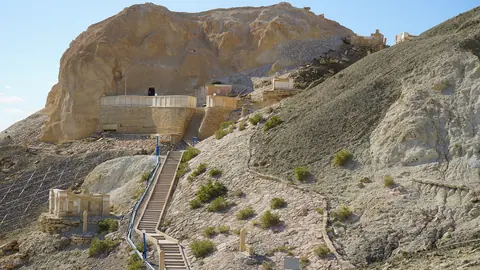 Beket-Ata underground mosque at Oglandy
- Sacred places of Kazakhstan and how to choose which to visit
- Mosques in Kazakhstan: which to visit and how to behave inside
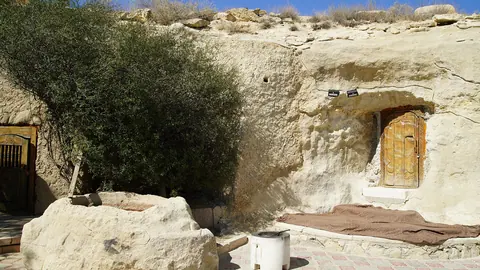 Shopan-Ata: a rock-cut mosque and old necropolis in Mangystau