Zhidebay: when to go, month by month
- January: off season
- February: off season
- March: off season
- April: possible
- May: good
- June: best time
- July: best time
- August: best time
- September: best time
- October: possible
- November: off season
- December: off season
Trips run from late April to late October, weather and roads permitting: frost gets in the way in winter.
Zhidebay: why go
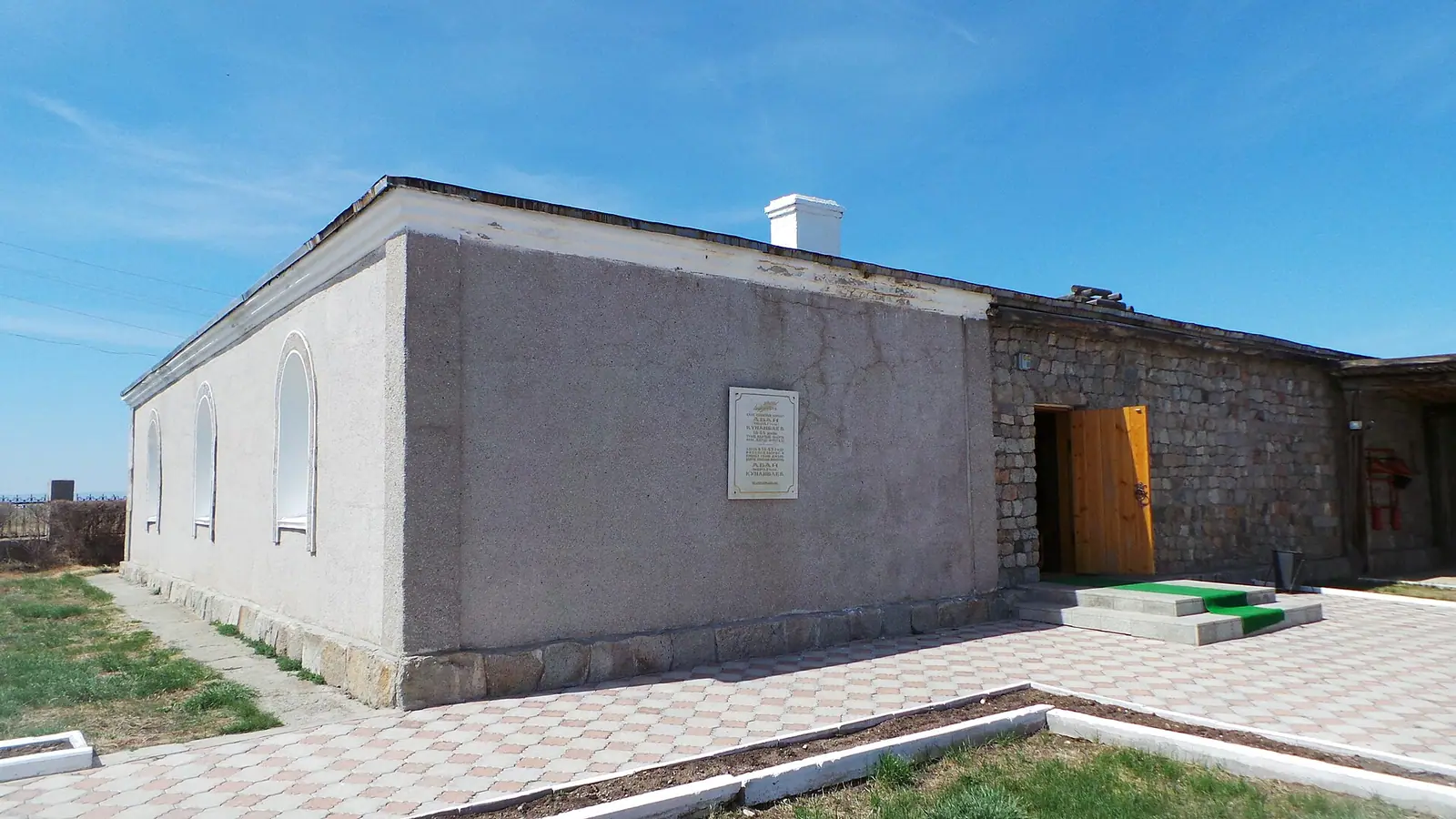
Abai's house at Zhidebay
Abai rebuilt the house in 1895, and it became a museum in 1945. The exhibition covers the last ten years of his life.
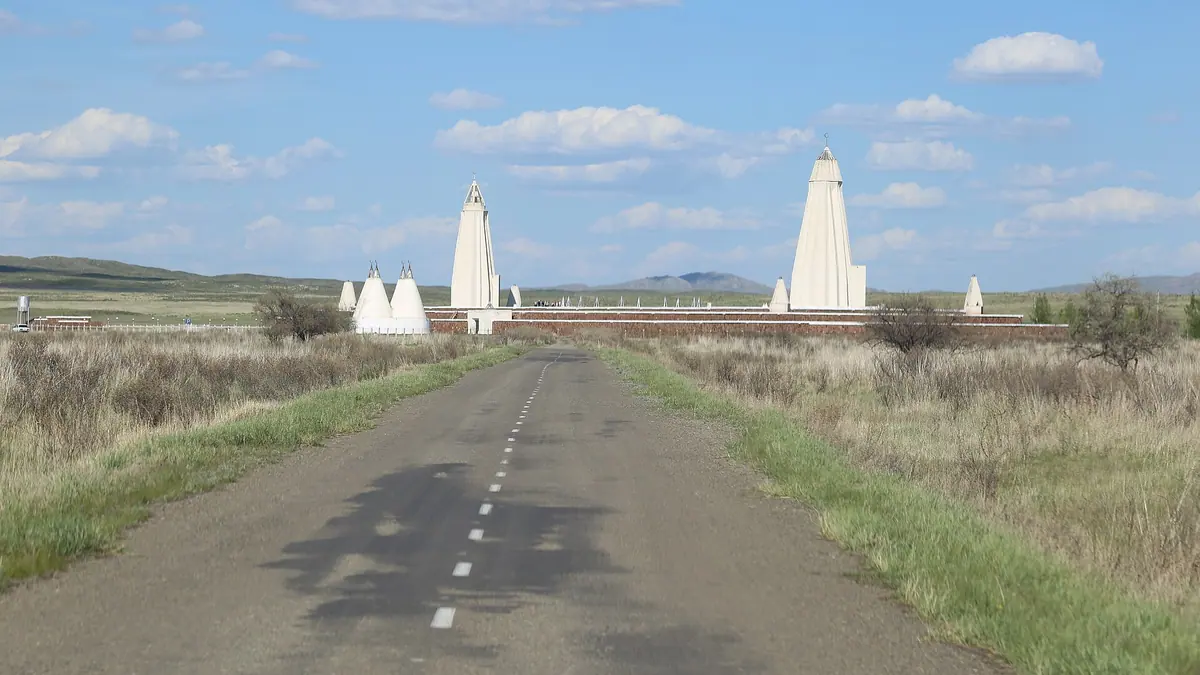
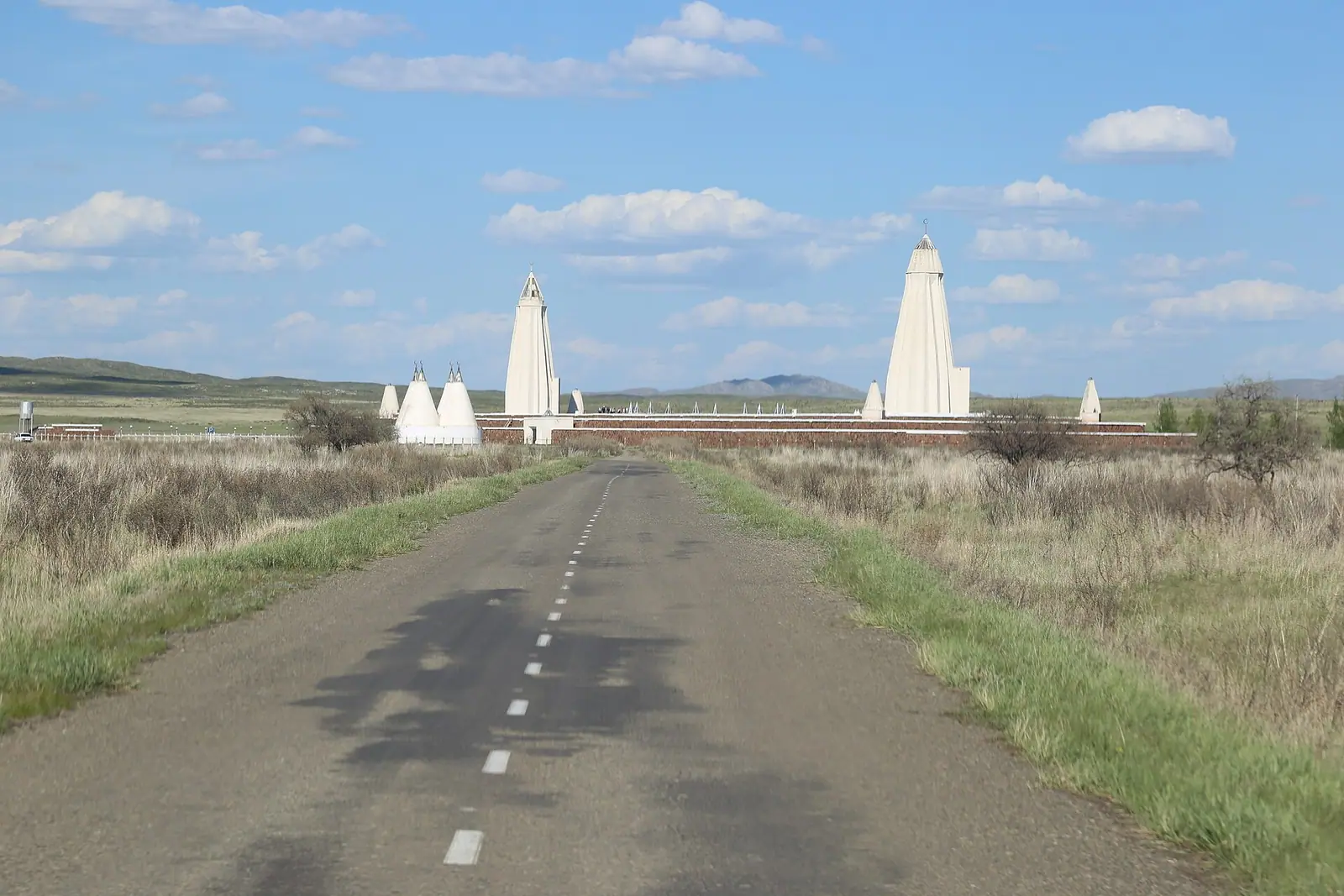
The Abai and Shakarim towers
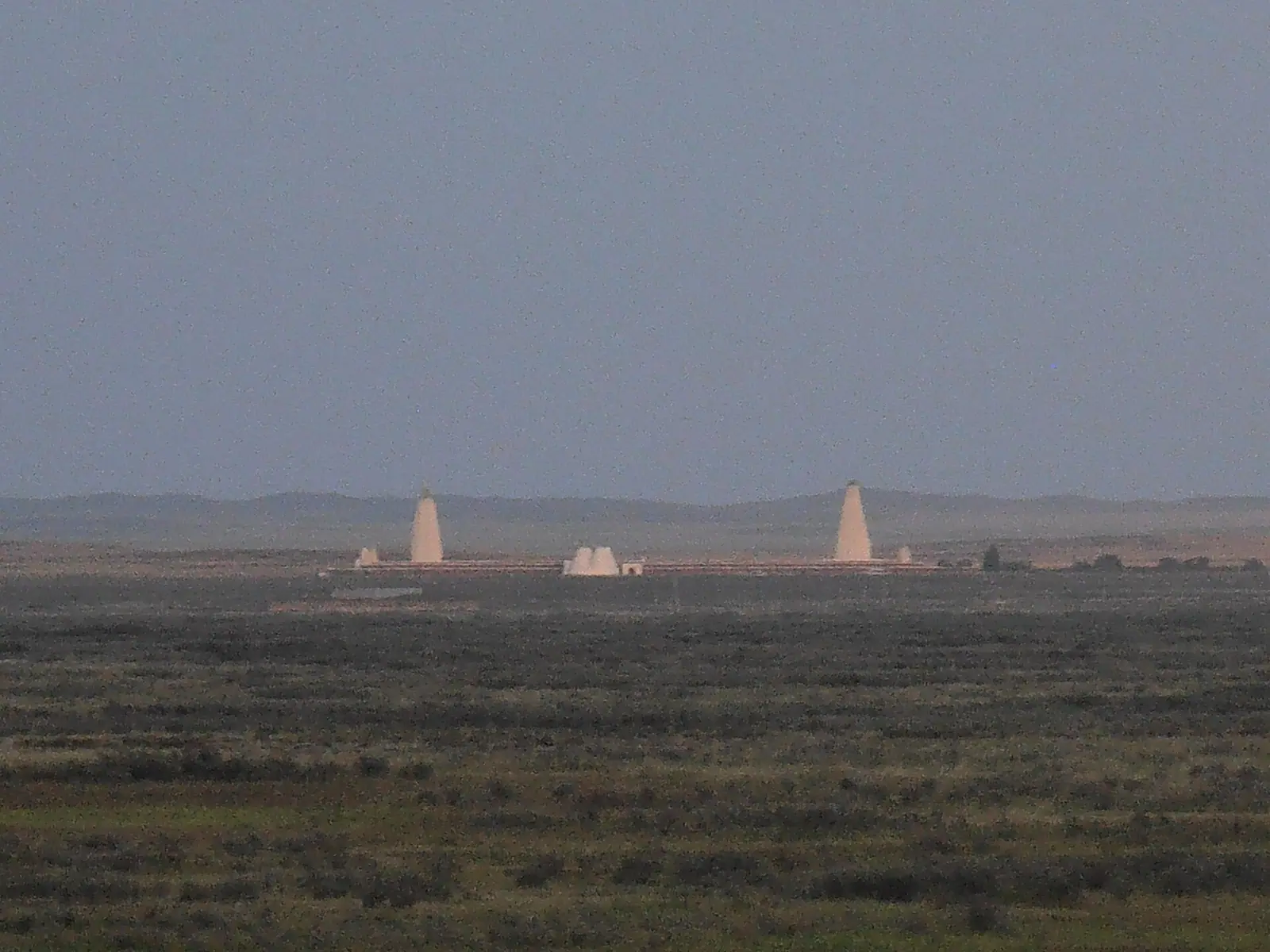
Towers of 32.5 and 31.5 m on a platform 200 by 65 m. The architects meant them to look like ships on the steppe in heat haze.
Sixteen sites in the reserve
Shakarim's hunting lodge, Kunanbay's well, Lake Ospan and a Centre of Eurasia marker sit within the 6,400 ha protected zone.
Groups from Semey
Firms run minibus groups from Semey, Oskemen and Pavlodar. Guides were in very short supply in 2021, so ask in advance.
Zhidebay in photos
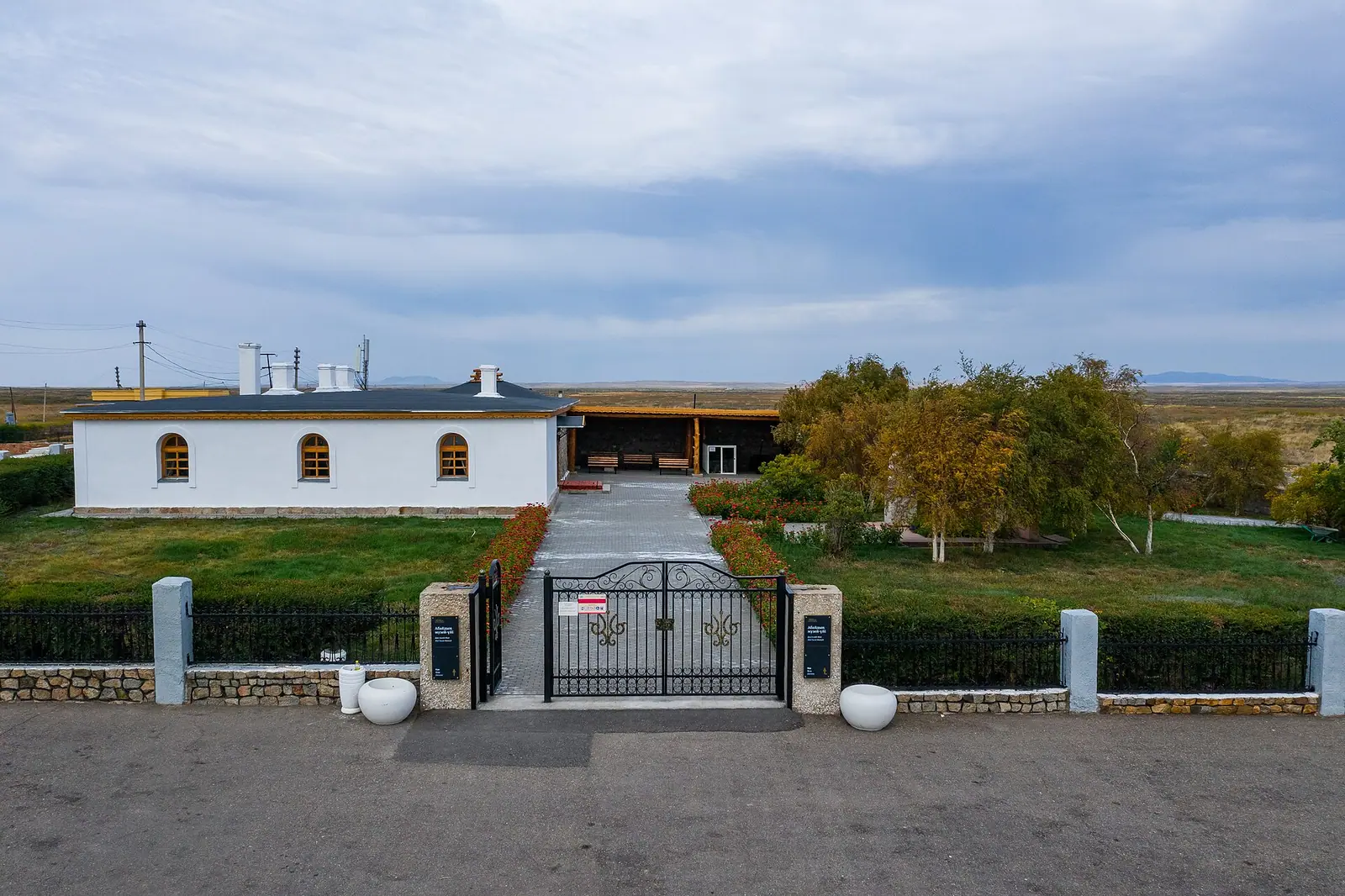
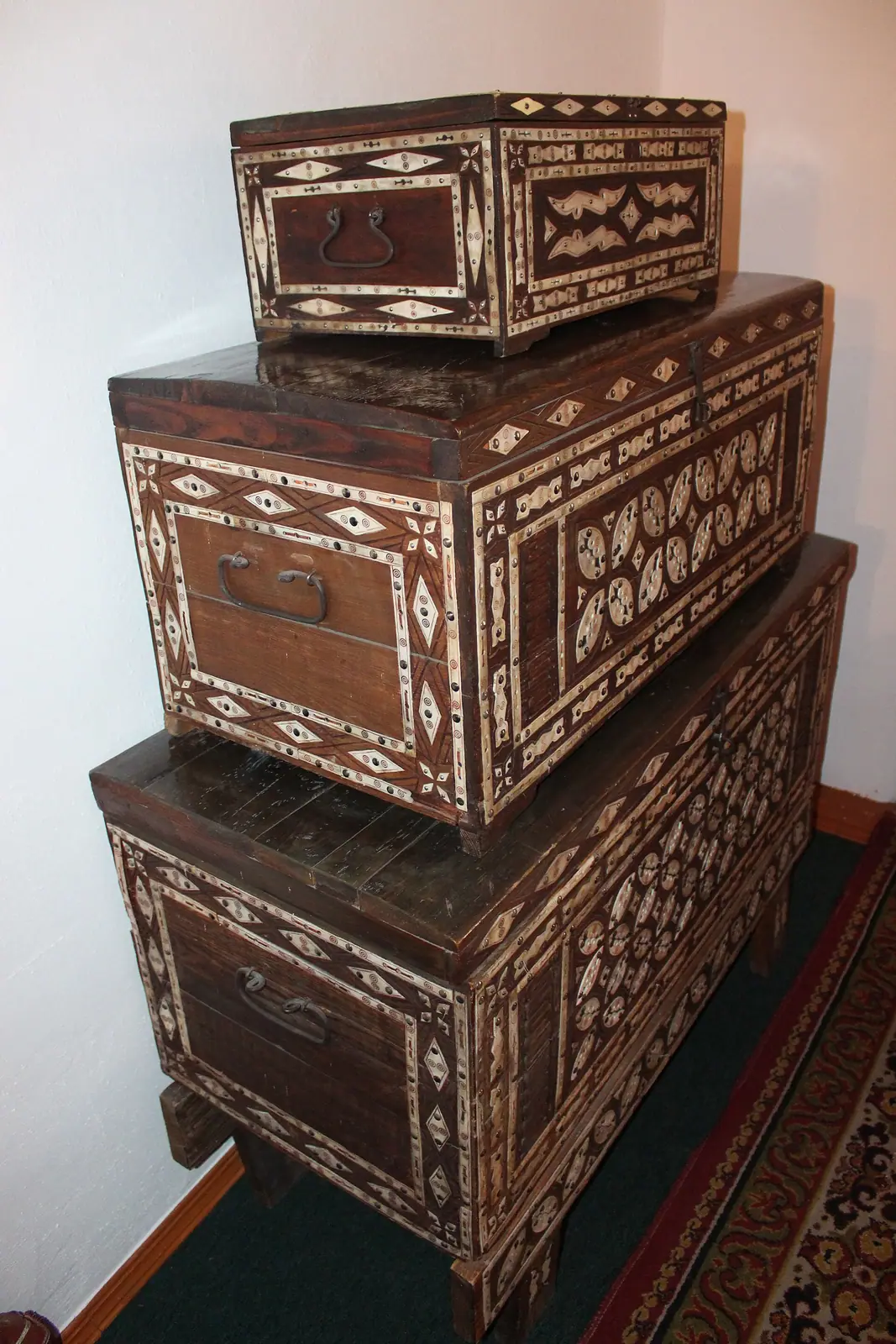
Real photos by travellers (Pexels, Unsplash, Wikimedia Commons); author and licence are given in each caption.
Zhidebay is a protected historical and cultural area in Abai District, in eastern Kazakhstan’s Abai Region, about 180 km from Semey. It holds the house where the poet Abai Kunanbayev spent his last years and the memorial complex with his mausoleum and that of Shakarim. Open roughly late April to late October, it fills a full day from Semey.
Zhidebay in numbers
| Fact | Value |
|---|---|
| From Semey | 180 km |
| Protected area | 6,400 ha, 16 sites |
| Abai mausoleum | 32.5 m above the platform |
| Shakarim mausoleum | 31.5 m above the platform |
| Platform | 200 × 65 × 5 m |
| House museum to mausoleums | 1.2–1.5 km |
The house museum
Abai rebuilt the house to his own plan in 1895, four years after inheriting the winter camp from his brother Ospan. It became a museum in 1945 for his centenary, and its exhibition covers his last ten years. The main museum is in the city: see the Abai Museum in Semey.
The mausoleums
Construction began in 1993 for Abai’s 150th anniversary. Two towers rise from a shared three-tier platform with 140 m between the graves. The architects led by Bek Ibrayev wanted them to look, in the heat haze, like ships sailing across the steppe, so step back and look from a distance at midday.
The reserve also has Shakarim’s hunting lodge, Kunanbay’s well and a small pyramid marking the “Centre of Eurasia”.
Planning your day
- Leave Semey early. We could not confirm current road conditions.
- Without a car, look for a group minibus, usually about 15 people, or hire a driver.
- Check the museum is open: it stayed closed until late August in 2020.
- Guides were scarce in 2021, so ask well in advance, especially for English.
Trips to the sacred Konyr-Auliye cave almost always stop here too. These are graves, so dress modestly and keep quiet.
Zhidebay: tips before you go
- Allow a full day: the road from Semey alone is 180 km each way.
- Check that the museum is open: in 2020 it stayed closed until late August.
- These are poets' graves, so dress modestly and keep quiet.
More to see nearby


Frequently asked questions
How do I get to Zhidebay from Semey?
When can I visit Zhidebay?
Who was Abai?
Sources
Read also
 Almaty Zoo in Kazakhstan: opening hours and how to visit
 Ayusai Gorge, Almaty: visitor centre and waterfall trail
 Gorelnik Gorge above Medeu: waterfalls, trail and season
 Kamenskoe Plateau above Almaty: observatory and trails
 Pervomaiskie Ponds near Almaty: location, swimming, season
 Saty village: base for the Kolsai and Kaindy lakes