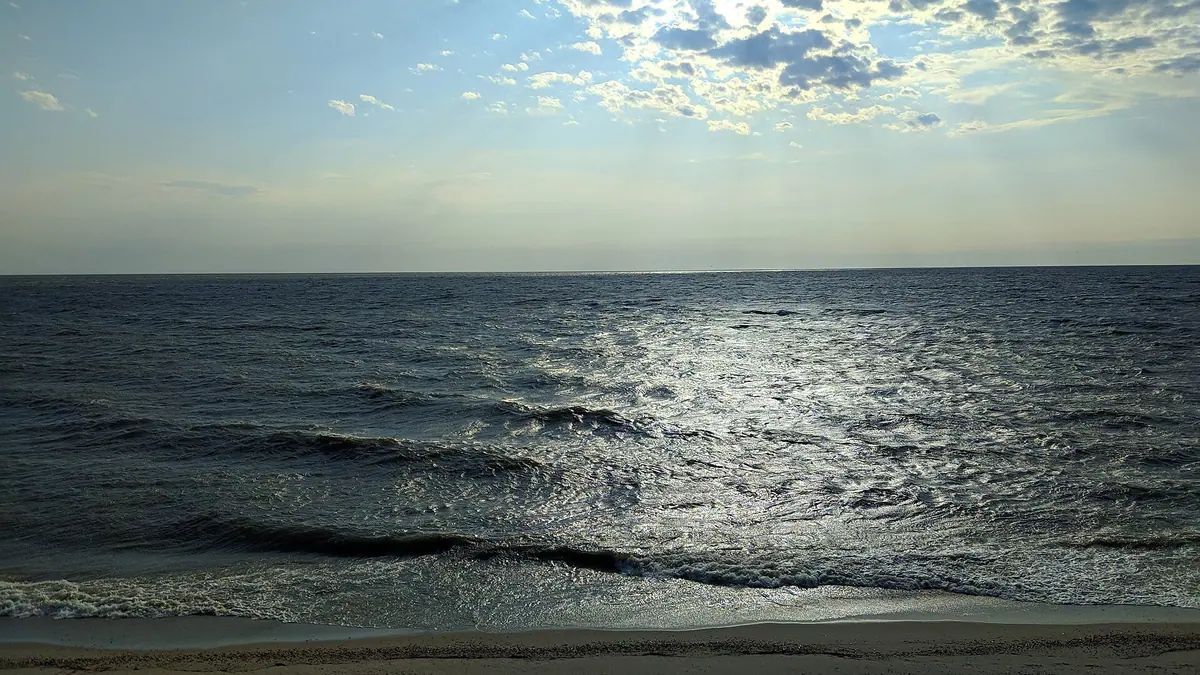
Lake Zaysan in Kazakhstan: when to go, month by month
- January: off season
- February: off season
- March: off season
- April: off season
- May: possible
- June: good
- July: best time
- August: best time
- September: good
- October: possible
- November: off season
- December: off season
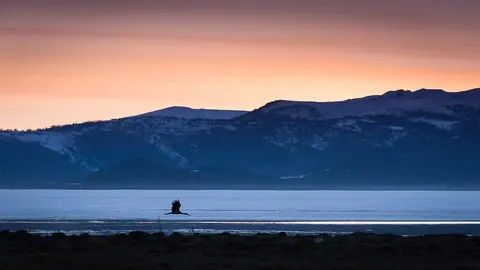
The lake is frozen from November to late April, and only June to August bring average highs above 25 °C.
Lake Zaysan in Kazakhstan: why go
Lake Zaysan's open water
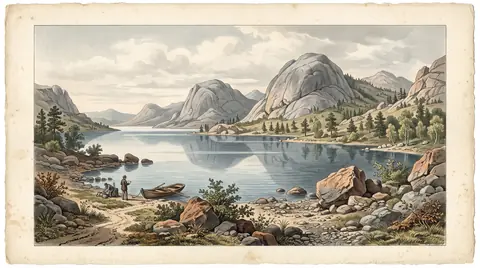
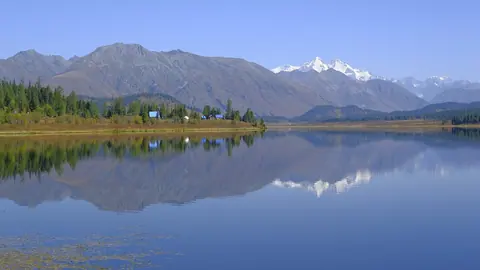
A shallow freshwater lake about 105 km long and 22–48 km wide, set in a flat valley with the Altai, Kalba and Tarbagatai ranges around it.
An ancient lake on old frontiers
Possibly around 70 million years old, and a waypoint for Mongol expeditions under Genghis Khan in 1224 and Hulagu Khan in 1251.
Getting to Lake Zaysan
Oskemen is the nearest regional city, about 239 km in a straight line. Road routes and public transport could not be confirmed, so plan several days.
A short summer window
July averages highs near 27 °C at the lake grid point, while January sits around −12 °C and the ice lasts from November to late April.
A lake raised by a dam
The Bukhtarma dam lifted Lake Zaysan by about 6–7 m and roughly doubled its area, from about 1,800 km² to around 3,500 km² or more.
Lake Zaysan in Kazakhstan in photos
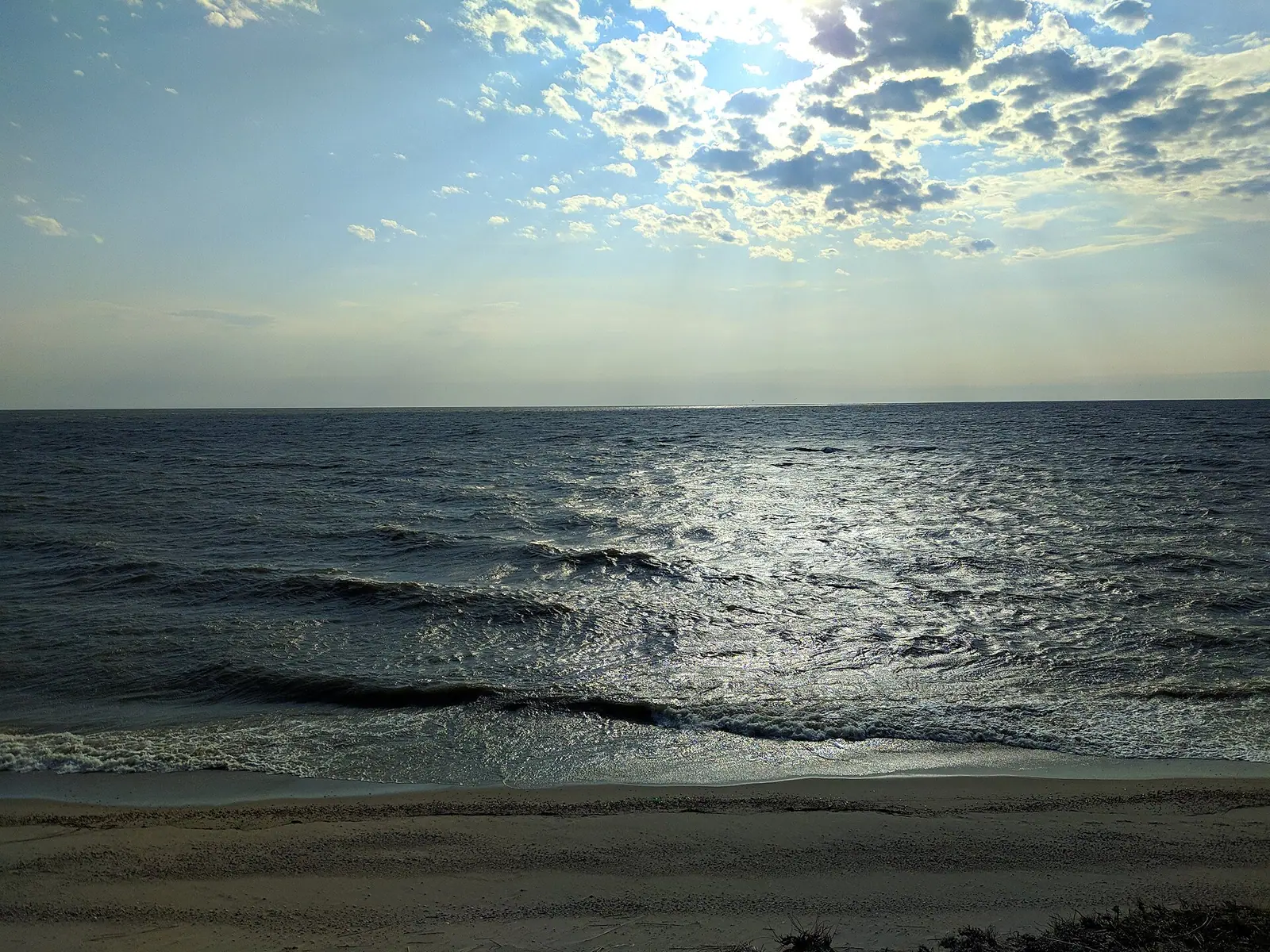
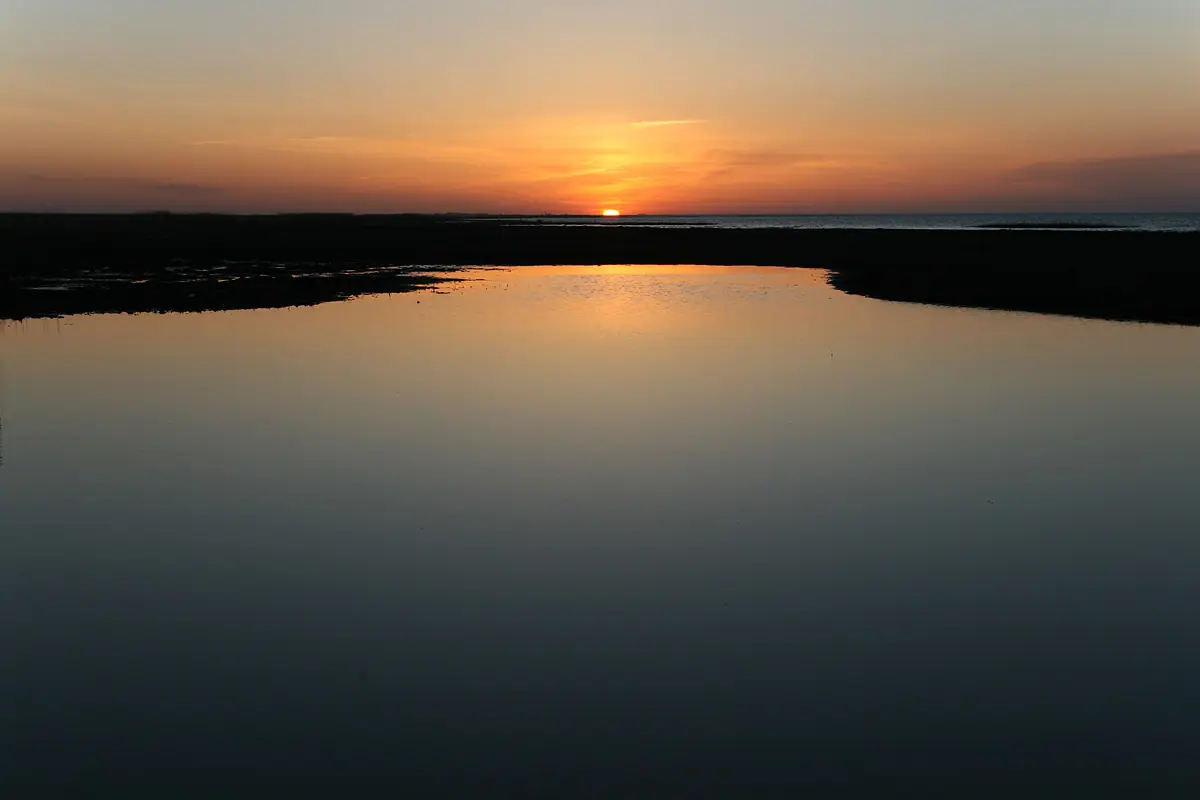
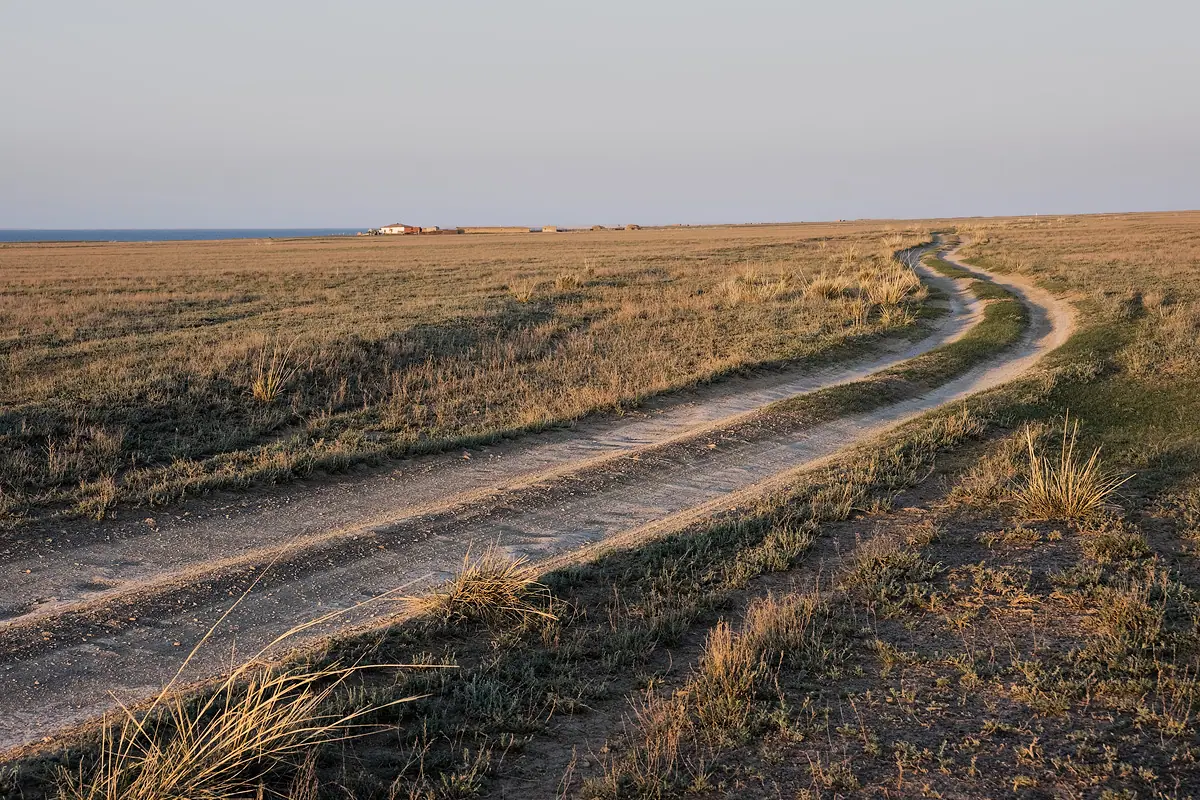
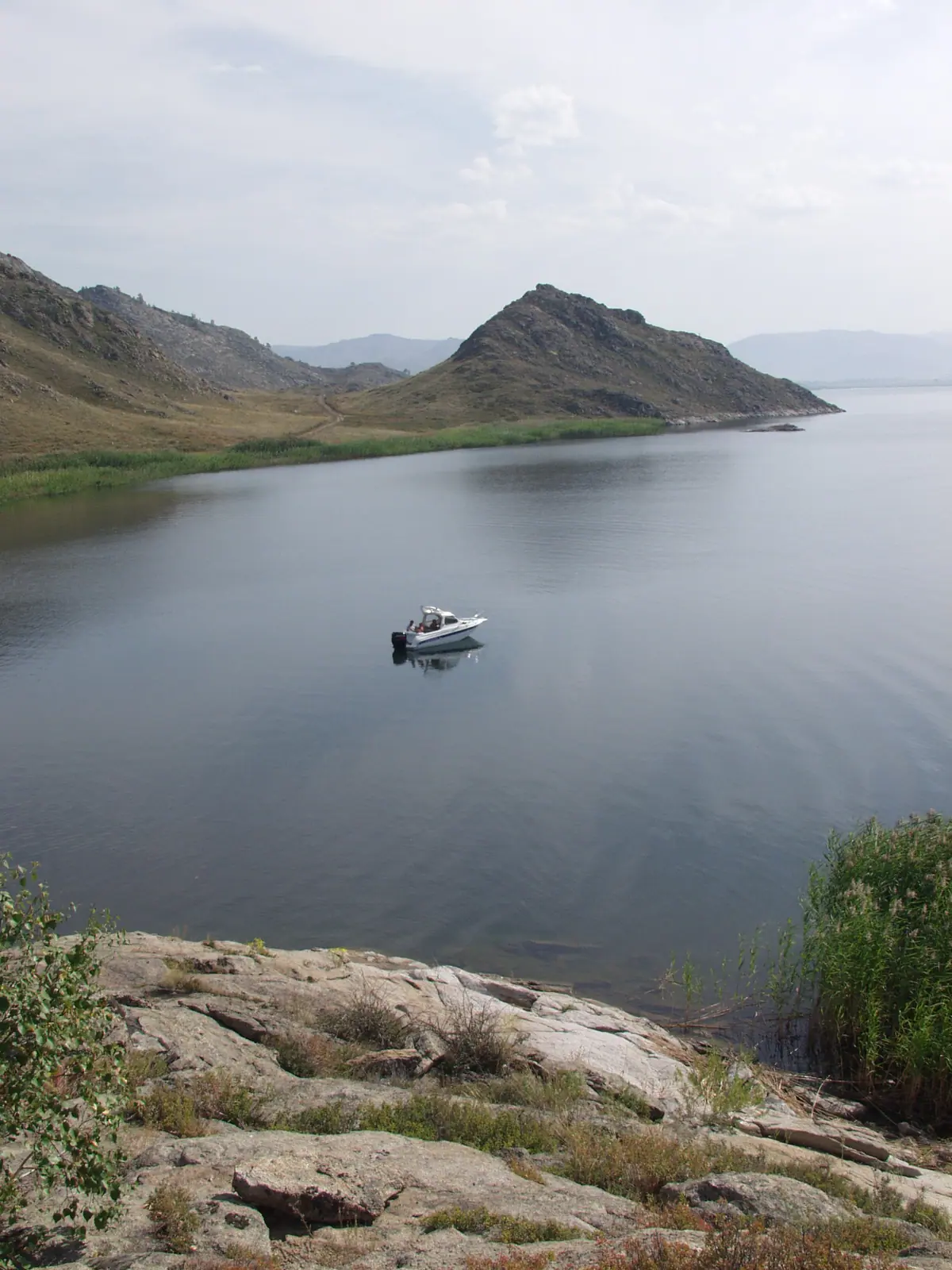
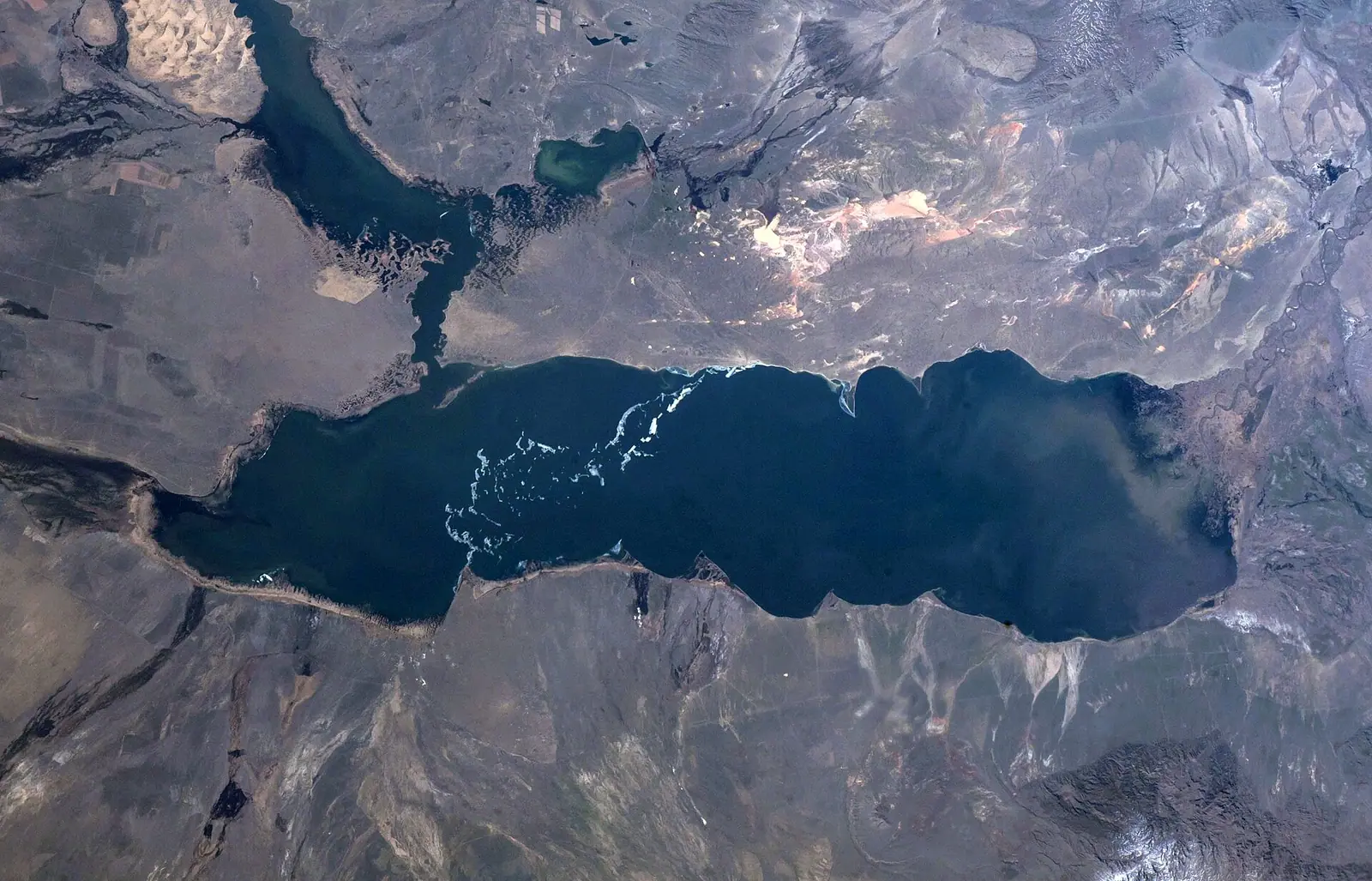
Real photos by travellers (Pexels, Unsplash, Wikimedia Commons); author and licence are given in each caption.
Lake Zaysan is a freshwater lake in East Kazakhstan, lying in a flat valley between the Altai, Kalba and Tarbagatai ranges, about 239 km in a straight line from Oskemen. It is roughly 105 km long, possibly one of the oldest lakes on Earth, and since the Bukhtarma dam was built it has been part of a large reservoir on the Irtysh. It suits travellers already in eastern Kazakhstan who want open water, fishing country and a long history. It is not an easy side trip from Almaty.
Where Lake Zaysan is and what kind of trip it takes
Lake Zaysan sits in the far east of Kazakhstan, in Tarbagatay District of East Kazakhstan Region. The Chinese border runs about 60 km from its eastern shore, and the Black Irtysh flows in from the Chinese side.
The nearest regional city is Oskemen, about 239 km in a straight line. Semey is about 383 km away and Taldykorgan about 543 km, both in a straight line. Road distances will be longer, and we could not confirm road conditions, bus links or the drive time from any city.
Getting there is the main obstacle, because transport options are unconfirmed. Plan it as a multi-day trip from Oskemen, not a day out. If you are combining it with the Altai, Rakhmanov Springs is the closest page on this site, about 251 km away in a straight line.
Lake Zaysan in numbers, and where sources disagree
The lake’s size depends on whether you count it before or after the Bukhtarma dam, and the Russian, English and Kazakh Wikipedia articles give slightly different figures. The table shows the range. In practice: expect a very large, shallow body of water with low shores.
| Measure | Figure |
|---|---|
| Altitude | 420 m (Russian and English Wikipedia); 395 m (Kazakh Wikipedia) |
| Length today | about 105 km |
| Width | 22–48 km |
| Maximum depth | 15 m |
| Area before the dam | about 1,788–1,830 km² |
| Length before the dam | 111 km or 140 km, depending on the source |
| Level rise after the dam | about 6 m (English) or 7 m (Russian Wikipedia) |
| Area after the dam | about 3,500 km², some sources up to 5,000 km² |
| Ice cover | November to late April |
The water is fresh and soft, with mineralisation under 100 mg/l and transparency of about 1.3 m. The lake is navigable.
How old is Lake Zaysan
Lake Zaysan may be older than Lake Baikal, but the age is uncertain. Baikal is usually given as 25–30 million years old. Zaysan possibly dates from the Cretaceous, with an estimated age above 66 million years and most probably around 70 million.
English Wikipedia calls the exact age debatable and notes that clear evidence has been hard to find, though geological studies of the basin lean towards a very old age. Treat the “world’s oldest lake” claim as a possibility, not a settled fact. The basin itself is tectonic in origin, and old wave-cut shorelines far from today’s water show the lake was once larger and deeper.
What the shore looks like and what lives in the lake
Most of the shore is low and fringed with wide reed beds. By Russian Wikipedia, only near Baklaniy and Barkhotsky capes is the shore clear of reeds, so do not expect beaches everywhere.
Other named capes include Vershinin, Golodaevsky, Topolevy, Peschany and Goly. There are no islands in the middle; small islands sit at the mouth of the Black Irtysh and near the Irtysh outflow. The bottom is silty, in places sandy with fine pebbles.
The lake is known for fish. Kazakh Wikipedia counts 21 species, 5 of them introduced; catches listed across sources include zander, pike, burbot, perch, ide, tench, bream and crucian carp. Muskrat was introduced in the 20th century. We could not confirm current fishing rules or permits.
A crossroads of empires
Lake Zaysan sat on the edge of many states over two thousand years. In the 3rd century BCE it marked a rough border between the Xiongnu and the Yuezhi, and it later passed through Turkic khaganates, the Tang dynasty, the Karluks and Oirats, the Qara-Khitai and the Mongols.
Mongol expeditions used it as a waypoint, including those of Genghis Khan (1224) and Hulagu Khan (1251). Timur campaigned to the lake in 1391. The name comes from Mongolian; English Wikipedia translates it as “Noble Lake”, and the lake served as a headquarters for several hordes, including the Dzungar Khanate.
Siberian Cossack fishing expeditions worked the lake from the early 1800s while it still belonged to the Qing Empire. The Protocol of Chuguchak (1864) left Lake Zaysan on the Russian side.
When to go to Lake Zaysan
Go between June and August, the warmest months, with average highs of 25–27 °C; the ice breaks up in late April. The figures below are computed ERA5 normals for 1991–2020 at a grid point at 390 m, not a weather station.
Day high, °C / Night low, °C · Rain/snow, mm
A computed reanalysis normal for these coordinates, not weather station records.
Monthly figures
| Month | Day high, °C | Night low, °C | Rain/snow, mm |
|---|---|---|---|
| Jan | -11.3 | -18.4 | 11.8 |
| Feb | -8 | -16.4 | 9.3 |
| Mar | 2.4 | -7.3 | 15.9 |
| Apr | 16 | 3.1 | 15.6 |
| May | 22.7 | 10.1 | 16.4 |
| Jun | 29 | 17.3 | 23.9 |
| Jul | 30.2 | 18.9 | 25.9 |
| Aug | 28.9 | 16.5 | 21 |
| Sep | 22.2 | 10.3 | 20.7 |
| Oct | 13.1 | 3.8 | 33.5 |
| Nov | 1.8 | -5.4 | 24 |
| Dec | -6.5 | -13.9 | 14 |
July is the warmest month, with average highs around 30 °C and nights near 19 °C. The figures are for a grid point, not a weather station, so conditions on the shore may differ. May is cool, with highs near 23 °C, and September drops to about 19 °C by day and 10 °C at night.
Winter is severe: January averages about −11 °C by day and −18 °C at night, and the lake stays frozen from November to late April. Precipitation is low all year, peaking at about 26 mm in July.
| Period | What to expect |
|---|---|
| November–April | Lake frozen, highs below freezing for most of the period |
| May | Ice gone, cool days around 18 °C |
| June–August | Warmest months, highs 25–27 °C, light rain |
| September | Mild days near 19 °C, cooler nights |
| October | Highs around 10 °C, ice returns in November |
Kazakh Wikipedia notes that water levels are highest in May and early June, when mountain snowmelt arrives, and lowest in early April.
- Road condition and driving time from Oskemen or Semey to the lake shore
- Any bus or shared-taxi service to towns near the lake
- Whether border-zone rules apply near the eastern shore, about 60 km from China
- Current fishing regulations and permits
- Boat trips or places to stay along the shore
Lake Zaysan in Kazakhstan: tips before you go
- Plan for June to August: the lake is ice-bound from November to late April and May highs are only about 18 °C.
- Expect reed beds on most shores; Russian Wikipedia names Baklaniy and Barkhotsky capes as the stretches without reeds.
- Start from Oskemen, about 239 km away in a straight line, and confirm road and transport options there before setting off.
- Check fishing rules locally before casting: the lake is known for zander, pike and perch, but we could not confirm permit requirements.