Verified: 2026-11
Lake Yazevoe in the Kazakh Altai: when to go, month by month
- January: off season
- February: off season
- March: off season
- April: off season
- May: off season
- June: good
- July: best time
- August: best time
- September: good
- October: off season
- November: off season
- December: off season
Sources do not name months for the lake. Expect a short high-mountain season and check the forecast.
Lake Yazevoe in the Kazakh Altai: why go
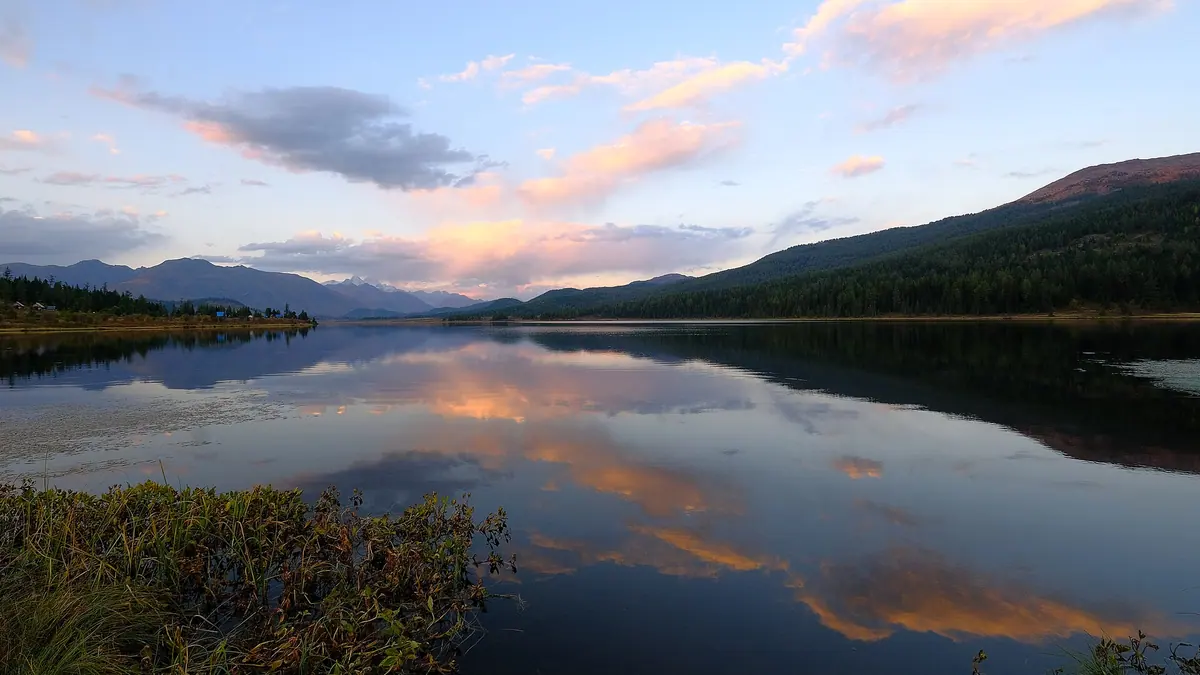
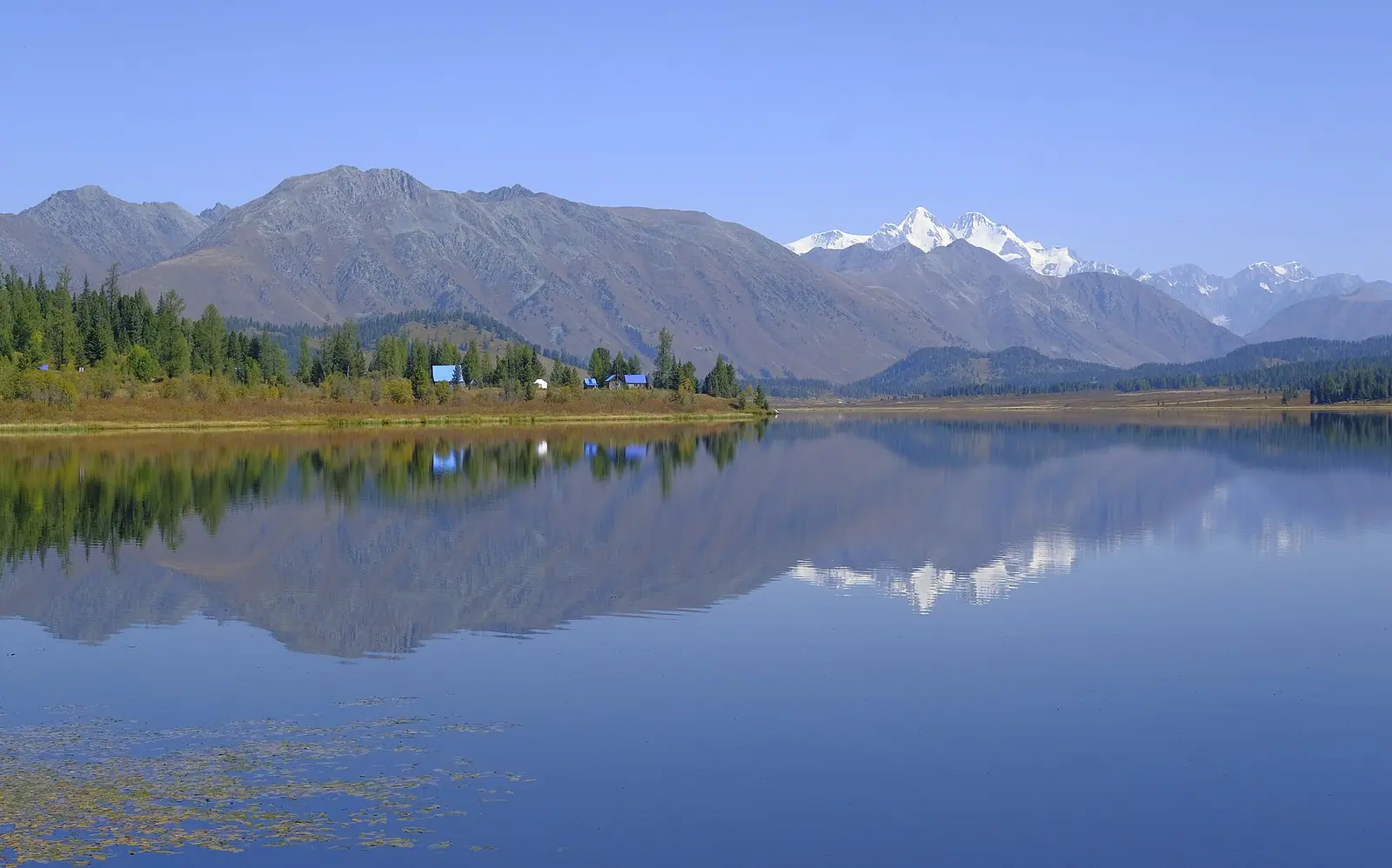
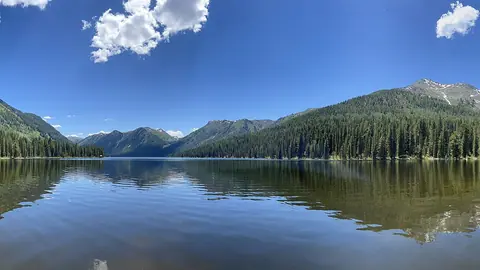
Belukha in Lake Yazevoe
In clear weather the mountain is reflected in the water. At almost 1,700 m the lake sits in forest, and no buses reach it.
Permit: conflicting answers
Decree 356 lists the lake among exceptions, but Aviasales mentions a pass through eGov. Get an answer from the Border Service.
A bridge over the Berel
In June 2026 a bridge meant to open the way to the lake was reported under construction. We could not confirm it is open.
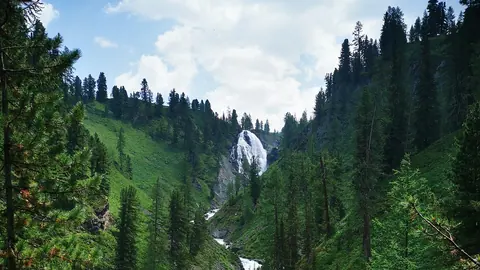
Start for Kokkol waterfall
From Yazevoe the waterfall is about two days on foot with tents or 6–10 hours on horseback, says Aviasales.
Lake Yazevoe in the Kazakh Altai in photos
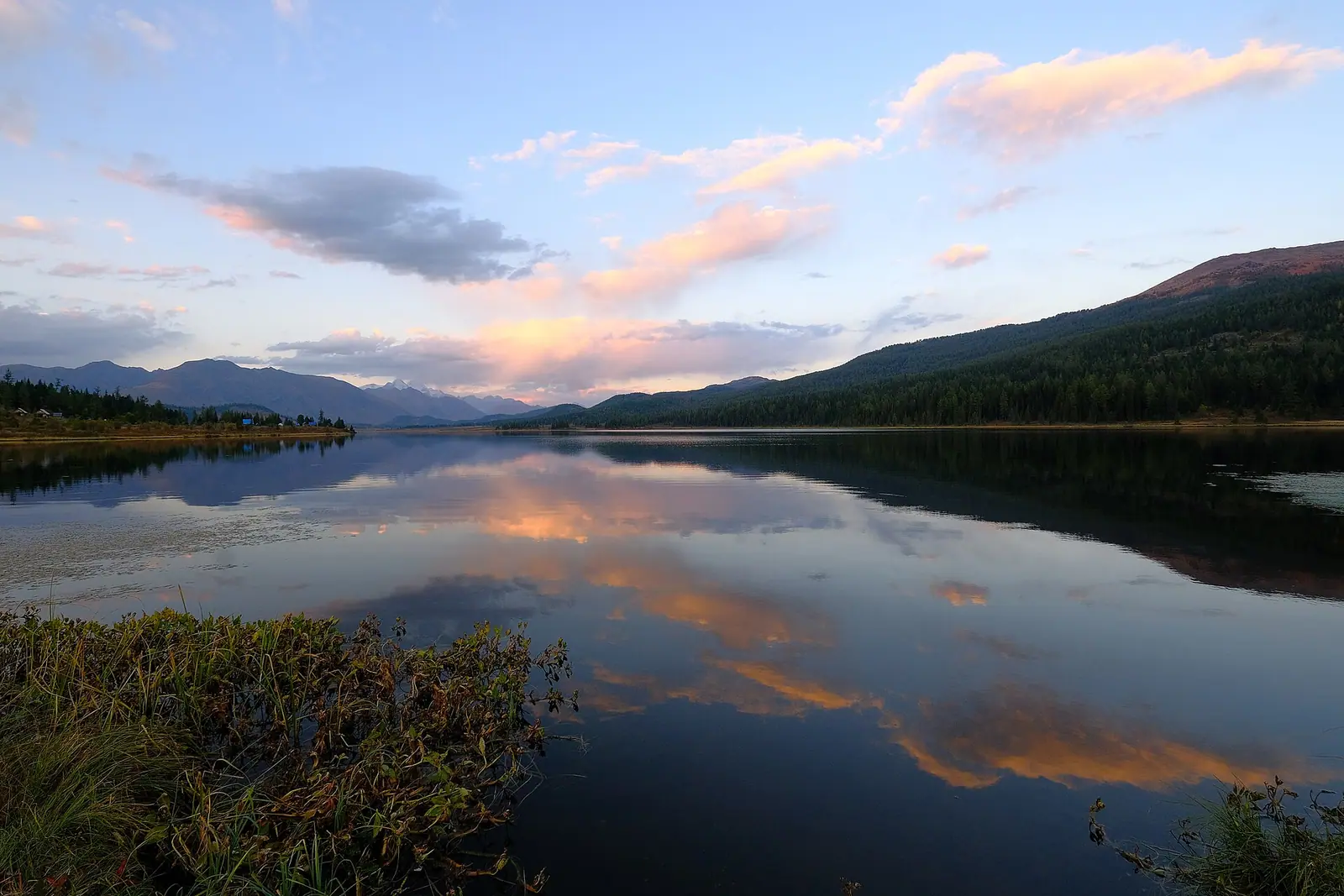
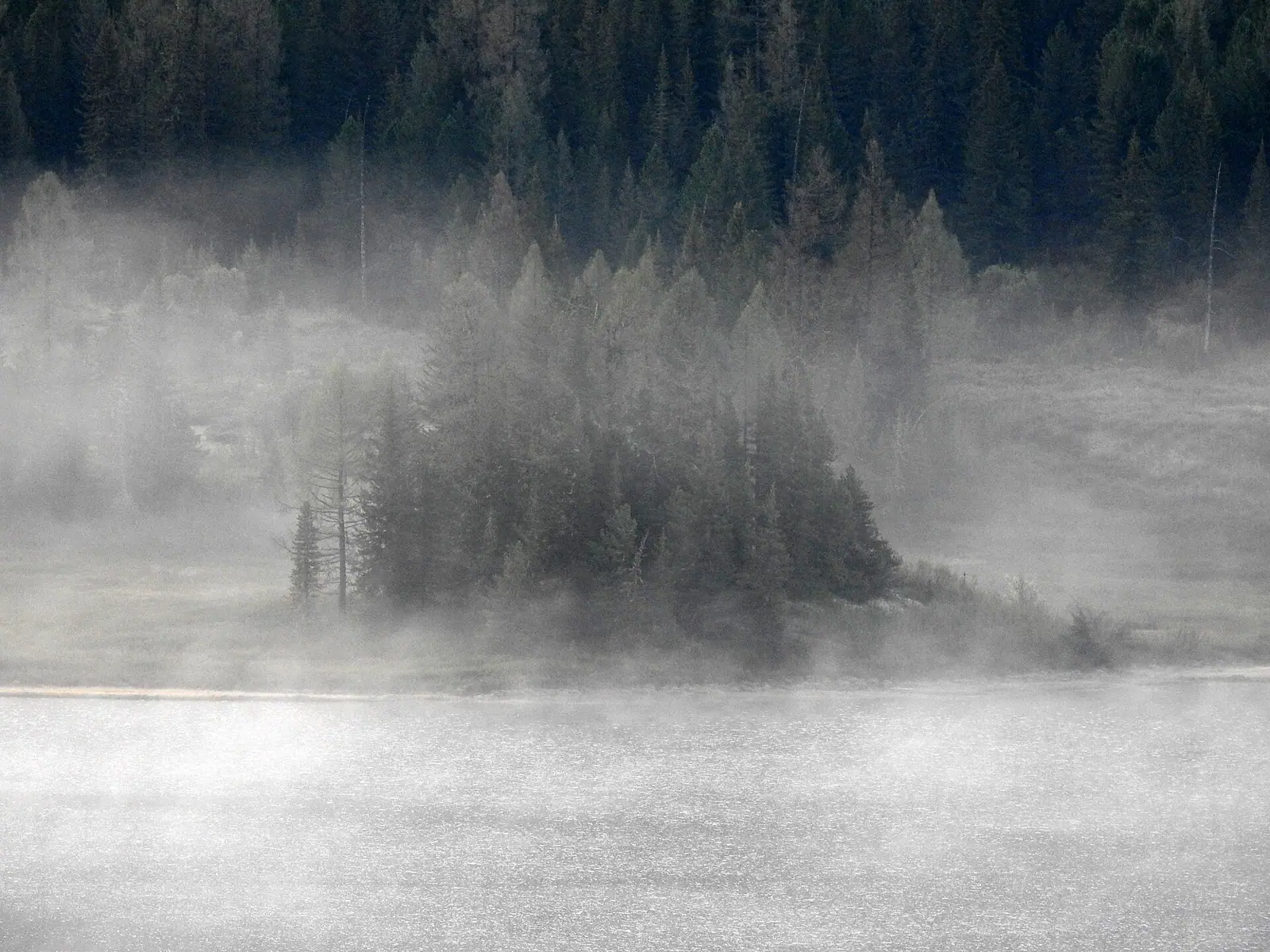
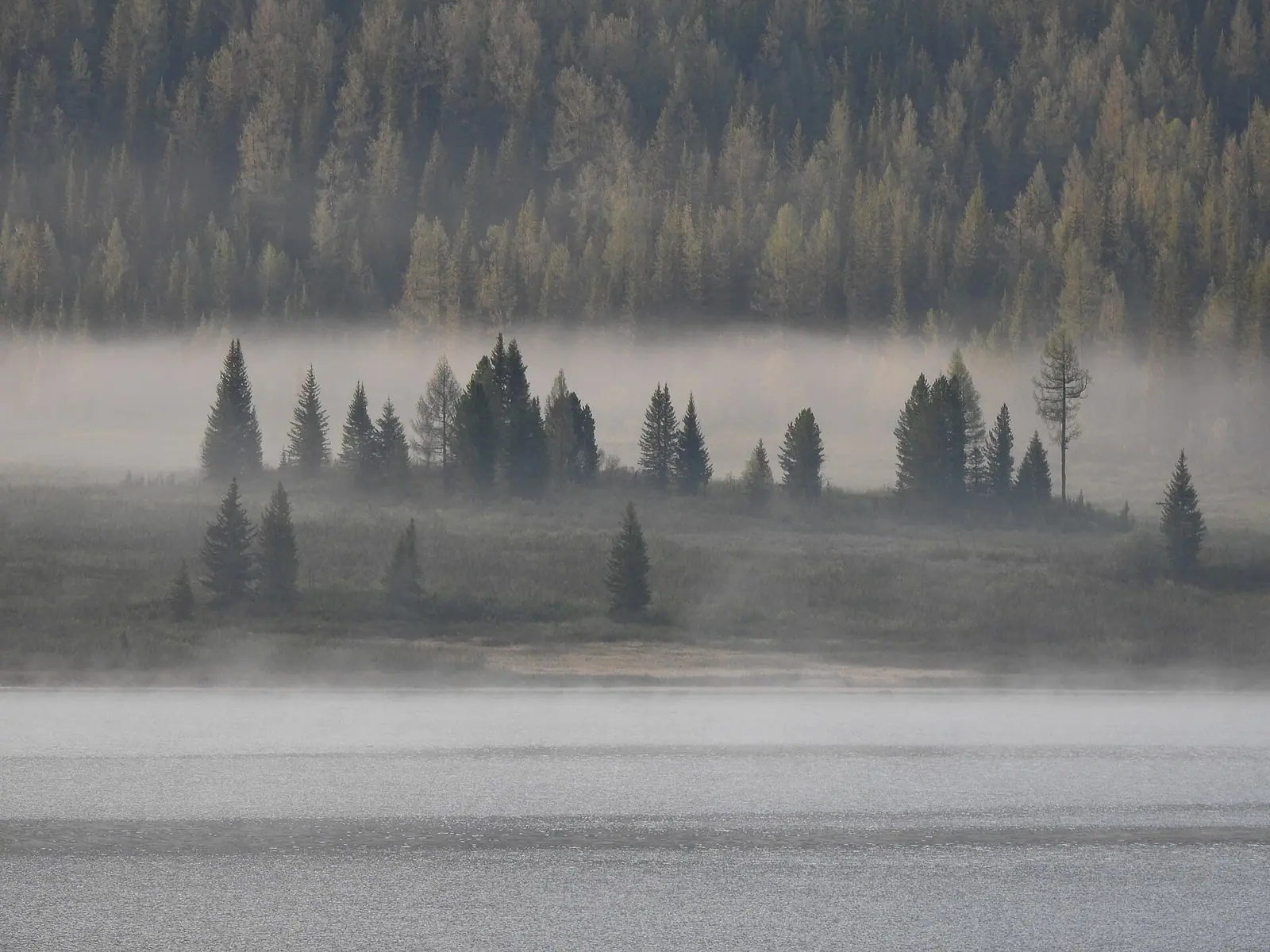
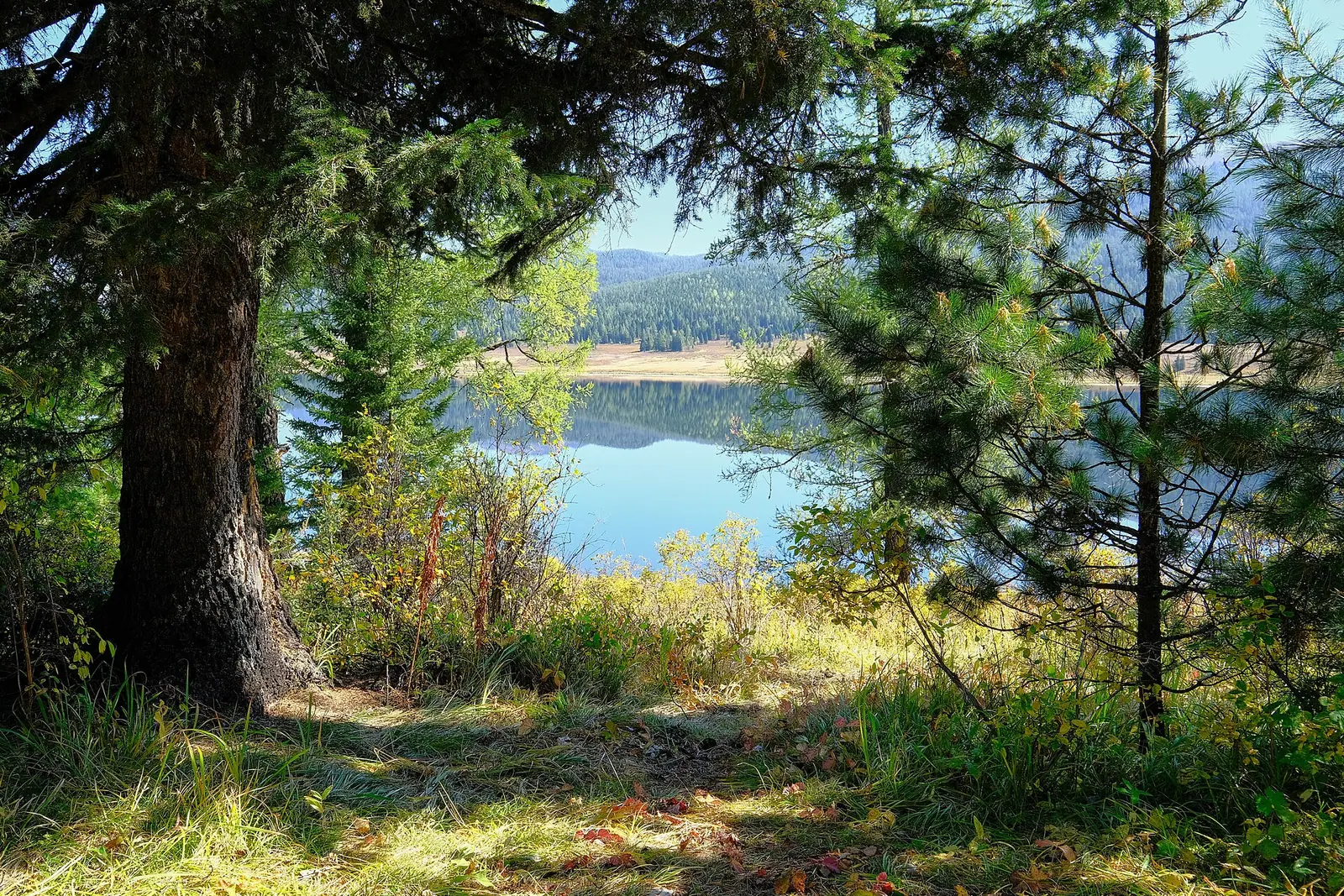
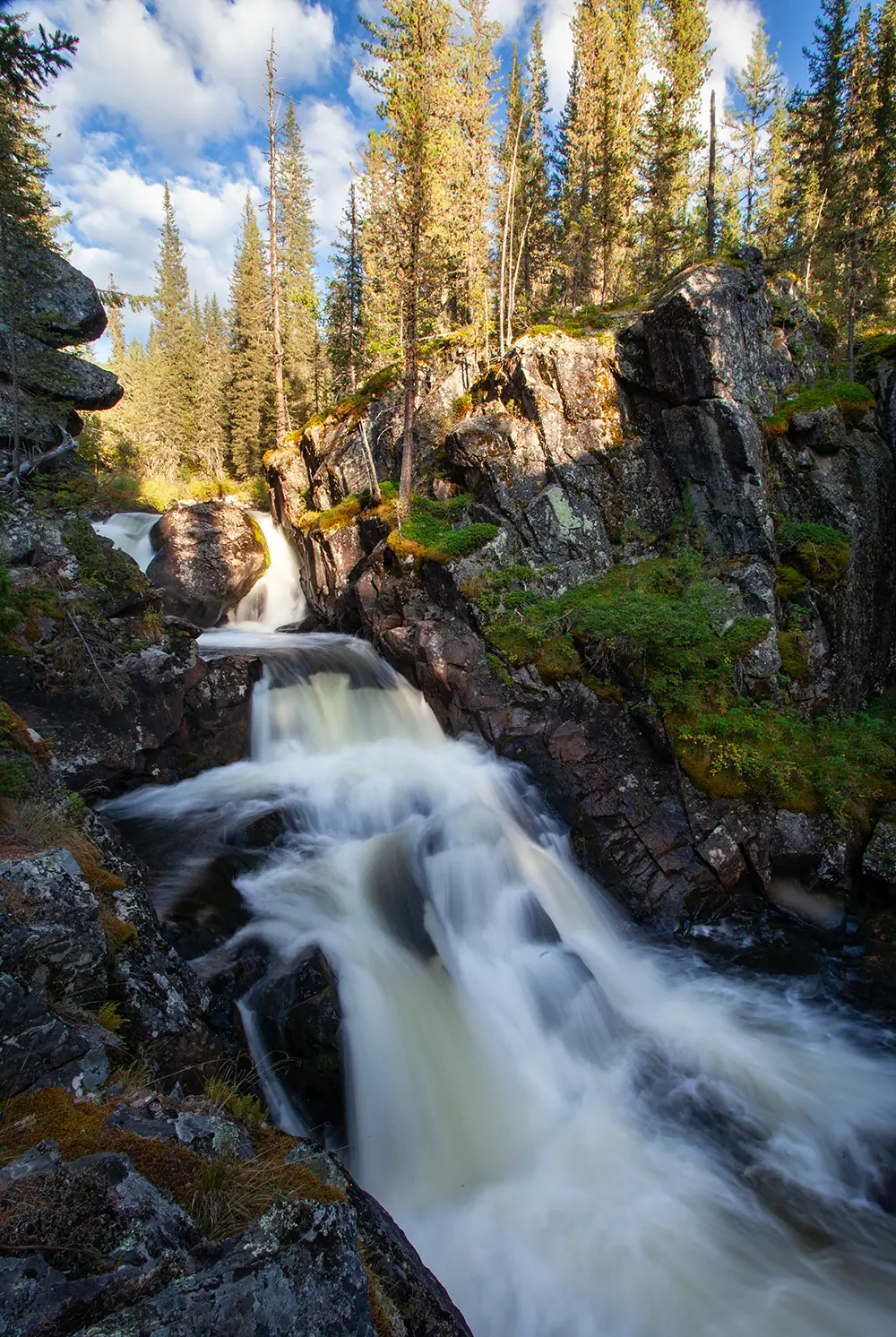
Real photos by travellers (Pexels, Unsplash, Wikimedia Commons); author and licence are given in each caption.
Lake Yazevoe lies at almost 1,700 m (Aviasales, 2026) in Katon-Karagay District, East Kazakhstan, 2.5 km from the Russian border. People come for Belukha’s reflection and to start the walk to Kokkol waterfall. There are no buses, and the road beyond Rakhmanov Springs is markedly rougher, so plan on a 4x4 with an experienced driver. Sort out the border question before anything else.
The permit question
| Source | What it says |
|---|---|
| Government Decree 356 | Lake Yazevoe is listed where the pass regime for foreigners does not apply |
| Aviasales, July 2026 | A pass is needed, issued through eGov in a day or two |
Getting this wrong means turning back at a post after a day’s driving. Ask the Border Service in writing. Our border zone page explains the documents.
The road
It is about 380 km from Oskemen to Katon-Karagay village. The road on to Rakhmanov Springs is being upgraded, and in June 2026 a bridge over the Berel, meant to open the way to the lake, was under construction. We could not confirm it has opened.
At the lake
Camp, look at the mountain and carry on to Kokkol waterfall: about two days on foot with tents or 6–10 hours on horseback. Nights at this height are cold. Rakhmanov Springs and the Berel burial mounds are close by, and our Katon-Karagay guide covers the area.
Lake Yazevoe in the Kazakh Altai: tips before you go
- Arrange a 4x4 in advance: no buses, and the road is rougher after the springs.
- Keep your ID with you: the lake is 2.5 km from the border.
- Bring a warm sleeping bag: nights are cold at this height.
More to see nearby


Frequently asked questions
Do foreigners need a permit for Lake Yazevoe?
Can I reach Lake Yazevoe by public transport?
Can you see Belukha from the lake?
Sources
Read also
-
Rakhmanov Springs: radon hot springs in the Altai
 Tarbagatai
 Kiin-Kerish, the Burning Cliffs near Lake Zaysan, and what a trip there takes
 Lake Zaysan in Kazakhstan: an ancient lake on the Irtysh, now part of a reservoir
- What to see in East Kazakhstan Region and when to go
- Trips from Oskemen: nine places in East Kazakhstan and when each one works