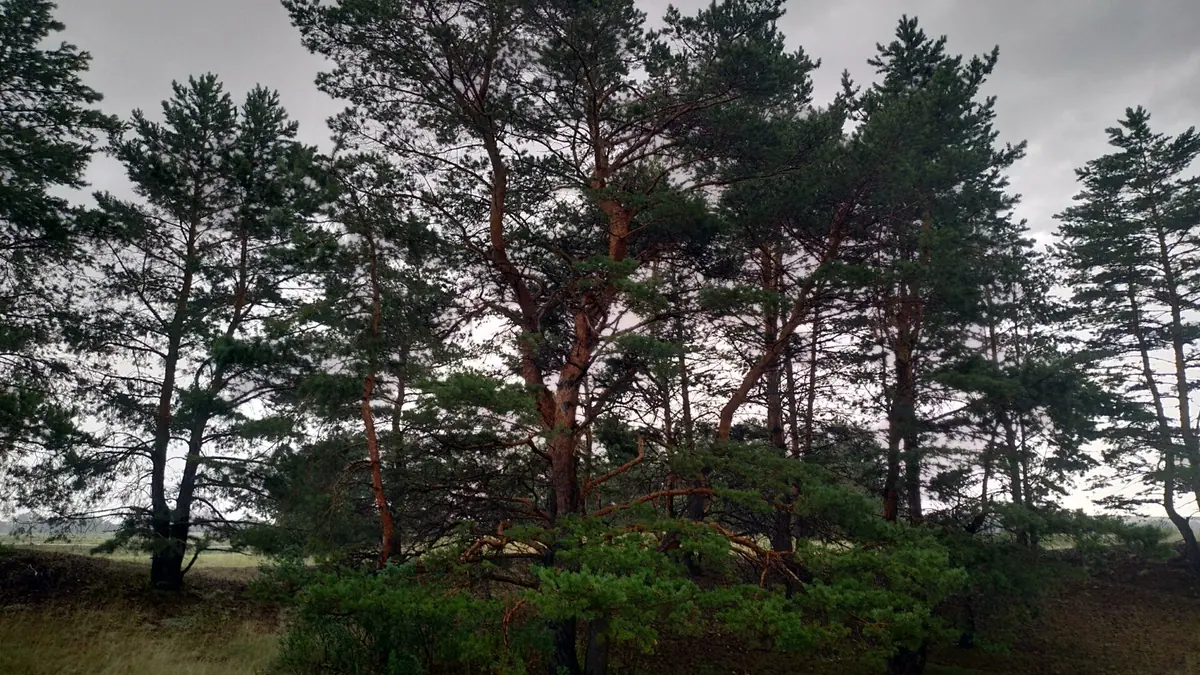
Semey Ormany, the protected ribbon pine forests around Semey: when to go, month by month
- January: off season
- February: off season
- March: possible
- April: possible
- May: best time
- June: good
- July: good
- August: good
- September: best time
- October: possible
- November: off season
- December: off season
Daytime highs average about 19–27°C from May to September and below freezing from November to March; summer is also the main fire season.
Semey Ormany, the protected ribbon pine forests around Semey: why go
Ribbon pine belts of Semey Ormany
Narrow bands of pine with birch and aspen grow on sand with groundwater near the surface, set among dry feather-grass steppe along the Irtysh.
234 bird species
The bird list includes golden eagle, white-tailed eagle, saker falcon, demoiselle crane and black stork, all listed in Kazakhstan's Red Book.
Semey as a base
The reserve's centre lies about 35 km in a straight line from Semey. Some forest land belongs to the city itself, so Semey is the obvious base.
Short warm season
Daytime highs reach 26–27°C from June to August by ERA5 normals, but they stay below freezing from November to March. July is the wettest month.
Sand dunes under the pines
In the 2018 fire near Semey, sand dunes and smoke slowed firefighters on the tracks. The forest grows on sand.
Semey Ormany, the protected ribbon pine forests around Semey in photos
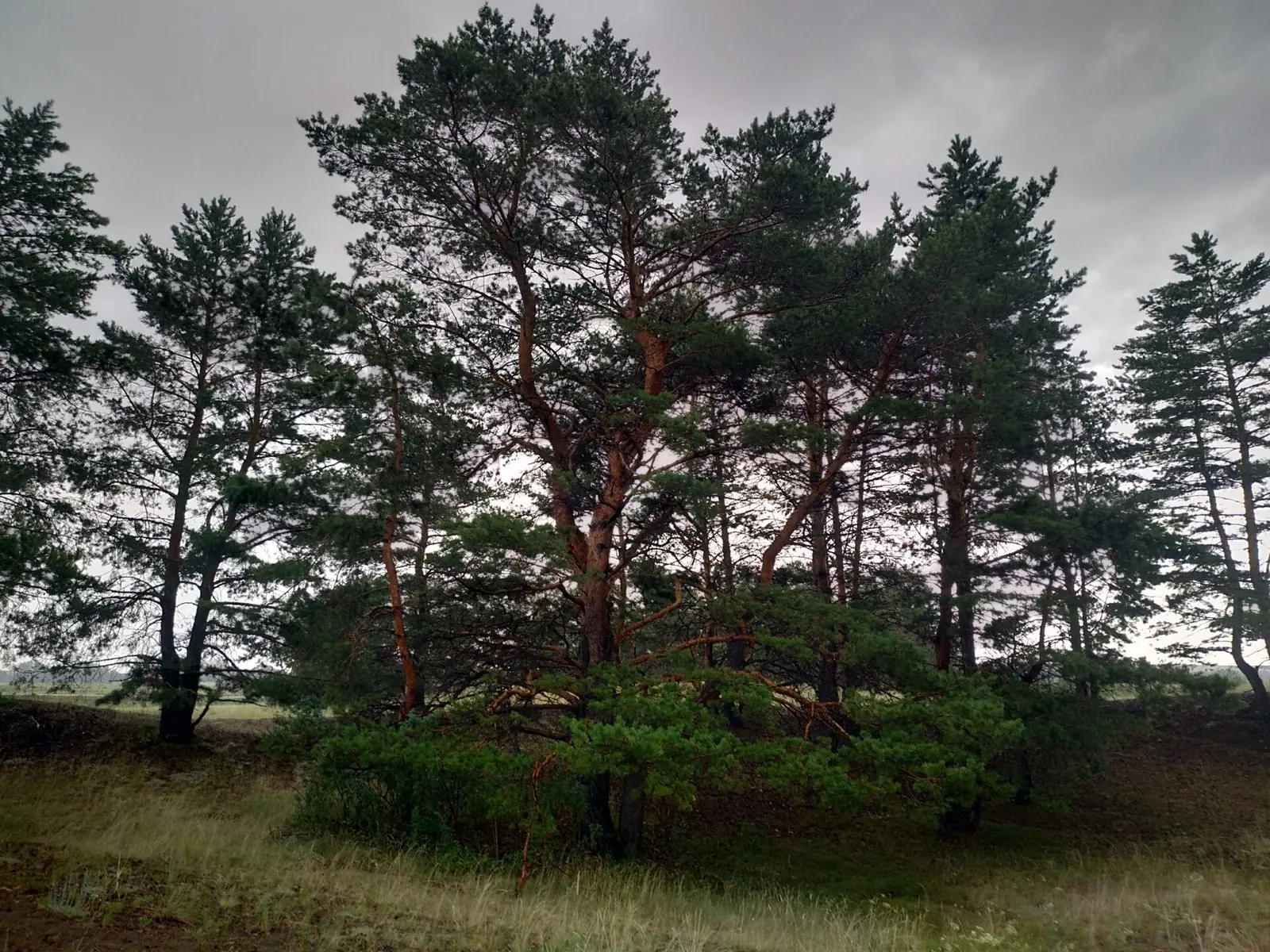
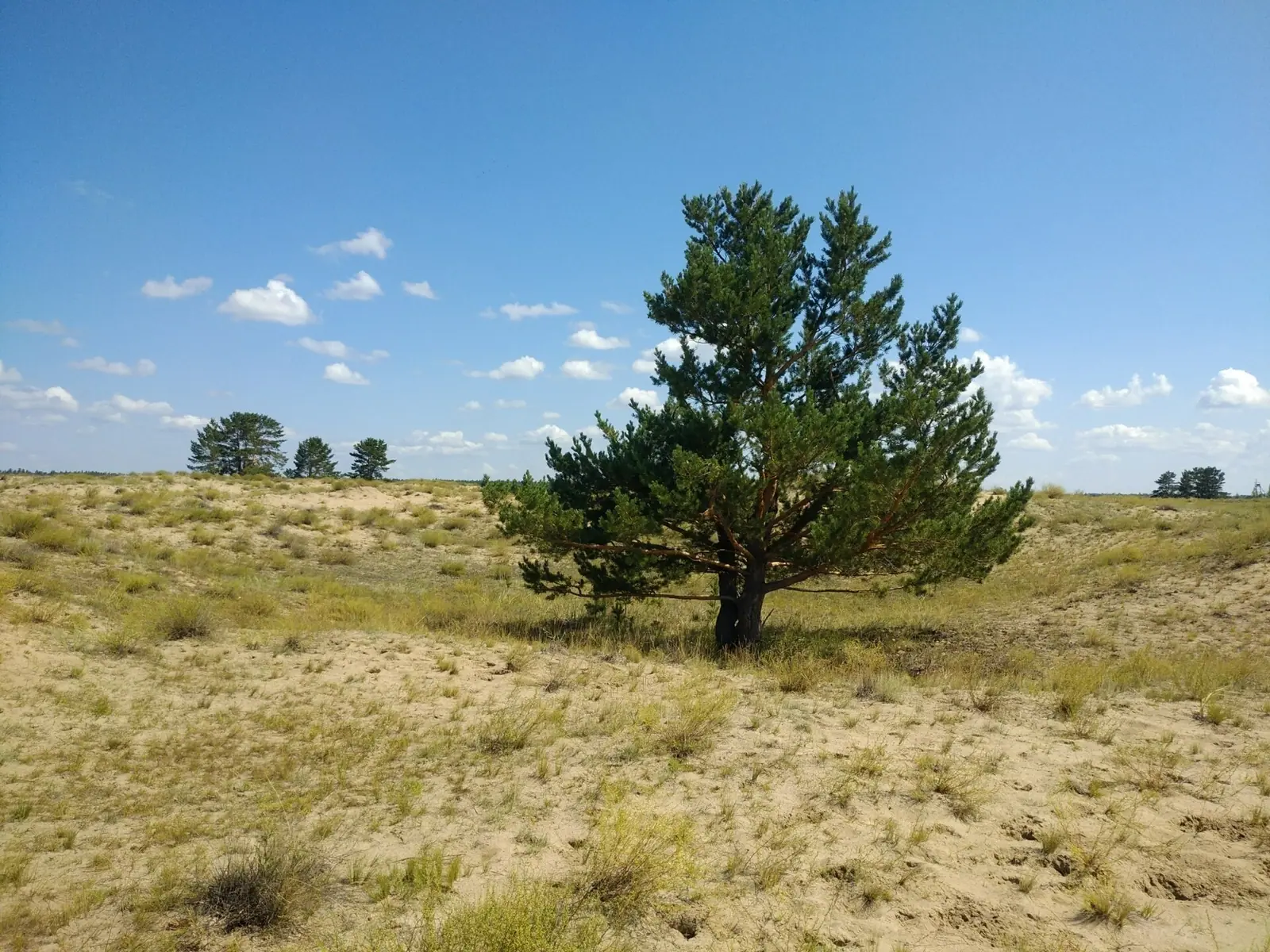
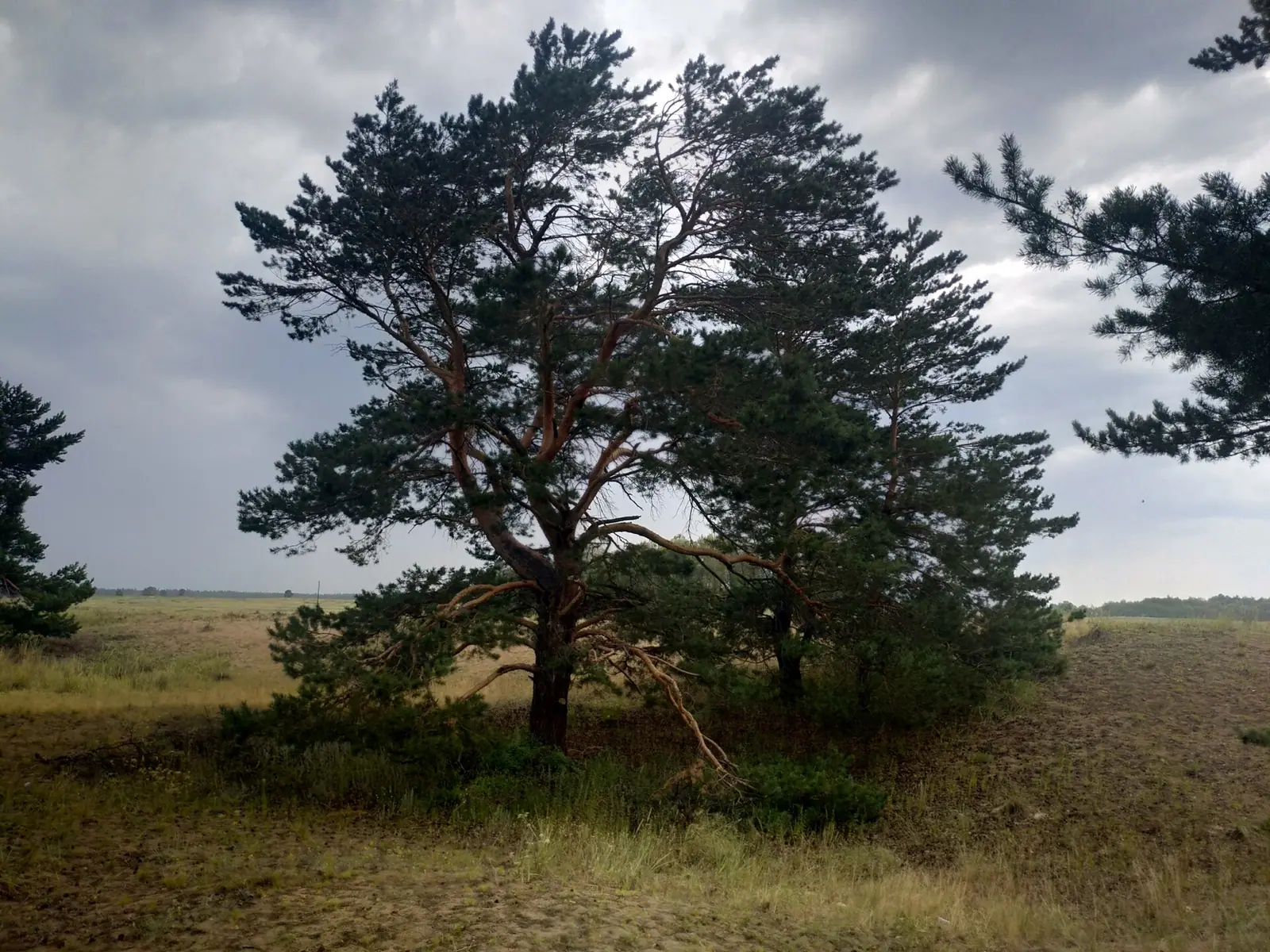
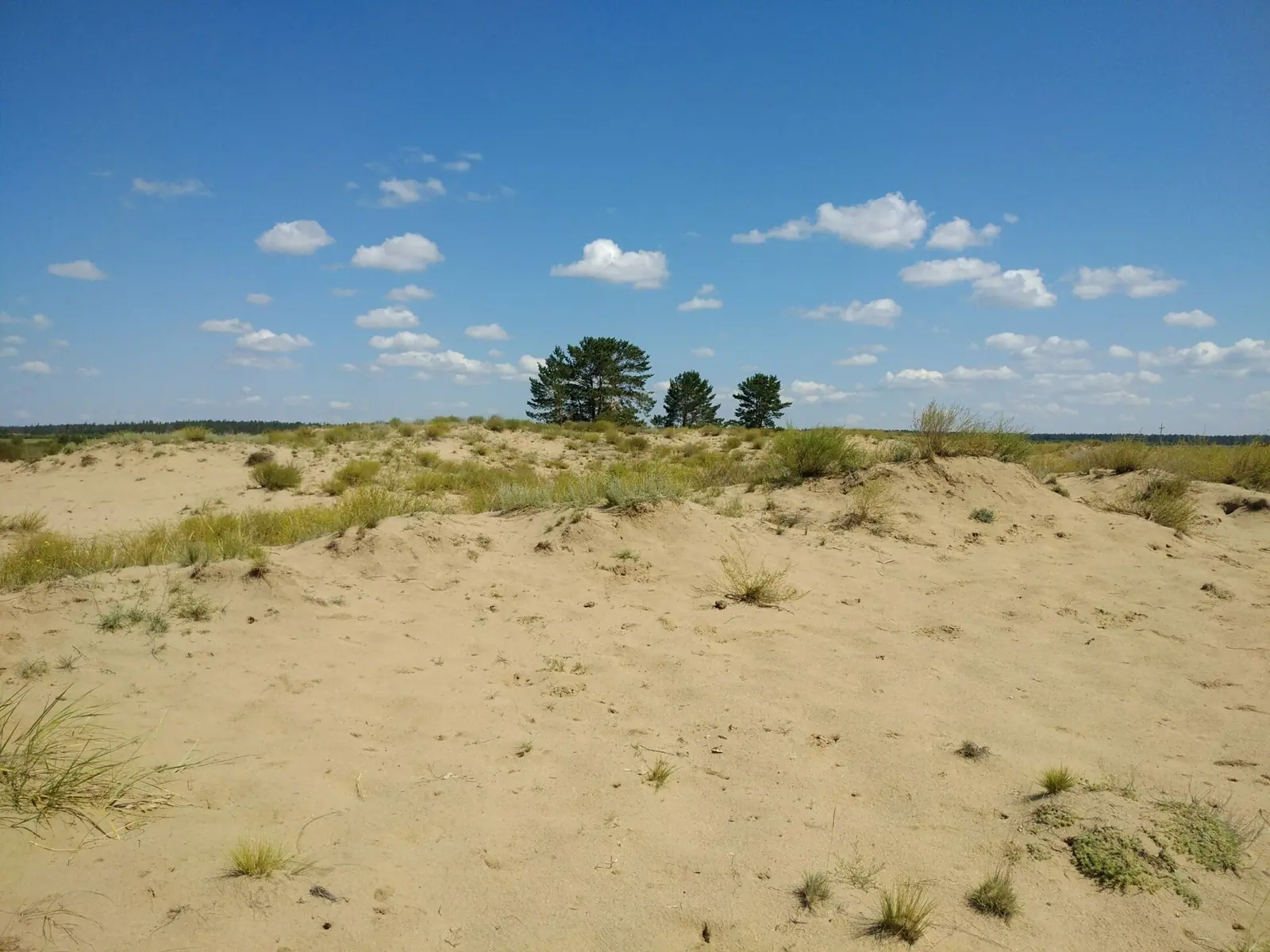
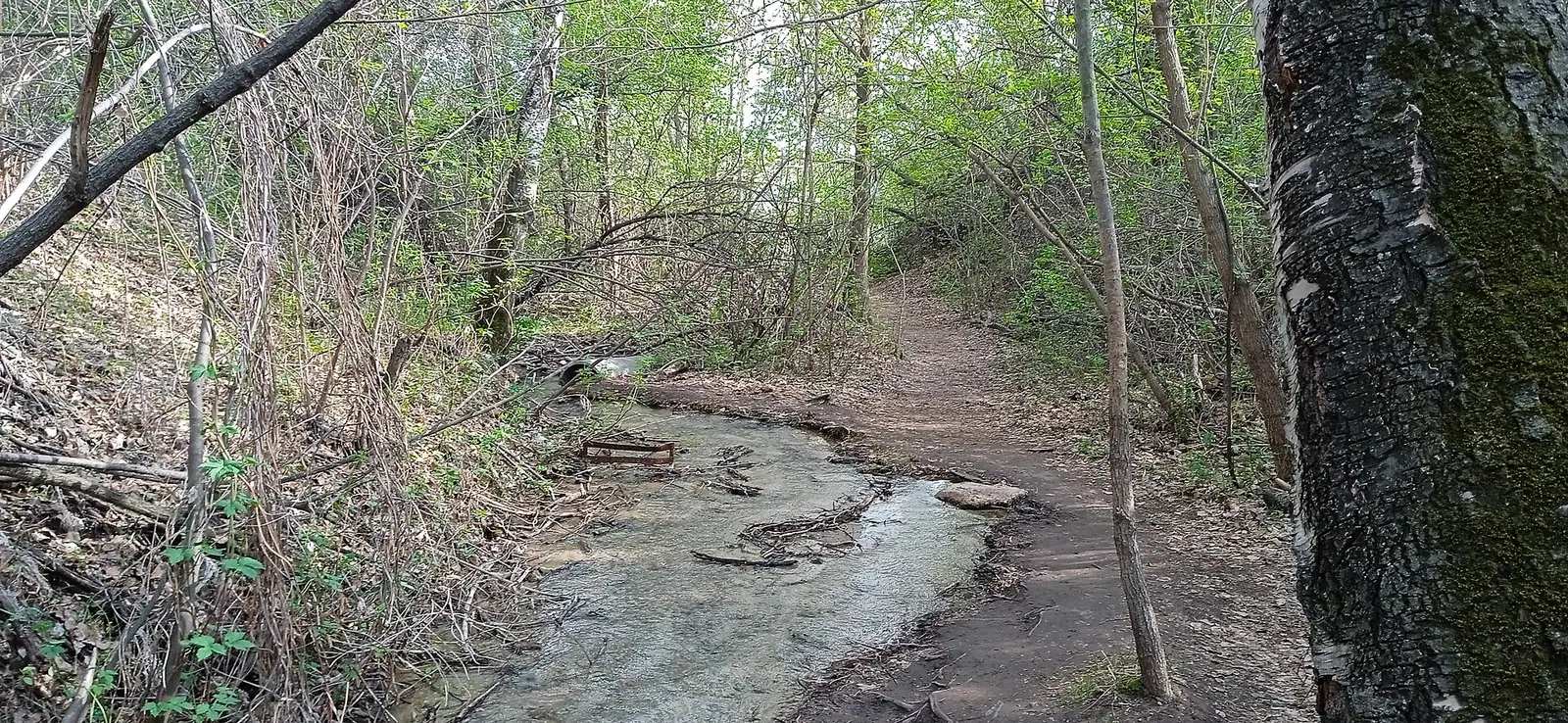
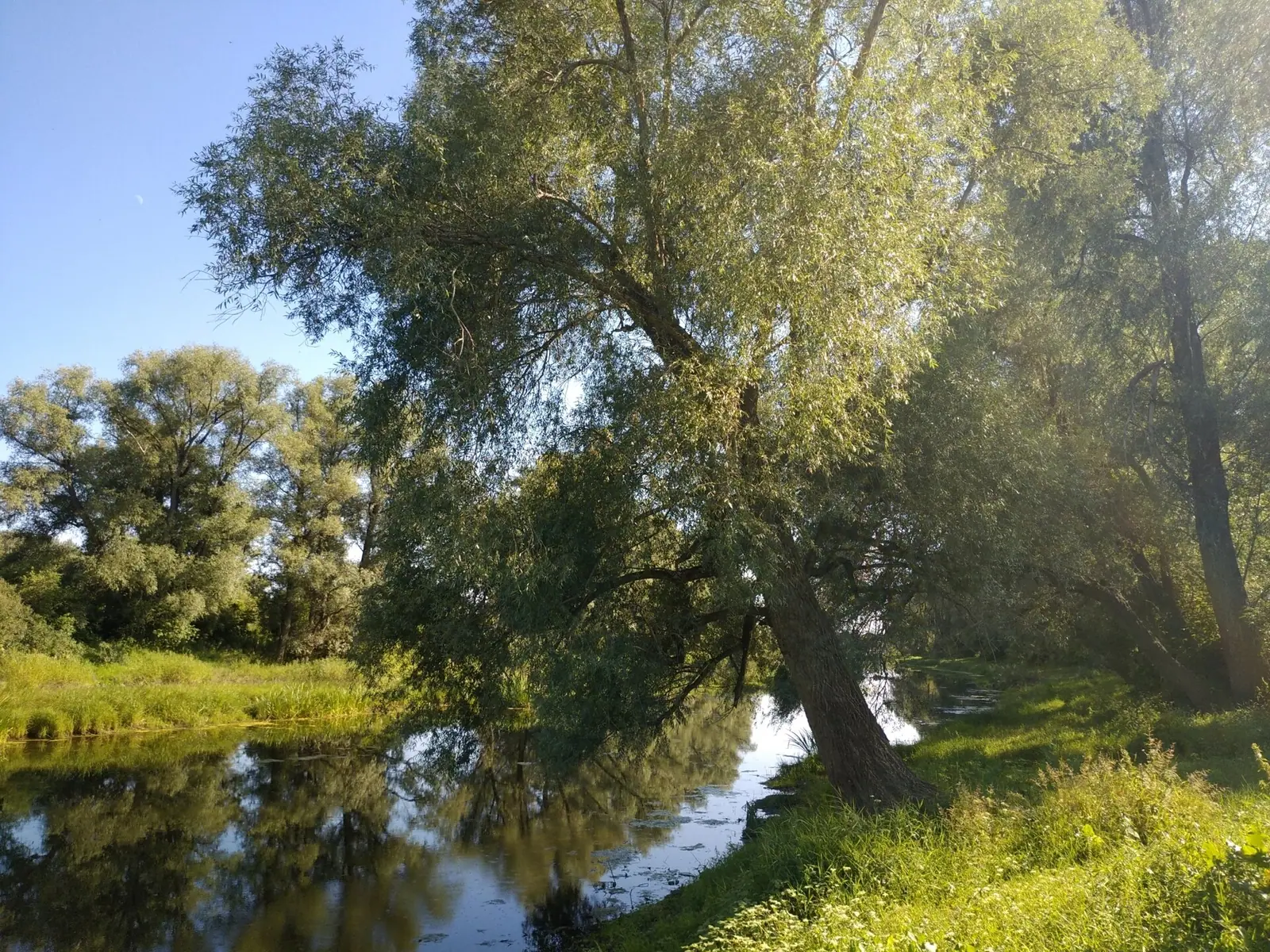
Real photos by travellers (Pexels, Unsplash, Wikimedia Commons); author and licence are given in each caption.
Semey Ormany is a state forest nature reserve that protects the ribbon pine forests of the Irtysh region around the city of Semey, in Kazakhstan’s Abai Region. It is a working protected landscape, not a single viewpoint. Pine belts on sand alternate with dry steppe, and the forest has been hit by repeated fires and illegal logging. Plan it as an add-on from Semey in the warm months, not as a trip on its own.
Where Semey Ormany is and what kind of place it is
The reserve covers forest land in several districts of northern Abai Region in east Kazakhstan: Beskaragay, Borodulikha, Zharma, Abai, Ayagoz and Kokpekty. It also includes land belonging to the city of Semey. Its centre point lies about 35 km in a straight line from Semey, so the city is the natural base. We could not confirm road distances or journey times to the reserve.
The reserve was created on 22 January 2003 by merging ten separate forest and wildlife protection agencies. Its stated purpose is to keep and restore the ribbon pine forests of the Irtysh region. These are narrow belts of pine on sand with groundwater close to the surface, set among dry feather-grass steppe. Most branches lie in the steppe zone. The Zharma branch lies in the desert zone.
| Key data | Figure |
|---|---|
| Status | State forest nature reserve |
| Created | 22 January 2003 |
| Area | 662,167 ha (Kazakh Wikipedia) |
| Main trees | Pine, birch, aspen |
| Vertebrate species | 354 |
| Nearest city | Semey, about 35 km in a straight line |
| Oskemen | about 206 km in a straight line |
| Pavlodar | about 274 km in a straight line |
The area figure appears only in the Kazakh-language article, and the boundaries have changed since 2003. Land was added in 2005 and 2008, and 804.2 ha were removed in 2014 for the Bulak hydropower plant. Treat the area as approximate.
Pine, steppe and a long list of birds
Most of the forest is pine, with birch and aspen, growing on sand. The ground layer is dominated by feather grass, fescue and wormwood. Wet hollows hold sedge, reed and bulrush. Kazakh Wikipedia counts 344 species of higher plants in the ribbon forests.
The animal list is long for a lowland forest: 354 vertebrate species, including 234 birds and 83 mammals. In the steppe-forest branches you can find elk, roe deer, wild boar, wolf, fox, corsac fox, badger and pikas. Larks, grey partridge, steppe eagle and pallid harrier are among the common birds, with waterfowl on the ponds. The Zharma branch adds argali and lynx. Marmot and brown bear live there too.
The reserve also has species listed in Kazakhstan’s Red Book. They include black stork, whooper swan, osprey, golden eagle, white-tailed eagle, saker falcon, demoiselle crane, peregrine, short-toed eagle, red-breasted goose and spoonbill. For a birder, this is the strongest reason to come. We could not confirm where in the reserve visitors are allowed to watch them, or whether a guide or permit is needed.
Fire is the main fact of this forest
Wildfire has shaped Semey Ormany’s recent history, and it should shape your visit too. Fires have started here in April, May, June and July, which overlaps the warm months when most visitors would come. One fire broke out near a city district and reached the edge of homes.
| Date | What happened |
|---|---|
| 10 July 2017 | 58.85 ha burned; lightning was the preliminary cause |
| 21 May 2018 | 260 ha burned, 218 ha of it conifer, near Semey’s Energetik district; careless use of fire was the preliminary cause |
| 23 April 2020 | Ground fire turned crown fire, about 300 ha by the first estimate, with gusts up to 18 m/s |
| 8 June 2023 | Fire in which 14 people died, according to official figures |
| 1 July 2023 | 1.2 ha of old burned ground caught fire; quickly put out |
The practical point is simple: no open fire, no cigarettes, no barbecues. Leave at once if you see smoke. In 2018, firefighters were slowed by sand dunes, thick smoke and illegal rubbish dumps on the access tracks. Do not drive deep into the forest on sand tracks in dry, windy weather.
Illegal logging also puts heavy pressure on the forest. A prosecutors’ check reported on 8 February 2023 found 1,890 cases of illegal felling. Wikipedia notes that the last forest restoration programme dates from 2014. Expect cleared patches and old burns, not untouched woodland.
When to go to Semey Ormany
Late spring to early autumn is the window. Winters are long and very cold.
Day high, °C / Night low, °C · Rain/snow, mm
A computed reanalysis normal for these coordinates, not weather station records.
Monthly figures
| Month | Day high, °C | Night low, °C | Rain/snow, mm |
|---|---|---|---|
| Jan | -11.6 | -20.2 | 14.2 |
| Feb | -8.7 | -18.4 | 16.7 |
| Mar | 0.7 | -9.1 | 26.4 |
| Apr | 14.8 | 1.6 | 20 |
| May | 20.2 | 6.8 | 27.6 |
| Jun | 26.5 | 14 | 29 |
| Jul | 27.6 | 15.5 | 54.3 |
| Aug | 26.2 | 12.6 | 30.6 |
| Sep | 19.2 | 6.1 | 26.5 |
| Oct | 9.9 | -0.1 | 36.2 |
| Nov | -1.8 | -9.5 | 31.6 |
| Dec | -7.8 | -16.2 | 24 |
These are ERA5 reanalysis normals for 2011–2020 at a grid point at 257 m, not readings from a weather station. The region has a sharply continental climate. Summer is hot and dry, and winter is cold with relatively little snow.
June to August bring daytime highs of about 26–27°C and nights around 13–16°C. July is the wettest month, with about 58 mm of rain. May and September are cooler, at about 19–20°C by day. From November to March, average daytime highs are below freezing. In January the average high is about −12°C and the average low about −20°C.
| Period | What to expect |
|---|---|
| May | Mild days, cool nights; early-season fire risk, as in 2018 |
| June–August | Warmest months; most rain in July; the main fire season |
| September | Cooler days around 19°C; a good balance |
| October | Highs near 10°C, nights near freezing |
| November–March | Frost all day on average; a winter forest walk only |
If you want warmth and lower fire danger, September or early June may be a reasonable compromise, though we found no month-by-month fire-risk data. Check fire warnings whatever month you choose.
Getting there and what we could not confirm
Semey is the only realistic base, about 35 km in a straight line from the reserve’s centre point. The reserve spreads across several districts, so one ’entrance’ may not exist. We could not confirm any visitor centre, marked trail, entry fee, opening hours, public transport or permit rules.
Access without local help is unclear. You will need local help in Semey to reach a forestry branch and to ask what is open.
If you are travelling further around east Kazakhstan, Lake Zaysan and the Rakhmanov Springs in the Altai are the closest pages on this site. Both are still hundreds of kilometres away.
- Whether visitors need a permit or must pay to enter any branch of the reserve
- Whether forest areas are closed to the public during fire danger periods
- Public transport or road access from Semey to specific forest sections
- Whether there are any marked trails or visitor facilities
Semey Ormany, the protected ribbon pine forests around Semey: tips before you go
- Never light a fire or smoke here. Fires broke out in April 2020, May 2018 and June and July 2023.
- For mild weather and fewer storms, choose early June or September, when daytime highs are about 19–26°C.
- Avoid sand tracks deep in the forest on dry, windy days. In 2018, dunes and smoke slowed fire crews.
- Birders should bring binoculars: 234 bird species are recorded, including eagles, falcons and demoiselle crane.
More to see nearby


Frequently asked questions
What is Semey Ormany?
How far is Semey Ormany from Semey?
What animals live in Semey Ormany?
Is it safe to visit Semey Ormany in summer?
Sources
Read also
 Almaty Zoo in Kazakhstan: opening hours and how to visit
 Ayusai Gorge, Almaty: visitor centre and waterfall trail
 Gorelnik Gorge above Medeu: waterfalls, trail and season
 Kamenskoe Plateau above Almaty: observatory and trails
 Pervomaiskie Ponds near Almaty: location, swimming, season
 Saty village: base for the Kolsai and Kaindy lakes