Visiting the National Museum of Kazakhstan in Astana: when to go, month by month
- January: good
- February: good
- March: good
- April: good
- May: best time
- June: best time
- July: best time
- August: best time
- September: best time
- October: good
- November: good
- December: good
The museum is indoors and works in any month. May to September is better because Astana's winter highs stay well below freezing, which makes walking round Independence Square hard.
Visiting the National Museum of Kazakhstan in Astana: why go
Golden Man in the Hall of Gold
Ancient nomad gold from the Issyk kurgan, the Chilikty and Berel sites and the Taldy burial ground, displayed in one hall.
Kazakhstan's history in one building
The halls run from Stone Age tools to the 20th century, covering famine, repression, the Semipalatinsk test site and the Virgin Lands campaign.
National Museum on Independence Square
The museum sits on Independence Square near the Palace of Independence, the Palace of Peace and Reconciliation and the Hazret Sultan Mosque.
An indoor visit for Astana's winter
January highs average about −11 °C, so the museum is one of the few sights that works just as well in midwinter as in summer.
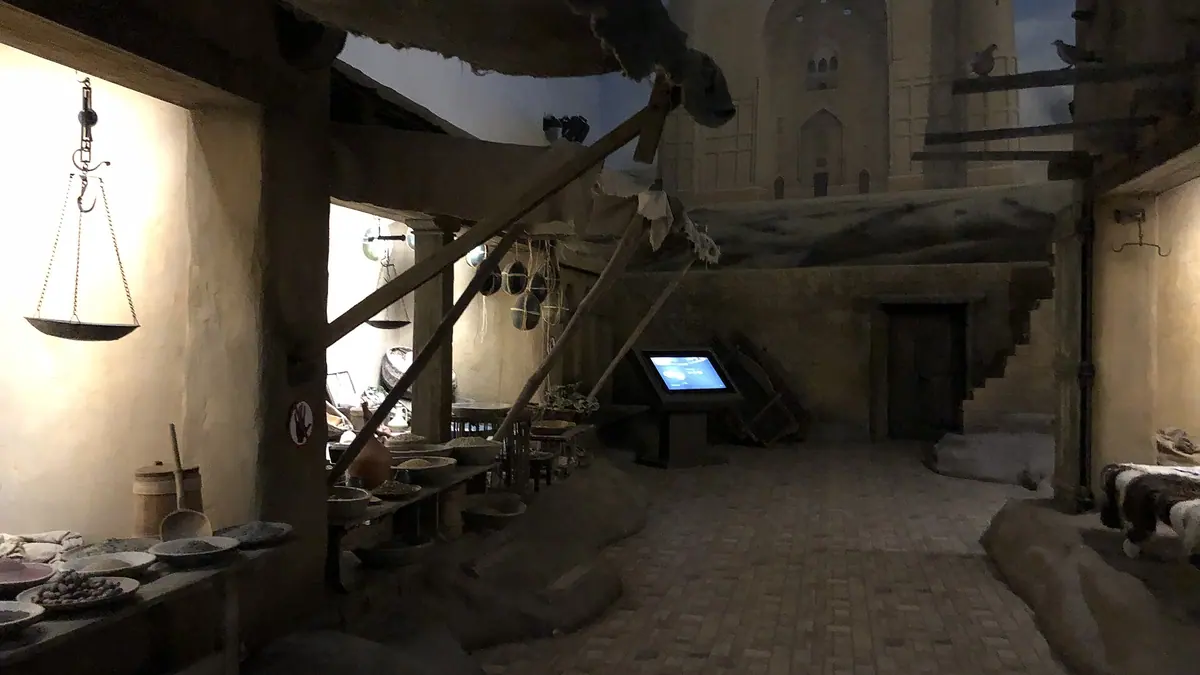
A moving model of Astana
The Astana hall has a moving model of the city centre alongside archive plans, and other halls use holograms and a media floor.
Visiting the National Museum of Kazakhstan in Astana in photos
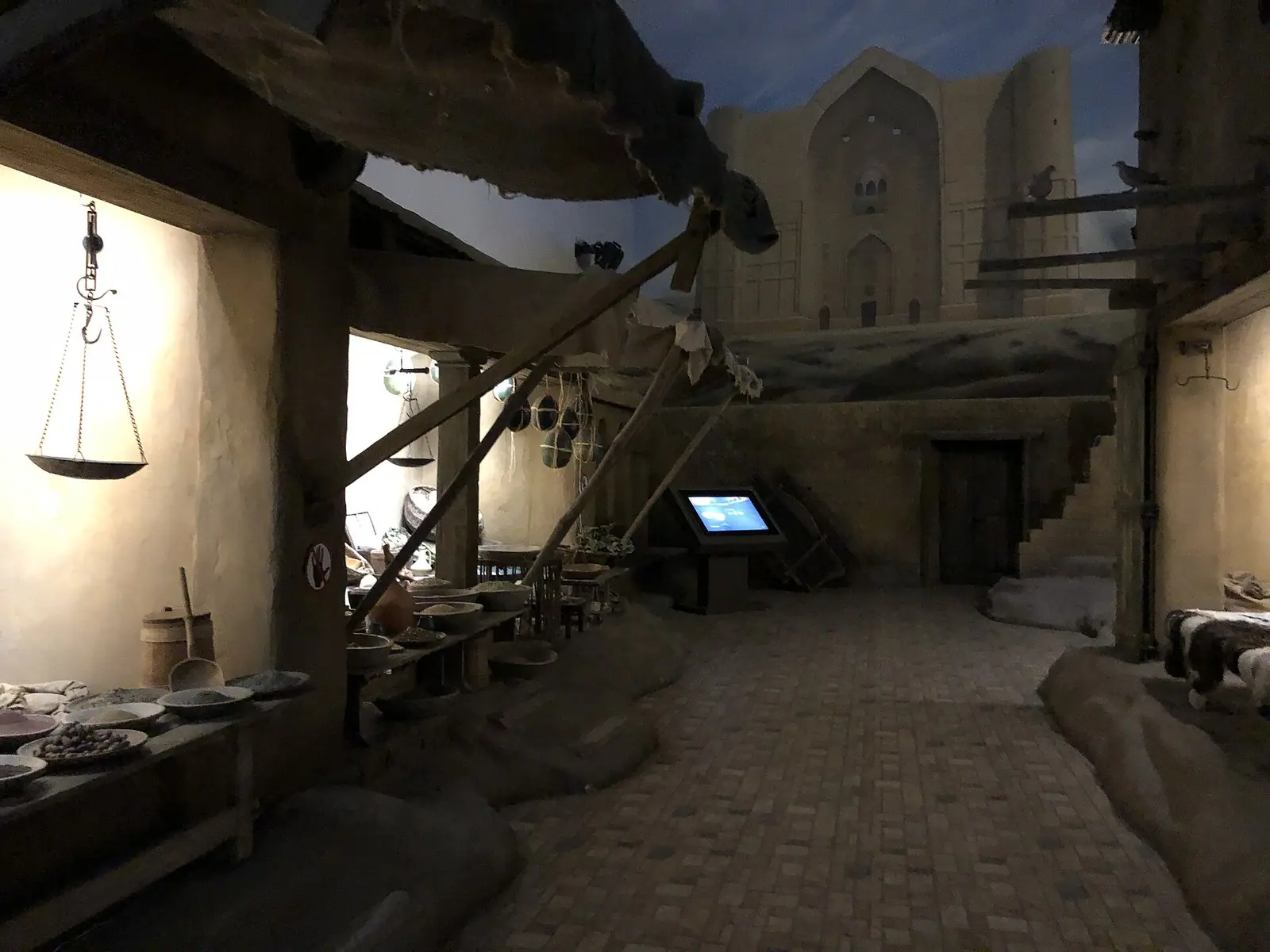
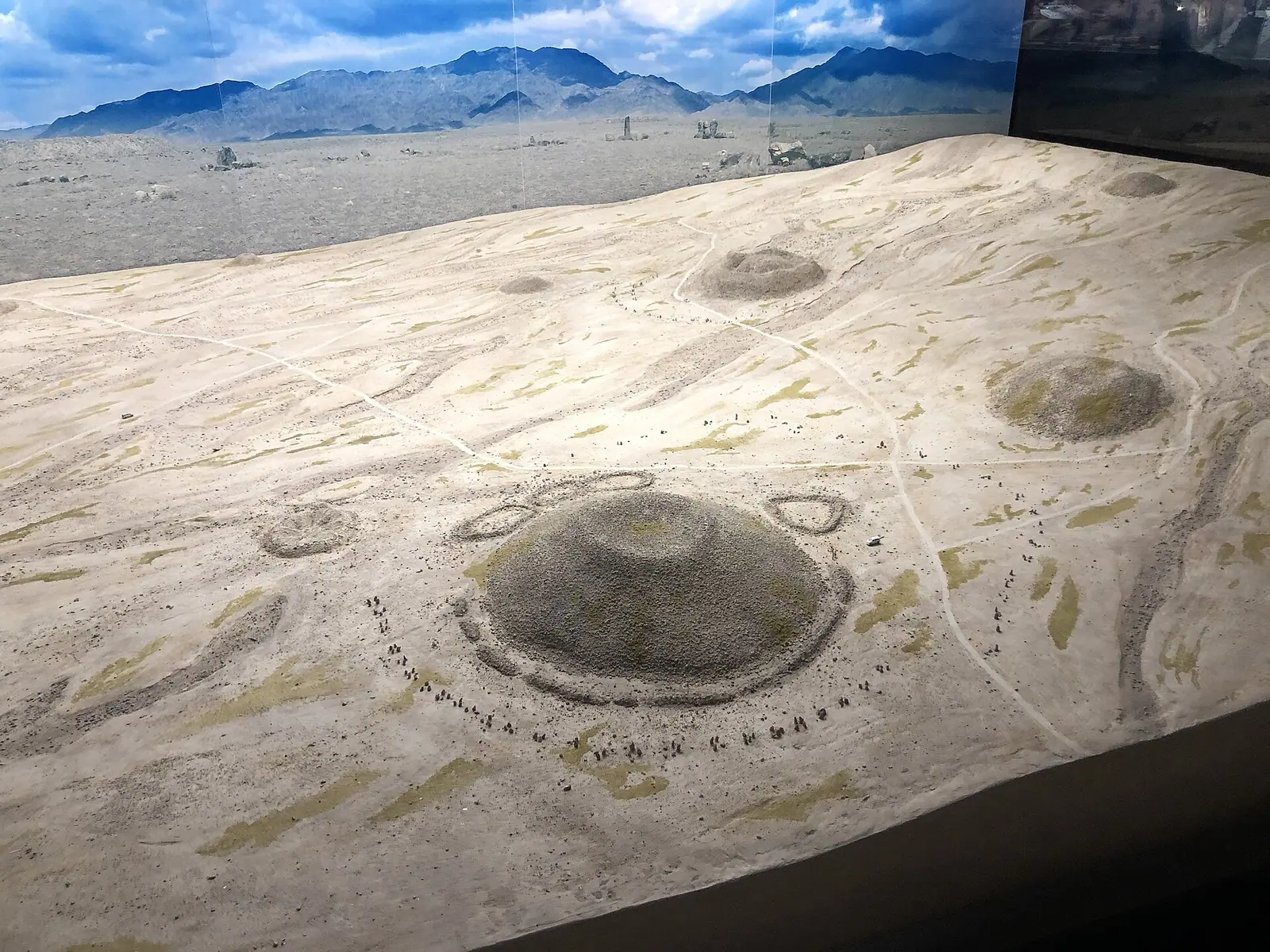
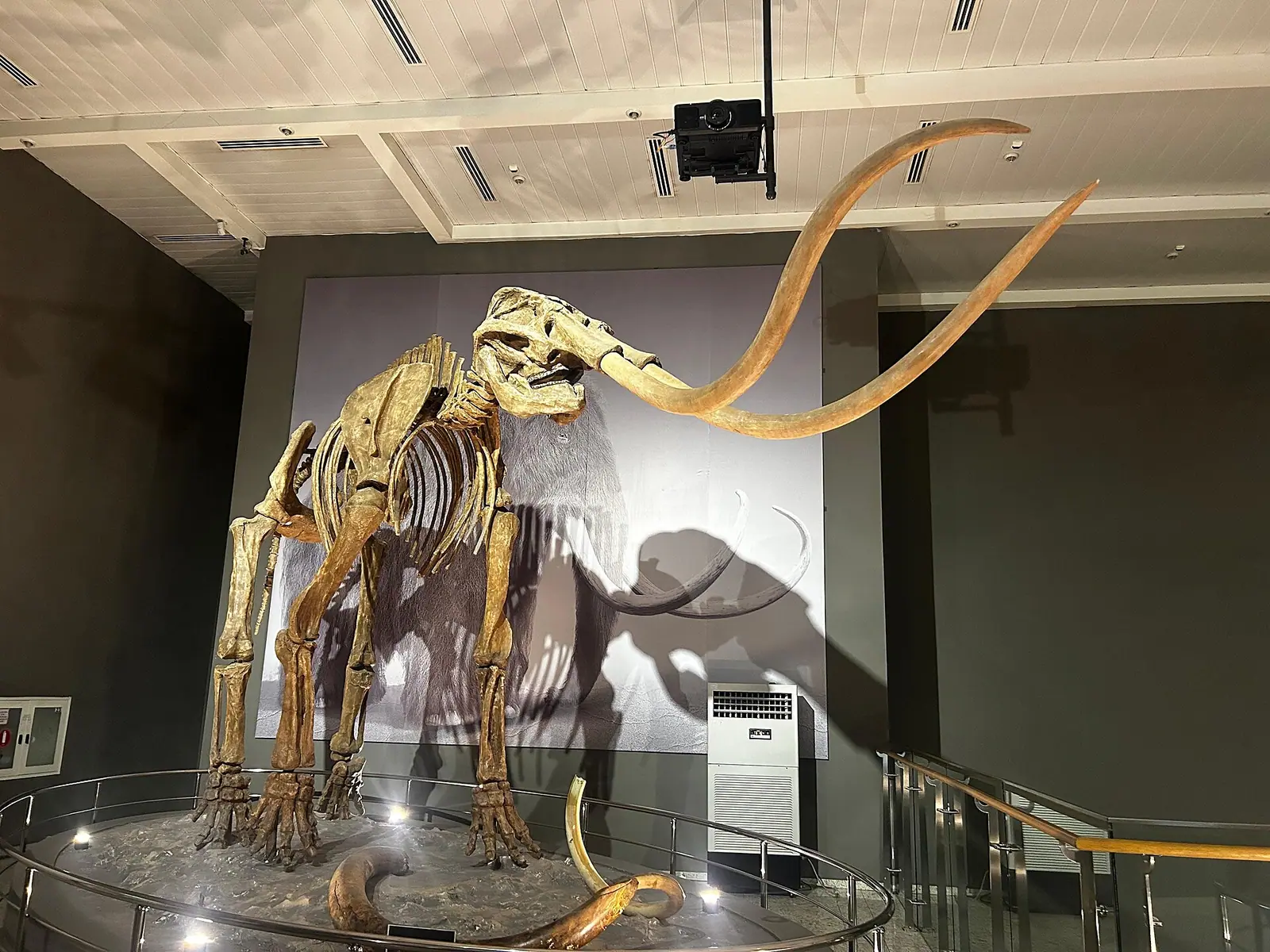
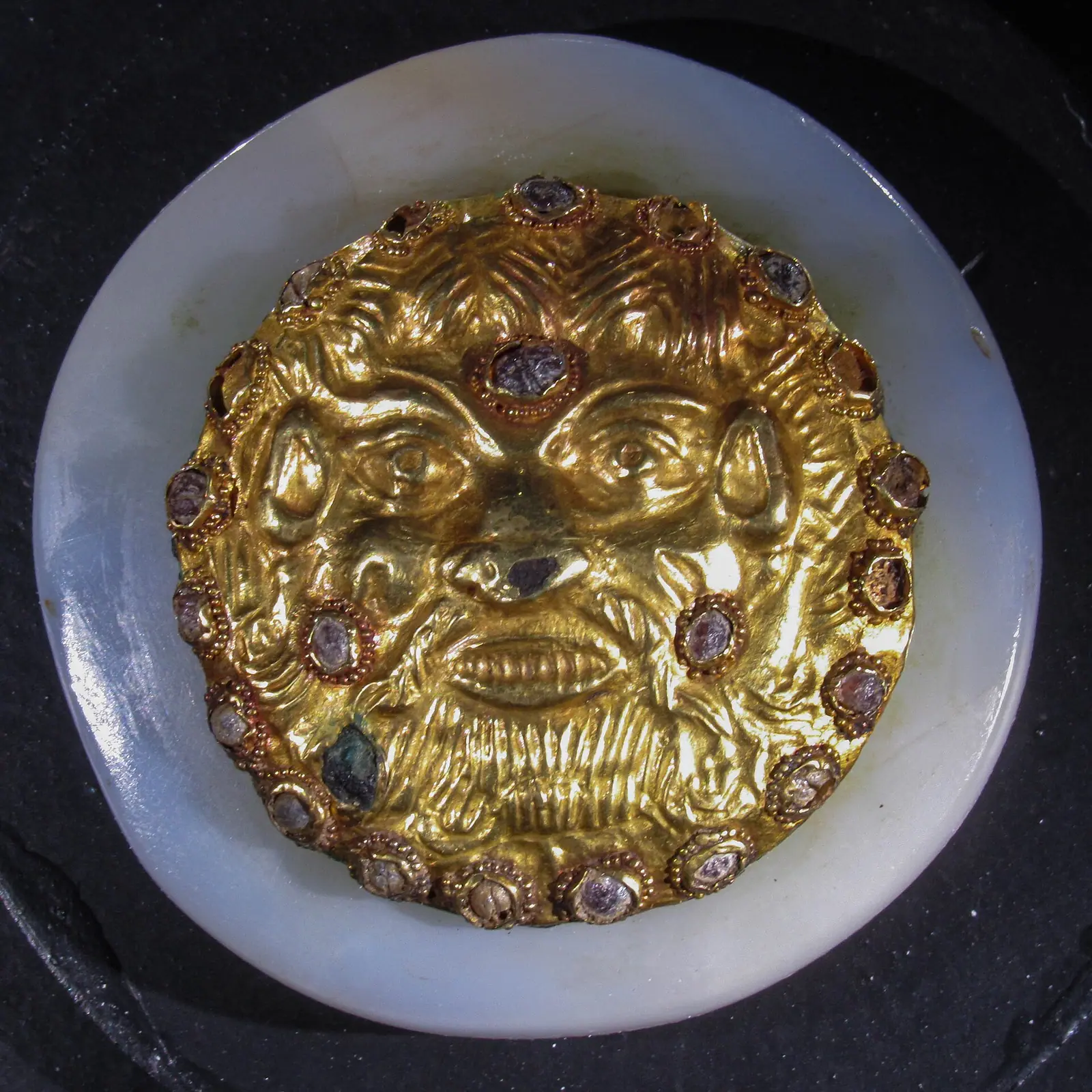
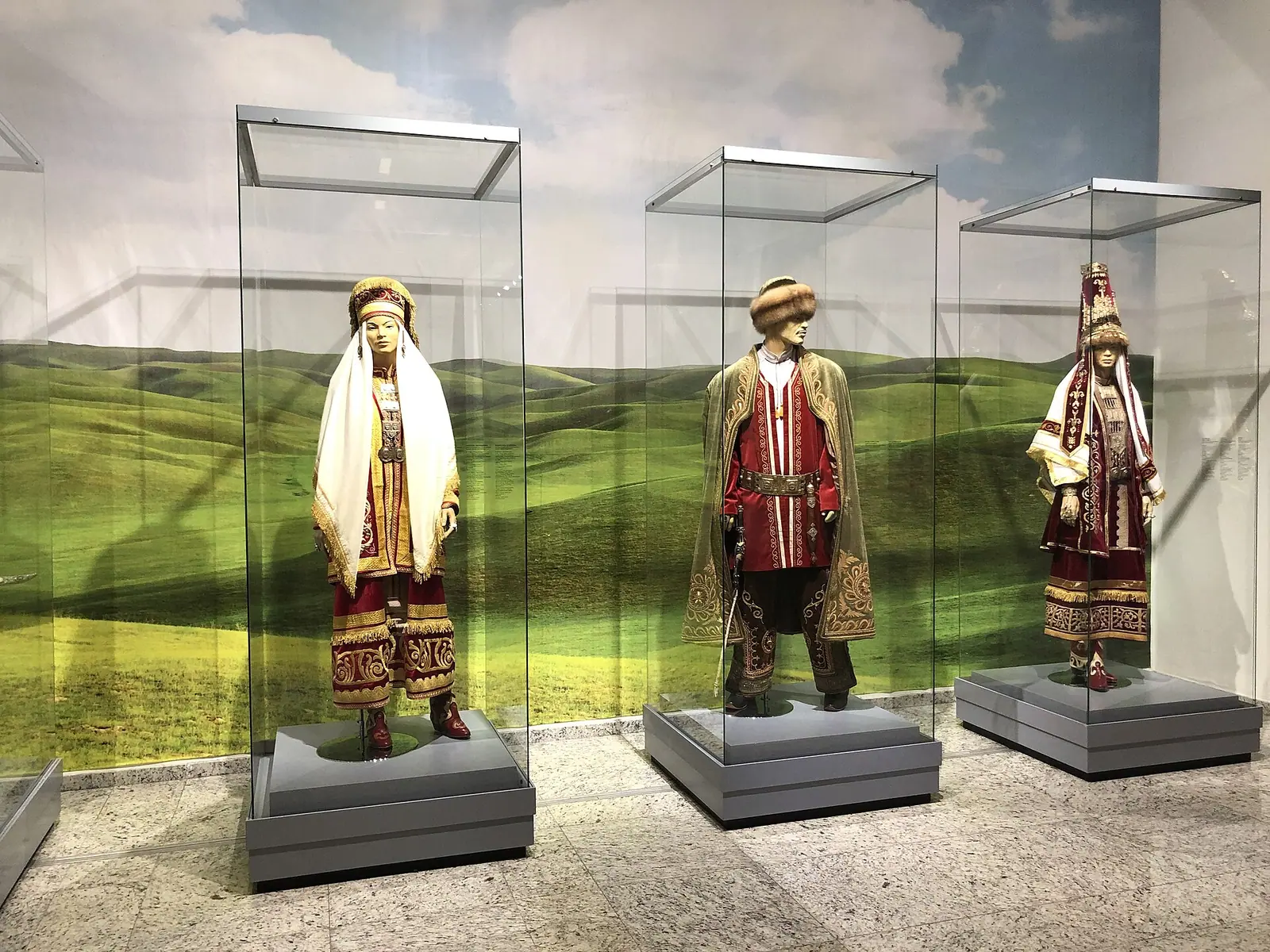
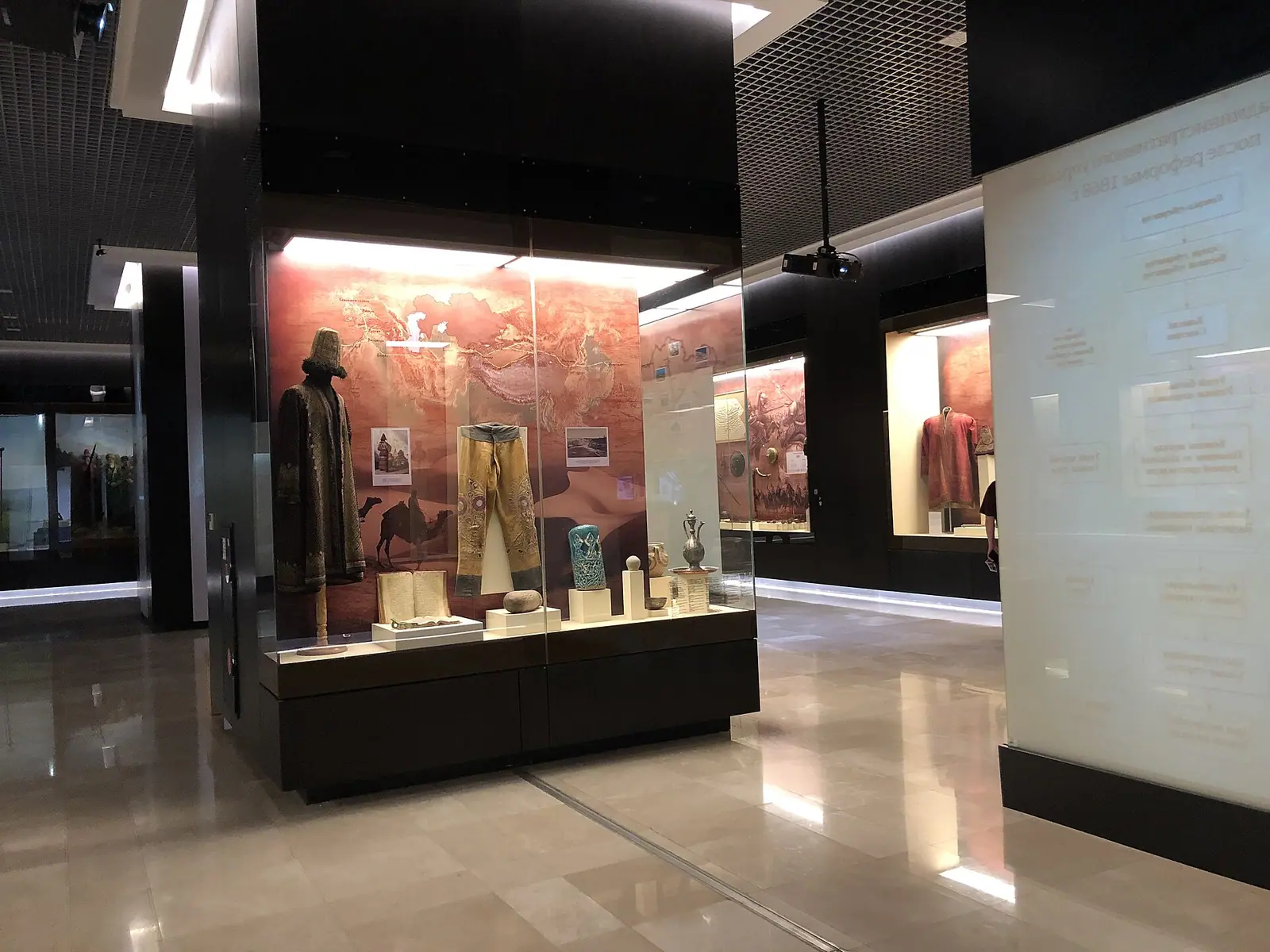
Real photos by travellers (Pexels, Unsplash, Wikimedia Commons); author and licence are given in each caption.
The National Museum of Kazakhstan is in Astana, the capital. English Wikipedia describes it as the largest museum in Central Asia when it was built in 2014. It traces the country’s history from the Stone Age to the present across thematic halls, and its Hall of Gold displays ancient nomad gold, including the Golden Man from the Issyk kurgan.
The National Museum of Kazakhstan in numbers
The museum is a large modern complex. Its main figures are clear, but the Russian, English and Kazakh Wikipedia articles disagree on several details. The table shows where they agree and where they differ.
| Item | What sources say |
|---|---|
| Location | Astana, on Independence Square |
| Founded or opened | 2 July 2013 (Russian Wikipedia, government decree No. 675); 2 July 2014 (Kazakh Wikipedia, same decree number) |
| Total floor area | 74,000 m² |
| Exhibition area | About 14,000 m² |
| Building | Seven blocks; 2 to 8 floors (Russian), 1 to 9 floors (English), up to 9 (Kazakh) |
| Halls | 11 exhibition halls (English); 14 exhibition halls and 20 in total (Kazakh) |
| Exterior | Blue glass and white marble |
| Architect | Vladimir Laptev |
For a visitor, the exact date matters little. The scale does: 14,000 m² of exhibits is more than a quick stop. Choose two or three halls in advance rather than trying to see everything.
Which halls to see and what is in them
The core halls follow the country’s history in order, then move on to the present day and to art. The Kazakh article also lists newer halls on ancient Turkic civilisation, intangible heritage and palaeontology, along with a craftsmen’s centre.
| Hall | What you find there |
|---|---|
| Ancient and Medieval History | Stone Age tools, Bronze and Iron Age finds, medieval ceramics and coins |
| History (15th–20th centuries) | Old photographs and books, household items, weapons of Kazakh batyrs; the revolution, repression and famine, the Second World War, Afghanistan, the Semipalatinsk test site, the Virgin Lands campaign |
| Gold | Gold objects of ancient nomads from archaeological excavations |
| Ethnography | Jewellery, traditional clothing, a yurt, everyday objects |
| Independent Kazakhstan | Modern history, economy, culture and art |
| Astana | Photographs, plans, architectural models and a moving model of the city centre |
| Modern Art | Paintings, graphics, lithographs and installations by Kazakh artists from the late 20th and early 21st centuries |
If you have limited time, the Gold, Ethnography and 15th–20th century history halls are a reasonable short list for a first-time visitor. The History hall covers hard subjects such as famine and nuclear testing. That context helps if you later travel to the steppe.
The Hall of Gold and the Golden Man
The Hall of Gold displays gold objects of ancient nomads from archaeological excavations. Its centrepiece is the Golden Man, found in the Issyk kurgan and listed by English Wikipedia as the museum’s notable exhibit under the name Issyk Golden Cataphract Warrior. Russian Wikipedia also mentions a Sarmatian warrior found in Atyrau and finds from the Chilikty and Berel sites and the Taldy burial ground.
We could not confirm whether every object on display is an original or a reconstruction. If that matters to you, ask at the hall or check the labels.
Screens, models and the language question
The museum relies heavily on media. The Kazakh article describes a curved screen shared by two halls, a media floor, holograms, touch-screen kiosks and a moving model of central Astana. It also mentions a multimedia guide that gives information in three languages.
The sources do not name those three languages. We could not confirm that English is one of them, or that the hall labels are translated. If you do not read Russian or Kazakh, check guide options before you start, or the screens will be of little use to you. The complex also includes a children’s museum and a children’s creativity centre, which can help families with younger visitors.
Independence Square: the museum and its neighbours
The museum stands on Independence Square. According to Kazakh Wikipedia, its building was designed to fit with the Kazakh Eli monument, the Palace of Independence, the Palace of Peace and Reconciliation, the Hazret Sultan Mosque and the Kazakh National University of Arts nearby. You can combine the museum with a walk round the square. If you enter the mosque, dress modestly and treat it as a place of worship.
The complex is about 5 km in a straight line from the reference point used for Astana. We could not confirm bus routes or walking times from the city centre.
When to go: indoors all year, outdoors only in the warm months
The museum is indoors, so any month works. The weather matters only for the walk round the square and for the trip to the museum. The figures below are computed normals for 2011–2020 from the ERA5 reanalysis at a grid point at 353 m, not readings from a weather station.
Day high, °C / Night low, °C · Rain/snow, mm
A computed reanalysis normal for these coordinates, not weather station records.
Monthly figures
| Month | Day high, °C | Night low, °C | Rain/snow, mm |
|---|---|---|---|
| Jan | -11.2 | -18.6 | 15.4 |
| Feb | -9.4 | -17.5 | 15.1 |
| Mar | -1 | -9.2 | 23.8 |
| Apr | 13.3 | 1.5 | 28.4 |
| May | 20.4 | 7 | 30.5 |
| Jun | 25.3 | 12.9 | 43.1 |
| Jul | 26.2 | 14.5 | 59.8 |
| Aug | 25.4 | 12.6 | 27.7 |
| Sep | 18.6 | 6.6 | 23.4 |
| Oct | 9 | 0 | 33.7 |
| Nov | -3.1 | -9.8 | 30 |
| Dec | -8.8 | -15.8 | 24.4 |
Astana’s winter is severe. From December to February average highs stay between −8.6 and −11 °C, and nights drop to about −15 to −18 °C. In those months, go straight to the museum and plan little time outside. From May to September highs are about 19–26 °C, which is comfortable for walking round the square. July is the warmest month and also the wettest, with about 60 mm of precipitation. In March and November highs hover around or below freezing.
| Period | Inside the museum | Around the square |
|---|---|---|
| Dec–Feb | Fine | Harsh cold, keep walks short |
| Mar–Apr, Oct–Nov | Fine | Cool to freezing, dress in layers |
| May–Sep | Fine | Comfortable; July brings the most rain |
Combining the museum with the steppe and lakes
The museum covers the whole country, so it works well before or after a trip into the countryside. The nearest places with pages on this site are still a long way off. Zerenda, a lake among pine hills near Kokshetau, is about 258 km in a straight line. Ulytau, the granite hills in the central steppe, is about 424 km away. Further south, Lake Balkhash lies about 567 km away. Those are overnight trips, not afternoon add-ons.
More addresses by theme, from nomad gold to the Gulag, are in our list of museums in Kazakhstan.
- Opening hours and weekly closing days
- Ticket prices and whether tickets must be booked in advance
- Whether English labels or an English audio guide are available
- Public transport routes from central Astana to Independence Square
- Photography rules inside the halls
Visiting the National Museum of Kazakhstan in Astana: tips before you go
- Prioritise the Gold, Ethnography and 15th–20th century history halls: the exhibition area is about 14,000 m².
- Before you go, ask which three languages the multimedia guide uses. We could not confirm English.
- In Dec–Feb, highs average −8.6 to −11 °C: skip the walk round the square or keep it short.
- If you plan to see Zerenda or Ulytau, visit the museum first for the historical context of the steppe.
More to see nearby


Frequently asked questions
Where is the National Museum of Kazakhstan?
How big is the National Museum of Kazakhstan?
When did the National Museum of Kazakhstan open?
Is the Golden Man on display at the museum?
Is the museum worth visiting in winter?
Sources
Read also
 Almaty Zoo in Kazakhstan: opening hours and how to visit
 Ayusai Gorge, Almaty: visitor centre and waterfall trail
 Gorelnik Gorge above Medeu: waterfalls, trail and season
 Kamenskoe Plateau above Almaty: observatory and trails
 Pervomaiskie Ponds near Almaty: location, swimming, season
 Saty village: base for the Kolsai and Kaindy lakes