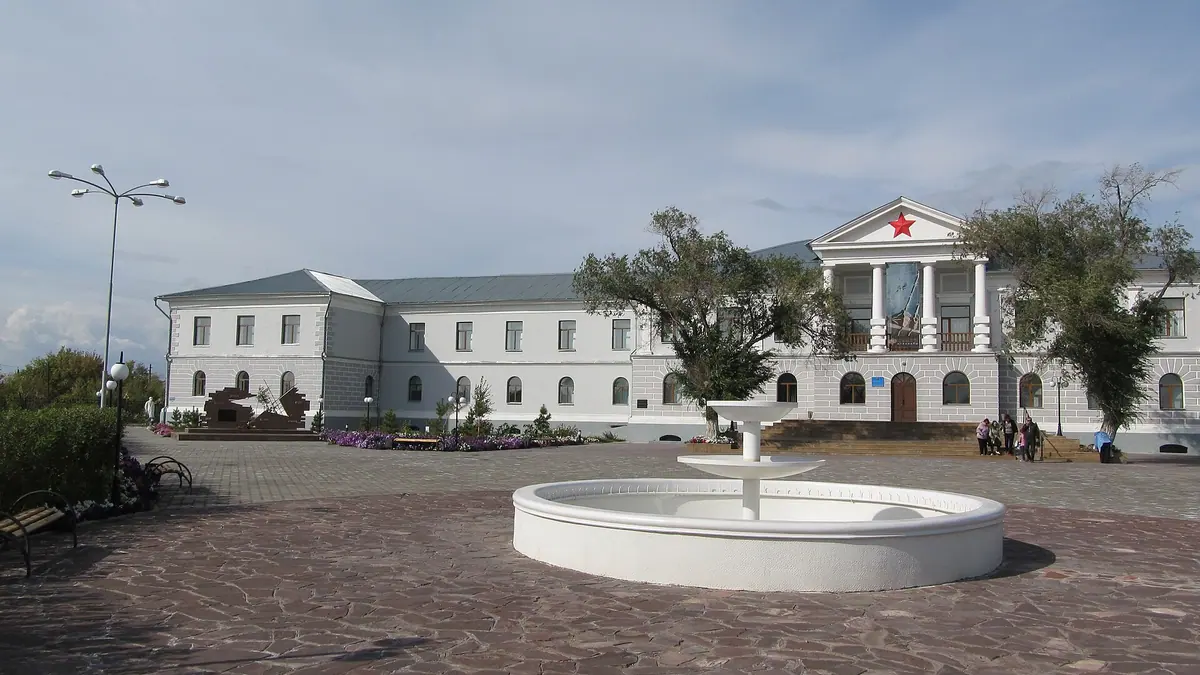
Visiting the Karlag Museum in Dolinka, at the former centre of a Gulag camp: when to go, month by month
- January: possible
- February: possible
- March: possible
- April: good
- May: best time
- June: best time
- July: good
- August: good
- September: best time
- October: good
- November: possible
- December: possible
The museum is indoors, but winters average well below freezing, so May and September are the easiest months to travel.
Visiting the Karlag Museum in Dolinka, at the former centre of a Gulag camp: why go
Karlag Museum in Dolinka
Set in the village that was the camp's administrative centre, the museum, founded in 2001, tells the story of a Gulag camp active until 1959.
A camp across a vast territory
Karlag stretched about 300 km north to south and 200 km east to west, with 19 farm divisions and two railway lines crossing its land.
A day trip from Karaganda
Dolinka is about 34 km in a straight line from Karaganda and 186 km from Astana; we could not confirm public transport to the village.
Hard winters around Karlag
Highs stay below zero from November to February and January nights average about -17.6 °C; May and September bring days near 19–20 °C.
Releases of mothers in 1950
After a decree of 22 August 1950, 2,886 women left the camp, among them 785 pregnant women and 706 with young children outside.
Visiting the Karlag Museum in Dolinka, at the former centre of a Gulag camp in photos
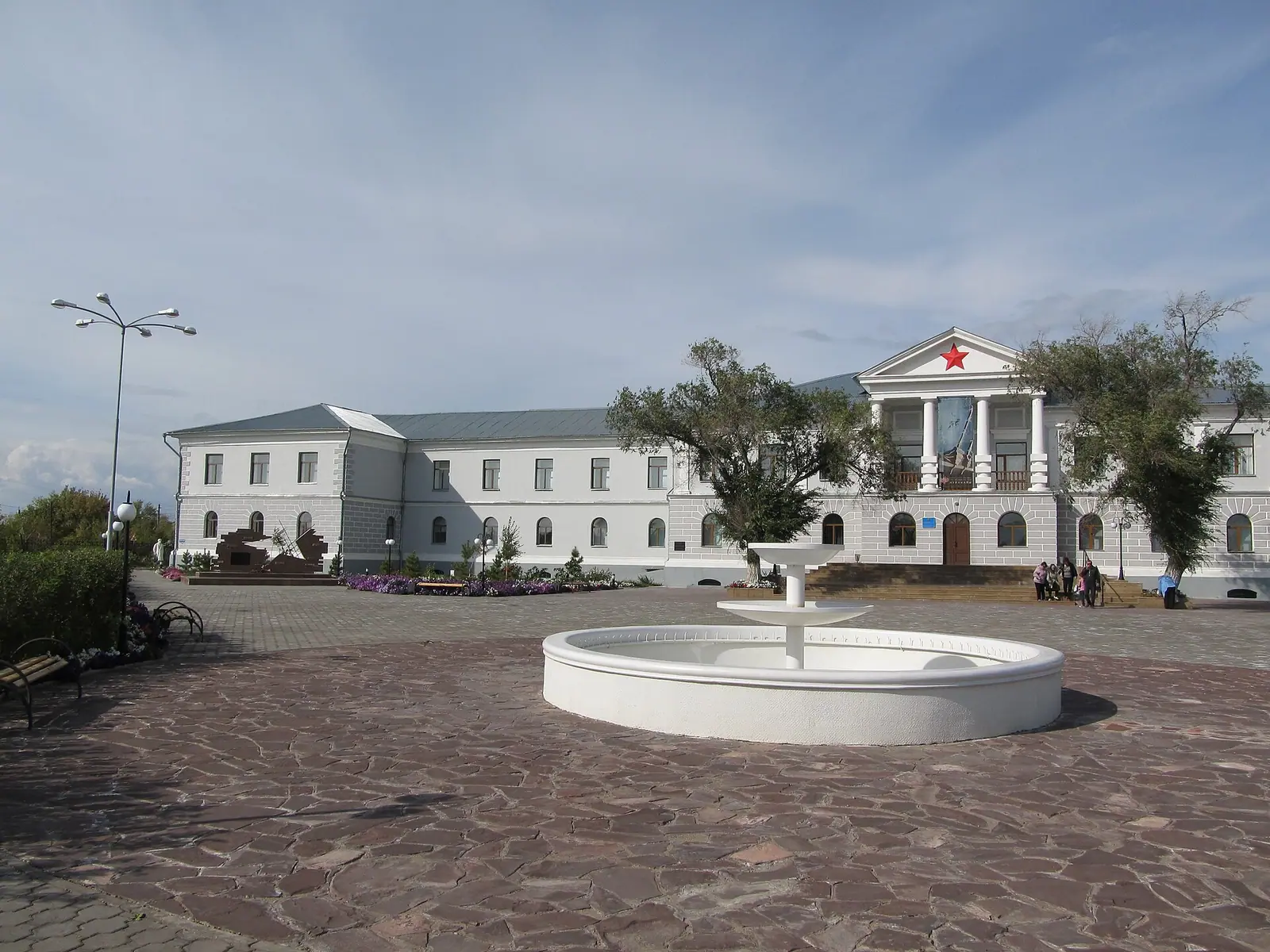
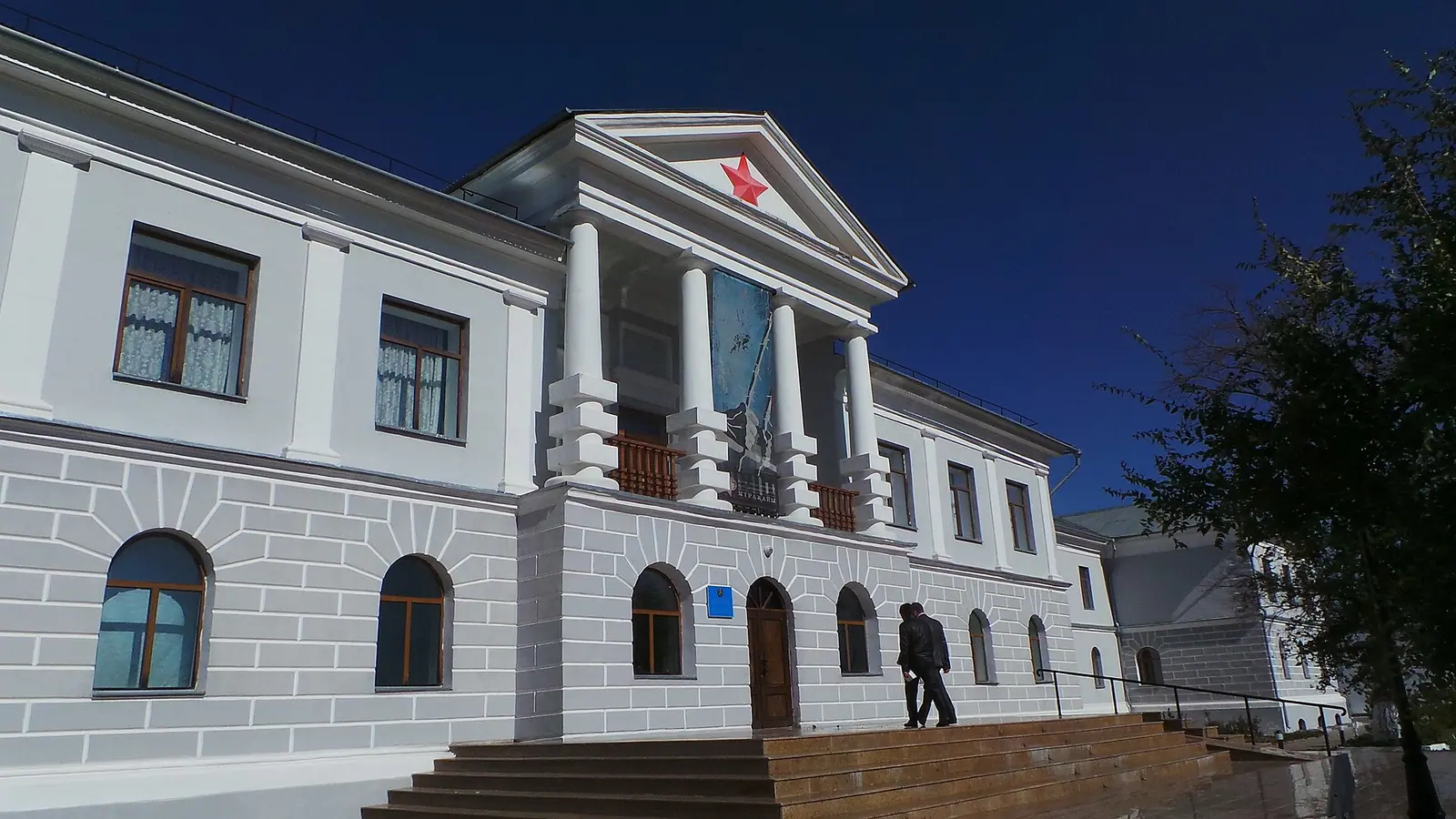
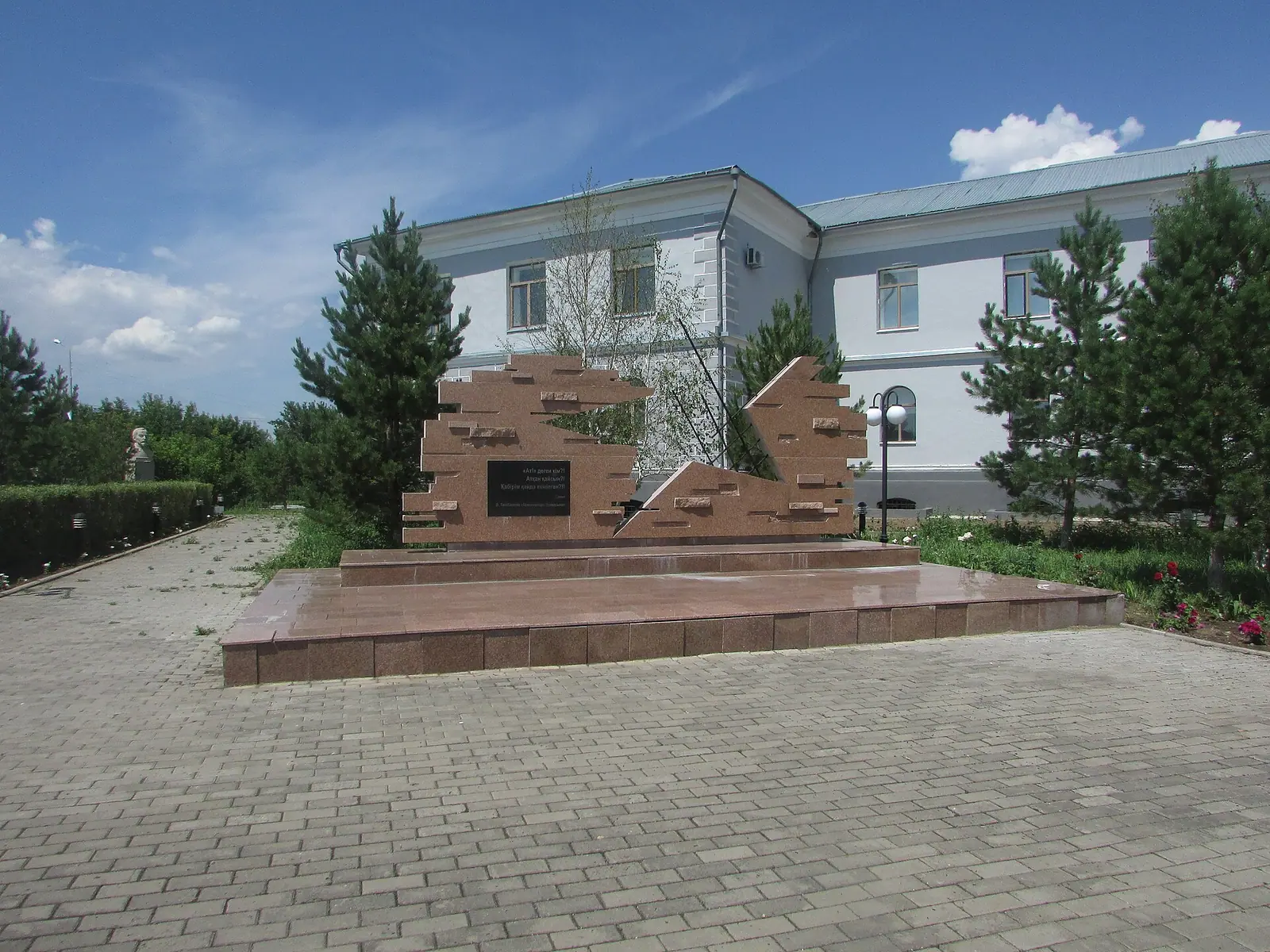
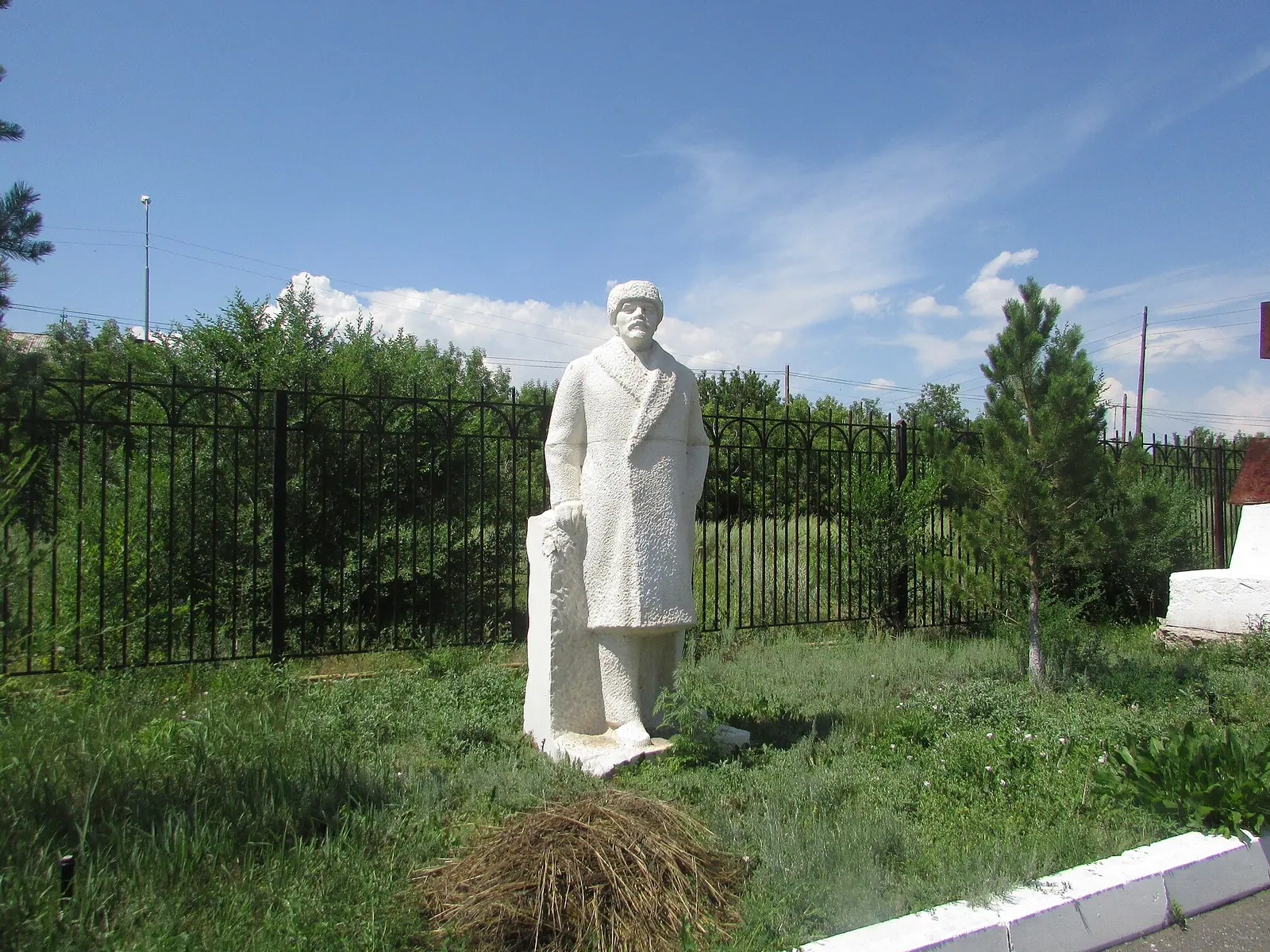
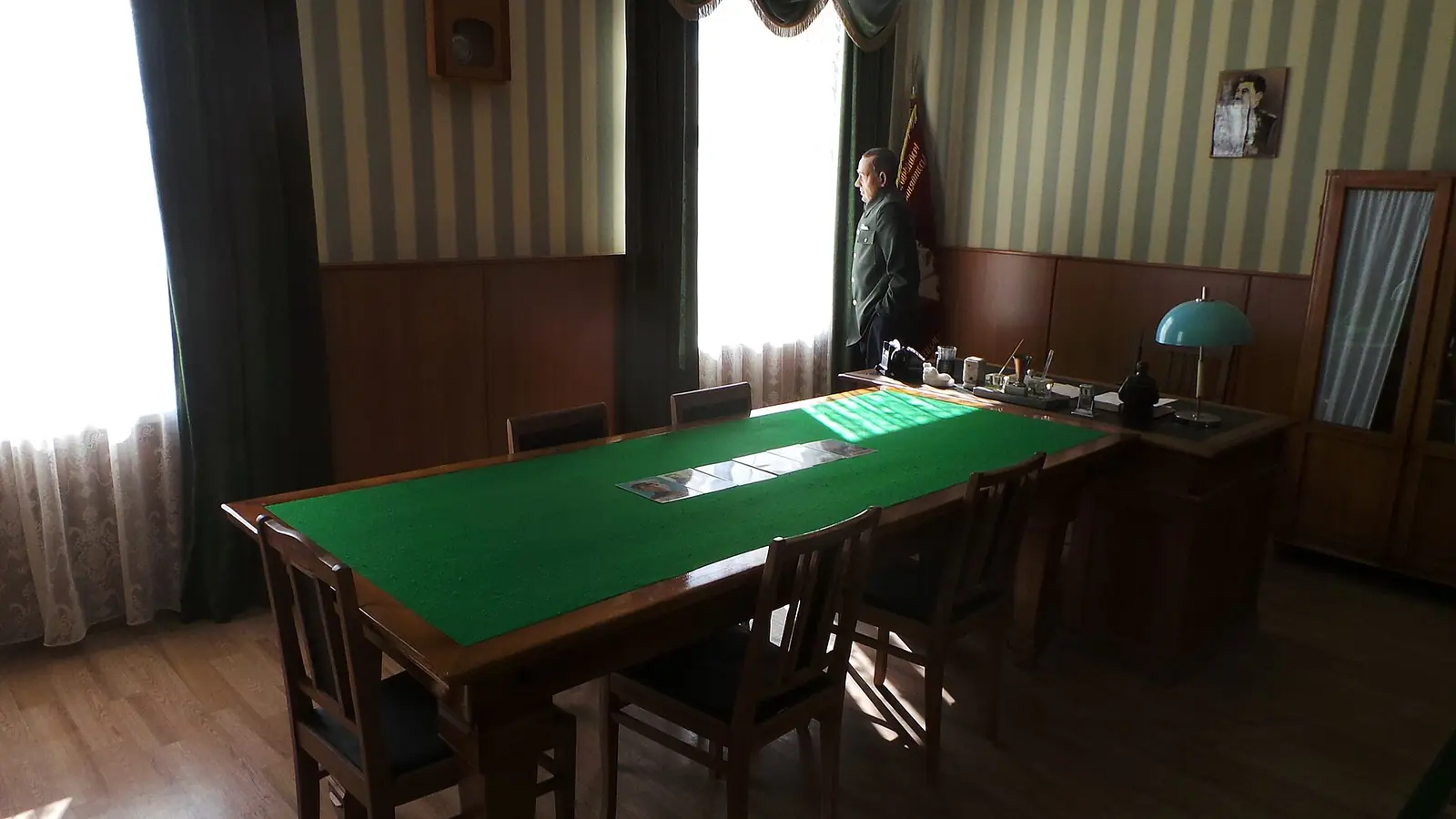
Real photos by travellers (Pexels, Unsplash, Wikimedia Commons); author and licence are given in each caption.
The Karlag Museum stands in Dolinka, the village that served as the administrative centre of Karlag, one of the largest Gulag labour camps. It lies in central Kazakhstan, about 34 km in a straight line from Karaganda and about 186 km from Astana. This is a day trip from Karaganda for travellers interested in Soviet history, not a nature outing.
What Karlag was
Karlag, short for the Karaganda Corrective Labour Camp, was a Gulag camp that operated in Karaganda Region from the early 1930s until 1959. English Wikipedia puts the total number of inmates over its history at more than 1,000,000. Many were sentenced as “enemies of the people” under Article 58. After the Second World War a further wave arrived: Soviet former prisoners of war returned from German captivity.
The camp was built as a food base for the growing coal and copper industry of central Kazakhstan: the Karaganda Coal Basin and the copper smelters at Zhezkazgan and Balkhash. Prisoners farmed, herded livestock and built railways, barracks and processing plants. The local Kazakh, Russian, Ukrainian and German population was deported from the camp lands in 1931.
| Key figure | Value |
|---|---|
| Years of operation | 1930/1931–1959 |
| Extent | about 300 km north–south, 200 km east–west |
| Area by 1940 | 1,780,650 ha (about 17,800 km²) |
| Prisoners in 1934 | 25,000 |
| Farm workers 1939–1941 | 40,000 |
| Total inmates over its history | over 1,000,000 (English Wikipedia) |
| Closed | 27 July 1959 |
The scale matters for a visit: Karlag was not a single fenced compound but a vast territory with 19 farm divisions. Dolinka was its head office, which is why the museum is there.
Sources disagree on when the camp was founded
There is no single founding date, so do not be surprised if the museum or other books give a different one. The Russian, English and Kazakh Wikipedia articles each stress a different step.
| Date | What happened | Where stated |
|---|---|---|
| 12 December 1930 | Camp created on the base of the “Gigant” state farm | Russian Wikipedia |
| 17 September 1931 | Formally established by OGPU order No. 527/285 | Russian Wikipedia |
| 19 December 1931 | Reorganised as a separate camp reporting to the Gulag, HQ in Dolinka | Kazakh Wikipedia |
The Kazakh article also challenges the idea that the camp was founded on empty steppe: it states Kazakhs had lived there for centuries and that Dolinka had 2,630 residents in 1911. English Wikipedia, by contrast, describes the site as uninhabited steppe while also noting the forced relocation of settlements.
Who was held at Karlag
The camp held writers, scientists, artists and clergy alongside many thousands of unnamed farmers and workers. Names listed across the Wikipedia articles include the writer Aleksandr Solzhenitsyn, the scientist Alexander Chizhevsky, the German writer Margarete Buber-Neumann, the Estonian artist Ülo Sooster, the geologist Nikolay Urvantsev, the choreographer Nina Anisimova and the writer Arkadiy Belinkov.
Women were among the prisoners. After a decree of 22 August 1950, 2,886 women were released, including 785 pregnant women and 706 women with young children outside the camp. By the time it closed, Russian Wikipedia says the camp held almost no political prisoners, and “karlagovets” had become slang for a hardened criminal.
Getting to Dolinka from Karaganda or Astana
Karaganda is the base for a visit: Dolinka is about 34 km from it in a straight line, and Russian Wikipedia gives 45 km south-west of the city. From Astana it is about 186 km in a straight line, so a same-day round trip from the capital would be long, and we could not confirm the road distance.
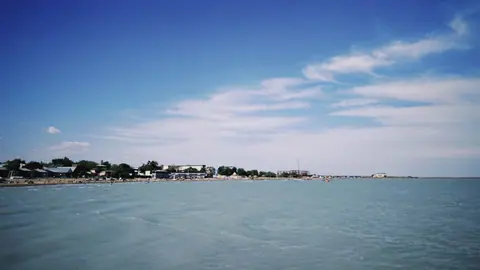
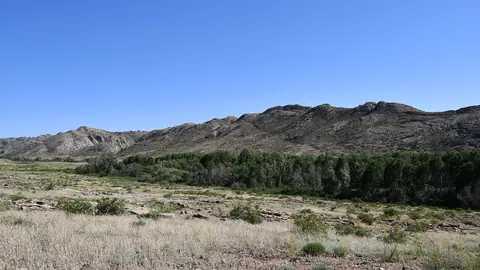
We could not confirm any bus or train service to Dolinka, road conditions, or taxi options. A traveller without a car and without Russian or Kazakh should plan the transfer from Karaganda in advance. If you are combining central Kazakhstan sights, note that others are far away: Lake Balkhash is about 385 km and Ulytau about 430 km in a straight line.
When to go
The museum is indoors, so the visit itself works in any month; the season matters for the road and for walking around the village.
Day high, °C / Night low, °C · Rain/snow, mm
A computed reanalysis normal for these coordinates, not weather station records.
Monthly figures
| Month | Day high, °C | Night low, °C | Rain/snow, mm |
|---|---|---|---|
| Jan | -10.7 | -17.9 | 16.1 |
| Feb | -9.1 | -17.4 | 17.2 |
| Mar | -0.4 | -8.8 | 25.1 |
| Apr | 13.6 | 1.7 | 33 |
| May | 20.1 | 6.9 | 32.2 |
| Jun | 25.1 | 13 | 42.6 |
| Jul | 26.4 | 14.6 | 54 |
| Aug | 25.4 | 12.6 | 33.4 |
| Sep | 18.8 | 6.6 | 22.9 |
| Oct | 9.6 | -0.3 | 33.6 |
| Nov | -2.6 | -10 | 29.8 |
| Dec | -8.3 | -15.4 | 26.2 |
These are computed ERA5 reanalysis normals for 2011–2020 at a grid point at 489 m, not a weather station. Winters are severe: January averages a daytime high of about -10.7 °C and a night low near -17.9 °C, and highs stay below zero from November to February. May and September are the most comfortable, with daytime highs around 19–20 °C. July is the warmest month at about 26 °C by day and also the wettest, with roughly 54 mm of precipitation. Overall it is a dry climate, under 60 mm in any month.
Karlag was not the only camp in the country: our table of the Gulag in Kazakhstan lists 20 camps and divisions with dates and regions.
- Current opening hours and days of the Karlag Museum
- Admission rules and whether guided tours in English are available
- Public transport from Karaganda to Dolinka and road conditions
- Whether exhibit labels are translated into English
- Photography rules inside the museum
Visiting the Karlag Museum in Dolinka, at the former centre of a Gulag camp: tips before you go
- Base yourself in Karaganda: Dolinka is about 34 km away in a straight line, far closer than Astana at about 186 km.
- Arrange transport before you go: we could not confirm any bus to Dolinka, and a driver who speaks Russian helps.
- In winter dress for highs near -10 °C in January; the road trip, not the indoor museum, is the hard part.
- Read about Karlag beforehand: founding dates differ between sources, from December 1930 to December 1931.
More to see nearby


Frequently asked questions
What does Karlag stand for?
Where is the Karlag Museum?
When was the Karlag Museum opened?
How many people passed through Karlag?
When did Karlag close?
Sources
Read also
 Almaty Zoo in Kazakhstan: opening hours and how to visit
 Ayusai Gorge, Almaty: visitor centre and waterfall trail
 Gorelnik Gorge above Medeu: waterfalls, trail and season
 Kamenskoe Plateau above Almaty: observatory and trails
 Pervomaiskie Ponds near Almaty: location, swimming, season
 Saty village: base for the Kolsai and Kaindy lakes