Verified: 2026-10
The Issyk kurgan and the Golden Man (Esik): when to go, month by month
- January: possible
- February: possible
- March: good
- April: good
- May: best time
- June: good
- July: good
- August: good
- September: best time
- October: best time
- November: good
- December: possible
The museum is open daily all year; in summer there is no shade between the mounds, and January nights drop to about −9 °C.
The Issyk kurgan and the Golden Man (Esik): why go
The Golden Man's intact burial
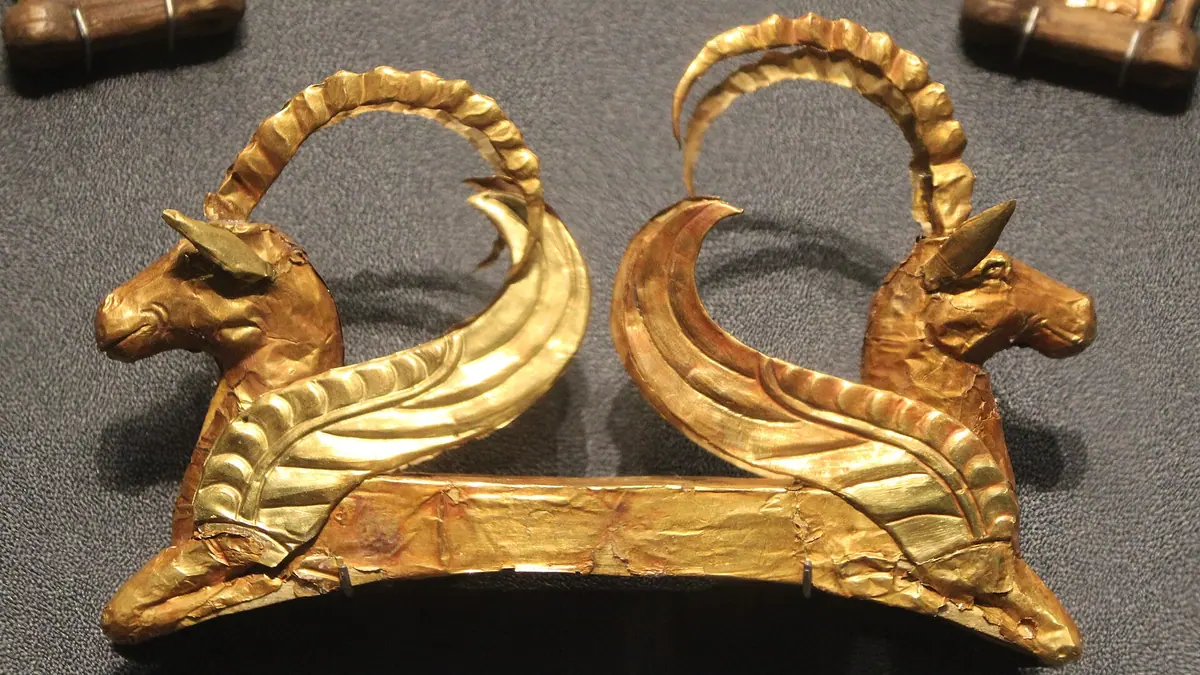
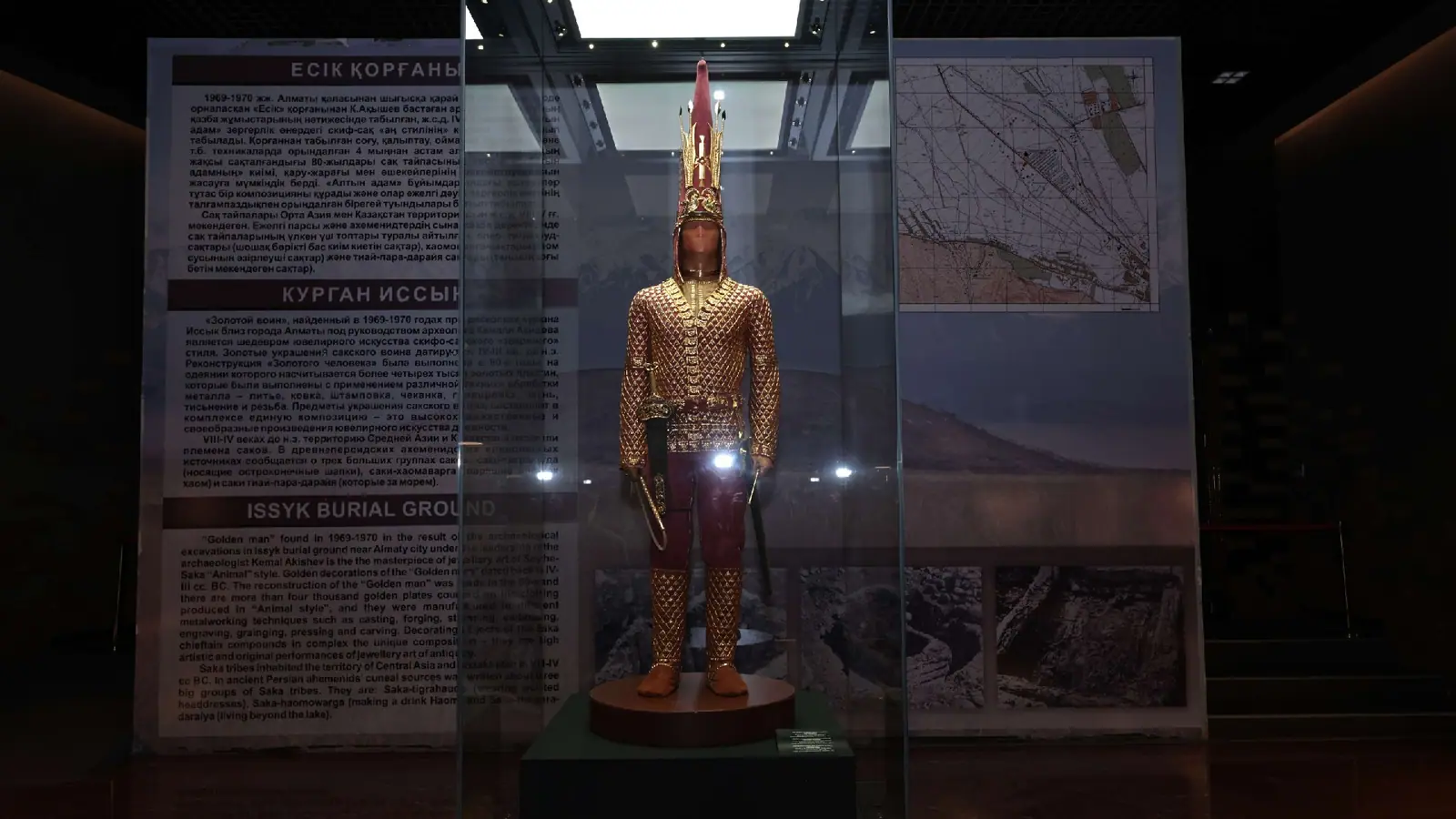
The Issyk kurgan's central chamber was looted, but the side one survived: a warrior in gold-covered clothes lay in a chamber of Tian Shan spruce logs.
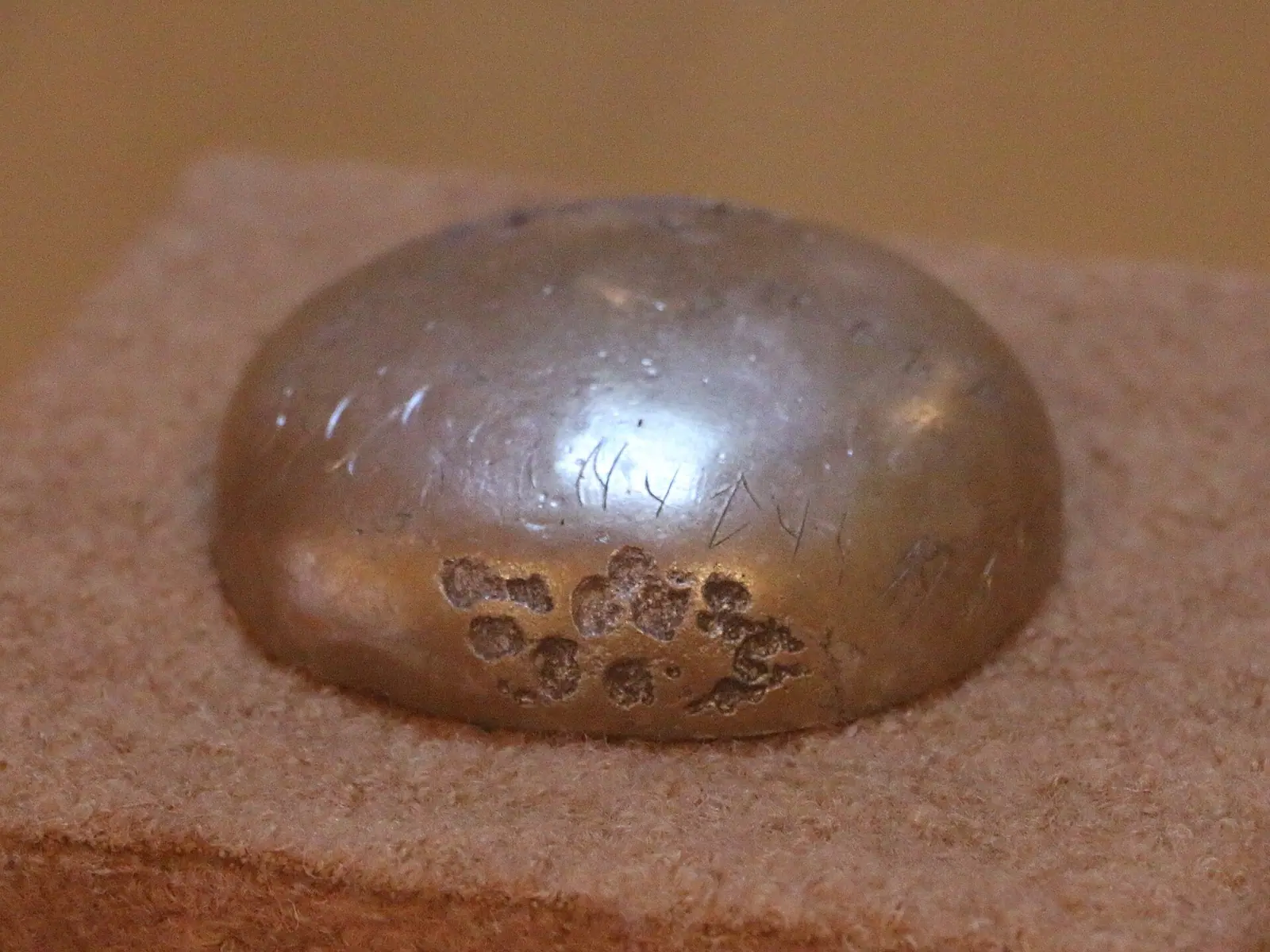
The Issyk bowl and its 26 signs
A silver bowl 7.7 cm across bears a 26-sign inscription. There are more than thirty proposed readings, yet it is still considered undeciphered.
Esik museum: 19 original objects
Hall two shows 19 original objects from the burial, the 1997 reconstruction of the costume and a 1:50 model of the kurgan cut away to the chamber.
A kurgan in cross-section
In the museum grounds a kurgan is opened up in cross-section, beside Turkic stone statues and a stone labyrinth, with the necropolis mounds all around.
The Esik necropolis and UNESCO
Since 2021 the Esik necropolis has been on UNESCO's Tentative List in the Silk Roads: Early Period nomination, together with Besshatyr and Boralday.
The Issyk kurgan and the Golden Man (Esik) in photos
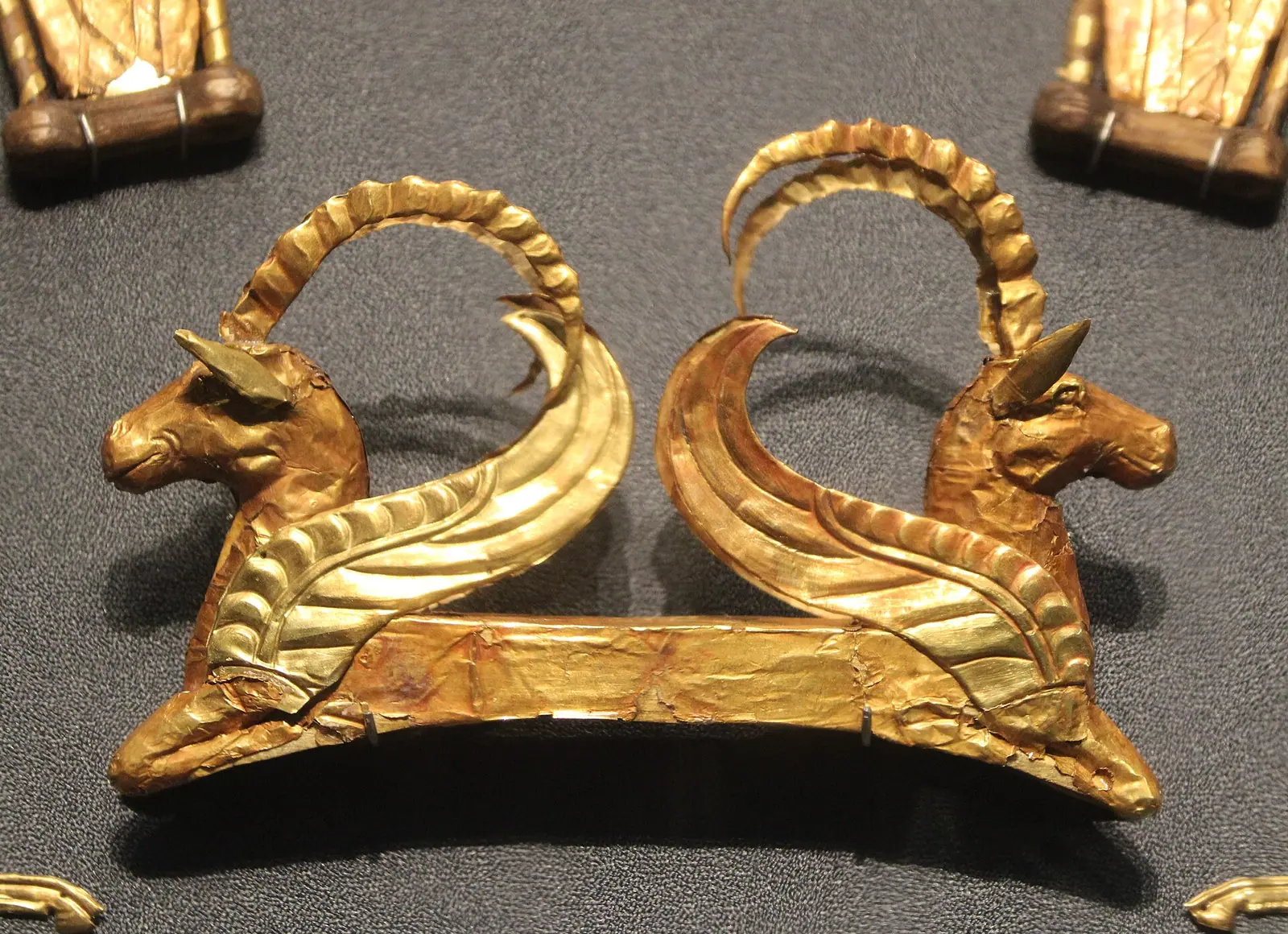
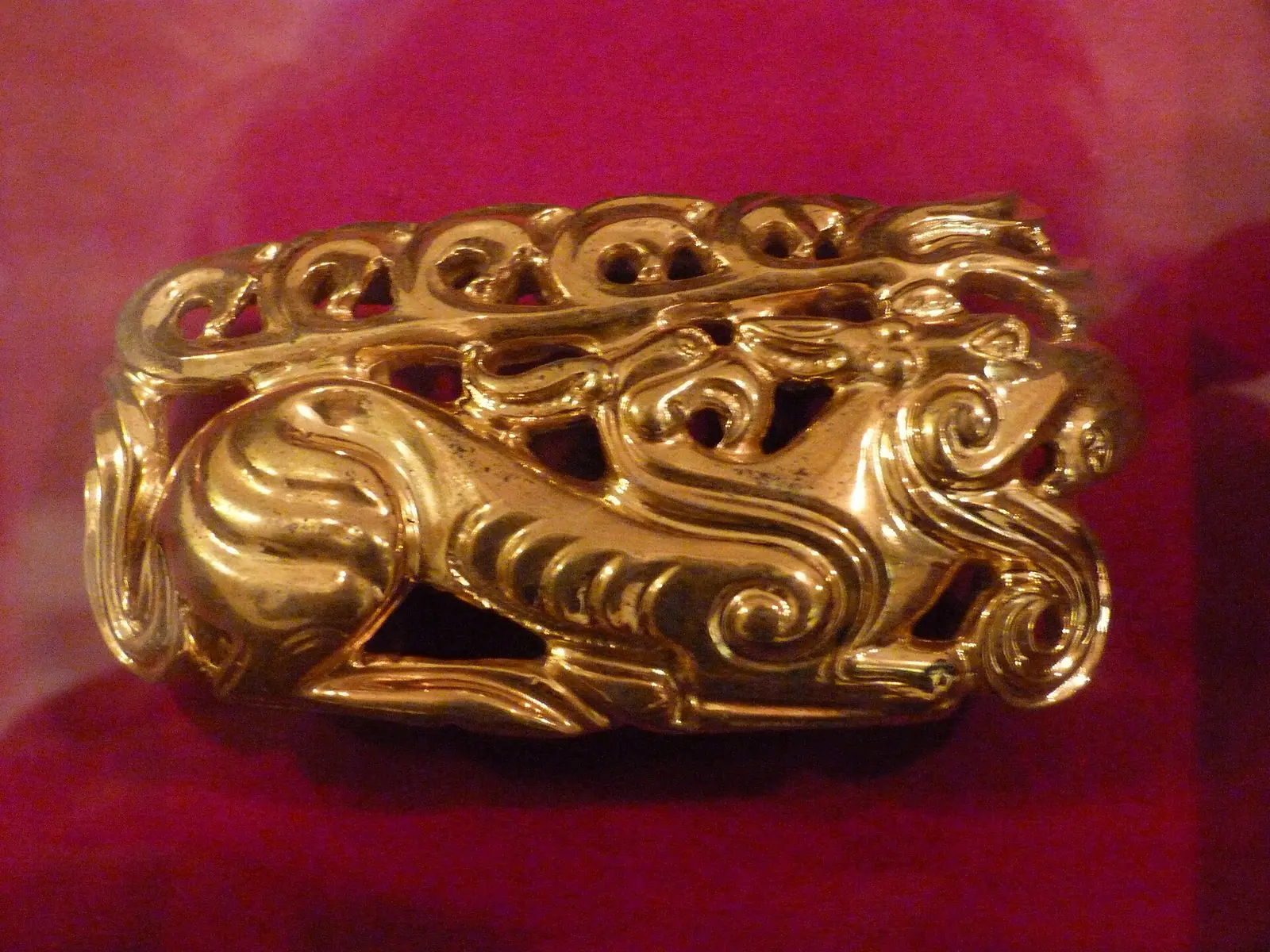
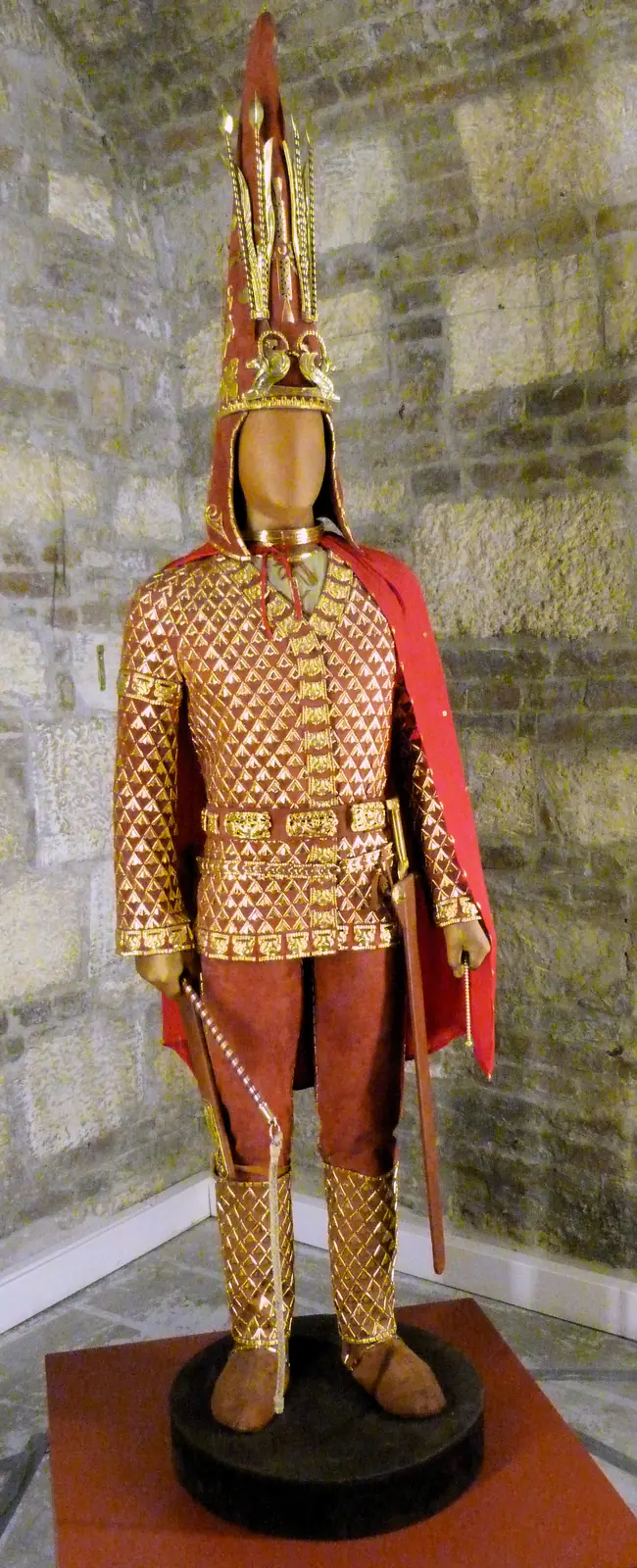
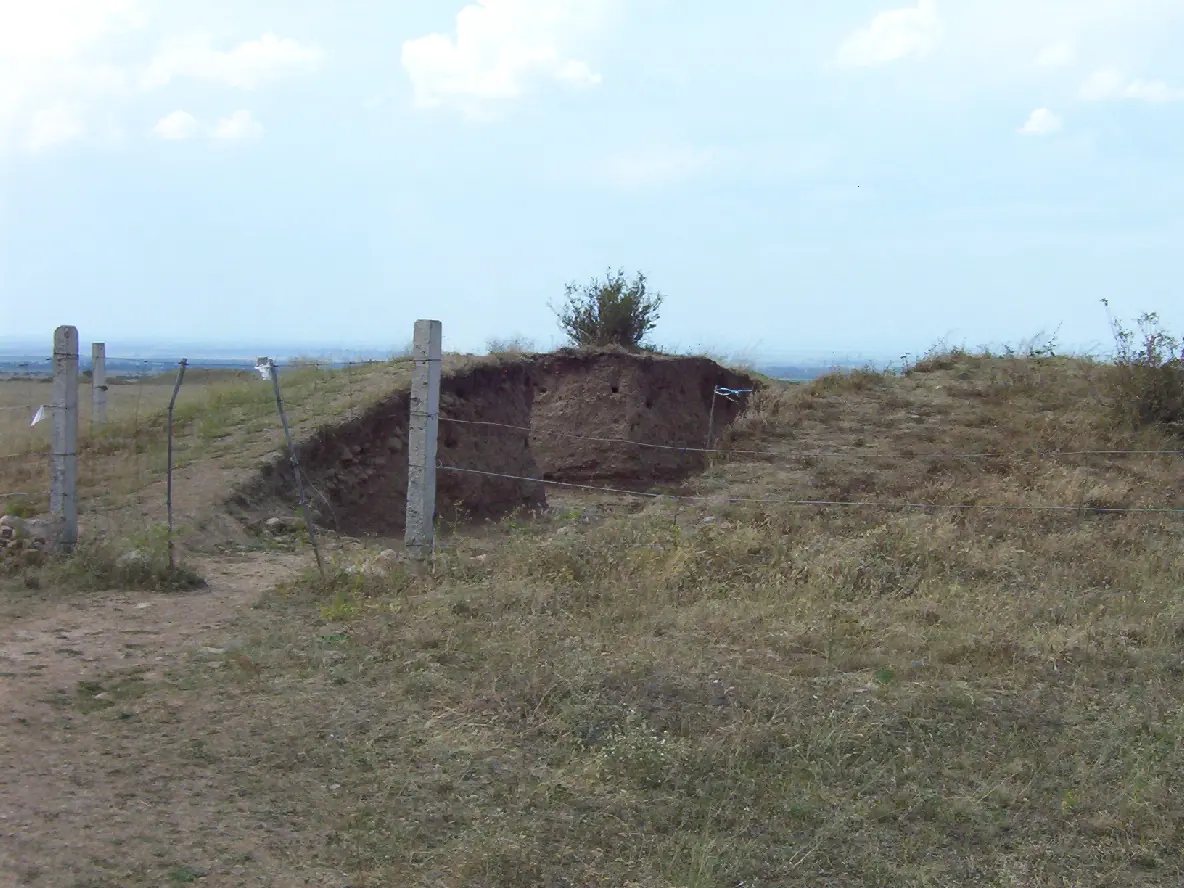
Real photos by travellers (Pexels, Unsplash, Wikimedia Commons); author and licence are given in each caption.
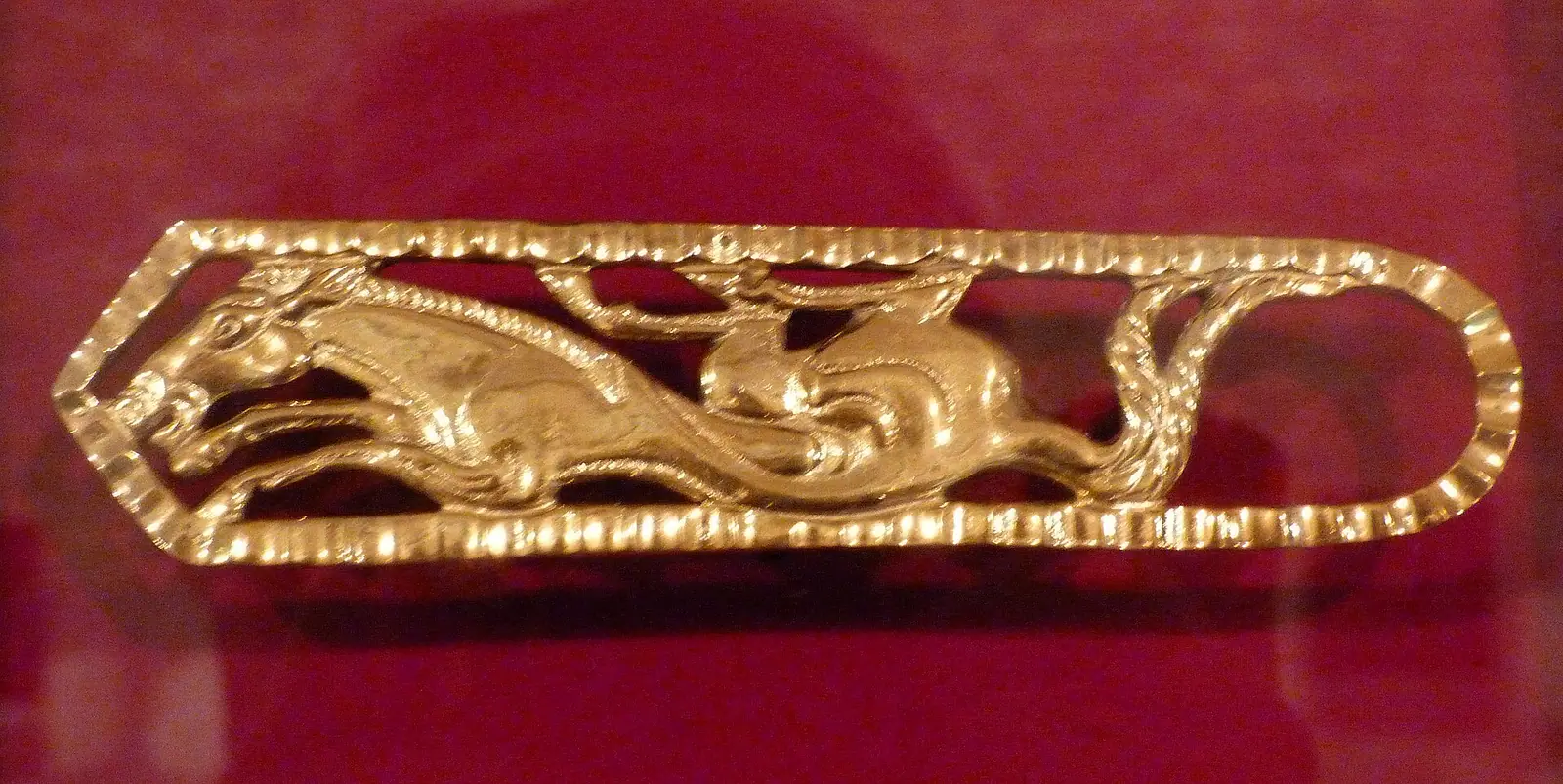
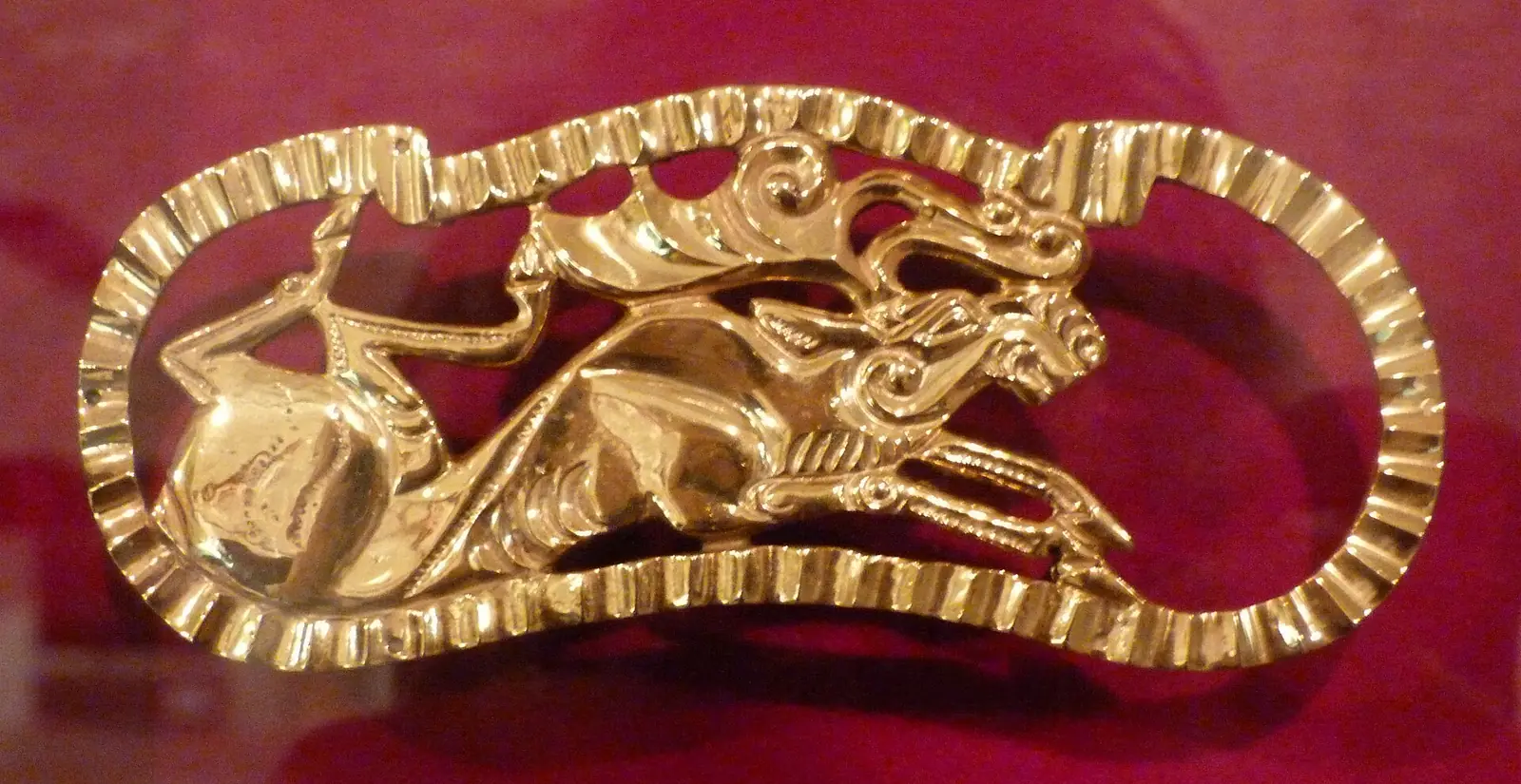
The Issyk kurgan is a Saka burial mound on the left bank of the Issyk mountain river, by the town of Esik, about 50–55 km east of Almaty. Its untouched side chamber held a body in ceremonial clothes covered with more than 4,000 gold items, the find known worldwide as the Golden Man. The Esik State Historical and Cultural Museum-Reserve beside the necropolis shows the mounds, 19 original objects from the grave and a reconstruction of the costume. Tengrinews calls the museum small and suggests about an hour; add Lake Issyk and it becomes a full day from Almaty.
What the Issyk kurgan is: one mound in a royal Saka necropolis
The Issyk kurgan is one of the large mounds of a necropolis that runs from the Kulja road in the northwest right into Esik. By Wikipedia, the mound was 60 m across and 6 m high and stands in the western part of the necropolis. The museum adds that it was built of 3–4 layers of river pebbles alternating with gravel and clay.
The count of mounds depends on who is counting. Wikipedia and the UNESCO Tentative List entry speak of 45 large “royal” kurgans, 30–90 m across and 4–15 m high; the museum counts more than 80 mounds in the burial ground. The necropolis once covered about 1,500 ha with more than 600 kurgans, and by the museum’s figure about 300 survive.
The table gathers the key data. The date is the point where sources split most, so each version is attributed.
| Parameter | Value |
|---|---|
| Where | left bank of the Issyk River, by Esik, Enbekshikazakh District |
| From Almaty | 50–55 km east (museum); Esik is about 55 km by road (Inbusiness, 2020) |
| Size of the kurgan | 60 m across, 6 m high |
| Date | 5th–4th c. BC (museum); 4th–3rd c. BC (English Wikipedia); 5th–3rd c. BC (UNESCO entry) |
| Finds | more than 4,000 gold items, a silver bowl with a 26-sign inscription |
| Museum’s protected zone | 422.7 ha, 80 kurgans, the Rakhat and Orikti settlements |
| UNESCO | Tentative List since 2021 |
The Golden Man was found in 1970, not 1969
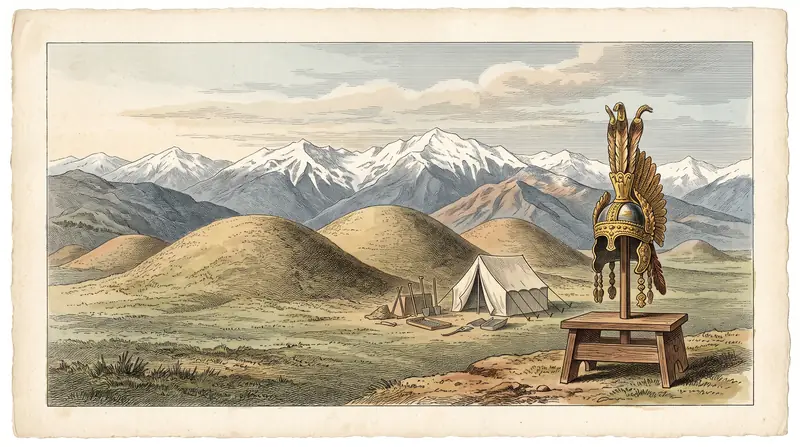
Excavation of the Issyk kurgan began in 1969, but the Golden Man came to light in 1970. Gulmira Mukhtarova, director of the Esik museum-reserve, told Kazinform in September 2025 that 1969 is a common mistake, even though it appears in textbooks. The museum’s website says the necropolis became famous in April 1970, during rescue excavations on the site of a vehicle depot under construction.
The dig was led by archaeologist Kemal Akishev. Russian Wikipedia also credits the young archaeologist Bekmukhanbet Nurmukhanbetov with locating the untouched wooden chamber. The necropolis itself was known far earlier: the museum writes that the Hungarian scholar György Almásy first noted it in 1900, and in 1936 A. N. Bernshtam described it as an archaeological monument.
What was inside the Golden Man’s kurgan
The kurgan held two burials, and only one survived. The central grave was looted in antiquity: the museum describes two robbers’ tunnels, with only scattered bones and a few gold plaques left in the pit. The side burial stayed intact, and the museum calls it the only unplundered burial of its kind in Central Asia.
The chamber was built of Tian Shan spruce logs, 2.9 × 1.5 m inside and 1.5 m high. The body lay on its back, head to the west, in clothes and a headdress heavily decorated with gold. Beside it lay an iron sword and dagger, a bronze mirror, 31 objects of clay, metal and wood, a silver spoon, a wooden ladle and 26 beads of carnelian and paste (museum website).
The most debated object is a silver bowl 7.7 cm across with an inscription of 26 signs. Mukhtarova says there are more than thirty proposed readings and no consensus, so the inscription counts as undeciphered. One hypothesis, the Turkologist A. N. Garkavets’s reading of the words “maiden warrior”, feeds the argument over who was buried here.
That argument is still open. Anthropologist O. Ismagulov put the age of the deceased at 16–18, and Russian Wikipedia says the grave goods could have belonged to a man or a woman. The museum director said DNA and radiocarbon tests, supported by researchers from Denmark and Germany, have so far produced no results.
Original gold or reconstruction: what you see where
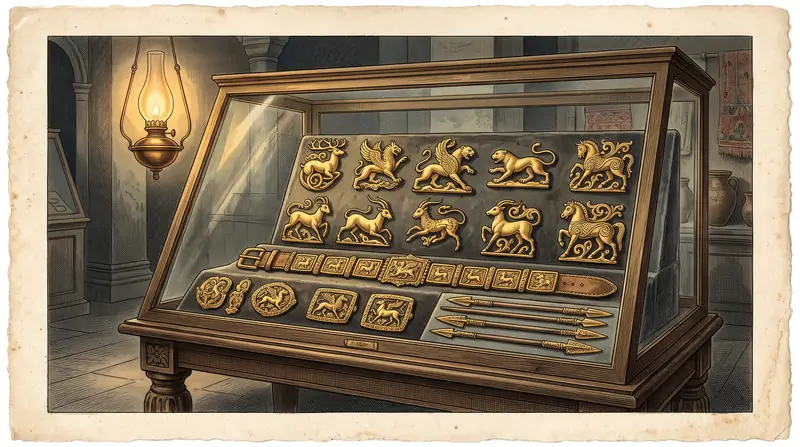
At Esik you see a reconstruction of the costume plus 19 original objects; by Wikipedia, the main body of gold went elsewhere. The finds were first shown at the Kazakh Museum of Archaeology in Almaty and later moved to the State Museum of Gold and Precious Metals in Astana. What tours abroad is a reconstruction: in 2022 Rossiyskaya Gazeta named it, not the original, as the centrepiece of the National Museum of Kazakhstan’s exhibition in Ufa.
The costume has been reconstructed three times, according to the Esik museum. The museum says the first version was shown in many countries.
| Year | Author | What is known |
|---|---|---|
| 1970–1973 | restorer V. Sadomskov, to K. Akishev’s scientific design | clothes, headdress, footwear and weapons; shown in many countries |
| 1995 | artist and restorer A. Tanabayev | commissioned by the Ministry of Culture |
| 1997 | restorer K. Altynbekov | on display at the Esik museum |
Hall two of the museum holds the 19 original objects and a 1:50 model of the kurgan cut away to show the chamber. Sources disagree about the bones: Russian Wikipedia says the remains were lost, while the museum director said in 2025 that they are kept in the museum-reserve’s stores.
Esik museum-reserve: opening hours, tickets and tours for foreigners
The museum is open every day from 9:00 to 18:00, with no days off (museum website). It was created by Government Decree No. 43 of 30 January 2010. Its four permanent halls hold more than 500 objects from the Palaeolithic to the late Middle Ages, most of them about the Saka: “History and culture of the Saka”, “History of the discovery and study of the Golden Man”, “Archaeology of Kazakhstan” and the memorial study of B. Nurmukhanbetov, plus a temporary exhibition hall. Outside are Turkic-era stone statues, a stone labyrinth and a kurgan opened up so you can see it in cross-section.
Prices differ by visitor category, and foreigners from outside the CIS pay the highest entry rate. The figures below come from the museum website (June 2026); Tengrinews quoted the same ticket prices on 19 September 2026.
| Ticket | Price, tenge |
|---|---|
| Adult | 500 |
| Students and pensioners (with ID) | 300 |
| Schoolchildren (with ID) | 200 |
| Foreigners from CIS countries | 1500 |
| Foreigners from other countries | 2000 |
| Tour in Russian or Kazakh, group of up to 10 | 1500 |
| Tour in a foreign language, group of up to 10 | 3000 |
| Tour for school and preschool children | 800 |
The foreign-language tour price is from the museum website only. Kazakhstanskaya Pravda wrote in 2019 that tours for foreigners were given in English, German, Chinese and Turkish; that is an old report, so ask ahead whether a guide in your language is available on your date.
How to get to the Issyk kurgan from Almaty
Drive east along the Kulja road towards Esik, or take bus 225 from Sayakhat bus station. The museum’s address is the Esik–Aleksandrovka road in the village of Orikti, Enbekshikazakh District. The museum says the burial mounds appear on your right as you drive, and among them a building with domes shaped like prismatic cones and a red sign.
| How | From | Details |
|---|---|---|
| By car | Almaty | Kulja road towards Esik; an ordinary car will do (Tengrinews, 2026) |
| Bus 225 | Sayakhat bus station | get off at the Esik Museum-Reserve stop (museum website) |
| Minibus | stop by the Raiymbek Batyr monument | to the same stop (museum website) |
| Bus 252 | Raiymbek metro station | to Esik, terminus Kyzylzhar village; launched 15.10.2024, every 10 minutes (Kapital.kz) |
We have not checked whether bus 252 passes the museum, so confirm the stop in a navigation app. The kurgan pairs naturally with Lake Issyk: Tengrinews describes this weekend route — Almaty, the Esik museum-reserve, Esik town, the Issyk gorge, the lake and back — at about 130–140 km round trip.
When to visit Esik: open all year, weather sets the limits
Any month works for the museum, since it never closes; the weather only matters for walking between the mounds. The nearest station with published climate normals (WMO 1991–2020) is in Esik itself, at 944 m. July and August are the warmest months there, with average daytime highs of 28–30 °C, and April and May bring the most rain.
Day high, °C / Night low, °C · Rain/snow, mm
The station is in Esik itself, and according to the museum-reserve the necropolis stretches from the Kulja road to the edge of town, so the figures describe the weather at the kurgans well.
Monthly figures
| Month | Day high, °C | Night low, °C | Rain/snow, mm |
|---|---|---|---|
| Jan | 0.3 | -9.3 | 38.3 |
| Feb | 2.2 | -7.4 | 42 |
| Mar | 9 | -1 | 65.5 |
| Apr | 16.7 | 5.9 | 102.2 |
| May | 21.8 | 10.4 | 93.3 |
| Jun | 27 | 15.2 | 50.9 |
| Jul | 29.6 | 17.3 | 41.9 |
| Aug | 28.6 | 16.1 | 30 |
| Sep | 23.4 | 11.3 | 27.3 |
| Oct | 15.8 | 4.8 | 49.2 |
| Nov | 7.6 | -1.9 | 62 |
| Dec | 2.1 | -7 | 45.2 |
Source: WMO Climate Normals 1991–2020: Esik (36885) — NOAA NCEI
The mounds give no shade, so on a summer midday a hat and water are worth carrying. In winter the average January night-time low at Esik station is about −9 °C.
The Issyk kurgan and UNESCO: on the Tentative List only
The Issyk kurgan is not on the World Heritage List. Since 25 August 2021 the Issyk necropolis has been on UNESCO’s Tentative List as one of three components of the nomination Silk Roads: Early Period (Prehistory), with the Besshatyr and Boralday necropolises. The entry notes that excavations of “royal” kurgans, including at Issyk, have turned up Chinese silk and Iranian carpets, evidence of contact long before the classic Silk Road.
The museum does manage a World Heritage property: since 2018 it has looked after the medieval settlement of Talgar, part of the serial nomination Silk Roads: the Routes Network of Chang’an-Tianshan Corridor (museum website). For the full list, see our page on UNESCO heritage in Kazakhstan.
What else is near Esik
- Lake Issyk — a mountain lake above Esik, damaged by the 1963 mudflow.
- Ile-Alatau National Park — the gorges above Almaty and Esik.
- Turgen waterfalls — by Tengrinews, about 40 km from Lake Issyk to the Bear waterfall.
- Tamgaly petroglyphs — another archaeological site in Almaty Region, on the UNESCO list.
- Nature near Almaty: day trips.
The Issyk kurgan and the Golden Man (Esik): tips before you go
- From Almaty take bus 225 from Sayakhat to the Esik Museum-Reserve stop, or drive out along the Kulja road.
- Allow about an hour for the museum and pair it with Lake Issyk for a one-day trip.
- Guided tours for groups of up to 10 are paid separately; ask ahead about a guide in your language.
- There is no shade between the mounds in summer — bring water and a hat.
More to see nearby


Frequently asked questions
Where is the Golden Man's kurgan?
How do I get to the Esik museum from Almaty?
How much is entry to the Esik museum and when is it open?
Where is the real Golden Man kept?
Was the Golden Man found in 1969 or 1970?
Was the Golden Man a man or a woman?
Is the Issyk kurgan a UNESCO site?
Sources
- Иссыкский курган — Википедия
- Иссыкский золотой человек — Википедия
- Issyk kurgan — Wikipedia
- Esik Museum-Reserve: about the museum-reserve
- Esik Museum-Reserve: the Golden Man (exhibition hall two)
- Esik Museum-Reserve: The Esik burial ground
- Esik Museum-Reserve: tickets, opening hours, directions (page updated 11.06.2026)
- Золотой человек: тайны главной археологической находки Казахстана — Kazinform, 14.09.2025
- Маршрут выходного дня — едем из Алматы на озеро Иссык — Tengrinews, 19.09.2026
- Сакские курганы встречают гостей — Kazakhstanskaya Pravda, 26.06.2019
- Новый пригородный маршрут запустили в Алматы — Kapital.kz, 15.10.2024
- Silk Roads: Early Period (Prehistory) — UNESCO World Heritage Centre, Tentative Lists (25.08.2021)
- В Уфе выставили древние сокровища из Национального музея Казахстана — Rossiyskaya Gazeta, 06.04.2022
- Большие возможности маленького города — Inbusiness.kz, 09.12.2020
- WMO Climate Normals 1991–2020: Esik (36885) — NOAA NCEI
Read also
 Almaty Zoo in Kazakhstan: opening hours and how to visit
 Ayusai Gorge, Almaty: visitor centre and waterfall trail
 Gorelnik Gorge above Medeu: waterfalls, trail and season
 Kamenskoe Plateau above Almaty: observatory and trails
 Pervomaiskie Ponds near Almaty: location, swimming, season
 Saty village: base for the Kolsai and Kaindy lakes