Visiting the Central State Museum of Kazakhstan in Almaty: when to go, month by month
- January: best time
- February: best time
- March: good
- April: best time
- May: good
- June: good
- July: best time
- August: best time
- September: good
- October: good
- November: good
- December: best time
An indoor museum works all year, but dry, mild September and October days make it easiest to combine with walks around Almaty.
Visiting the Central State Museum of Kazakhstan in Almaty: why go
Gold and nomad life in one museum
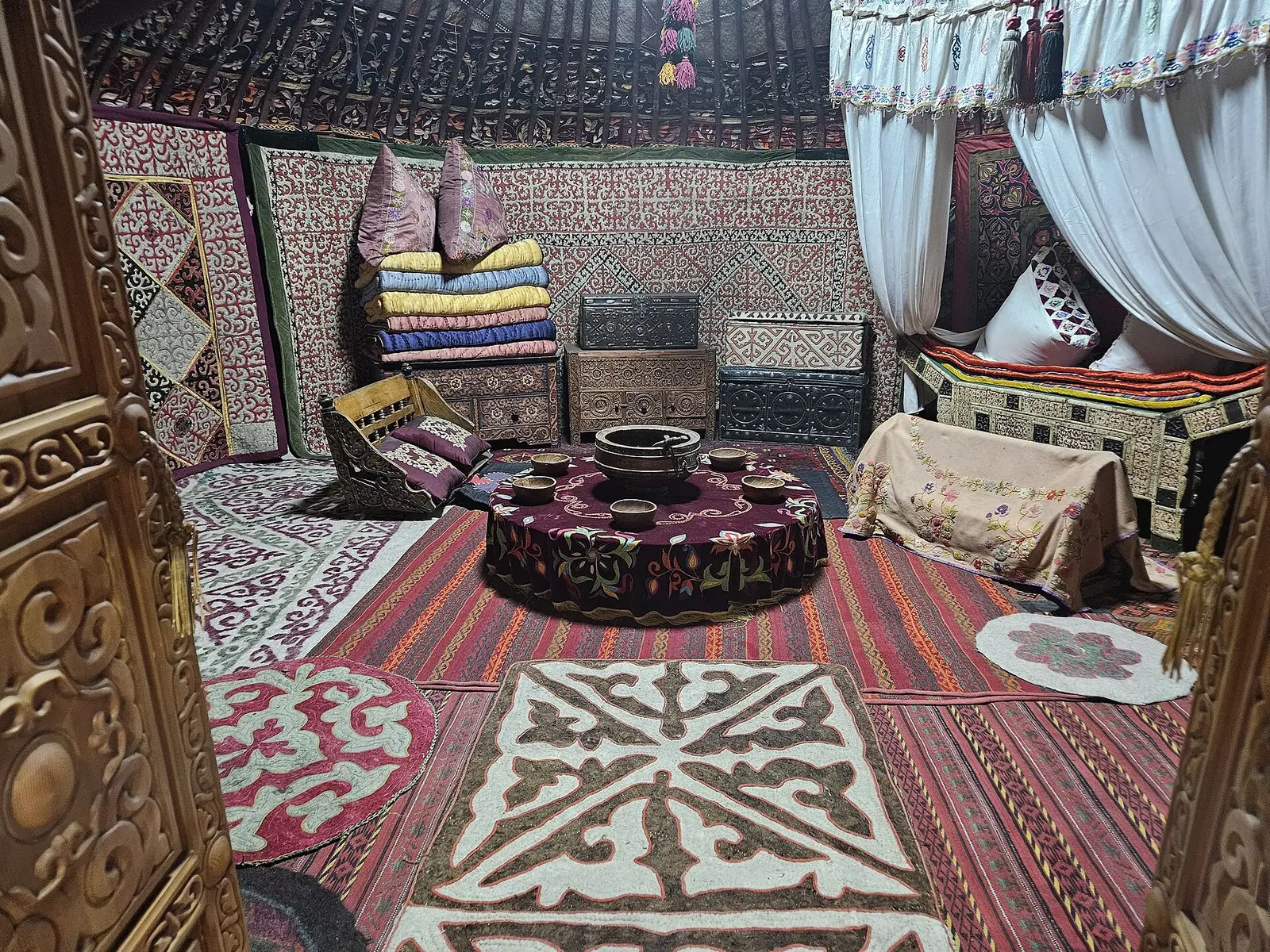
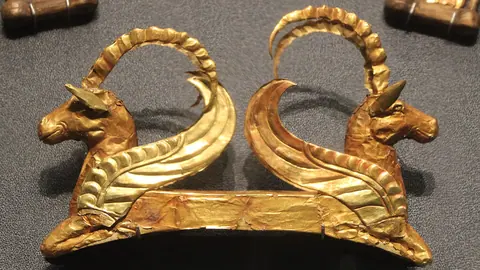
The open fund shows archaeological gold of Kazakhstan, and the ethnography hall has a furnished yurt, silver jewellery and saddles.
A collection that began in Orenburg
Part of the Orenburg Governor's Museum collection formed the core in 1920. It moved to Alma-Ata in 1929 and into a former cathedral in 1931.
An easy city stop in Almaty
It sits at Nazarbayev Avenue 44, about 5 km in a straight line from the city reference point and 2 km from Kok-Tobe. No car or tour is needed.
Indoor refuge in heat or frost
July highs average about 29°C and January highs about -1°C in the ERA5 normals, so the museum suits the hottest and coldest days.
Shell rock from Mangystau
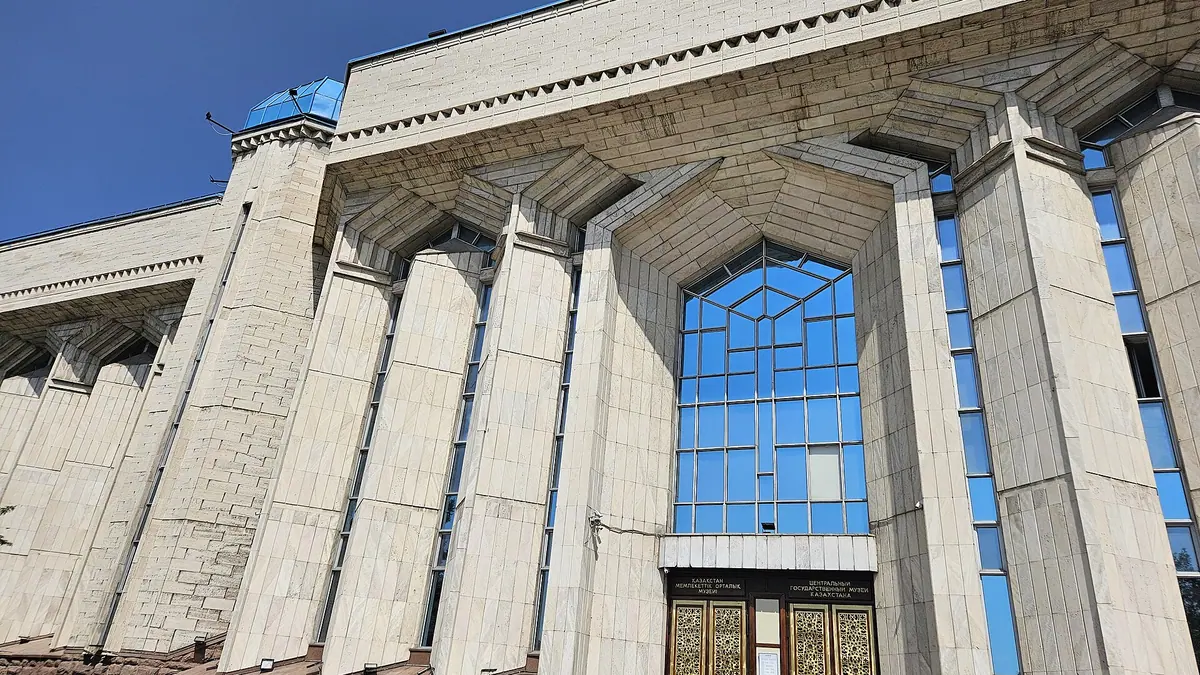
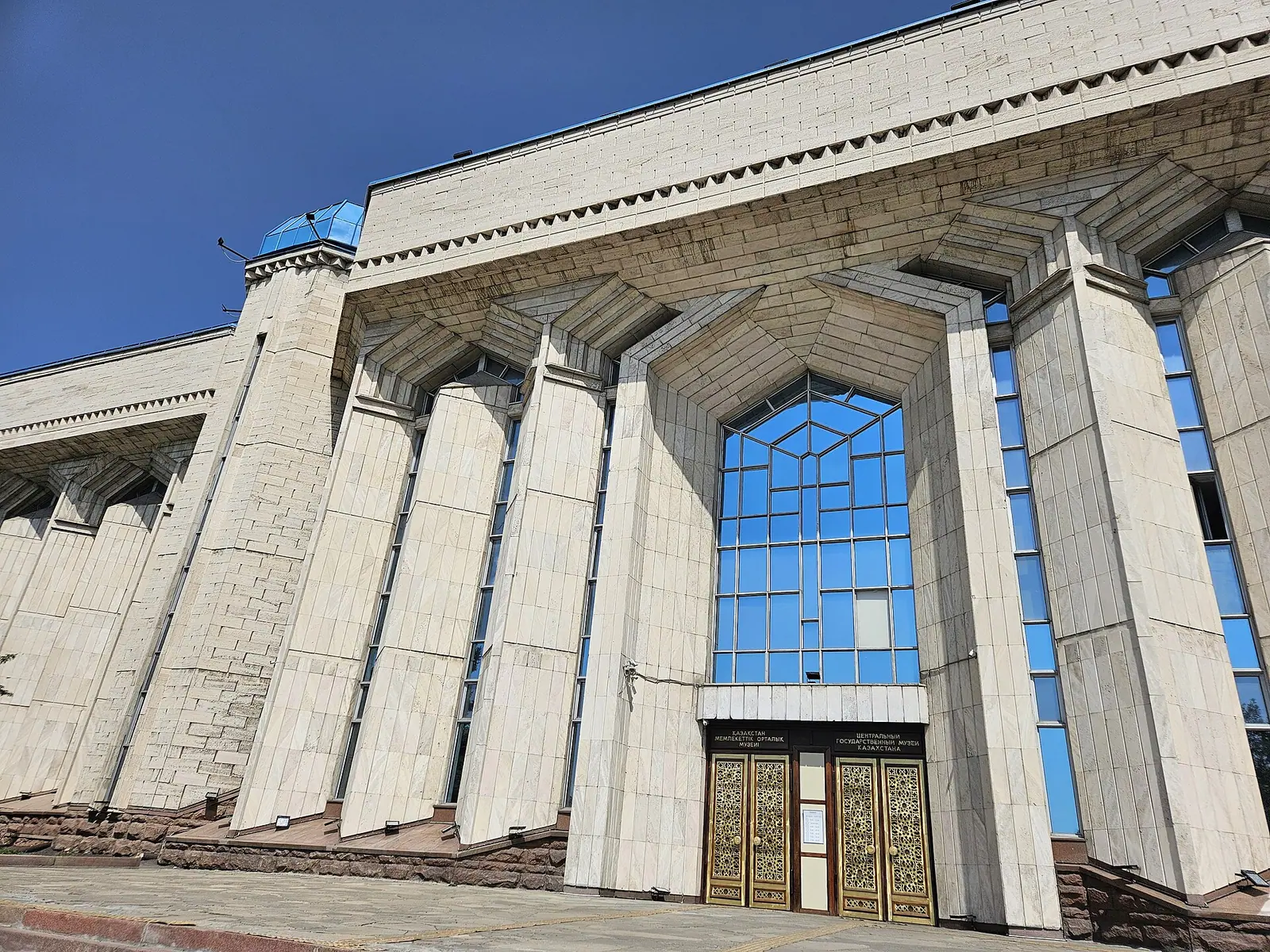
The domed 1985 building is clad in shell rock from Mangystau, in the far west of Kazakhstan. It has been a monument of republican significance since 2020.
Visiting the Central State Museum of Kazakhstan in Almaty in photos
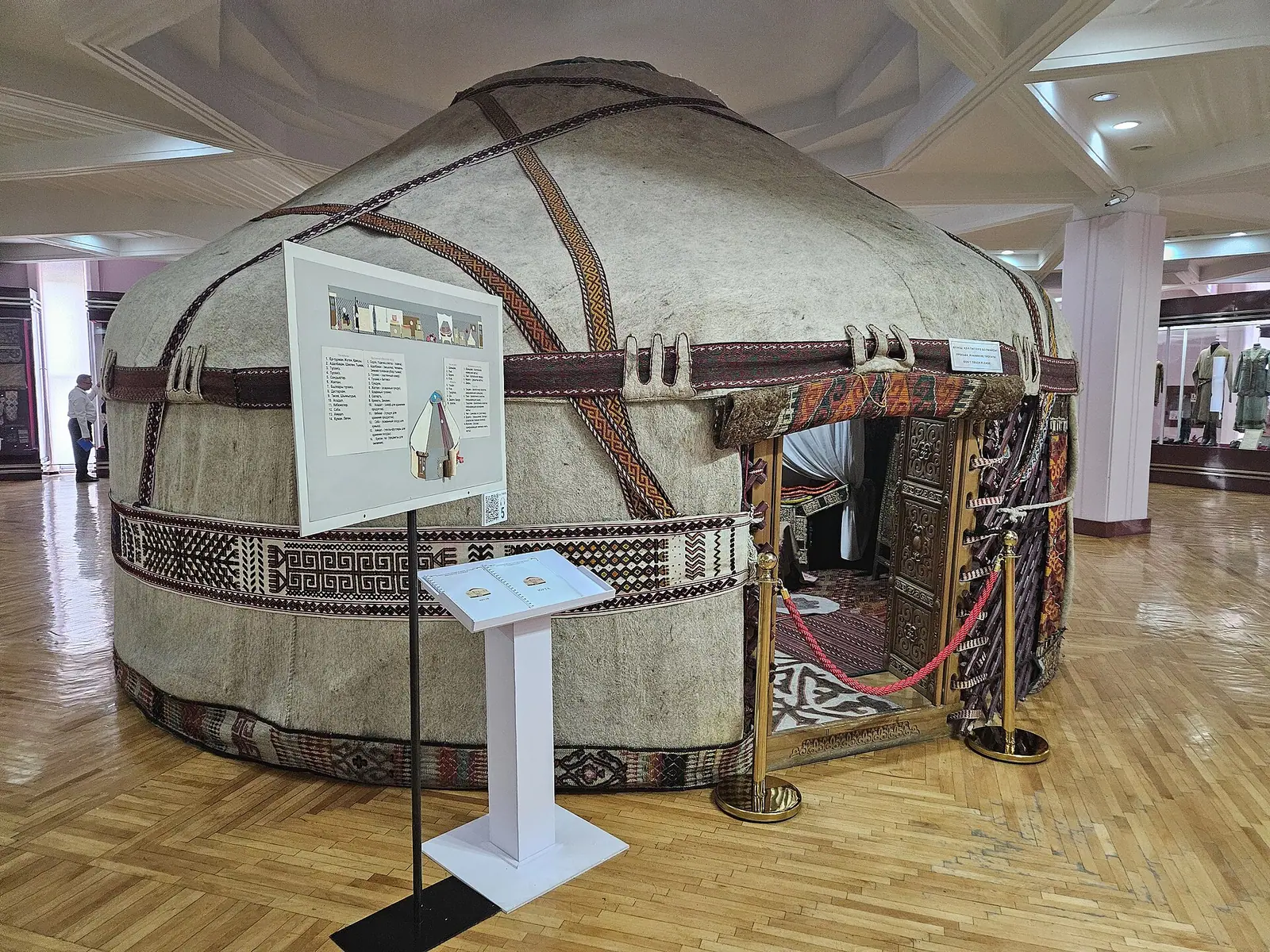
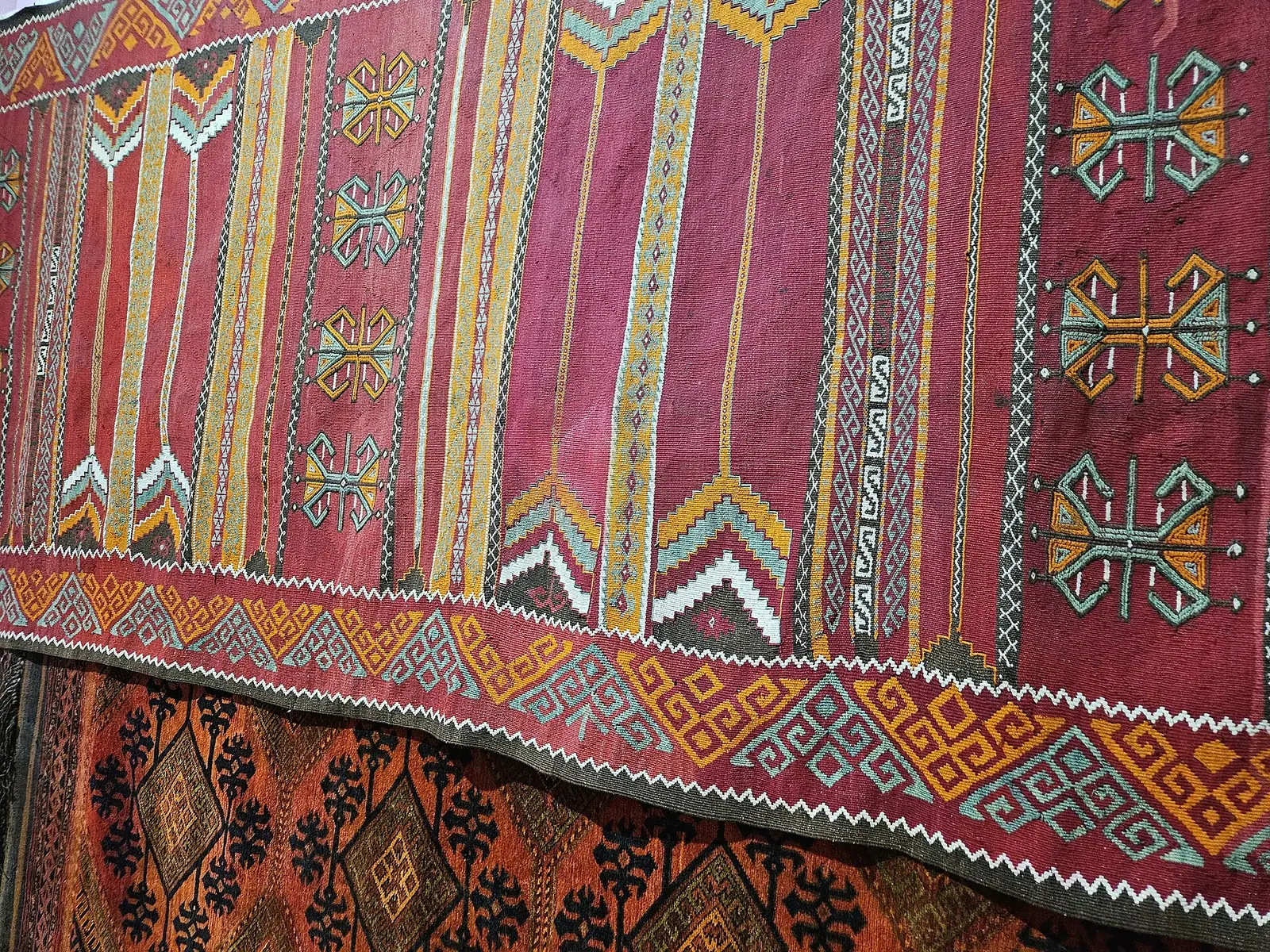
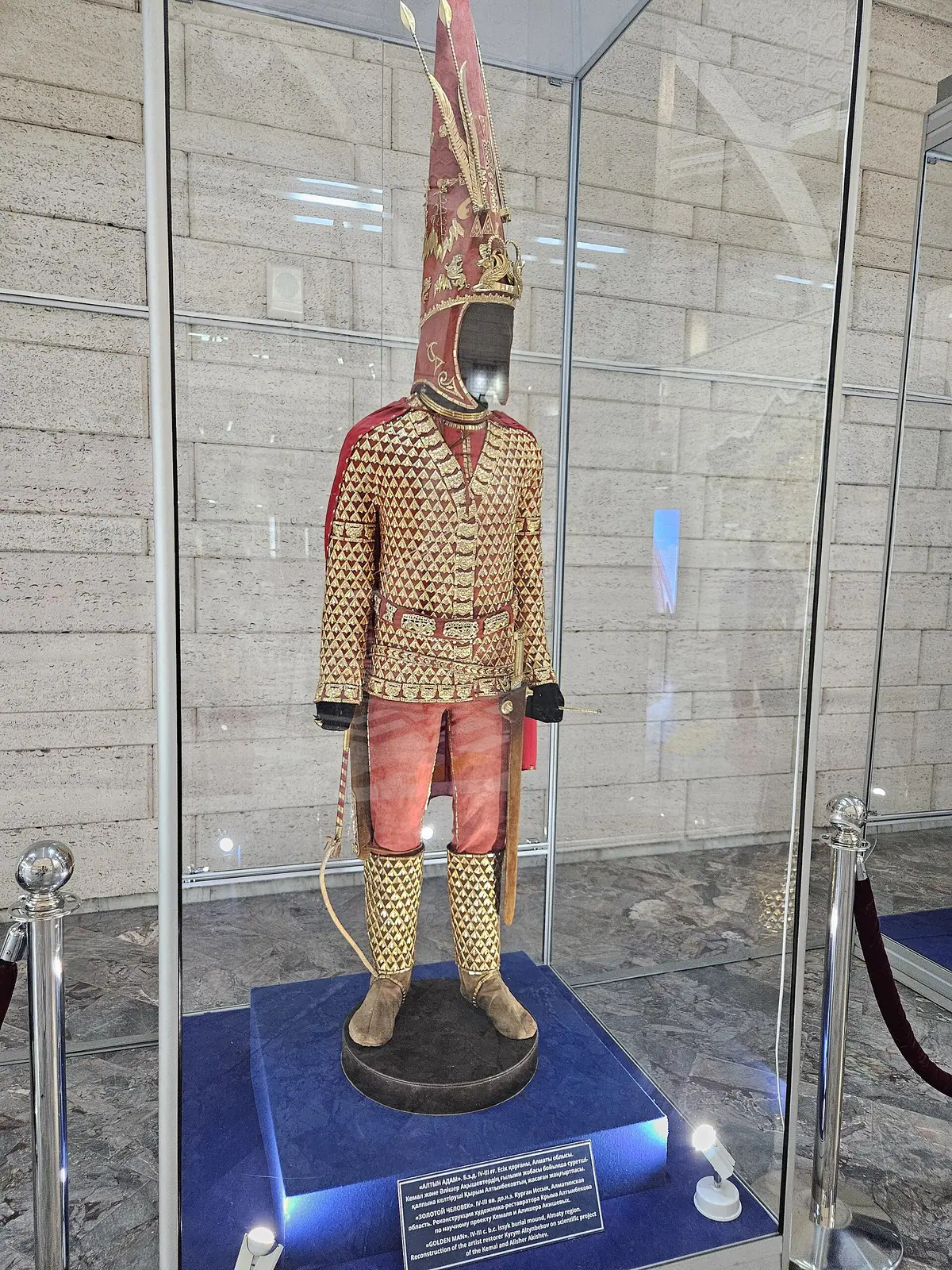
Real photos by travellers (Pexels, Unsplash, Wikimedia Commons); author and licence are given in each caption.
The Central State Museum of Kazakhstan in Almaty is one of the oldest and largest museums in the country and in Central Asia, with a collection of about 300,000 items. It is the place to see Kazakh archaeology, nomadic material culture and modern history under one roof before heading out to the mountains. No car, permit or special season is needed.
What the Central State Museum is and why it suits a first day in Almaty
It is a city museum of national scope. It covers paleontology, archaeology, ethnography and modern Kazakhstan, so it gives context for nearly everything else you will see in the country. By Wikipedia, it is the largest museum in Almaty and holds the most significant collection of Kazakh historical, archaeological and cultural artefacts.
The complex also includes the largest restoration centre in Kazakhstan. In 2005 it gained research-organisation status, which lets it run historical expeditions. Russian Wikipedia reports that in 2025 it was given the status of a “National” museum.
| Key data | Detail |
|---|---|
| Location | Almaty, 44 Samal-1 microdistrict |
| Collection | About 300,000 items |
| Current building | Three storeys, completed in 1985 |
| Heritage status | Monument of republican significance since 2020 |
| Distance | About 5 km in a straight line from the Almaty reference point |
The halls: archaeology, gold, yurts and modern history
The permanent display is arranged in themed halls, and the Russian and English Wikipedia lists differ a little. The English list adds a hall dedicated to Nikolai Gavrilovich Khludov, which the Russian list does not mention. We could not confirm whether it is currently open.
| Hall | What it covers |
|---|---|
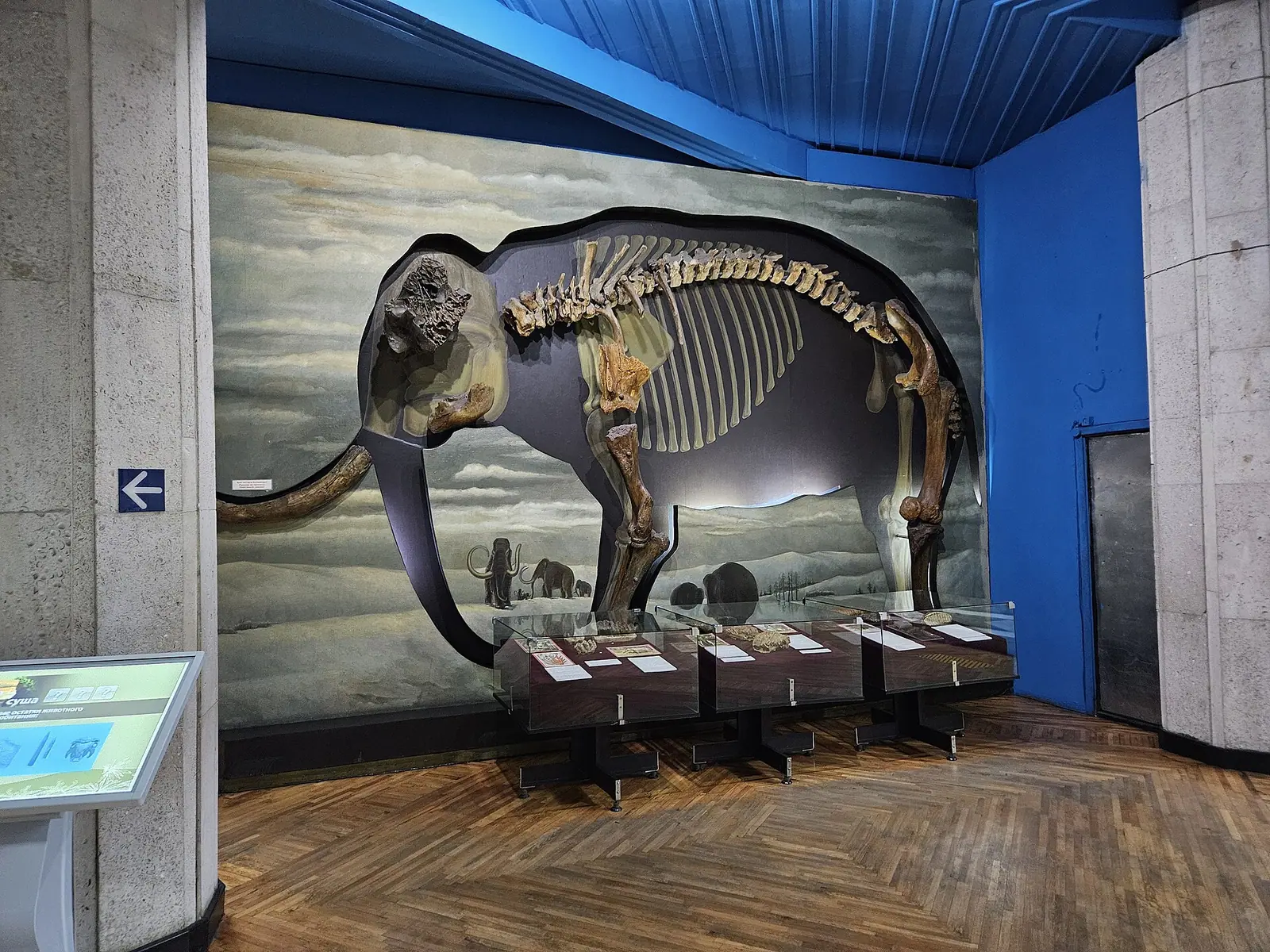
| 1 | Paleontology and archaeology |
| 2 | Historical ethnography |
| 3 | History of Kazakhstan: diaspora cultures and the Second World War years 1941–1945 |
| 4 | Modern Kazakhstan |
| 5 | Open fund: archaeological gold of Kazakhstan |
| 6 | Museum of Anthropology |
If your time is short, prioritise the gold in the open fund and the ethnography hall. The ethnographic collection, described in Kazakh Wikipedia, includes a yurt with its furnishings, silver jewellery by Kazakh craftsmen from the late 19th and early 20th centuries, horse tack such as saddles, bridles and whips, leather vessels, felt and woven carpets, and traditional men’s and women’s footwear.
The archive holds rare manuscripts in Chagatai, Old Turkic, Kazakh, Arabic and Persian, including copies of the Quran, hadith collections and shezhire, which are genealogical records. Whether they are on display at any given time we could not confirm.
From Orenburg to a former cathedral: how the collection reached Almaty
The museum is older than its building. Russian and English Wikipedia date its origin to 1920, when a Kazakh Central Regional Museum was created and took part of the Orenburg Governor’s Museum collection. Kazakh Wikipedia gives 1925 instead. In 1929 the museum moved to Alma-Ata, as Almaty was then called, and merged with the Zhetysu (Semirechye) regional collection.
From 1931 it was housed in the former Holy Ascension Cathedral in Almaty. In 1941 the holdings of the Republican Anti-Religious Museum were added to the fund. Kazakh Wikipedia says it has carried its present name since 1944.
| Point | Russian and English Wikipedia | Kazakh Wikipedia |
|---|---|---|
| Founded | 1920 | 1925 |
| Building constructed | 1978–1985 | 1981–1984 |
The gap matters only if you quote a date. Both versions agree the museum moved into its current home in the mid-1980s.
The building itself is a listed monument
The 1985 building is worth a look from the outside, not only for what it holds. It was designed by the Kazgorstroyproekt institute. Z. M. Mustafina is credited as the project author, and the architectural team was headed by Yu. G. Ratushny.
The rectangular three-storey block sits on a base formed by the natural slope. It rests on eight external pylons, and pilasters run up through all three floors. Kazakh Wikipedia describes small domes on the four corners, a large dome over the centre and cladding of Mangystau shell rock. It notes that the design recalls caravanserais and madrasas without copying them. Inside, the two-storey lobby is lined with marble, granite, parquet, shell rock and coloured metal.
The facade faces Nazarbayev Avenue and stands back from the street behind flower beds and a pool. The building was first listed as a local monument in 1986 and raised to republican significance in 2020.
When to go and how the weather affects the day
A museum works in any month. The weather matters for how you get there and for what you pair it with.
Day high, °C / Night low, °C · Rain/snow, mm
A computed reanalysis normal for these coordinates, not weather station records.
Monthly figures
| Month | Day high, °C | Night low, °C | Rain/snow, mm |
|---|---|---|---|
| Jan | 0.4 | -7.9 | 24.9 |
| Feb | 2.9 | -5.6 | 36.9 |
| Mar | 10.6 | 1.5 | 79.5 |
| Apr | 17.5 | 7.3 | 146.4 |
| May | 22.2 | 11.3 | 115.4 |
| Jun | 26.1 | 15.3 | 76.4 |
| Jul | 28.9 | 17.5 | 49.7 |
| Aug | 27.7 | 16.2 | 58.2 |
| Sep | 23.5 | 11.7 | 52.5 |
| Oct | 16.6 | 5.4 | 60.3 |
| Nov | 7.1 | -1.7 | 55.7 |
| Dec | 1.6 | -6 | 30.6 |
These are ERA5 reanalysis normals for 2011–2020 at a grid point at 788 m, not readings from a weather station. July averages a high of about 29°C, and January highs sit around -1°C with nights near -8°C, so the museum makes a good indoor plan on a hot afternoon or a freezing day. April and May are the wettest months, at about 146 mm and 115 mm. September and October bring dry, mild days of 17–24°C, which suit combining the museum with a walk or with Kok-Tobe, about 2 km away in a straight line.
Fitting the museum into an Almaty trip
The museum sits inside the city, so it needs no tour and no car, although we could not confirm bus routes or the nearest metro stop. Taxis are another option. Show the address in Kazakh or Russian: микрорайон Самал-1, 44.
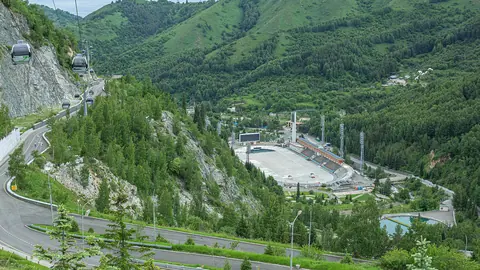
It makes a natural opening or rest day around mountain trips. Medeu lies about 12 km away in a straight line, and nature day trips from Almaty cover lakes and gorges. If the archaeological gold catches your interest, the Issyk kurgan, about 40 km away in a straight line, is a related burial-mound site outside the city.
The museum also runs temporary exhibitions. In 2026 these included “Architecture of Three Generations” and an April show called “Under the Sky”, with artists from the Gulf, Japan, Europe and elsewhere. It has taken part in Night of Museums since 2006. Check what is on before you go, because temporary shows change.
More addresses by theme, from nomad gold to the Gulag, are in our list of museums in Kazakhstan.
- Opening hours and weekly closing days
- Ticket prices and whether foreigners pay a different rate
- Whether labels or audio guides are available in English
- Photography rules inside the halls
- Public transport routes to the museum and whether the Khludov hall is currently open
Visiting the Central State Museum of Kazakhstan in Almaty: tips before you go
- Give the taxi driver the address in Kazakh or Russian: Nazarbayev Avenue 44, Samal-1.
- If time is short, go first to the open fund with the archaeological gold and then to the ethnography hall with the yurt.
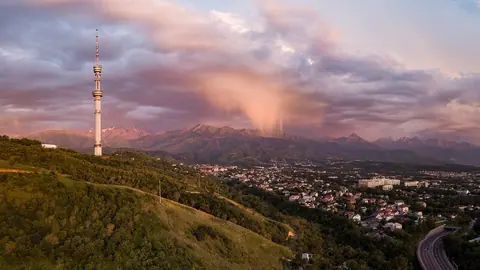
- Pair the visit with Kok-Tobe, about 2 km away in a straight line, on a dry September or October afternoon.
- Look up current temporary exhibitions before you go; the 2026 programme included architecture and international art shows.
More to see nearby


Frequently asked questions
Where is the Central State Museum in Almaty?
How big is the Central State Museum of Kazakhstan?
When was the Central State Museum of the Republic of Kazakhstan founded?
What can you see in the museum?
Is the museum building historic?
Sources
Read also
 Almaty Zoo in Kazakhstan: opening hours and how to visit
 Ayusai Gorge, Almaty: visitor centre and waterfall trail
 Gorelnik Gorge above Medeu: waterfalls, trail and season
 Kamenskoe Plateau above Almaty: observatory and trails
 Pervomaiskie Ponds near Almaty: location, swimming, season
 Saty village: base for the Kolsai and Kaindy lakes