Verified: 2026-10
Almaty Main Botanical Garden: when to go, month by month
- January: possible
- February: possible
- March: possible
- April: best time
- May: best time
- June: good
- July: good
- August: good
- September: good
- October: good
- November: possible
- December: possible
Cherry blossom lasts just 10–15 days from mid-April to early May; in winter the garden keeps shorter hours.
Almaty Main Botanical Garden: why go
Cherry blossom in the garden
Sakura trees line the entire northern parterre; they bloom from mid-April to early May, for just 10–15 days.
The garden's arboretum
895 taxa of trees and shrubs on 42 ha, arranged by geography: Kazakhstan, Europe, East Asia, North America and Siberia.
Ponds after the rebuild
The 2018–2020 rebuild added three new ponds on the southern parterre and restored two old ones on the northern parterre.
Almaty Botanical Garden since 1932
The garden was laid out on 108 ha in 1932; since 2006 it has been a protected natural area of national significance.
Lilac garden and rock garden
A dedicated lilac plot — lilac in Almaty blooms from mid-April into May — and a rock garden with 32 rare species of Kazakh flora.
Almaty Main Botanical Garden in photos
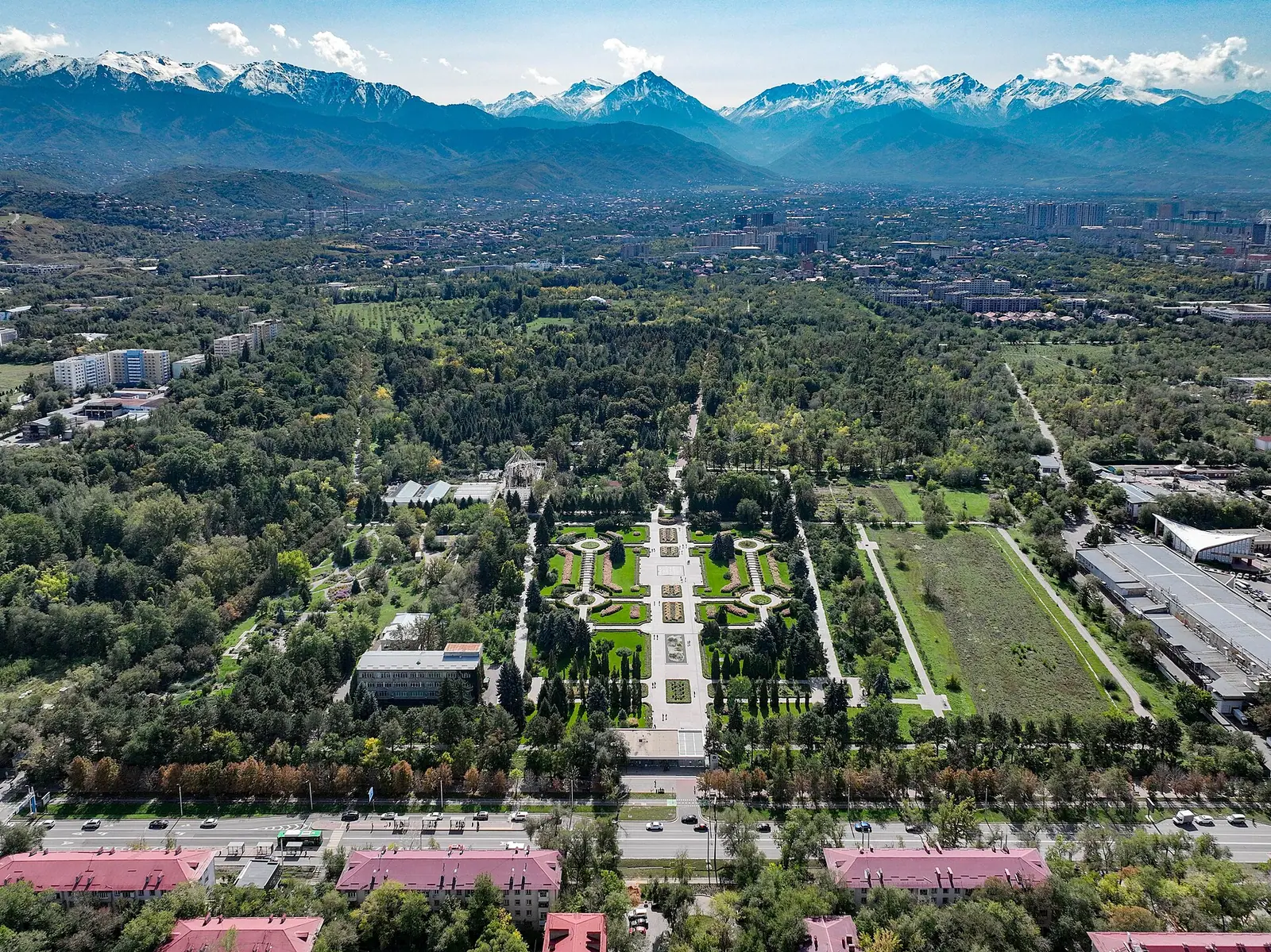
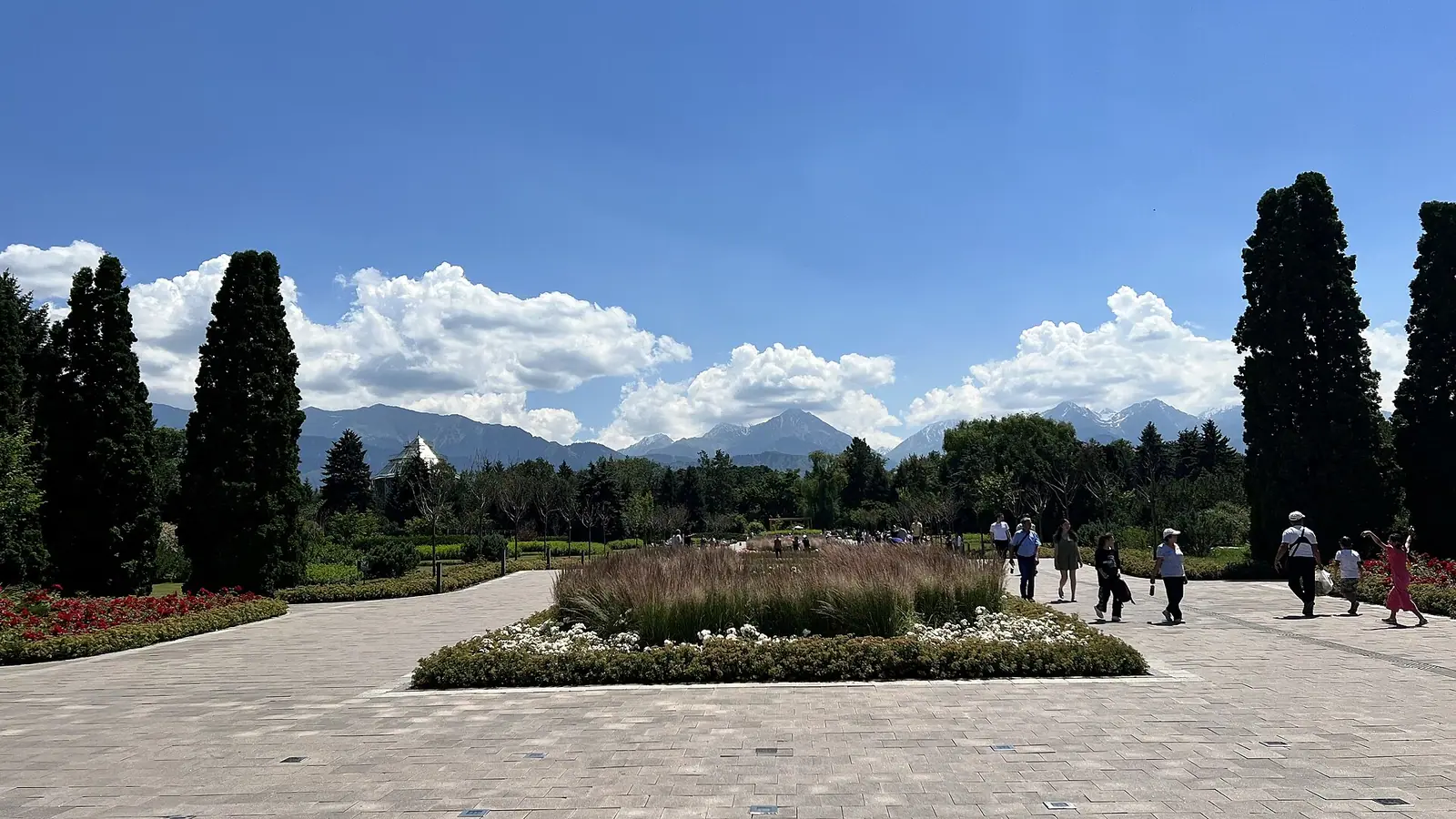
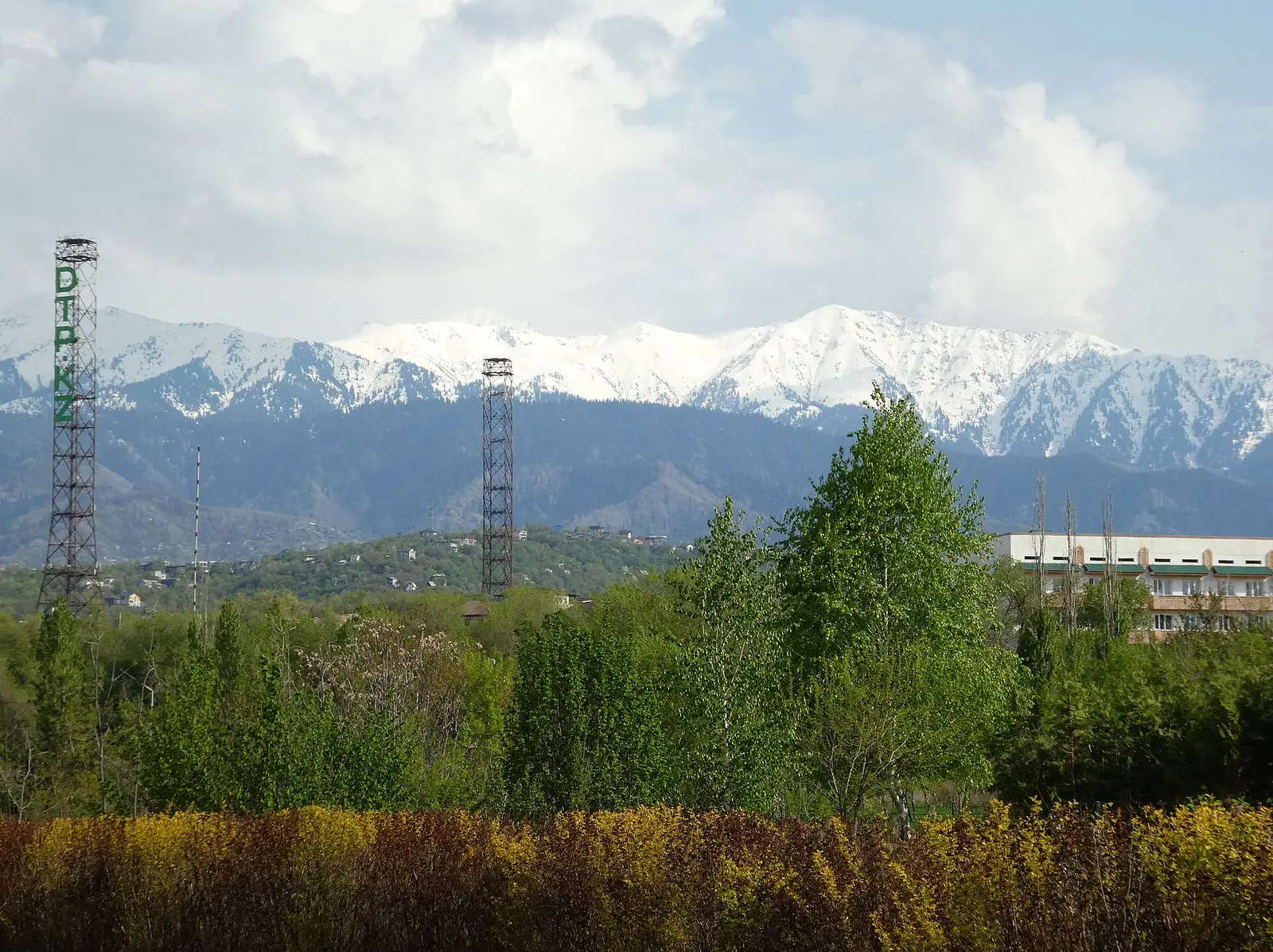
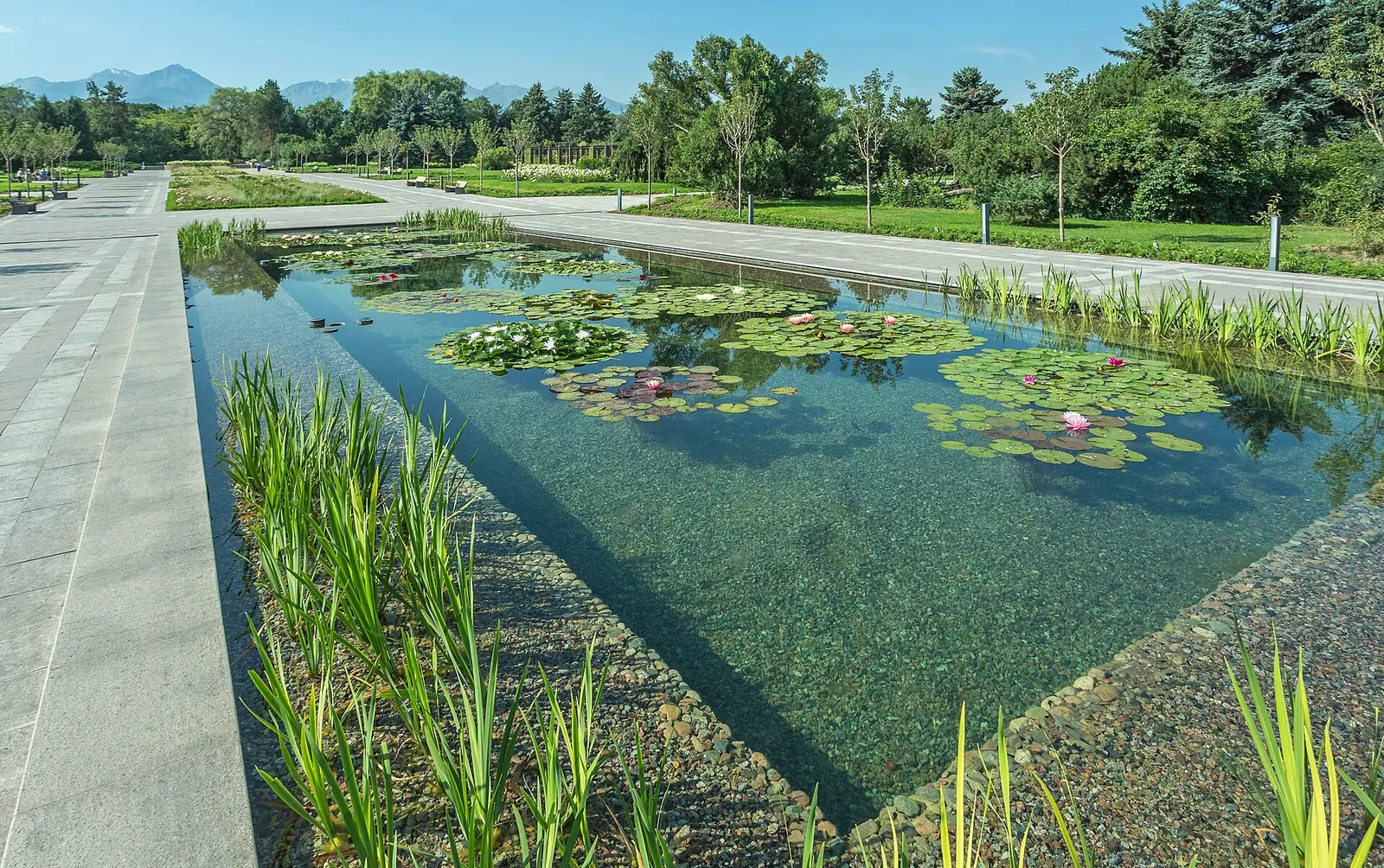
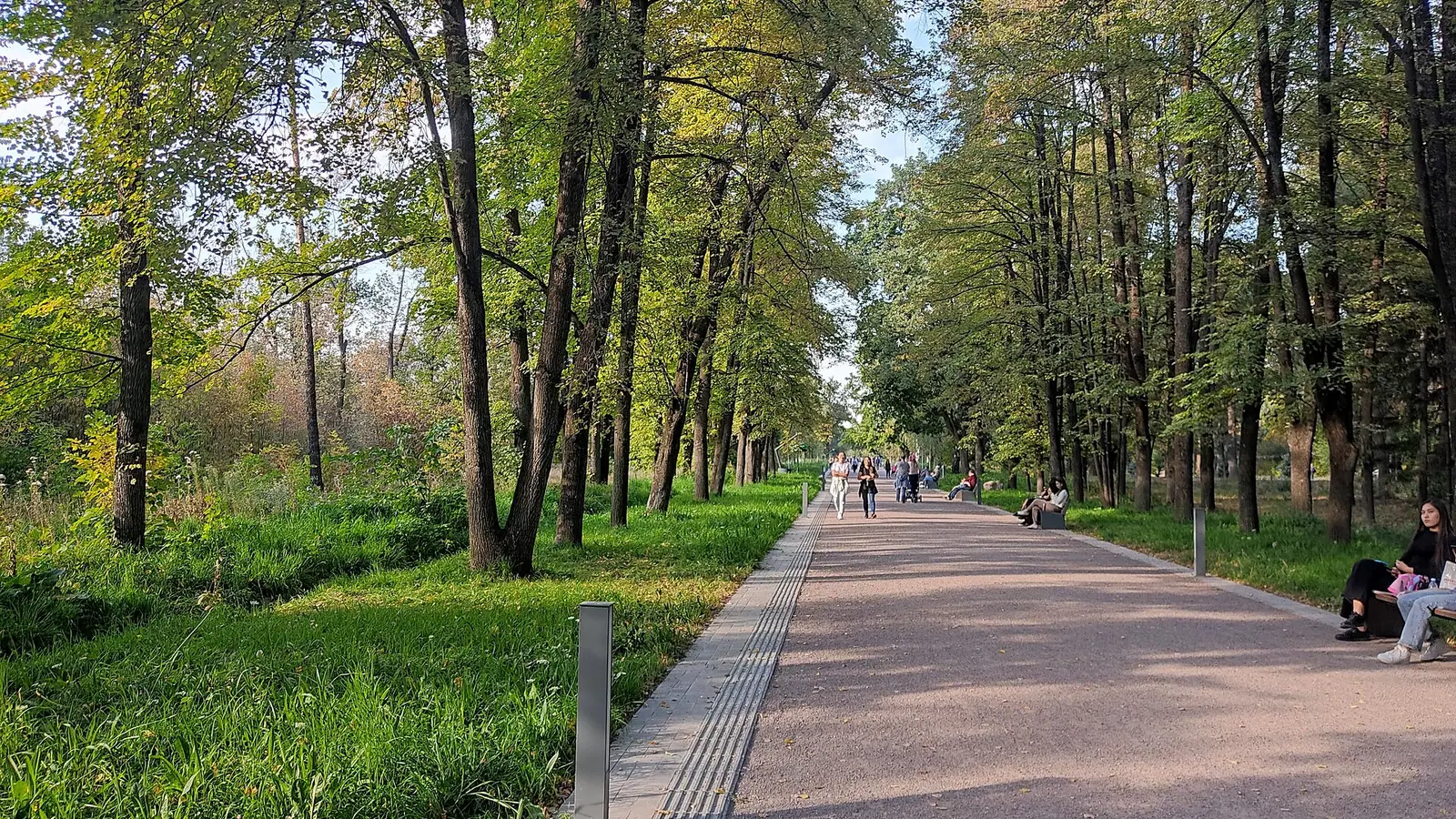
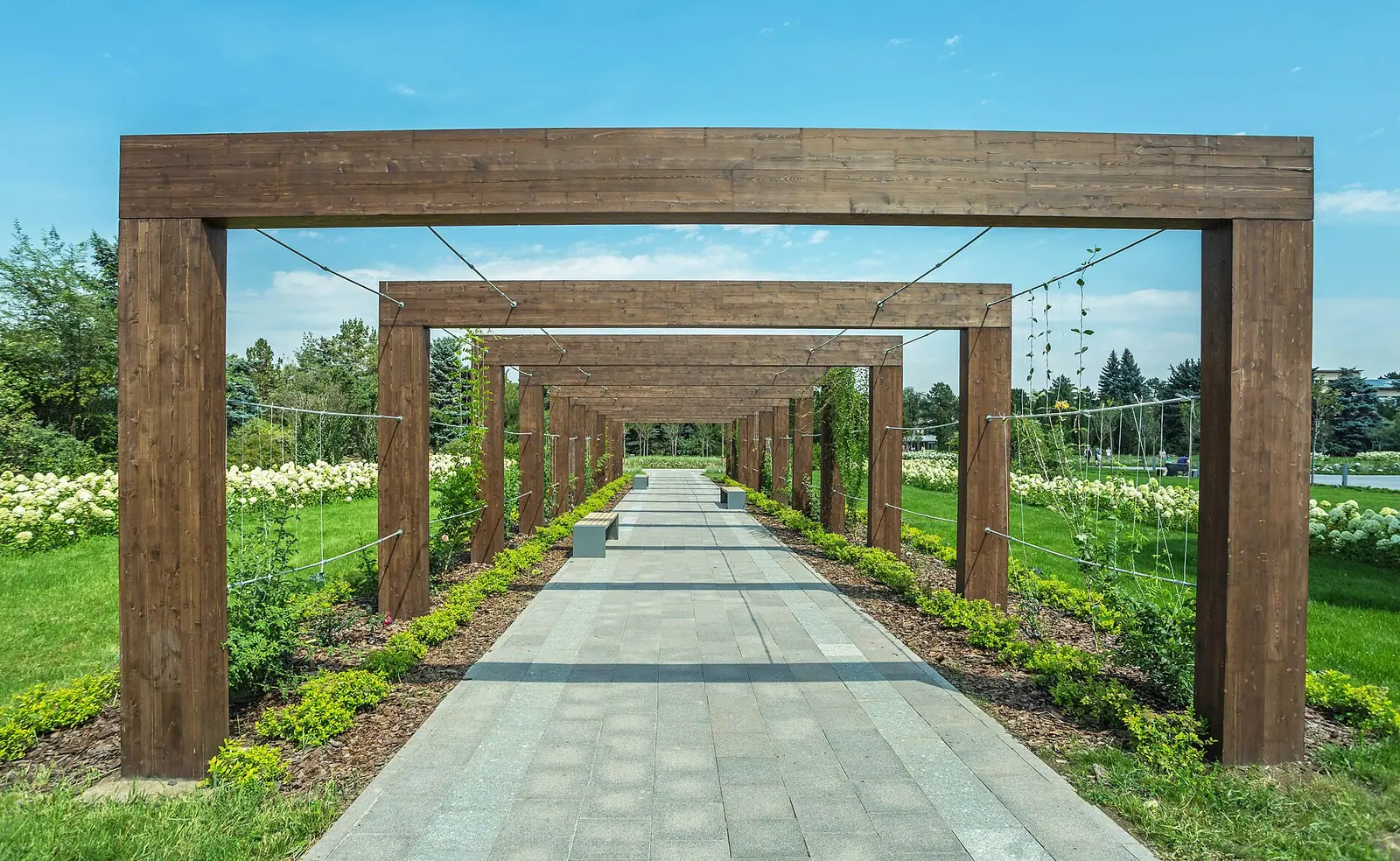
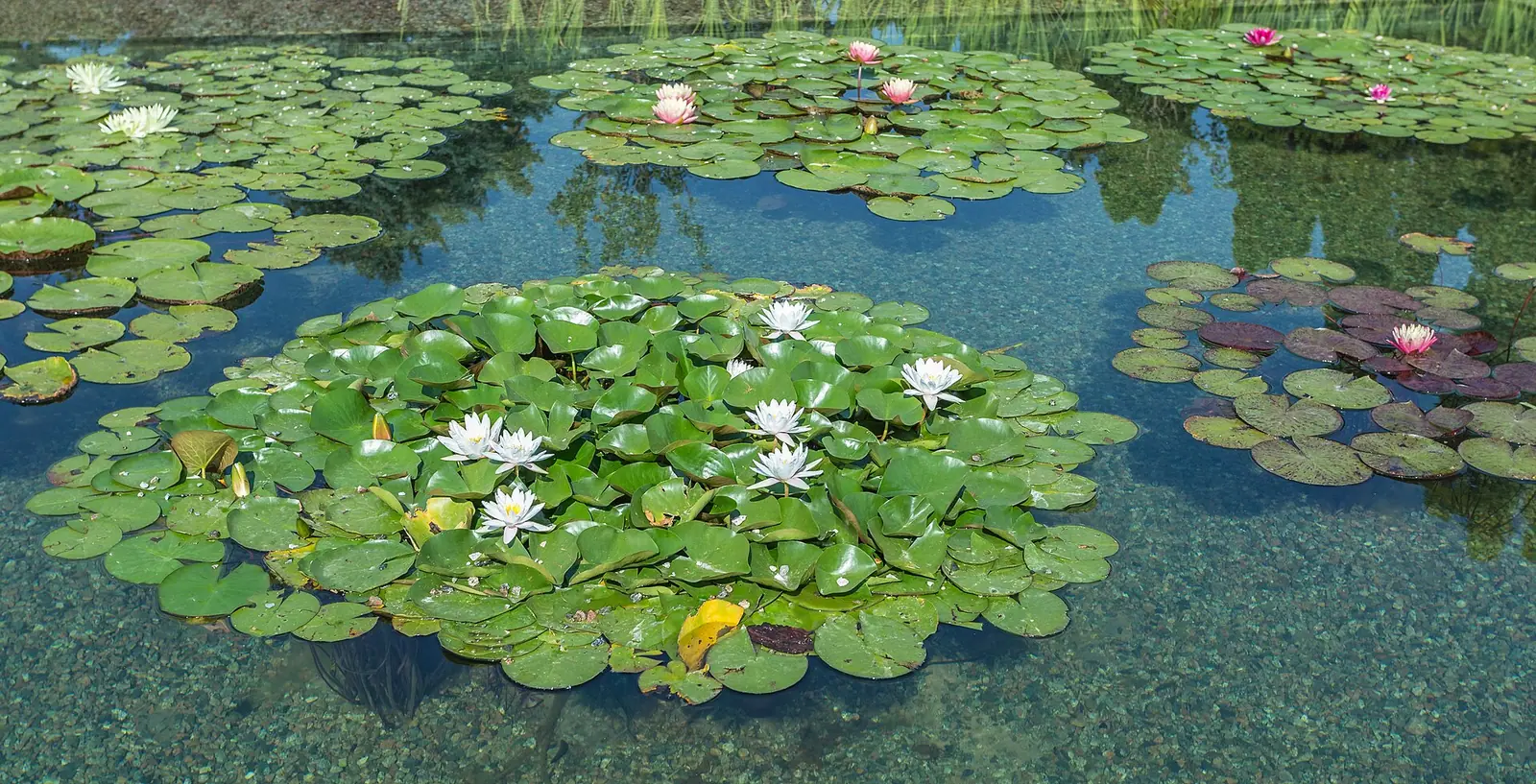
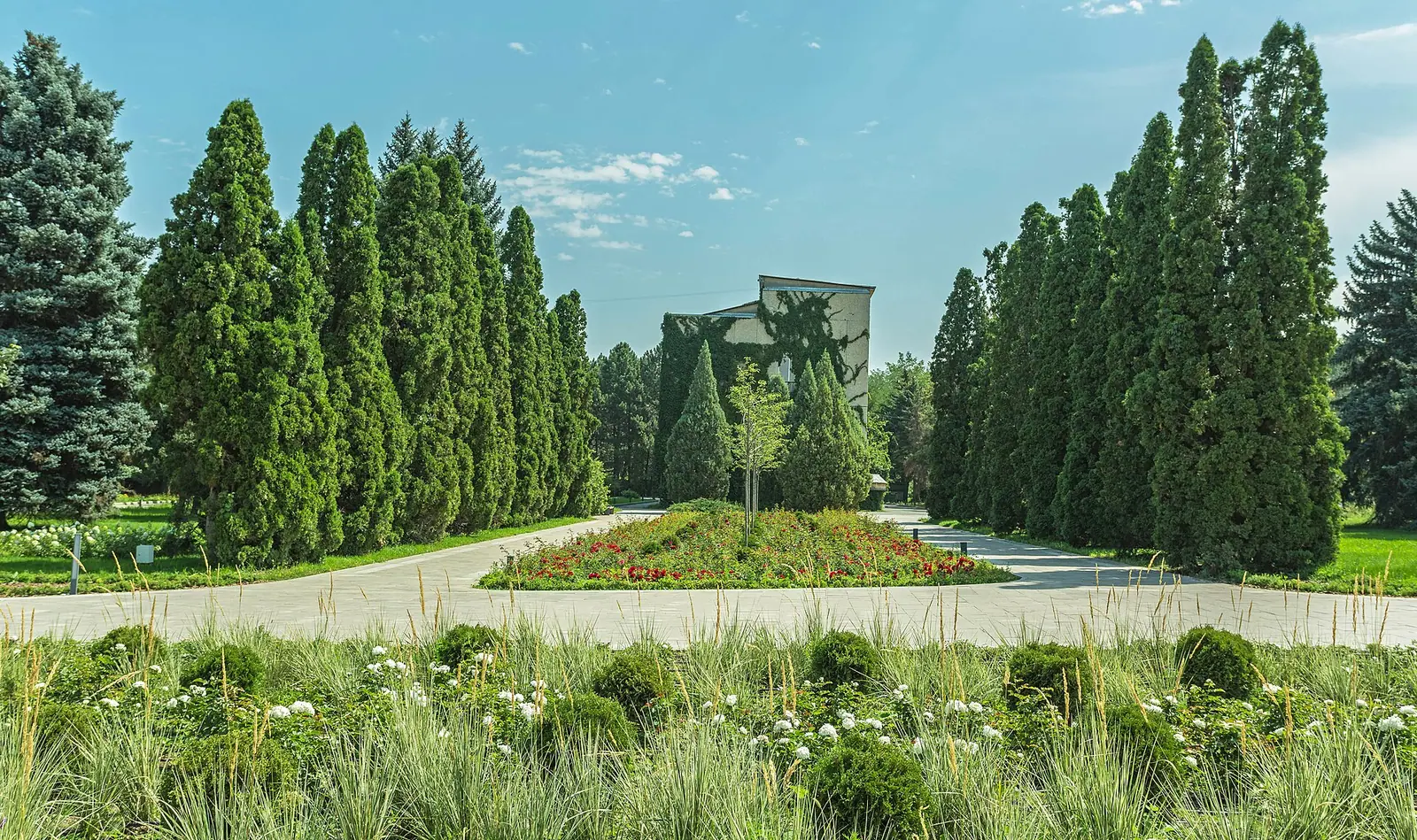
Real photos by travellers (Pexels, Unsplash, Wikimedia Commons); author and licence are given in each caption.
The Almaty Botanical Garden, officially the Main Botanical Garden, is a 103.6-hectare research garden laid out in 1932 in the city’s Bostandyk district, at 856–906 m above sea level. Since a 2018–2020 rebuild it has three entrances, new ponds, about 175,000 new plants and paths for visitors with limited mobility. In summer 2026 it opens daily from 9:00 to 20:00, entry is paid with a separate rate for foreign visitors, and April and May are the peak months, when tulips, cherry blossom, magnolias and lilac flower.
What the Almaty Botanical Garden is: a research garden with park-goers
The Almaty Botanical Garden is first a scientific collection and only then a place for a walk. The Astana Times describes it as divided into exhibition, scientific, public and administrative zones. Staff introduce new species, run molecular genetic research and select plants for city landscaping. Since 2006 it has been a protected natural area of national significance, which halted attempts to sell or build on parts of it (Russian Wikipedia).
For a visitor this has one practical consequence. Informburo stresses that legally it is a botanical garden, not a city park, so the rules are stricter than in an ordinary square, and the ticket includes a protected-area fee.
| Parameter | Value |
|---|---|
| Founded | 1932 |
| Area | 103.6 ha (1932: 108 ha; 2006: 104 ha) |
| Altitude | 856–906 m |
| Address | 36D Timiryazev Street, Bostandyk district |
| Status | protected natural area of national significance since 2006 |
| Run by | state enterprise «Institute of Botany and Phytointroduction» |
| Entrances | north, south, west |
Almaty Botanical Garden opening hours and tickets in 2026
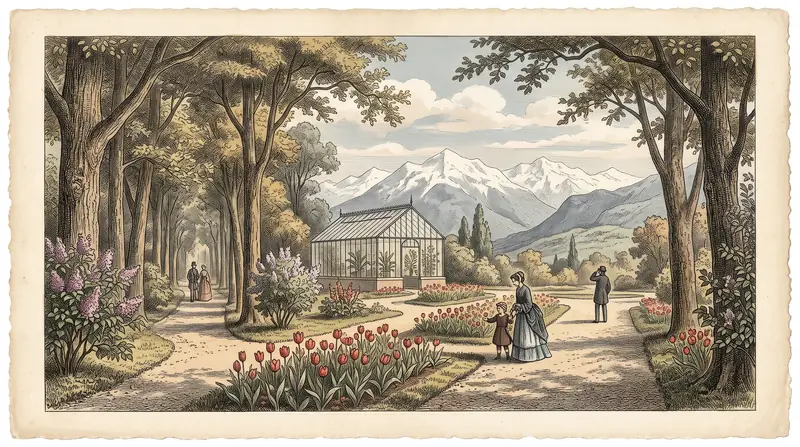
In summer 2026 the garden is open daily from 9:00 to 20:00, the schedule in force since 1 April. The ticket office shuts for a technical break from 15:00 to 15:30, and the first Monday of each month is a cleaning day, which may move if it falls on a public holiday (Kursiv, Bes.media). Plan around both. Winter hours are shorter: in mid-October 2025 the garden switched to 10:00–18:00.
Ticket prices were recalculated in January 2026: under the new Tax Code VAT rose from 12 to 16%, and the garden’s rate includes VAT. The administration calls the current amounts temporary and is agreeing rounded tariffs without tiyn with the Forestry and Wildlife Committee (inAlmaty), so expect the figures below to change slightly. According to Russian Wikipedia (on the 2021 tariffs), the ticket price includes a protected-area fee of 0.1 MCI.
If you are travelling from outside the CIS, you pay the foreign visitor rate, roughly twice the adult rate.
| Category | Price, per Kursiv as of March 2026 |
|---|---|
| Adult | 932.14 ₸ |
| Student | 745.71 ₸ |
| Schoolchild, pensioner | 466.07 ₸ |
| CIS citizen | 1,118.57 ₸ |
| Foreign visitor | 1,864.29 ₸ |
| Children under 7, veterans, people with disabilities | free |
Source: Kursiv, 31.03.2026; the same amounts for adults, students and concessions: inAlmaty, 06.01.2026.
When to visit: April and May for blossom, summer mornings for heat
Come in April or May if you want the garden in flower. Tengrinews expects cherry blossom in Kazakhstan from the second ten days of April to the first ten days of May, and it lasts just 10–15 days, so a trip booked for early April or late May can miss it. Lilac in Almaty, says Aviasales, flowers from mid-April into May for one to two weeks; the garden has a dedicated lilac collection, the syringarium. In 2022 tulips, quince and magnolias bloomed at the same time as the sakura, around 20 April.
| Period | What to expect |
|---|---|
| Mid-April to early May | cherry blossom (10–15 days), tulips, quince, magnolias |
| Mid-April into May | lilac, for one to two weeks |
| Summer | Almaty’s average July high is +30.5 °C; arrive at opening |
| Winter | shorter hours (10:00–18:00 from mid-October 2025) |
Day high, °C / Night low, °C · Rain/snow, mm
The garden lies at 856–906 m, almost level with the city weather station, so the station's figures apply directly.
Monthly figures
| Month | Day high, °C | Night low, °C | Rain/snow, mm |
|---|---|---|---|
| Jan | 0.5 | -8.1 | 34.7 |
| Feb | 2.7 | -6.2 | 42.6 |
| Mar | 9.9 | -0.2 | 72.4 |
| Apr | 17.8 | 6.8 | 112.4 |
| May | 22.9 | 11.5 | 98.7 |
| Jun | 27.9 | 16.4 | 59 |
| Jul | 30.5 | 18.6 | 42.9 |
| Aug | 29.7 | 17.3 | 33.5 |
| Sep | 24.5 | 12 | 27.8 |
| Oct | 16.9 | 5.3 | 49.8 |
| Nov | 8.1 | -1 | 55.3 |
| Dec | 2 | -6.1 | 44.3 |
Source: Almaty — Wikipedia (Climate data for Almaty, 1991–2020; Pogoda.ru.net, NOAA)
Weekdays are noticeably quieter. According to Informburo, in 2020 about 5,000 people came on weekend days and about 2,000 on weekdays, which matters most during the short blossom window.
What to see and photograph in the Botanical Garden
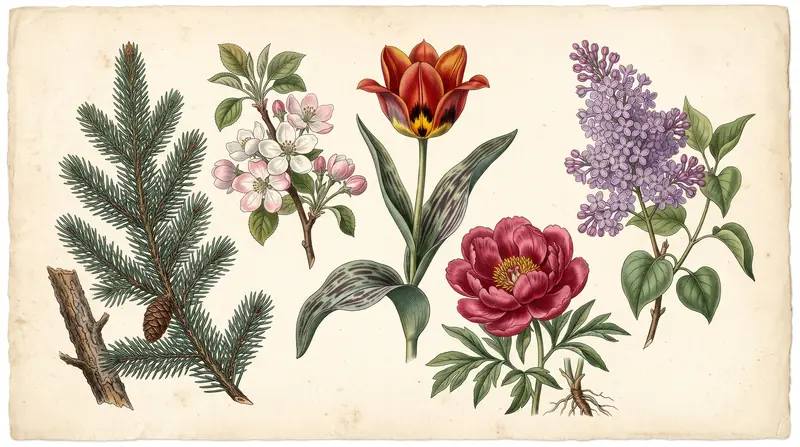
The tree collection is laid out by geography, which makes the garden easy to read on foot: «Kazakhstan», «Europe, Crimea, Caucasus», «East Asia», «North America» and «Siberia, Far East». In 2011 it held 895 taxa of trees and shrubs from 49 families on 42 ha (Russian Wikipedia). Separate plots are given over to conifers (the coniferetum), lilacs (the syringarium), climbing plants and hazels.
- Flower collection: about 600 species outdoors and under glass; the garden’s staff have bred 18 freesia and 15 rose cultivars.
- Rock garden: about 200 local species and over 100 species and cultivars from elsewhere, including 32 rare species of Kazakhstan’s flora.
- Glasshouse: a complex for tropical and subtropical plants, opened in 1969.
- New plants: after the rebuild, says Informburo, the collection gained about 520 new taxa, roughly 300 of which had never grown in the Almaty region.
- Herbarium: about 250,000 specimens; a research archive rather than a display.
For spring photos, head for the northern parterre. Sakura trees line its entire length, with Japanese quince (chaenomeles) and more than ten tulip varieties nearby. In 2022 the same area had «Susan» and lily magnolias and the «Van Eseltine» ornamental apple in flower, while Niedzwetzky’s apple bloomed in the orchard (Informburo). Note that filming is a separate, paid matter (see the rules below).
Which entrance to use and how to get there
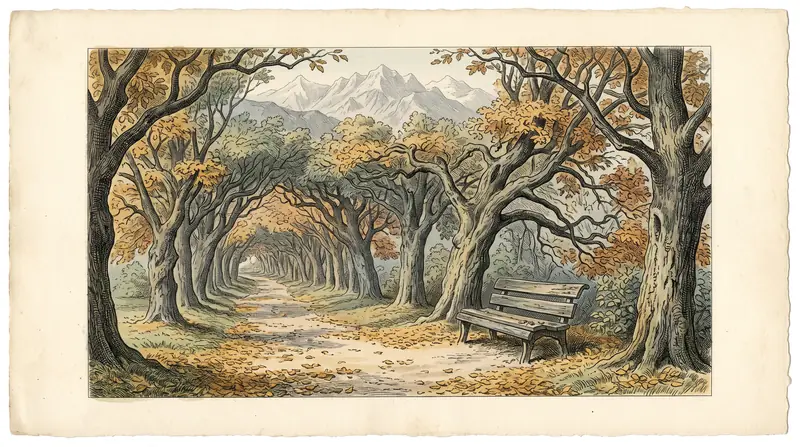
The garden is inside the city, and each of its three entrances is served by different transport. Most routes run to the north entrance on Timiryazev Street. The route list below is from Sxodim as of 2023; check it in the transport operator’s app before you go.
| Entrance | From | Transport | Parking |
|---|---|---|---|
| North | Timiryazev Street | buses 18, 30, 32, 45, 70, 79, 124, 205, trolleybuses 7, 9, 11 to the «Botanical Garden» stop | — |
| South | Al-Farabi Avenue | buses 38, 63, 86, 127 to the «Akademgorodok» stop | at Esentai Mall; bike parking at the south pavilion |
| West | Atakent side | — | at the Atakent exhibition centre |
The northern pavilion is the old one and the most familiar to locals, so, according to Informburo, that is where the queues form. At weekends the south or west entrance is easier; the south one also suits you if you are arriving by car via Esentai Mall or by bike, since bikes stay outside.
Visitor rules are stricter than in a city park
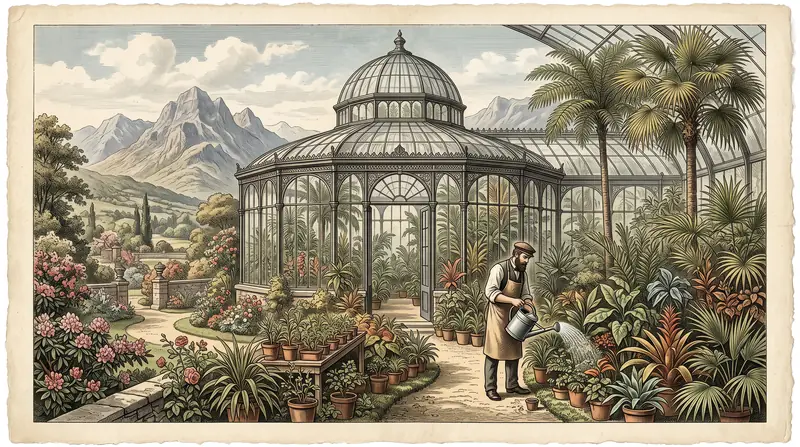
Because the garden is a protected area, a few habits that are fine in a park will get you stopped here. According to Sxodim, you may not bring in bicycles, e-scooters or hoverboards, walk animals, pick or dig up plants, step on flowerbeds, smoke or drink alcohol, and children must not be left unattended. Filming is paid under the institute’s price list, and a request may be refused if the idea clashes with environmental principles (Informburo). The grounds are covered by cameras: Forbes Kazakhstan reported on the CCTV system installed during the rebuild.
The 2018–2020 rebuild shaped the garden you see today
The present garden is the result of a rebuild that Bulat Utemuratov’s foundation began in 2018; The Astana Times puts the investment at 15 million dollars. Before the works the biggest problem was a lack of irrigation water. Two new artesian wells were drilled, the old ones refurbished, a water intake was built on the Kerenkulak river (as Forbes Kazakhstan spells it), three new ponds were dug on the southern parterre and two old ones restored on the northern one.
More than 1,300 trees, 40,000 shrubs, 130,000 grasses and perennials and 3,000 roses went into the ground. The northern parterre was restored to the original 1932 drawings, while the southern one, a former wasteland, became a wild-grass zone. Tactile paths and ramps, a mobile guide app and three entrance pavilions with ticket offices and toilets appeared. The garden reopened on 15 June 2020; in three months more than 210,000 people came, a record, says Informburo, against about 50,000 in the peak year of 2017.
History of the Main Botanical Garden since 1932
The garden dates from 14 March 1932, when the Presidium of the USSR Academy of Sciences resolved to set up a research base in Kazakhstan with a botanical garden (Russian Wikipedia). In 1933 M. G. Popov started the herbarium from the collection of the Semirechye Museum, the first arboretum followed in 1939 and the first guidebook in 1945. In 1946 the garden became an independent institution of the Kazakh SSR Academy of Sciences, in 1953 it was named the «Alma-Ata Botanical Garden», and from 1965 the Main Botanical Garden. In 1995 it was merged with the Institute of Botany into the Institute of Botany and Phytointroduction.
Sources disagree on some dates. According to Forbes Kazakhstan, the garden had a major overhaul in the mid-1950s and gained research-institution status in 1967, and Wikipedia itself is inconsistent here.
The garden has slowly shrunk: 108 ha at its founding, 104 ha in 2006 and 103.6 ha today. Wikipedia notes that part of the land was taken away after 2006 with no explanation.
Near the Botanical Garden
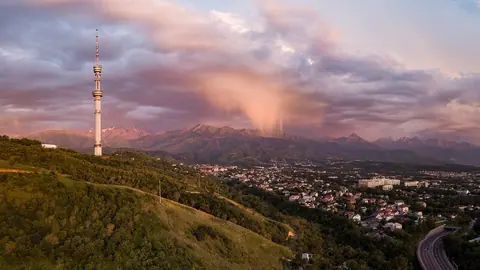
- Kok-Tobe: a hill with a cable car and city views.
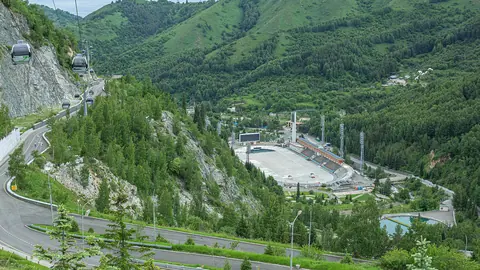
- Medeu: the dam valley where mountain trails begin.
- Alma-Arasan: hot springs in the Prokhodnaya gorge.
- Where to go in spring: more places for the blossom season.
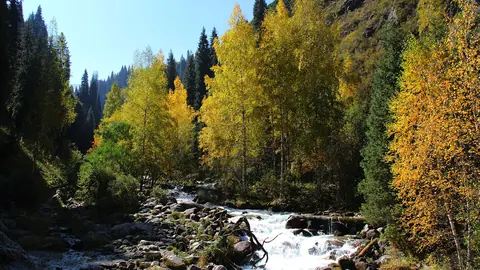
- Nature near Almaty: 15 day trips.
Almaty Main Botanical Garden: tips before you go
- Most transport runs to the north gate on Timiryazev; at weekends queues are shorter at the south and west gates.
- The ticket office closes 15:00–15:30, and the first Monday of each month is a cleaning day.
- Leave bikes, scooters and dogs at home — they are not allowed in the garden.
- Weekdays see roughly two and a half times fewer visitors than weekends.
More to see nearby


Frequently asked questions
What are the opening hours of the Almaty Botanical Garden?
How much is a ticket to the Almaty Botanical Garden?
How do I get to the Almaty Botanical Garden?
When does cherry blossom bloom in the Almaty Botanical Garden?
Can I bring a dog or a bike into the Botanical Garden?
How big is the Almaty Botanical Garden?
When did the Almaty Botanical Garden reopen after reconstruction?
Sources
- Алматинский ботанический сад — Wikipedia (Russian)
- Ботанический сад Алматы — Sxodim, 03.04.2023
- Ботанический сад Алматы увеличил график работы — Kursiv, 31.03.2026
- Алматинцев предупредили о новом режиме работы Ботанического сада — Bes.media, 01.04.2026
- В Главном ботаническом саду Алматы изменились цены на входные билеты — inAlmaty, 06.01.2026
- 210 тысяч посетителей за три месяца: что изменилось после реконструкции Ботсада Алматы — Informburo, 17.09.2020
- Подарок для всех. Как Утемуратов изменил ботанический сад в Алматы — Forbes Kazakhstan, 26.11.2020
- Get Some Air: Botanic Gardens Serve as Model for Urban Renewal — The Astana Times, 18.05.2025
- Цветущая сакура, магнолия, айва и тюльпаны: ботанический сад Алматы этой весной — Informburo, 21.04.2022
- Сакура в Казахстане: где и когда можно полюбоваться цветением — Tengrinews, 14.03.2025
- Где любоваться цветущей сиренью в Алматы — Aviasales Demalys, 18.12.2025
- Climate data for Almaty (1991–2020) — Wikipedia
Read also
 Almaty Zoo in Kazakhstan: opening hours and how to visit
 Ayusai Gorge, Almaty: visitor centre and waterfall trail
 Gorelnik Gorge above Medeu: waterfalls, trail and season
 Kamenskoe Plateau above Almaty: observatory and trails
 Pervomaiskie Ponds near Almaty: location, swimming, season
 Saty village: base for the Kolsai and Kaindy lakes