Verified: 2026-11
Kazakhstan's Red Book in photos
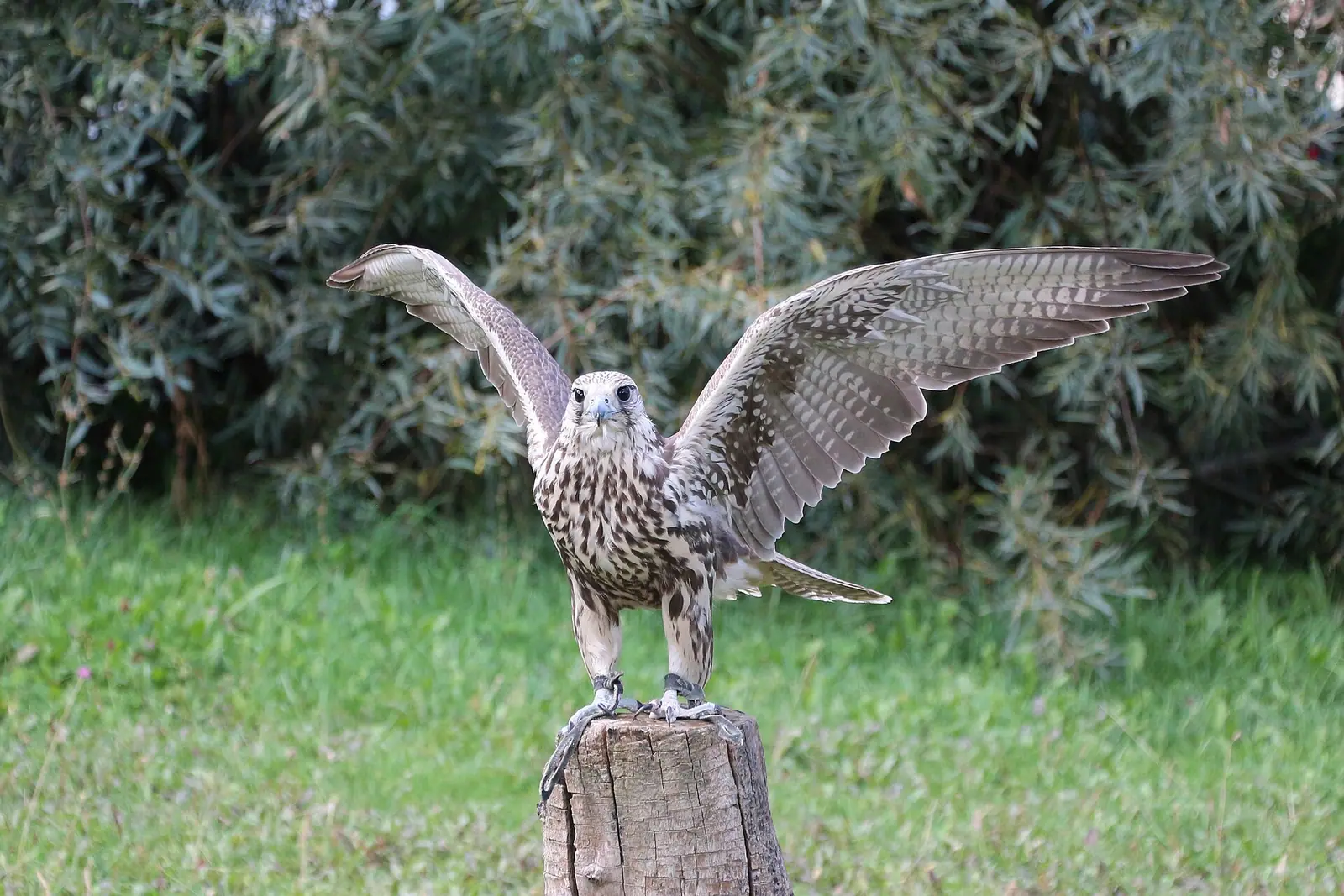
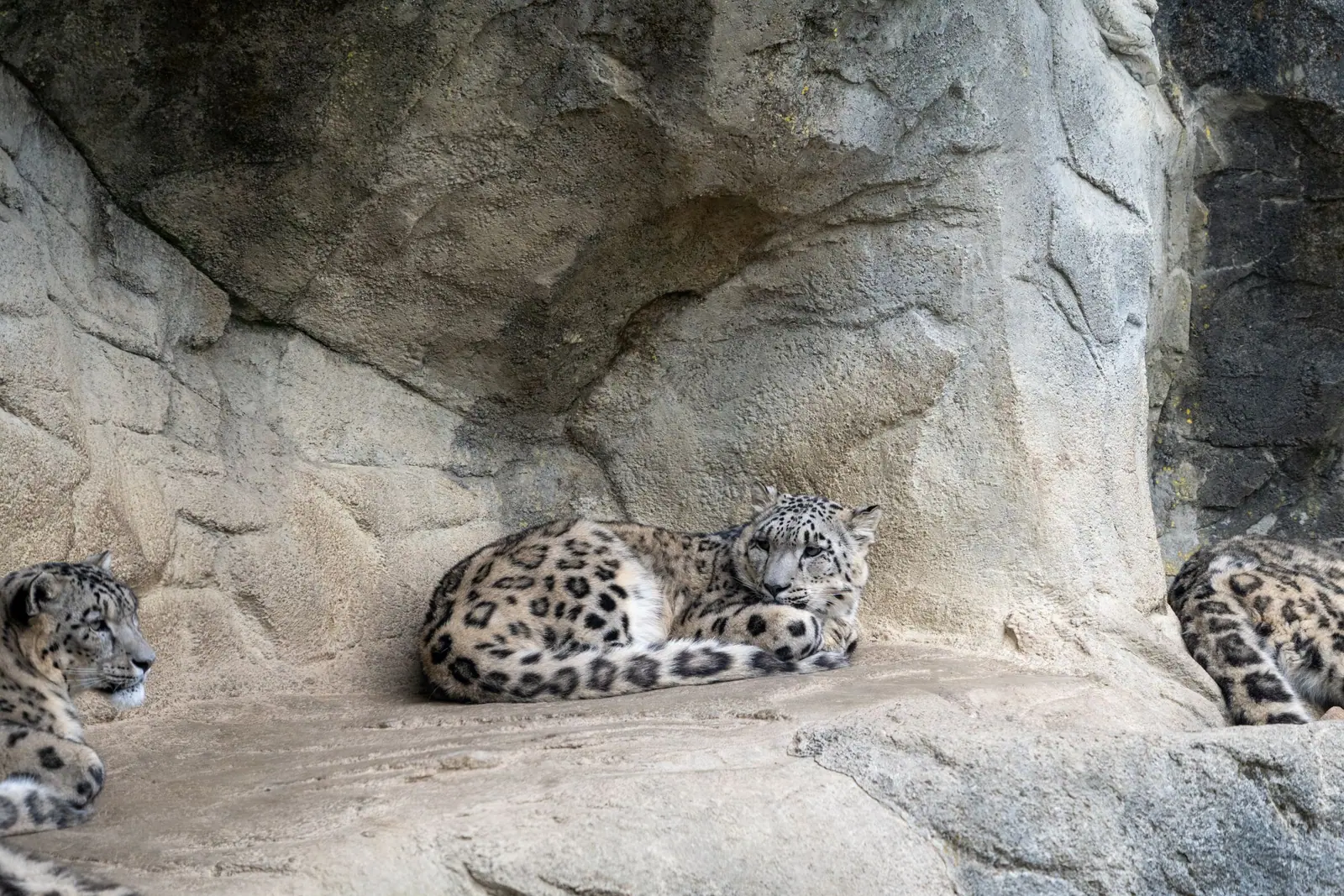
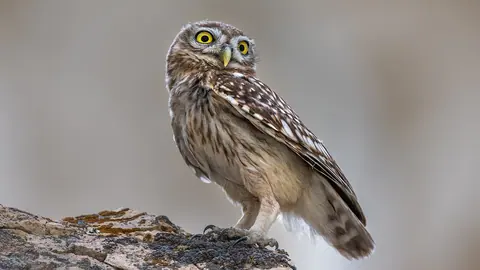
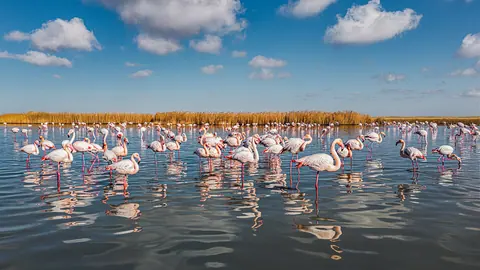
Real photos by travellers (Pexels, Unsplash, Wikimedia Commons); author and licence are given in each caption.
Kazakhstan’s Red Book is the national register of rare and endangered species, and its legal backbone is the list in Government Decree No. 1034. The animal list was updated on 17 August 2026 and names 217 species and subspecies. Plants have their own list of 387.
A book and a legal list
The name covers two documents. One is the scientists’ book, with descriptions and maps, which has run to five editions since 1978. The other is the government list, and that is the one with legal force: being on it brings protection automatically. Article 339 of the Criminal Code covers illegal killing, possession or sale of listed species and destruction of their habitat.
What is on the list
Decree 1034, 2026 wording, our count of list entries
These are our counts of entries in the decree. The biggest group is invertebrates, not large mammals, which surprises most readers. Well-known names include the snow leopard, Caspian seal, Turkmen kulan, goitered gazelle, greater flamingo, Dalmatian pelican, golden eagle and relict gull.
The fifth edition added 11 taxa and removed 19. New entries include the griffon vulture, cinereous vulture and jungle cat. That is why older sources say 227.
Why the saiga is missing
Many pages say the saiga is in the Red Book. It is not in the 2026 list. Among even-toed ungulates the list names the Bukhara deer, goitered gazelle and six forms of wild sheep. See saiga in Kazakhstan for the census numbers and the culling debate.
How well the animals are counted
The Forestry and Wildlife Committee says exact numbers are impossible for most species because there are so many, over such wide areas. It has relatively full data for only a few:
| Species | 2005 | May 2025 |
|---|---|---|
| Bukhara (tugai) deer | 350 | 1,210 |
| Kulan | 1,112 | 4,614 |
| Argali | 8,835 | 21,182 |
| Snow leopard | no figure | 152–189 |
Where you can see rare animals
Most listed species are hard to see in the wild. These are the realistic starting points, and none comes with a guarantee.
| Animal | Where | Know before you go |
|---|---|---|
| Greater flamingo | Korgalzhyn | Route and guide required |
| Kulan | Altyn-Emel | National park; a permit covers one route |
| Argali | Buiratau | Paid entry |
| Goitered gazelle, Pallas’s cat | Charyn | Sightings are not promised |
| Bukhara deer | Ile-Balkhash | Arrange in advance |
| Relict gull | Alakol | Islands are closed to visitors |
| Caspian seal | Northern Caspian | On winter ice, hard to reach |
| Snow leopard | Ile-Alatau | In practice, camera traps only |
For the wider picture, see Kazakhstan’s animals and birds of Kazakhstan.
- We could not confirm a publication date for the fifth edition or whether an online version exists.
Frequently asked questions
How many animals are in Kazakhstan's Red Book?
Is the saiga antelope in Kazakhstan's Red Book?
How many snow leopards live in Kazakhstan?
Are the plants on the same list?
Sources
- Government Decree of 31.10.2006 No. 1034: lists of rare and endangered species (Adilet, in Russian and Kazakh; wording of 17.08.2026 No. 726)
- Kazinform, 27.05.2025: reply of the Forestry and Wildlife Committee (in Russian)
- Kazinform: interview with the director of the Institute of Zoology on the fifth edition (in Russian)
Read also
 Animals of Kazakhstan: how many species and who lives where
 Birdwatching in Kazakhstan: species, migration and where to go
 Flamingos in Kazakhstan: the world's northernmost colony
 Kazakhstan nature calendar: what happens each month
 Natural zones of Kazakhstan: from forest-steppe to desert
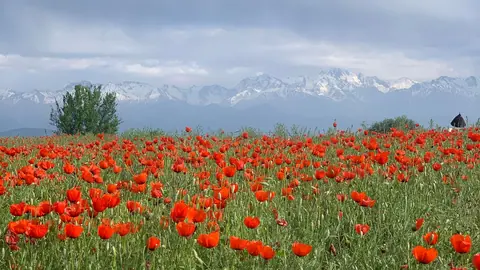 Poppy fields in Kazakhstan: when they bloom and how to find them