Verified: 2026-10
The Singing Dune in Altyn-Emel: why go
Why the Singing Dune hums
Dry grains rub against each other as sand slides down the slope. The bigger the moving mass, the deeper the hum; wet sand stays silent.
A dune that stays put
Built from sand blown off the Ili River's shoals, it has hardly moved in several thousand years, and is protected as a natural monument.
The view from the crest
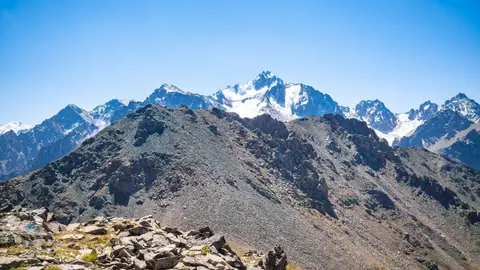
The climb over loose sand is tiring even for a short stretch, but the top looks out over the Ili valley and the Big and Small Kalkan ridges.
Kulans on the way to the dune
Kulans give birth in April and are especially active in October, so meeting them on the drive to the dune is quite likely.
Dune, Aktau and Katutau
From Basshi it is 35–40 km to the dune and about 80 km to Katutau. A realistic plan is two days: the dune first, Aktau and Katutau next.
A one-day pass from Basshi
Passes are issued at the park office in Basshi for one day and one pre-chosen route; you can also pay online via Kaspi or Halyk.
The Singing Dune in Altyn-Emel in photos
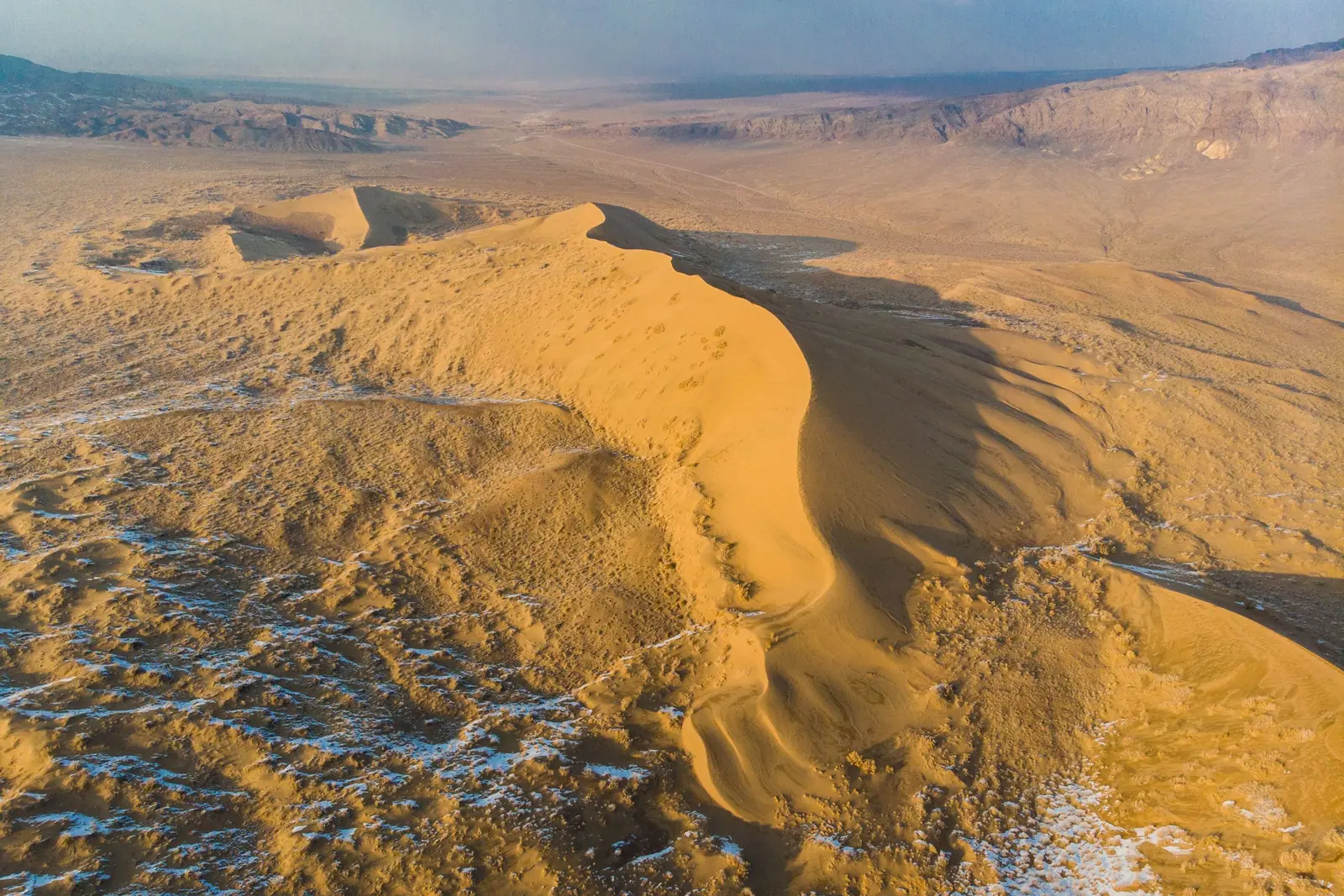
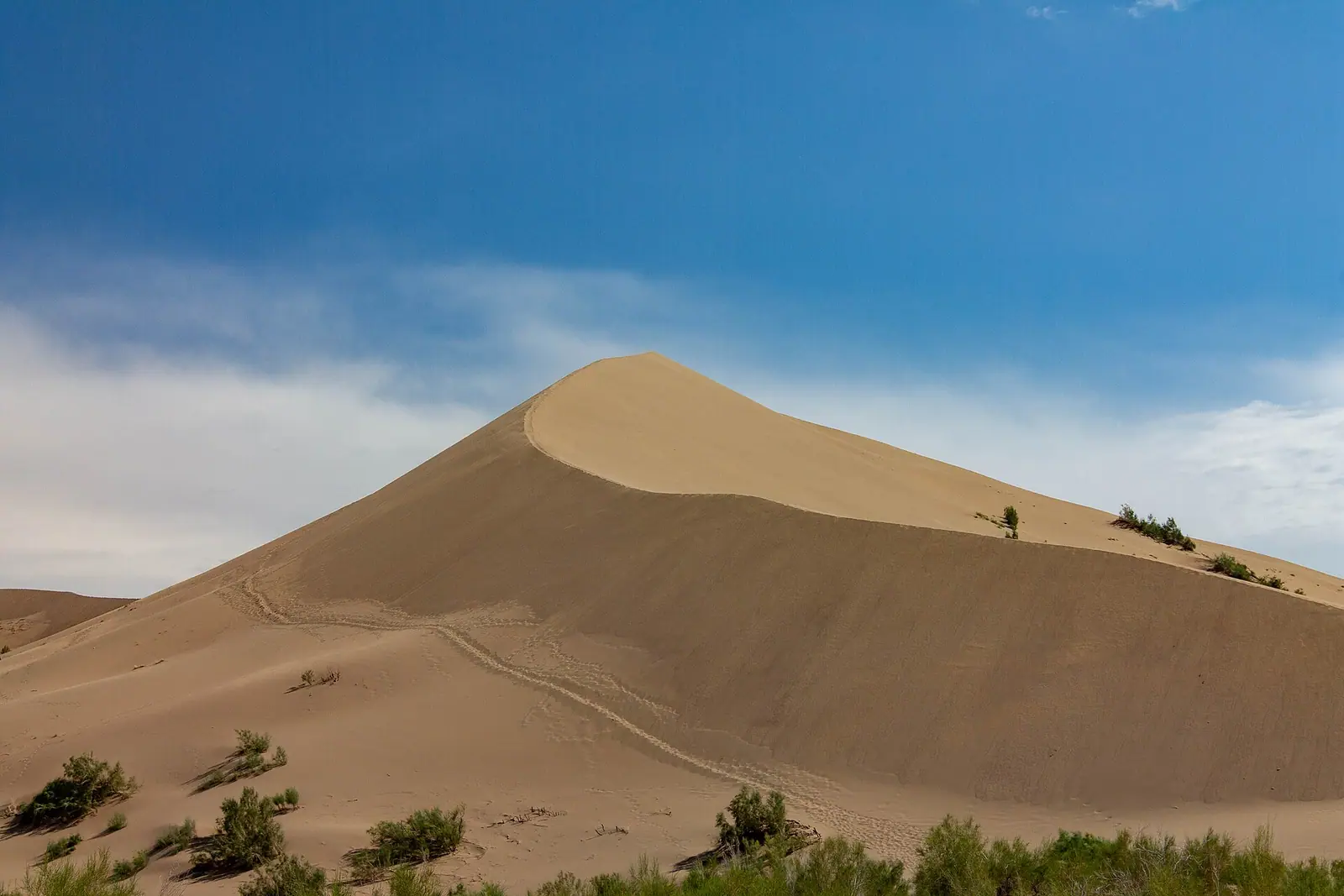
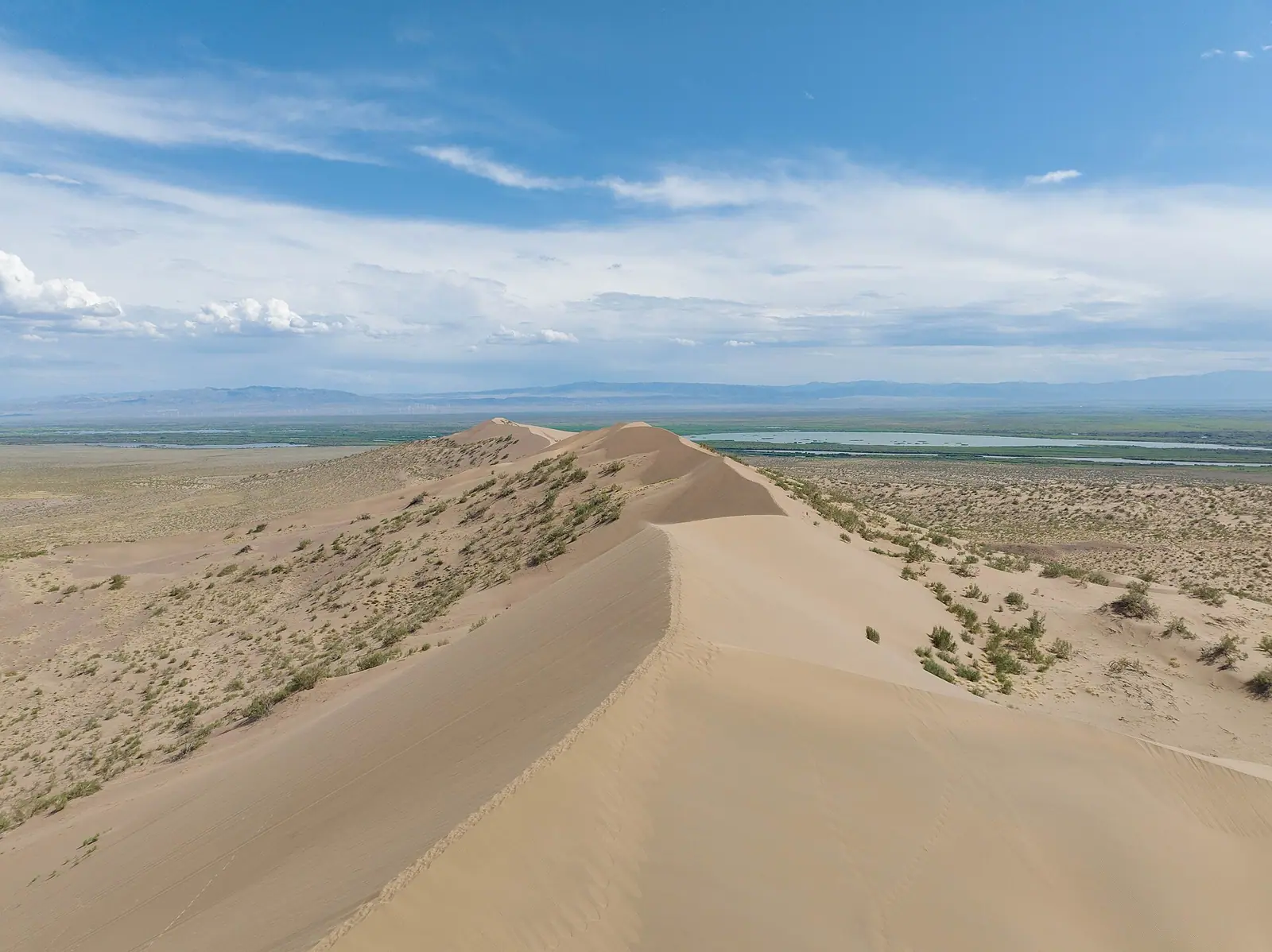
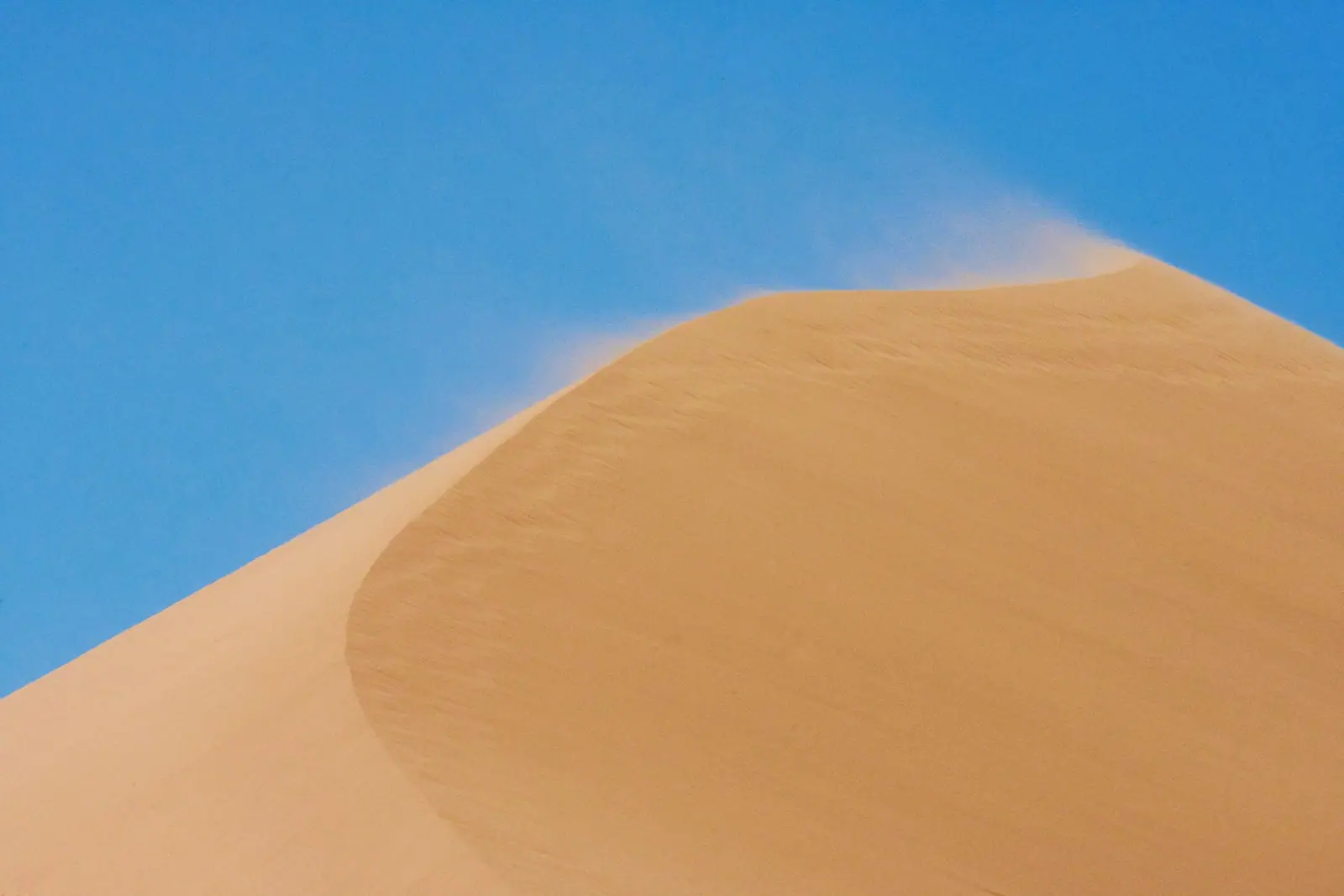
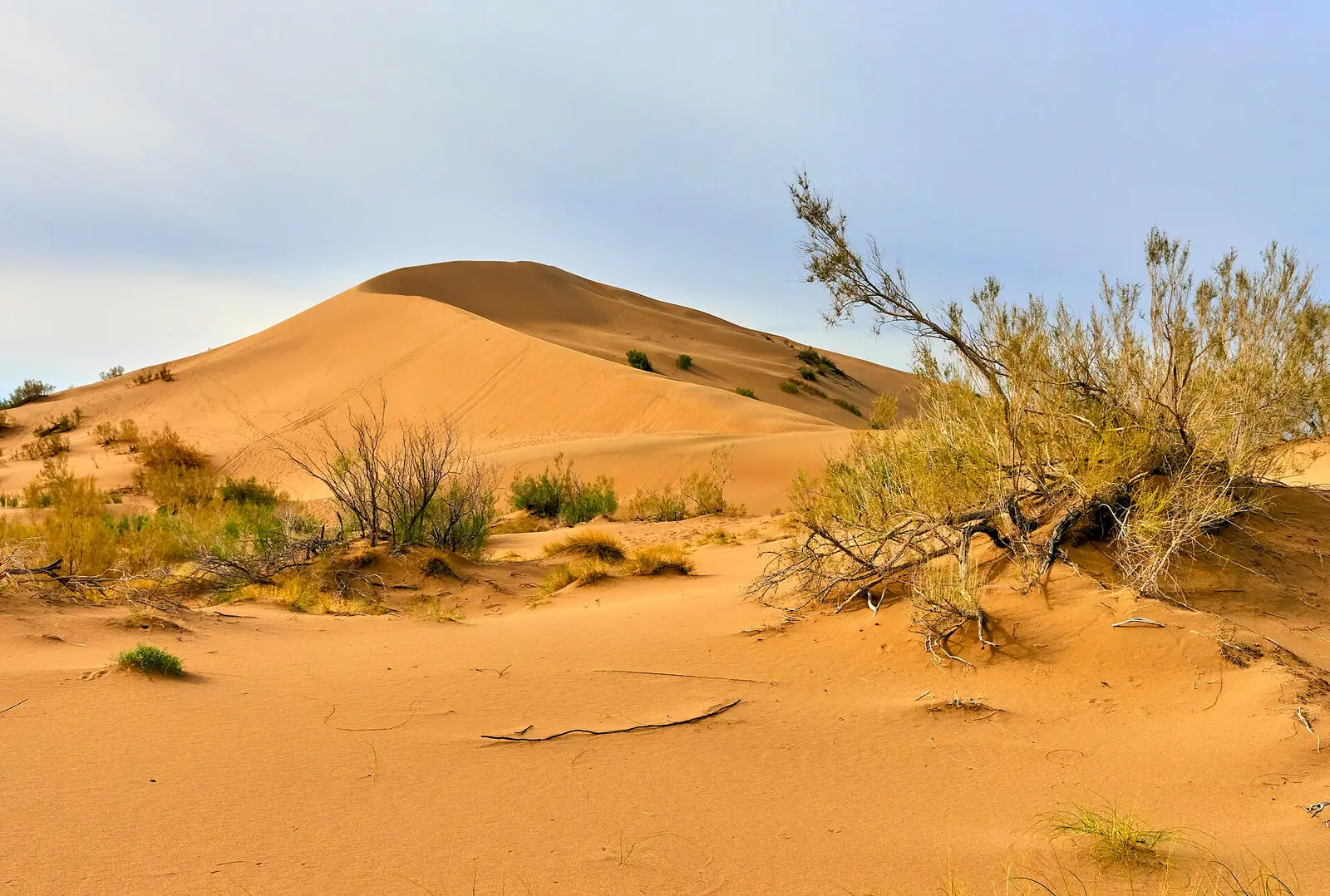
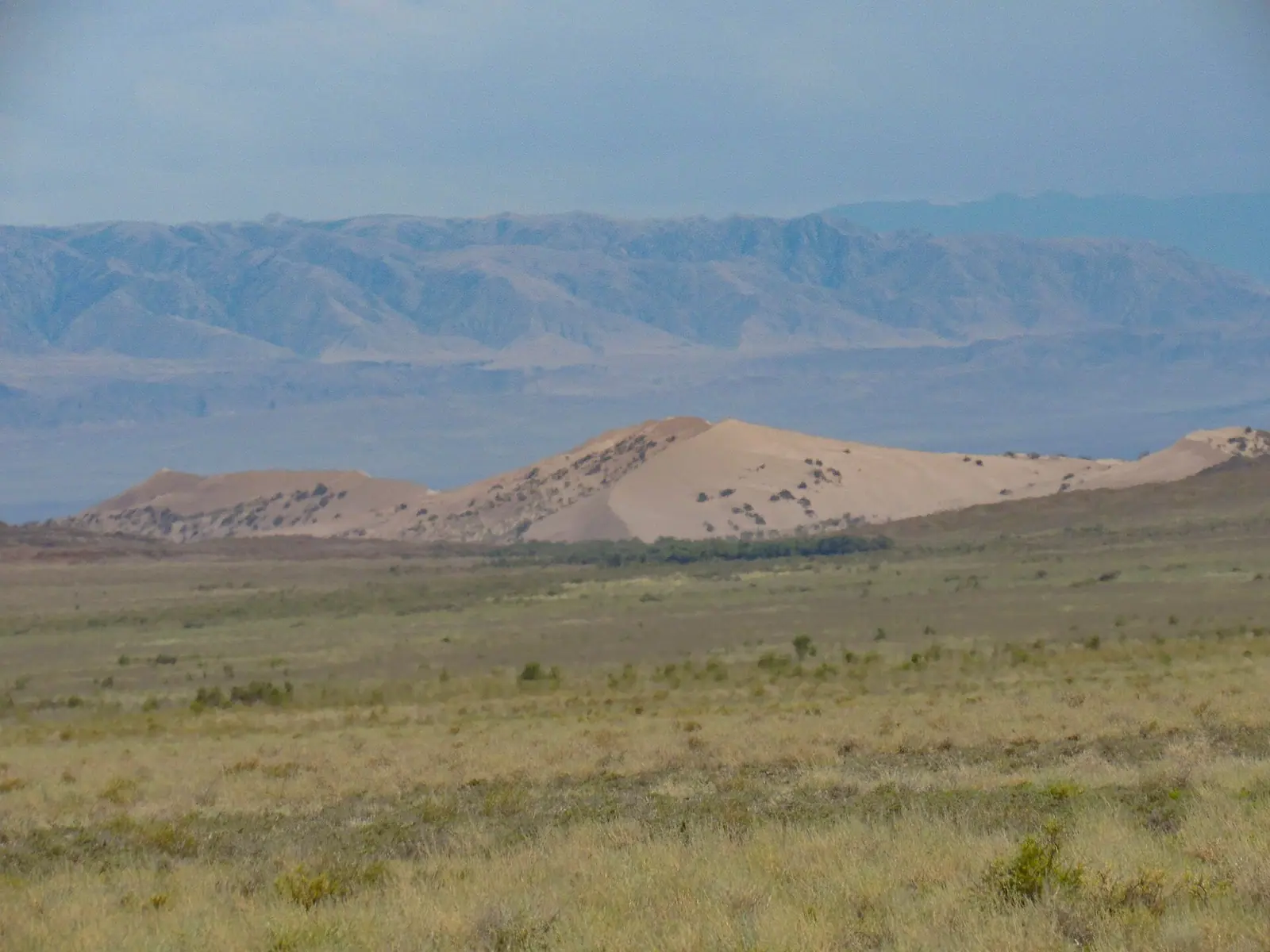
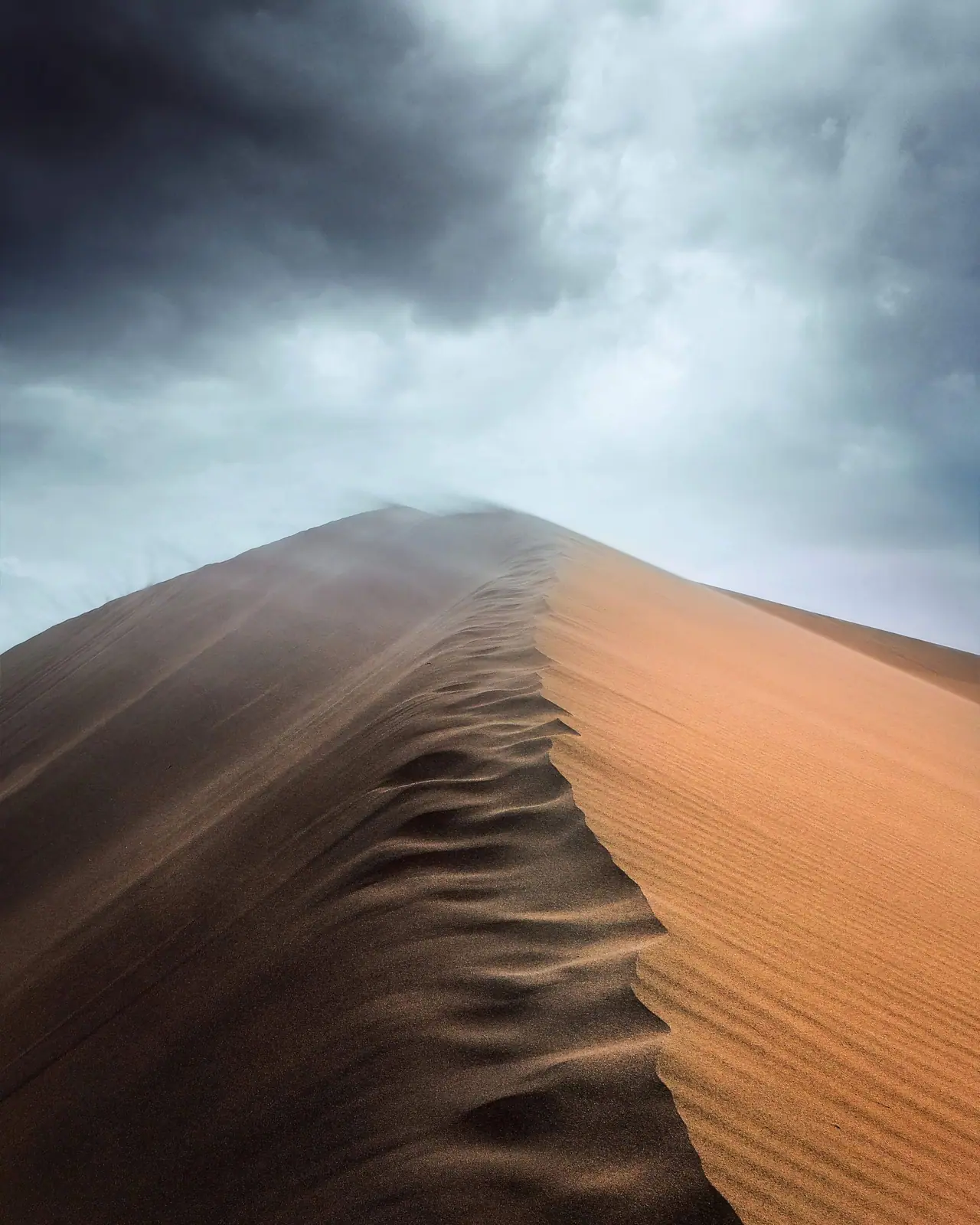
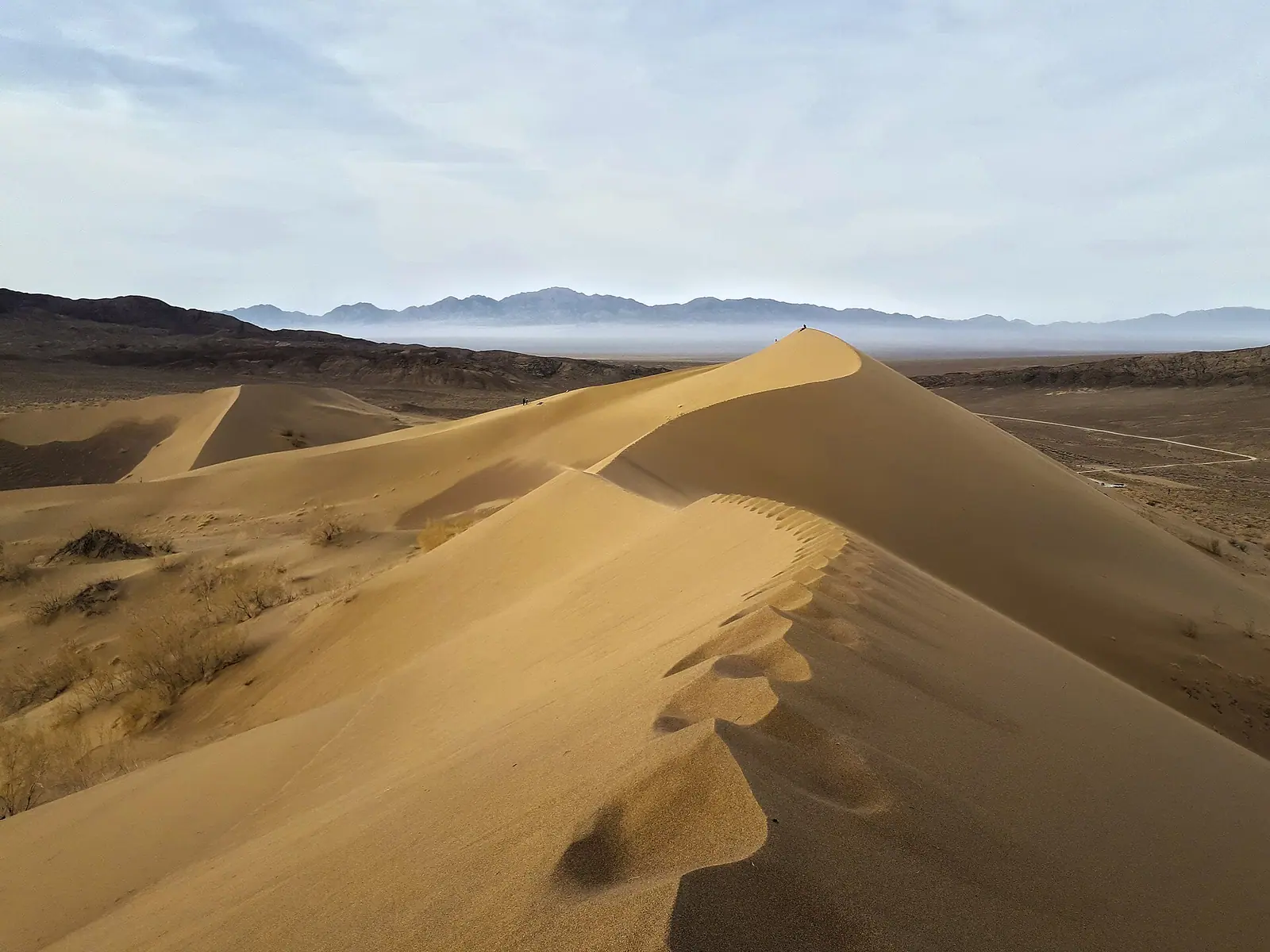
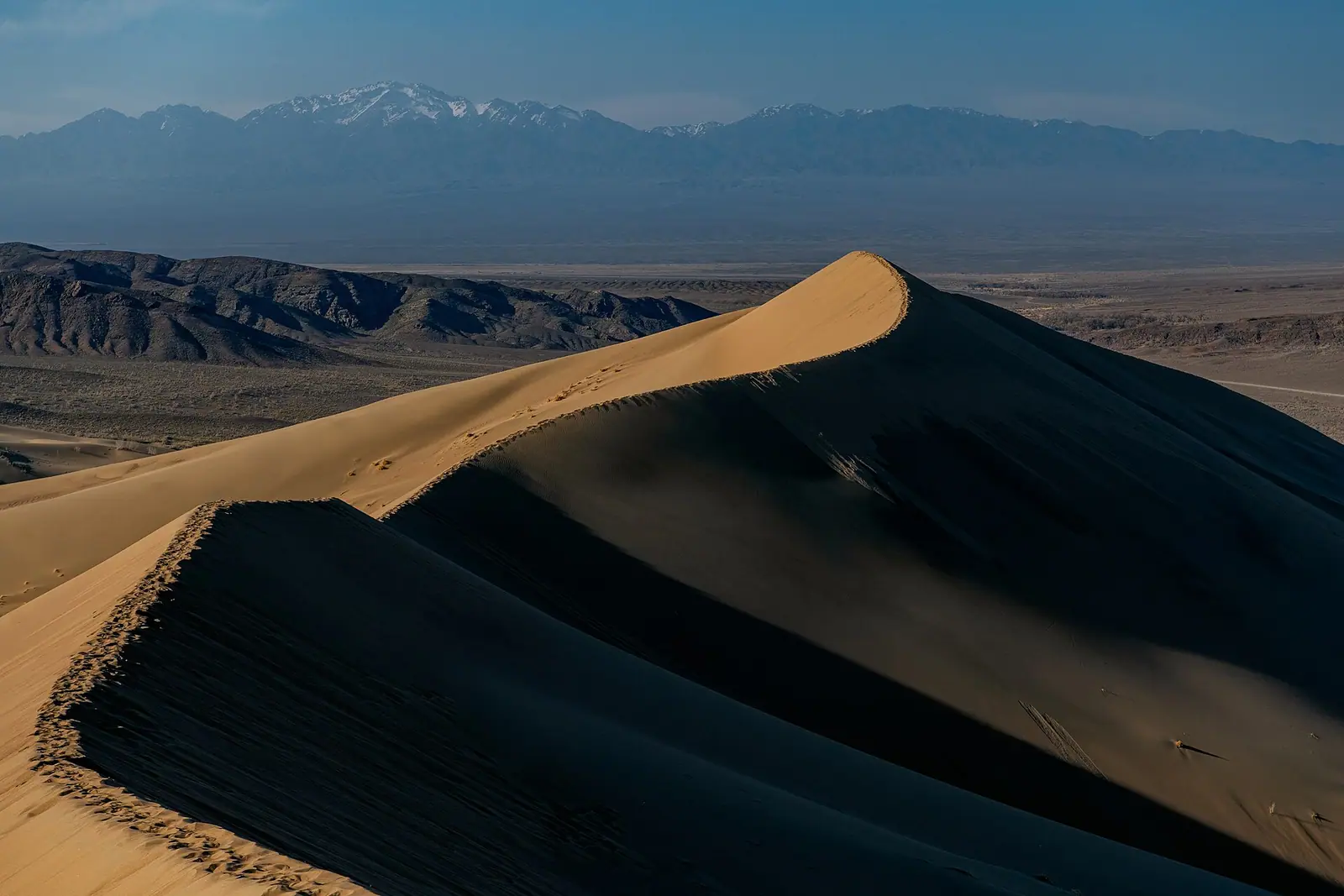
Real photos by travellers (Pexels, Unsplash, Wikimedia Commons); author and licence are given in each caption.
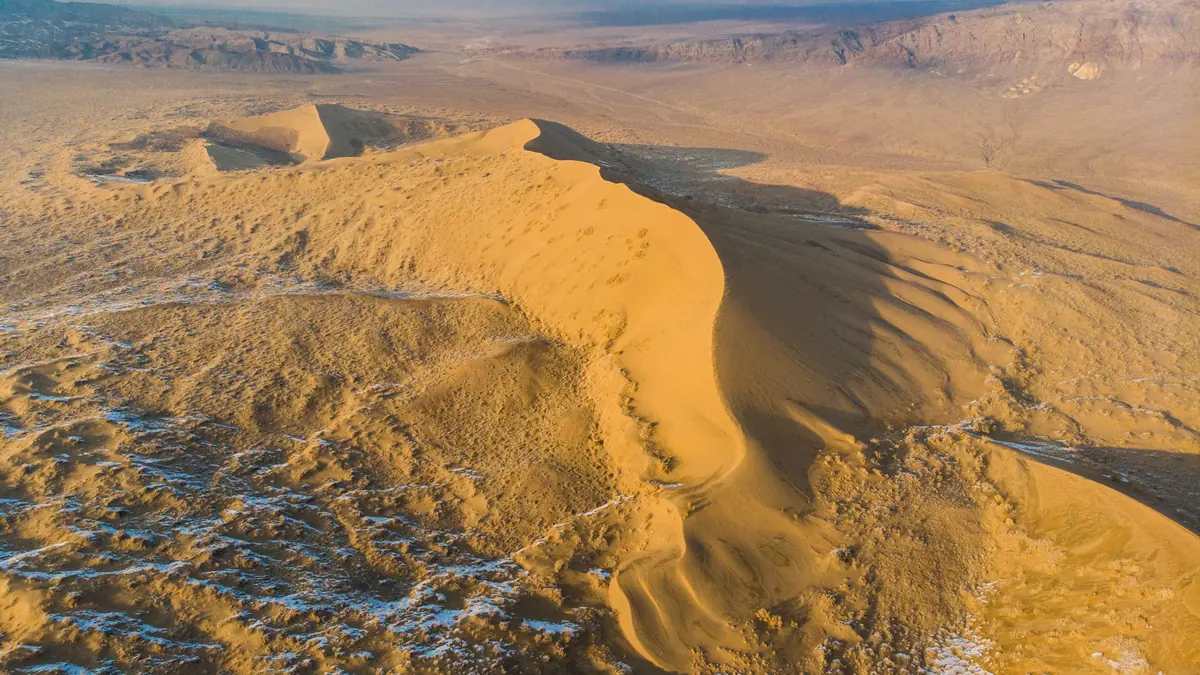
The Singing Dune is a huge sand dune in Altyn-Emel National Park, lying between the Big and Small Kalkan ridges just north of the Ili River. As the crow flies it is about 183 km north-east of Almaty, but the only way in is through the park entrance at Basshi village. The dune is up to 150 m high, and in dry weather the sliding sand gives off a low hum. The season runs from March to November.
Where the Singing Dune is
The dune sits in a corridor between two low ridges, the Big and Small Kalkan, which are spurs of the Dzungarian Alatau. The Ili River flows to the south; according to Wikipedia, the dune is built from sand that the wind has blown off the river’s shoals over many millennia. It stretches across the valley and, unlike most dunes, has stayed in the same place for several thousand years.
The dune is protected as a natural monument, IUCN category III, within Altyn-Emel, one of Kazakhstan’s largest protected areas. The park’s area and founding date are on the park page.
Height and length: why the figures differ
| Source | Height | Length |
|---|---|---|
| Russian Wikipedia, “Singing Dune” | about 150 m | up to 3 km |
| Tengrinews (2021) | 150 m | up to 3 km |
| uvu.kz guide | up to 150 m | 3 km |
| Russian Wikipedia, Altyn-Emel park | up to 130 m | 1.5 km |
| English Wikipedia, Altyn-Emel park | about 120 m | about 1.5 km |
The difference most likely comes down to what is being measured: the summit’s height above the base on one side or the other, the main crest or the whole ridge of sand. We found no independent instrument survey in open sources, so we give the range: 120–150 m high and 1.5–3 km long.
Why the dune “sings”
The sound is produced by sand grains rubbing against one another as dry sand slides down the slope. Set a large mass of sand moving — slide down, or disturb the crest hard — and the hum becomes louder and deeper. The Leningrad physicist V. Arabadzhi studied the dune’s sound in 1962.
The practical conclusion: only dry sand sings. After rain or in damp weather the dune stays silent. The best conditions are a hot, dry day when you can come down the steep lee slope and pull a stream of sand along with you.
How to get to the Singing Dune
You cannot reach the dune bypassing the park. According to Tengrinews (May 2026), the pass is issued at the park administration in Basshi and is valid for one day and one route, chosen in advance; there are three main routes. You can also pay online via the Kaspi or Halyk apps; keep the e-receipt. Trekking Club adds that permits are issued only at the Basshi office or the park’s Almaty office, and there are checkpoints at the entrances.
| Leg | Distance | Notes |
|---|---|---|
| Almaty → Basshi | about 250 km, about 5 hours | Tengrinews (2026), uvu.kz; Trekking Club gives about 260 km |
| Basshi → Singing Dune | 35–40 km | uvu.kz 35 km, Trekking Club 40 km; park dirt roads |
| Almaty → dune, straight line | about 183 km | Wikipedia, Tengrinews |
According to the uvu.kz guide, the park has more than 200 km of washboard dirt tracks; a 4x4 is recommended, and a crossover only works in dry weather. There is no fuel inside the park, so fill up in Sary-Ozek or Kapchagay (Konaev). Mobile signal, by the same account, is only available around Basshi.
Documents are checked at the Basshi entrance, so carry a passport or ID card. Without a car, guesthouses in Basshi arrange 4x4 trips around the park.
When to go
Tengrinews gives the season for dune trips as March to November. Spring and autumn are the most comfortable: the steppe turns green in April, and September and October are cooler with clearer air. In summer the sand gets extremely hot, so climb at dawn or near sunset.
In winter, uvu.kz notes, roads can be snowy and icy, and some inner roads close in December.
Climbing the dune
Our sources describe no built trail up the dune. Expect hard going: loose sand gives way under every step, and even a short stretch of slope is tiring. From the top you look over the Ili valley and the Kalkan ridges. The way down is usually the steep side, which is when you hear the dune “sing”.
Bring water, a hat and closed shoes that will not fill with hot sand. Protect cameras and phones: in wind, sand gets into everything.
Combining the dune with the rest of the park
The dune is only one stop in Altyn-Emel, and few people drive five hours each way for it alone. Distances from Basshi according to the uvu.kz and Trekking Club guides (for Aktau they differ almost twofold, probably because they measure to different parts of the massif):
| From Basshi to | Distance |
|---|---|
| Singing Dune | 35–40 km |
| Besshatyr burial mounds | 30–40 km (uvu.kz) |
| Katutau mountains | about 80 km (uvu.kz) |
| Aktau mountains | about 70 km (Trekking Club) or about 120 km (uvu.kz) |
The same guide estimates 100–250 km of dirt road per day inside the park. A realistic plan is at least two days: the dune on day one, the Aktau and Katutau mountains on day two, with nights in Basshi guesthouses.
Wildlife around the dune
The landscape around the dune is steppe and semi-desert, but it holds more life than it seems. English Wikipedia lists about 1,800 plant species in the park, 69 of them rare, and at least 260 animal species excluding insects and fish; 11 of its 78 mammal species are in Kazakhstan’s Red Book. According to uvu.kz, kulans give birth in April and are especially active in October, so meeting them on the way to the dune is quite likely. Do not drive towards animals or chase them: that breaks the protected-area regime.
Fees and park rules
Altyn-Emel’s fee under Order No. 232 is 0.2 MCI per pedestrian and 0.9 MCI per car. The fee calculator converts this to tenge for the current year, and park services such as guides, yurts and transport are covered on what park services cost.
According to uvu.kz, wild camping in the park is prohibited and there are designated tent areas. There are no hotels near the dune: Tengrinews in 2026 advises planning on a tent or a camper van, and Basshi is the usual base. General rules for protected areas are in what to check before you go.
Nearby
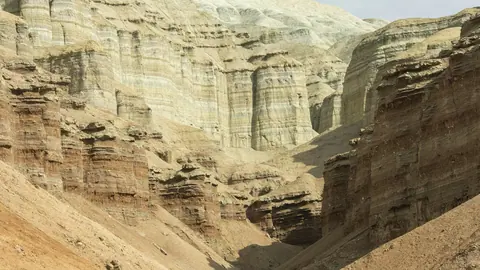
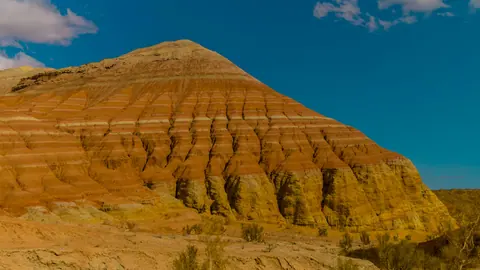
- Aktau and Katutau mountains — white and red clay hills in the same park.
- Nature near Almaty: 15 day trips — distances compared.
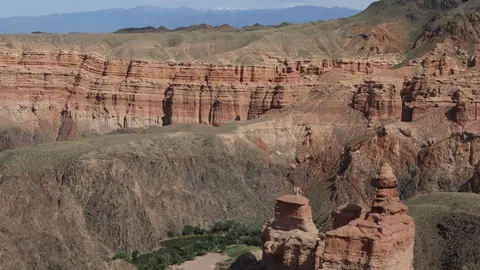
- Charyn Canyon — another Martian landscape in the region.
Video
The Singing Dune in Altyn-Emel: when to go, month by month
- January: off season
- February: off season
- March: good
- April: best time
- May: best time
- June: possible
- July: possible
- August: possible
- September: best time
- October: best time
- November: possible
- December: off season
The season runs March to November, most comfortable in spring and autumn; summer sand is scorching, and some park roads close in December.
The Singing Dune in Altyn-Emel: tips before you go
- Fill up in Sary-Ozek or Konaev: there is no fuel inside the park, and signal only around Basshi.
- In summer climb at dawn or near sunset: the sand gets extremely hot.
- Bring water, a hat and closed shoes, and keep cameras and phones away from the sand.
- The park has over 200 km of washboard tracks: take a 4x4; a crossover only works in dry weather.
- Carry a passport or ID card: documents are checked at the Basshi entrance.
More to see nearby


Frequently asked questions
Where is the Singing Dune in Kazakhstan?
How high is the Singing Dune?
Why does the dune sing?
How do I get to the Singing Dune from Almaty?
When is the best time to visit the Singing Dune?
How much is the Altyn-Emel entry fee?
Can I visit the Singing Dune as a day trip from Almaty?
Sources
- Поющий бархан — Russian Wikipedia
- Алтын-Эмель (национальный парк) — Russian Wikipedia
- Altyn-Emel National Park — Wikipedia
- One-day trips in Almaty Region — Tengrinews, 17 Nov 2021 (in Russian)
- Weekend route: white mountains, an extinct volcano and a 700-year-old willow — Tengrinews, 23 May 2026 (in Russian)
- Altyn Emel National Park — Trekking Club
- Altyn-Emel guide — uvu.kz
- Order of the Minister of Ecology and Natural Resources No. 232 of 2 Oct 2024