Verified: 2026-09
Naurzum: why go
Relict pine forests in the steppe
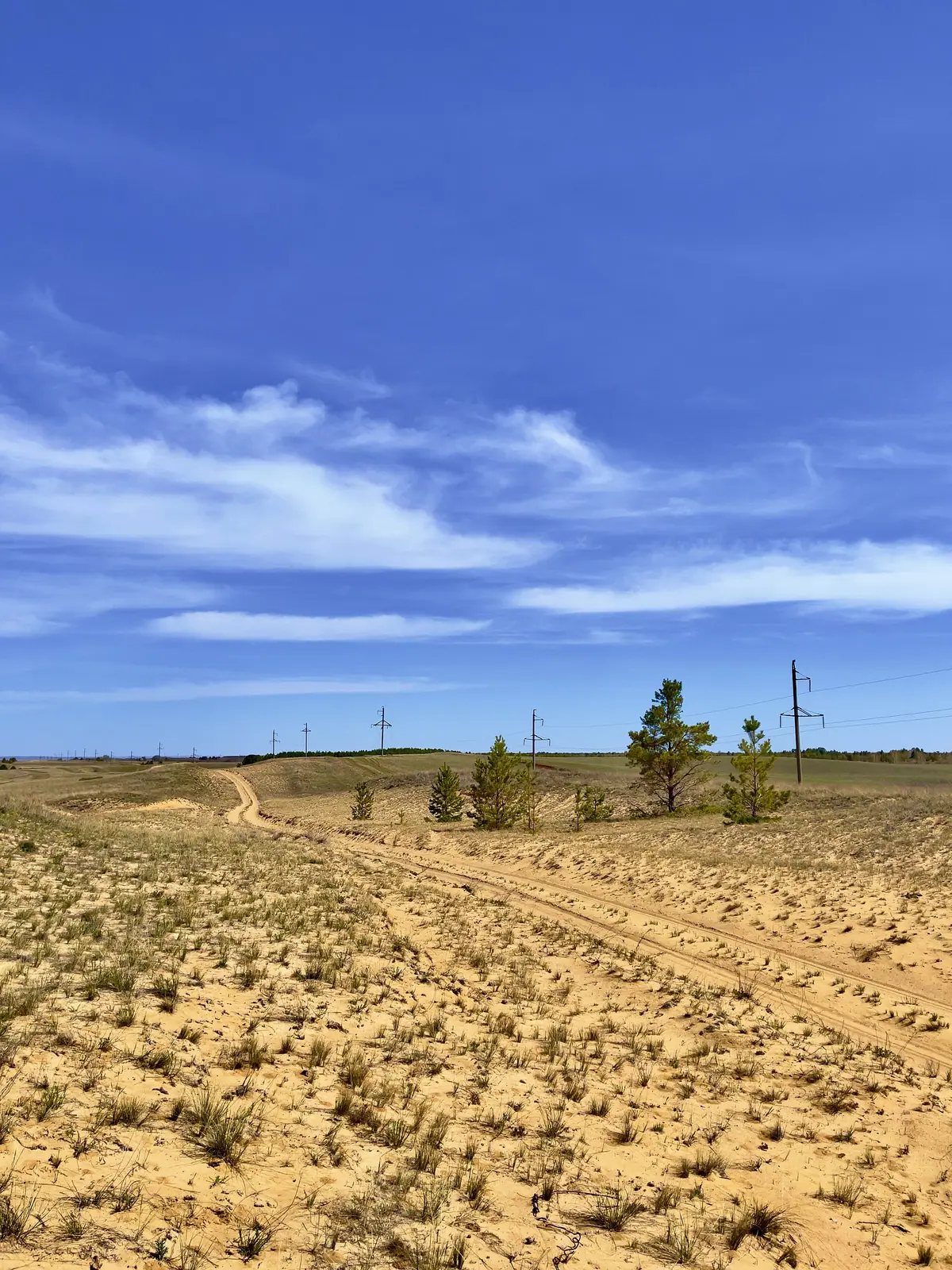
Pine forests in the middle of dry steppe, little changed since the Tertiary or early Quaternary. The Tersek section has a pine stand of its own.
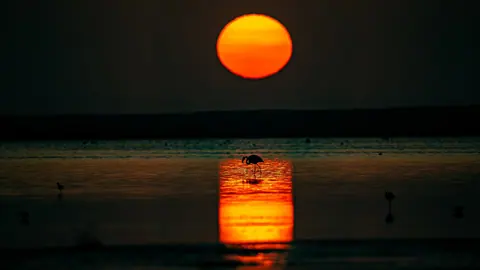
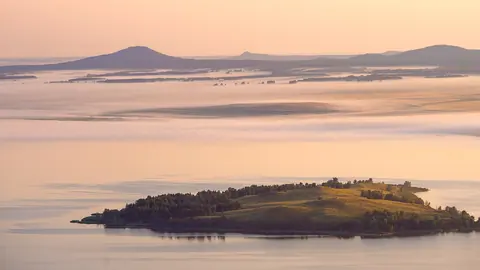
Lakes Aksuat and Sarymoin
The freshwater Aksuat and the fresh-to-brackish Sarymoin reach about 220 and 126 km² in wet years and shrink noticeably in dry ones.
Naurzum's eagles
28 raptor species, 18 of them nesting: golden, eastern imperial and steppe eagles, plus the white-tailed eagle. 282 bird species in all.
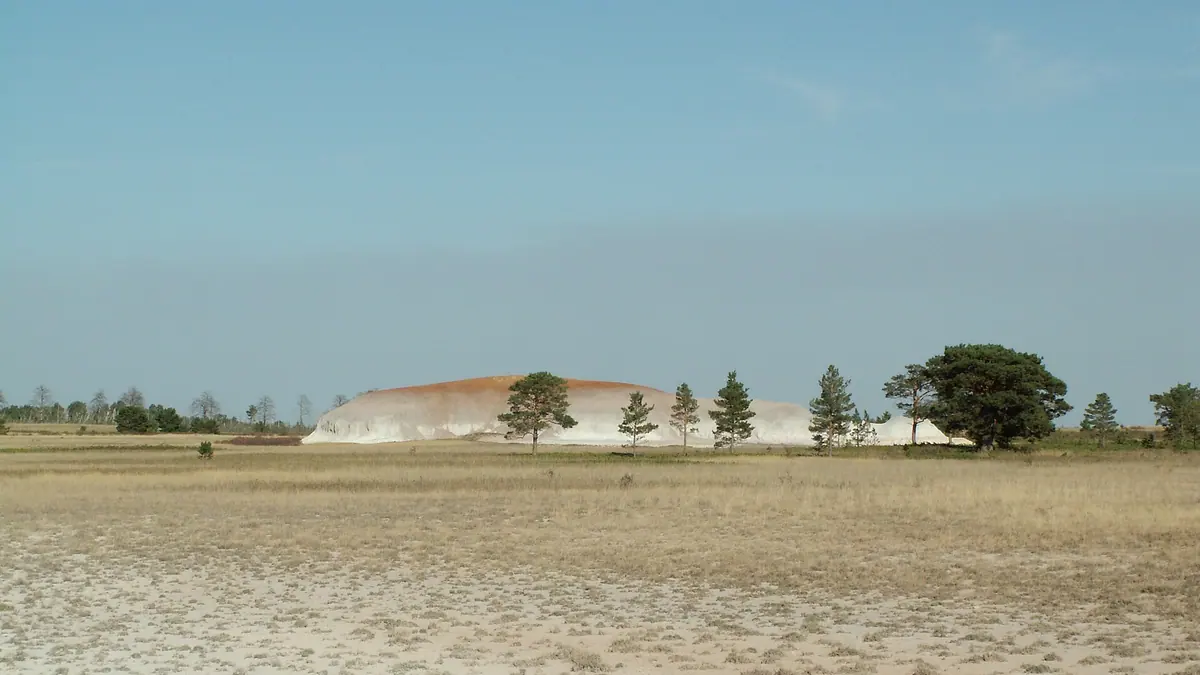
The White Mountains
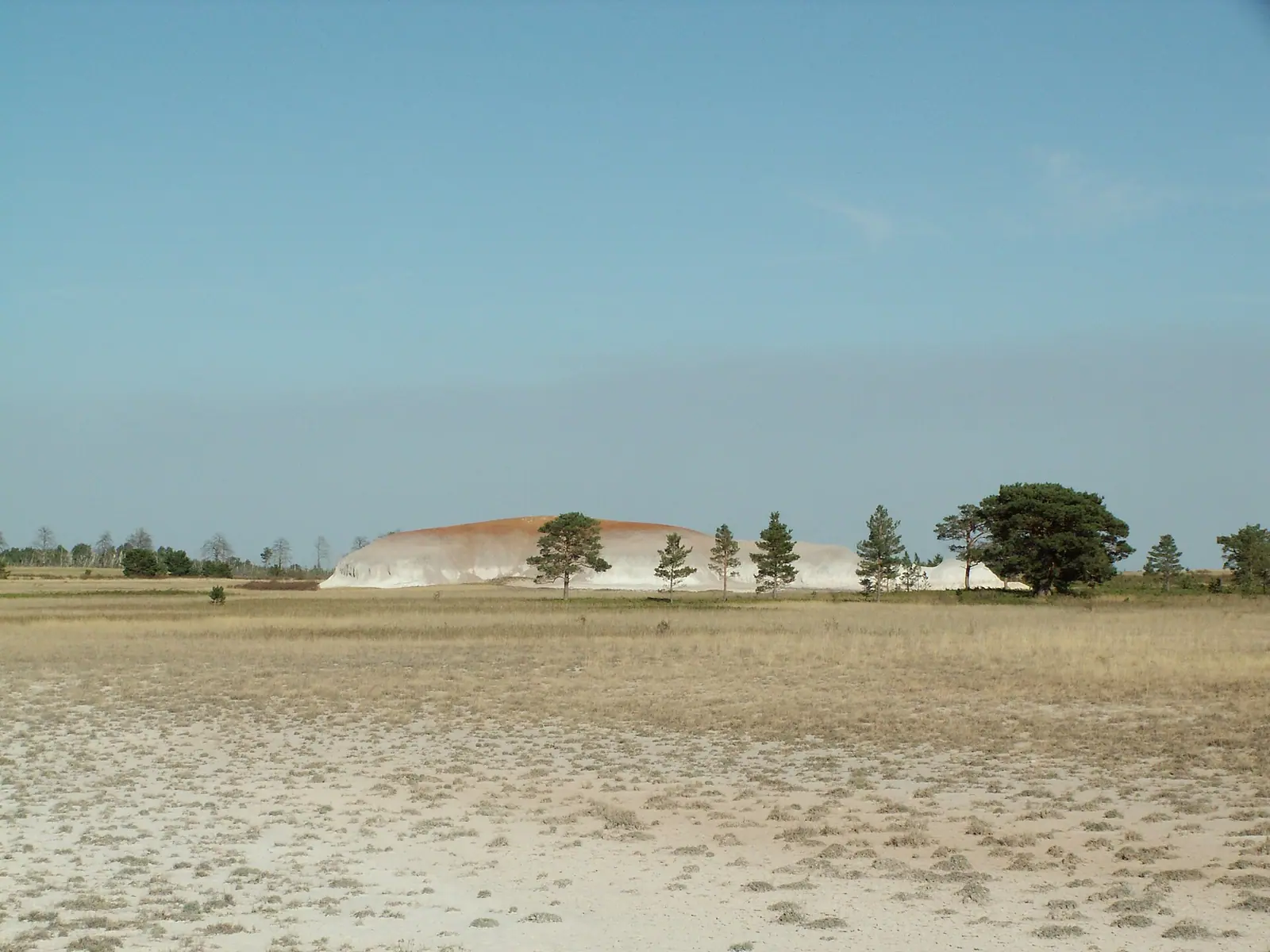
Clay deposits described as the shore of an ancient sea, shown on the eco-trails together with the central pine forest and a spring.
UNESCO's Saryarka site
Since 2008, together with Korgalzhyn. Naurzum contributes steppe lakes, pine forests and nesting grounds for birds of prey.
Six eco-trails
As of 2024 there are two educational and four scientific trails. In a single summer month of 2024 the reserve received about 600 visitors.
Naurzum in photos
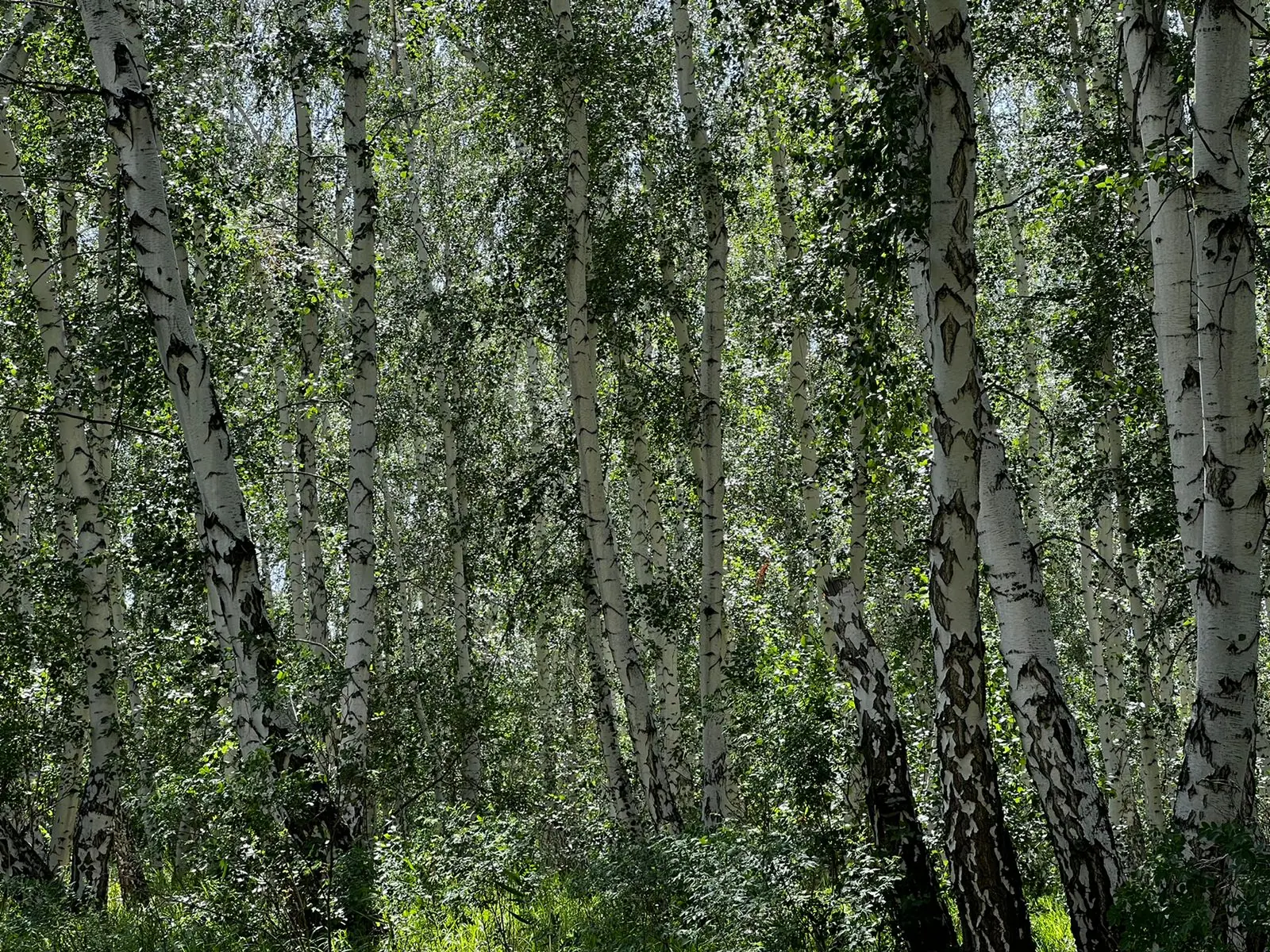
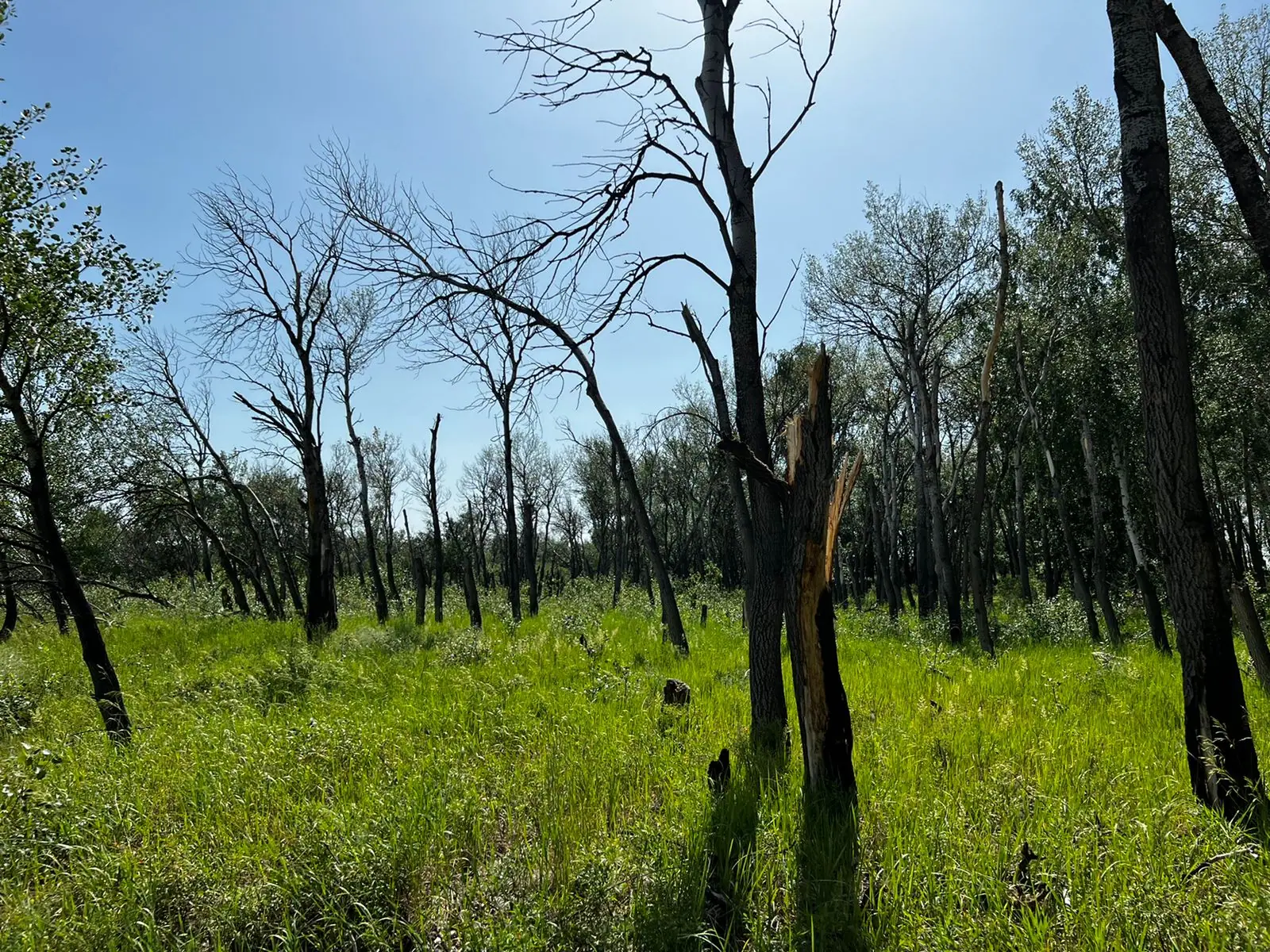
Real photos by travellers (Pexels, Unsplash, Wikimedia Commons); author and licence are given in each caption.
Naurzum — state nature reserve (zapovednik), Kostanay Region.
Key figures
| Area | 191 381 ha |
| Region | Kostanay Region |
Category
State nature reserve (zapovednik)
A zapovednik is the strictest category. There is no free entry: permission and prior arrangement are required, usually along marked ecological trails and with an escort.
UNESCO: Сарыарка (2008)
Entrance tariff
0.2 MCI per pedestrian, 0.7 MCI per car. In 2026 that is 865 ₸ and 3,027.5 ₸.
The tariff is set by appendix 6 to Order No. 232 of 2 October 2024.
The tariff is set in MCI units rather than tenge, so the amount changes with each January budget.
What to see
- relict pine forest
- steppe lakes
- eagles
What Naurzum is
Naurzum is a stretch of steppe with islands of relict pine forest and a chain of endorheic lakes, about 190 km south of Kostanay. It is one of the two components of the UNESCO property Saryarka (the other is Korgalzhyn). You can visit only on eco-trails, arranged through the reserve office in the village of Karamendy, and summer is the busy season.
The reserve was founded in 1931, abolished in 1951 and re-established in 1966. It has three separate sections lying 9 to 14 km apart:
| Section | Area |
|---|---|
| Naurzum | 139,714 ha |
| Tersek | 12,947 ha |
| Sypsyn | 38,720 ha |
Areas as given by Russian Wikipedia.
Pine forests in the steppe
What makes Naurzum unusual is pine forest growing in dry steppe. The forests are described as relict: according to Wikipedia they have survived in little-changed form since the Tertiary or early Quaternary. The Tersek section has its own pine stand. Forest, steppe and lakes all sit side by side here.
Lakes and birds
The reserve has two lake systems, the freshwater Aksuat and the fresh-to-brackish Sarymoin. In wet years they reach about 220 km² and 126 km², but they have no outflow and follow multi-year cycles, shrinking noticeably in dry periods.
Wikipedia lists 282 bird species, 158 of them breeding. There are 28 species of raptor, 18 of which nest; the eagles include golden, eastern imperial and steppe eagle, and white-tailed eagle is also recorded. Saryarka as a whole is a feeding stop for an estimated 15 to 16 million migratory birds. More on the heritage status in UNESCO heritage in Kazakhstan.
Eco-trails and how visits work
Naurzum is a zapovednik, the strictest category of protected area (what that means in practice). There is no free entry: visitors are taken only along set trails, and the trip has to be agreed with the reserve office in advance.
According to 24.kz (July 2024), six eco-trails have been developed for visitors, two educational and four scientific. Groups are most often taken to the central pine forest and to a spring. They are also shown the White Mountains, clay deposits described as the former shore of an ancient sea. Director Dulat Koylibaev said at the time that the reserve had received more than 500 visitors in the previous year and about 600 in a single summer month of 2024.
Fees and practicalities
The entrance fee is fixed in fractions of the MCI (listed in the card above); the fee calculator gives the current amount. For paperwork in general, see what permits exist and when you actually need them. The same 24.kz report notes that hotels and places to eat appeared in the area after the road was repaired, but gives no details.
Naurzum: when to go, month by month
- January: possible
- February: possible
- March: possible
- April: possible
- May: possible
- June: good
- July: good
- August: good
- September: possible
- October: possible
- November: possible
- December: possible
Summer is the busy season. The lakes have no outflow and follow multi-year cycles, so ask the reserve office how full they are this year.
Naurzum: tips before you go
- Arrange your visit with the reserve office in Karamendy: trail lengths and the permit procedure are confirmed there.
- Lake levels change from year to year, so ask the reserve office about the water before you travel.
- The reserve's three sections lie 9–14 km apart, so check in advance which one your trail starts from.
- A 2024 report says hotels and cafés opened in the area after the road was repaired; check details in advance.
More to see nearby