Verified: 2026-09
Korgalzhyn: why go
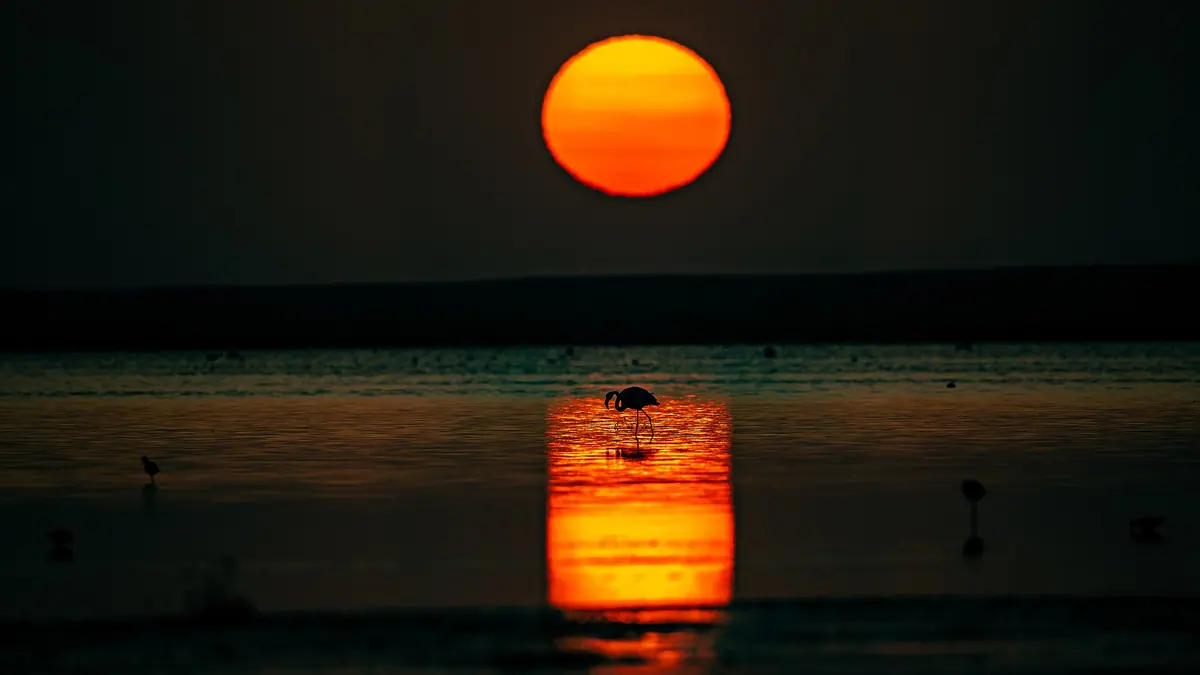
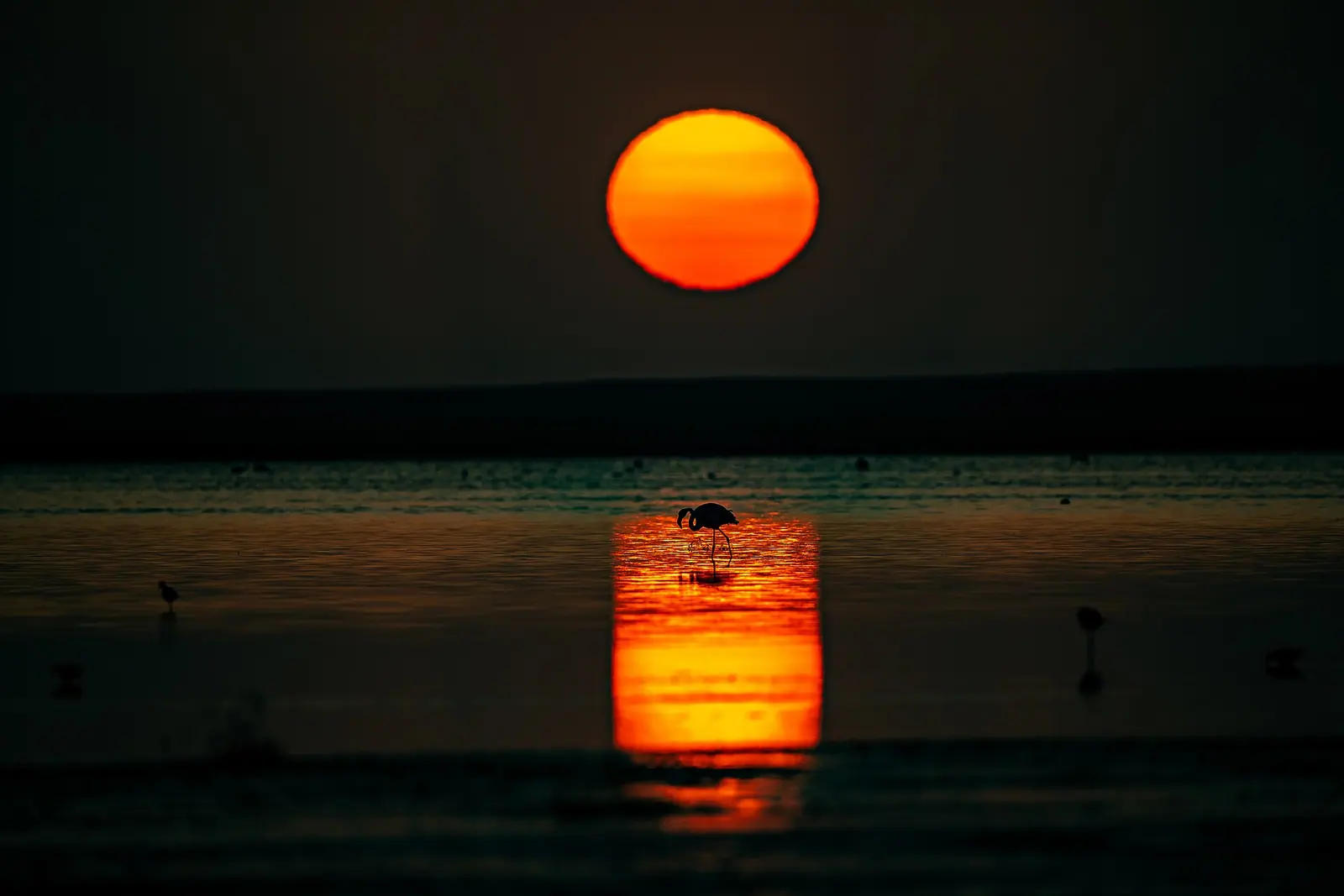
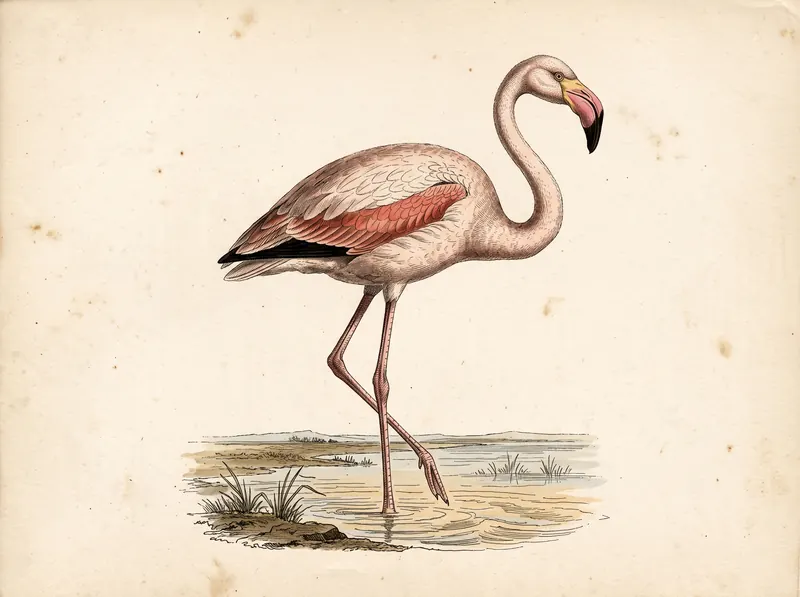
Flamingos on Lake Tengiz
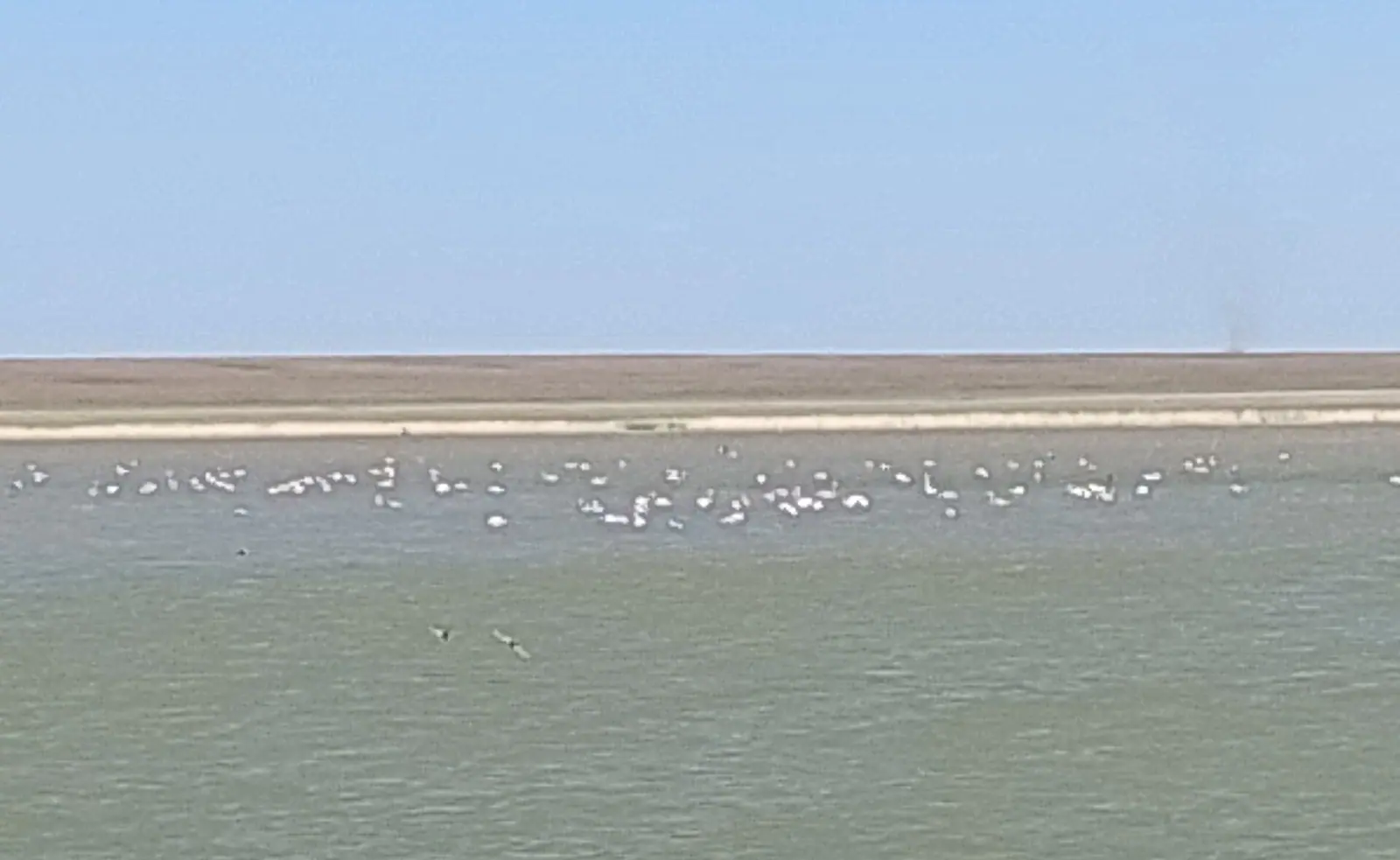
The nesting colony is among the largest in Central Asia. A 2017 aerial count found 18,000 birds, most of them on the western shore.
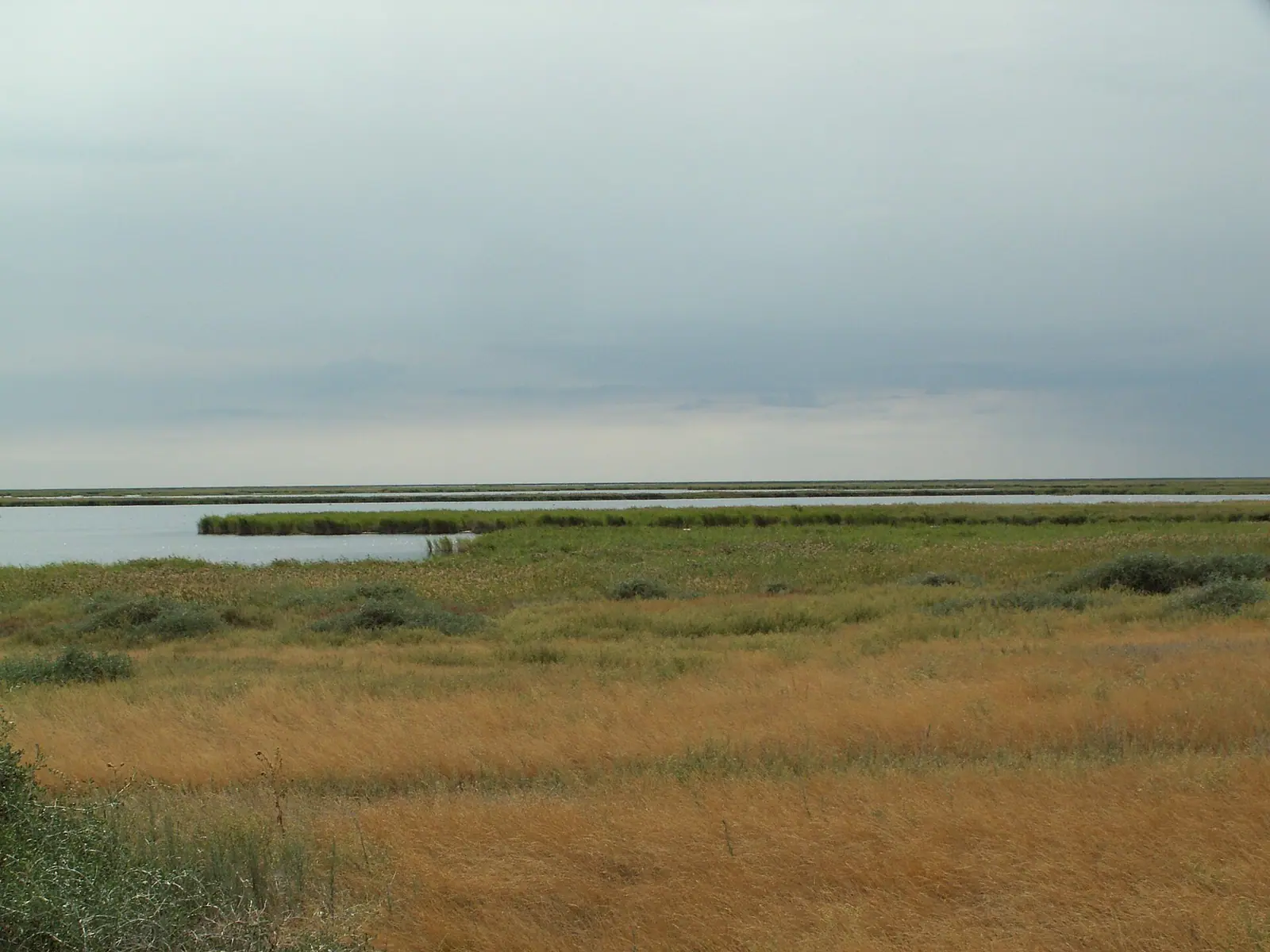
Lakes Tengiz and Korgalzhyn
A linked pair, the flow-through Korgalzhyn and the landlocked salt lake Tengiz, ringed by dozens of smaller lakes. On the Ramsar list since 1976.
UNESCO's Saryarka site
Since 2008, together with Naurzum, it forms Saryarka — Steppe and Lakes of Northern Kazakhstan, a feeding stop for 15–16 million migrating birds.
Birds of Korgalzhyn
365 species, 133 breeding and 42 in the Red Book. Its white-headed duck and flamingo populations are Central Asia's largest; pelicans and cormorants too.
The Flamingo route, 155 km
One of three driving routes the administration runs from Korgalzhyn village. Akku is shorter (90 km, 7 h), Akboken longer (220 km).
Qorgaljyn bird centre
The ornithological centre in Korgalzhyn village runs an education centre about birds and lends out optics and gear for excursions.
Korgalzhyn in photos
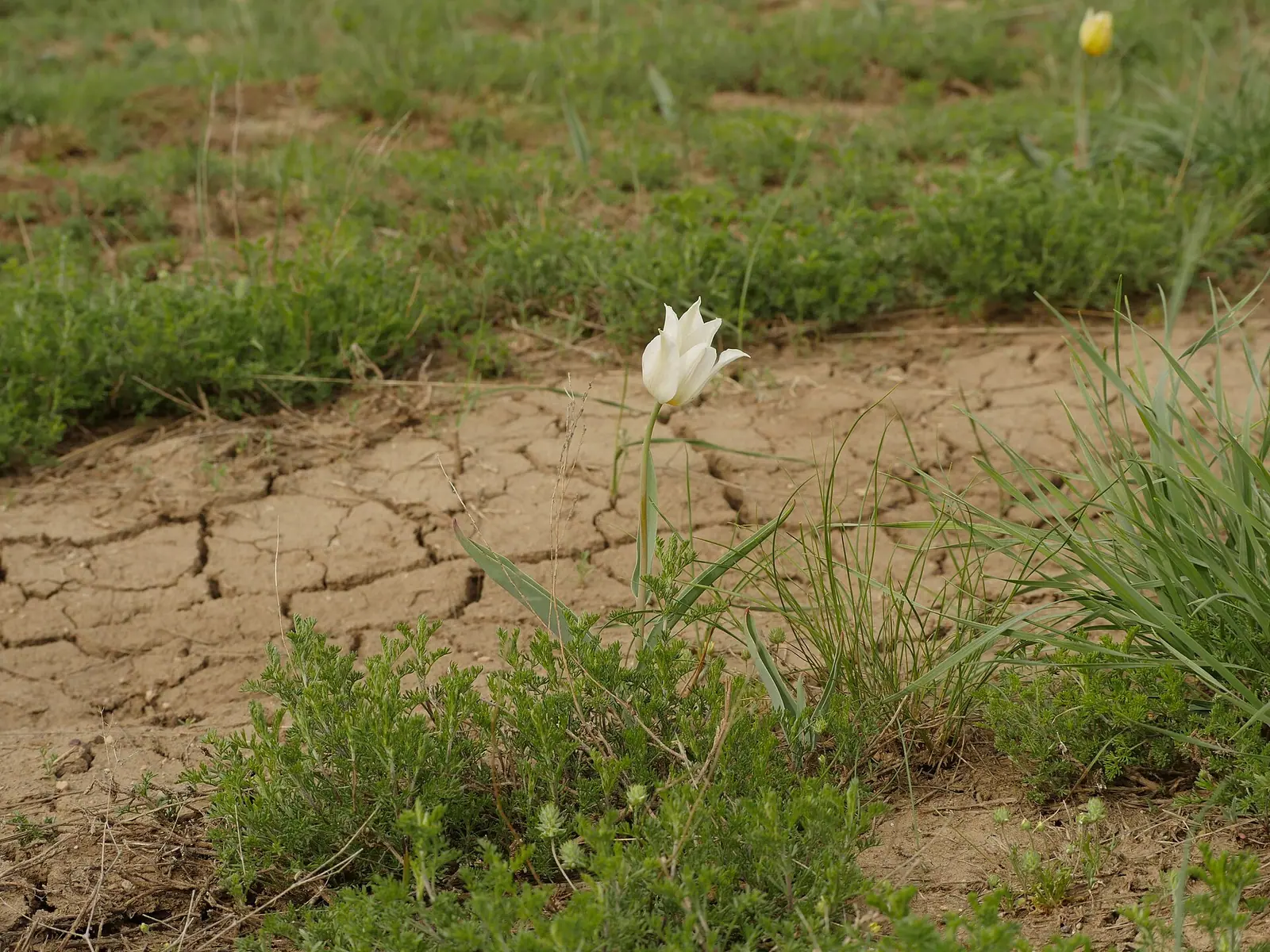
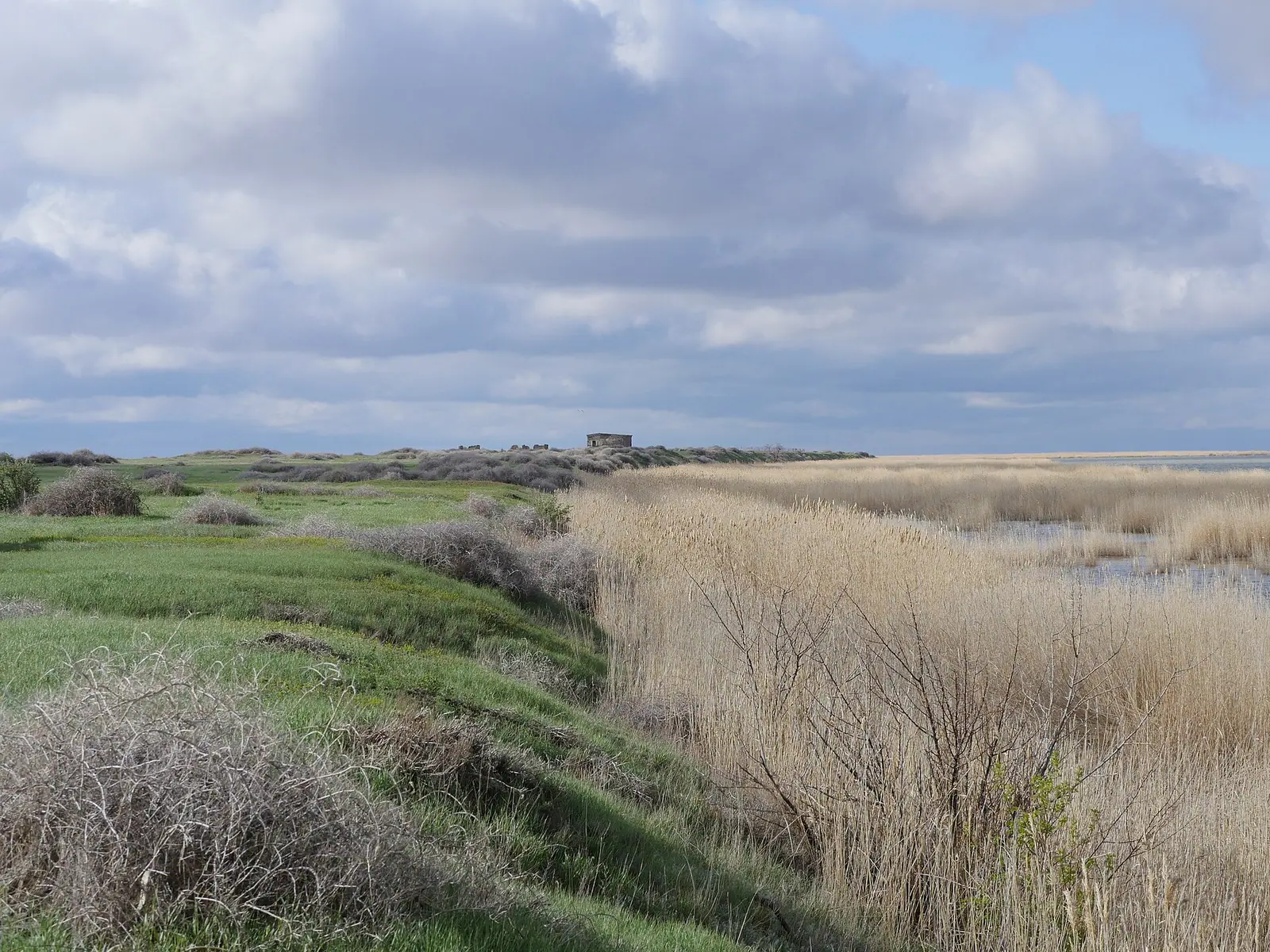
Real photos by travellers (Pexels, Unsplash, Wikimedia Commons); author and licence are given in each caption.
Korgalzhyn — state nature reserve (zapovednik), Akmola and Karaganda Regions.
Key figures
| Area | 543 171 ha |
| Region | Akmola and Karaganda Regions |
Category
State nature reserve (zapovednik)
A zapovednik is the strictest category. There is no free entry: permission and prior arrangement are required, usually along marked ecological trails and with an escort.
UNESCO: Сарыарка (2008)
Entrance tariff
0.2 MCI per pedestrian, 0.7 MCI per car. In 2026 that is 865 ₸ and 3,027.5 ₸.
The tariff is set by appendix 4 to Order No. 232 of 2 October 2024.
The tariff is set in MCI units rather than tenge, so the amount changes with each January budget.
What to see
- greater flamingo
- Lake Tengiz
- bird migration
What Korgalzhyn is and why people go
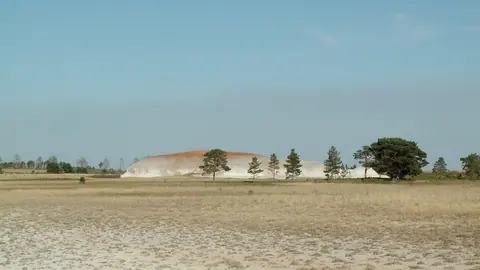
Korgalzhyn is a steppe-and-wetland reserve about 130 km south-west of Astana, best known for the pink flamingos that nest on the salt lake Tengiz. The window is May to October, when the administration runs its guided routes and the lakes are busy with nesting and migrating birds. There is no free wandering here: you see the reserve on a set route, with a guide.
The reserve is built around a pair of linked lakes: Korgalzhyn, which has through-flow, and the endorheic, salty Tengiz. Dozens of smaller lakes surround them, among them Kypshak, Asaubalyk, Zhamankol and Saumalkol. The Tengiz-Korgalzhyn wetlands have been on the Ramsar list since 1976, and in 2008 Korgalzhyn and Naurzum together were inscribed by UNESCO as Saryarka, Steppe and Lakes of Northern Kazakhstan. Our overview of UNESCO heritage in Kazakhstan puts it in context.
Flamingos and other birds
Russian Wikipedia counts 365 bird species in the reserve, 133 of them breeding and 42 in Kazakhstan’s Red Book. The breeding populations of greater flamingo and white-headed duck are described as the largest in Central Asia. Informburo.kz reported in May 2017 that an aerial count found 18,000 flamingos, most of them on the western shore of Tengiz.
Saryarka as a whole is a feeding stop for an estimated 15 to 16 million migratory birds coming from Africa, Europe and South Asia. Along the routes you may also see pelicans and cormorants, and in early summer the steppe is covered in tulips.
Routes inside the reserve
Every route starts and ends in Korgalzhyn village. A 2021 description lists three vehicle-based excursion routes:
| Route | Way | Length | Duration |
|---|---|---|---|
| No. 1 Akku | Nura river — Orkendeu — Lake Sholak — Yesei spit | 90 km | 7 h |
| No. 2 Flamingo | Nura river — Orkendeu — … — Zhumai | 155 km | 11 h |
| No. 3 Akboken | Nura river — Lake Saumalkol — … — north shore of Tengiz | 220 km | 9 h |
The figures are as published; the length-to-time ratio of routes 2 and 3 looks odd, so confirm durations when you arrange the trip.
Visiting rules
Korgalzhyn is a state nature reserve (zapovednik), the strictest category of protected area in Kazakhstan; see zapovednik, park, rezervat: where you will be let in. In practice:
- excursions follow only the established routes, always with a guide;
- groups are limited to 20 people;
- the administration advises against entering without an escort;
- the visit has to be arranged with the reserve administration in advance.
The Qorgaljyn ornithological centre in the village runs an education centre about birds and lends optics and gear. For the wider picture of paperwork, read what permits exist and when you actually need them.
Fees and what to bring
The entrance fee is fixed in fractions of the MCI (listed in the card above); the park fee calculator gives this year’s figure. The long routes take a full day, so bring water, closed shoes, a hat and binoculars. Our general checklist is in what to check before visiting a national park.
Korgalzhyn: when to go, month by month
- January: off season
- February: off season
- March: off season
- April: off season
- May: good
- June: good
- July: good
- August: good
- September: good
- October: good
- November: off season
- December: off season
The administration runs its routes from May to October, when the lakes are busy with nesting and migrating birds.
Korgalzhyn: tips before you go
- Arrange your visit in advance: inside the reserve you follow set routes with a guide, in groups of up to 20 people.
- Long routes take the whole day, so bring water, closed shoes, a hat and binoculars.
- The flamingo colony isn't visible from a route every year: where it sits depends on the water level in Tengiz.
- Published durations for routes No. 2 and No. 3 look odd, so confirm them when you arrange the visit.
- The guide and transport are paid for separately from the entry fee.
More to see nearby