Zapovednik, park, rezervat: where you will be let in
The category of a protected area decides not how strict the paperwork is, but whether you get inside at all. A zapovednik has no free entry.
Verified: 2026-09
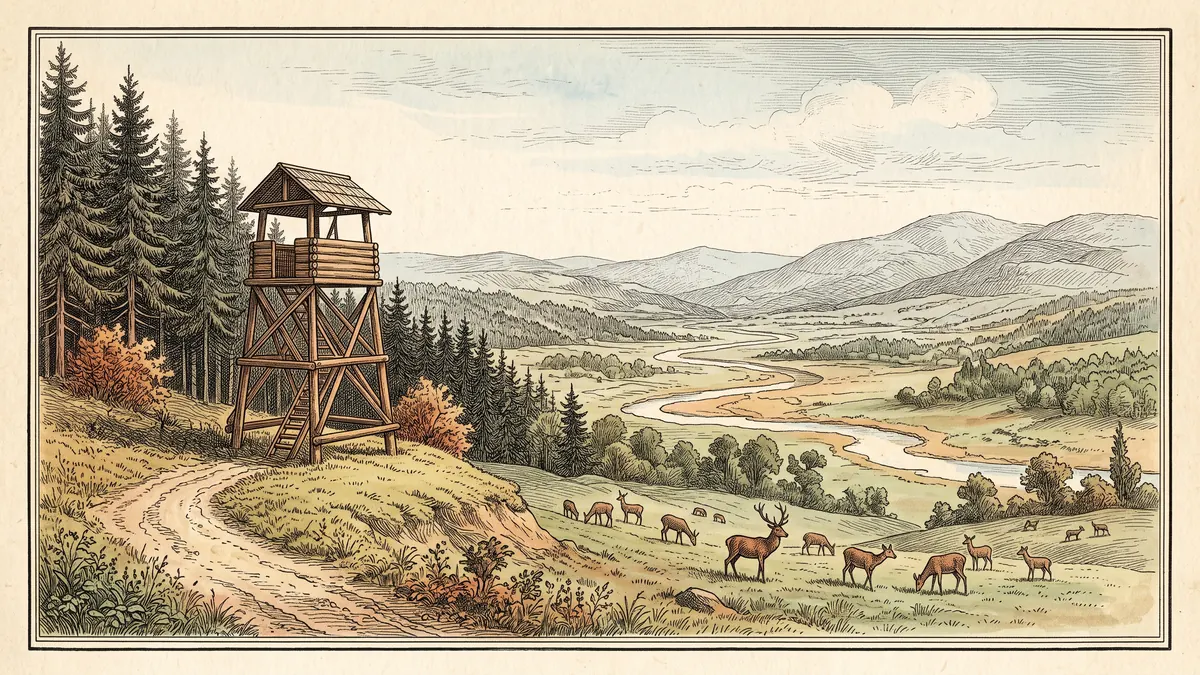
Trip planning runs into a wall in a predictable place: the tariff is published, the road is known, and at the gate it turns out you cannot go in. The reason is almost always the category of the territory.
In Kazakhstan these are not shades of strictness but different types of institution with different statutory purposes.
Zapovednik — strict nature reserve
The law defines it as a protected area with the status of a conservation and scientific institution, whose purpose is preserving and studying the natural course of processes, flora and fauna on its territory.
The decisive detail: tourism does not appear in that definition. A zapovednik exists for science and preservation, not for visitors. The reserve regime prohibits any activity that disturbs the natural state of the complexes.
Visiting is possible, but as an exception: by arrangement, along designated routes, usually escorted. A tariff exists in the order — but the existence of a tariff does not imply open access.
These include Aksu-Zhabagly, Korgalzhyn, Naurzum, Markakol, Alakol, Almaty, West Altai, Ustyurt and Karatau.
National natural park
The law designates it for conservation of biological and landscape diversity and for use in conservation, educational, scientific, tourist and recreational purposes.
Tourism is named outright. The territory is zoned, and the recreation zone is open: pay the tariff and stay.
Most weekend destinations fall here — Charyn, Kolsai, Ile-Alatau, Altyn-Emel, Bayanaul.
Rezervat
Defined as covering terrestrial and aquatic ecosystems, designated for protection, restoration and maintenance of biological diversity.
An intermediate case. The territory is zoned, partly closed and partly accessible by permit. Kazakh rezervats tend to be vast and empty: Ile-Balkhash, Akzhaiyk, Irgiz-Turgai, Altyn Dala, Semey Ormany.
Three regimes in the law
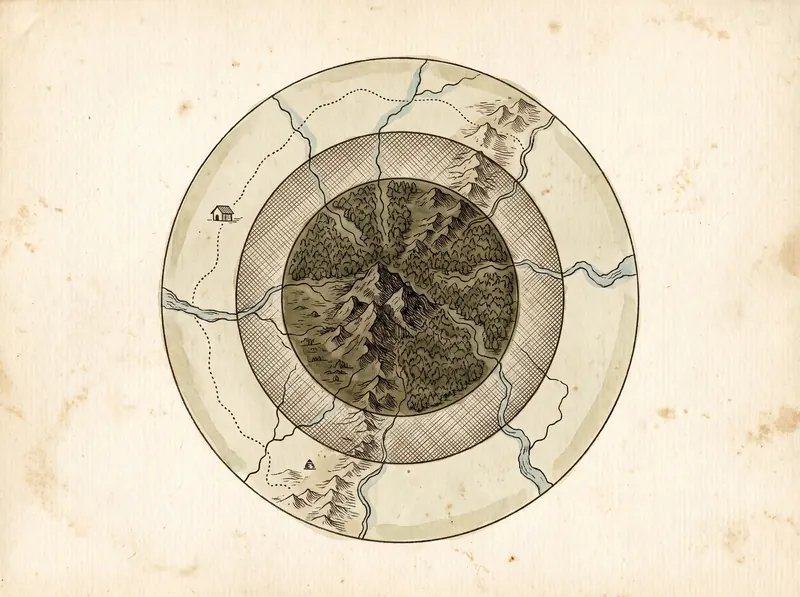
- Reserve regime — any activity disturbing the natural state is prohibited.
- Sanctuary regime — full or seasonal prohibition of particular activities.
- Regulated economic use — limited use of natural complexes.
One territory can combine zones under different regimes. That is why “the zapovednik is closed” and “you can walk the trail in the zapovednik” are both true — they describe different zones.
What it means in practice
- Going to a park — arrive and pay at the checkpoint.
- Going to a zapovednik — contact the administration in advance. Turning up and buying entry on the spot is unlikely to work.
- Going to a rezervat — check the zone; your route may cross a closed part.