Verified: 2026-09
Alakol: why go
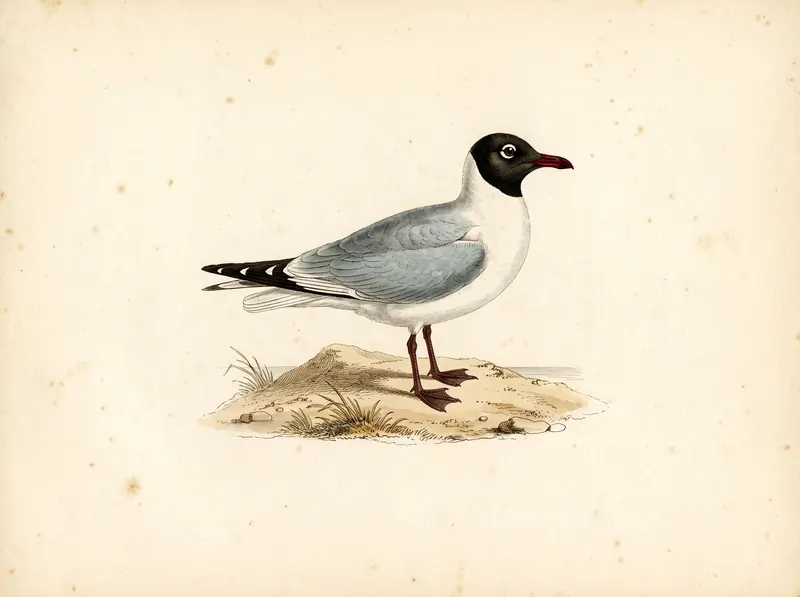
The Alakol relict gull
A vulnerable species with 10,000 birds or fewer worldwide and two nesting sites in Kazakhstan; its Araltobe colony is one reason the reserve exists.
How the gull was identified here
In 1968–1969 ornithologists found a colony of odd gulls on the islands; in 1970–1971 E. M. Auezov was the first to argue it was a separate species.
The Araltobe islands
Ulken (2,119 ha), Orta (23 ha) and Kishi Araltobe lie in the deepest part of the lake. Visits are banned May to September, with a 2 km buffer zone around.
Tentek delta and Sasykkol
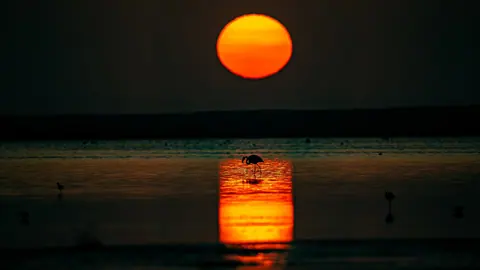
Wetlands full of waterbirds. In all, the reserve has recorded 324 bird species, 158 of them breeding and 108 wintering.
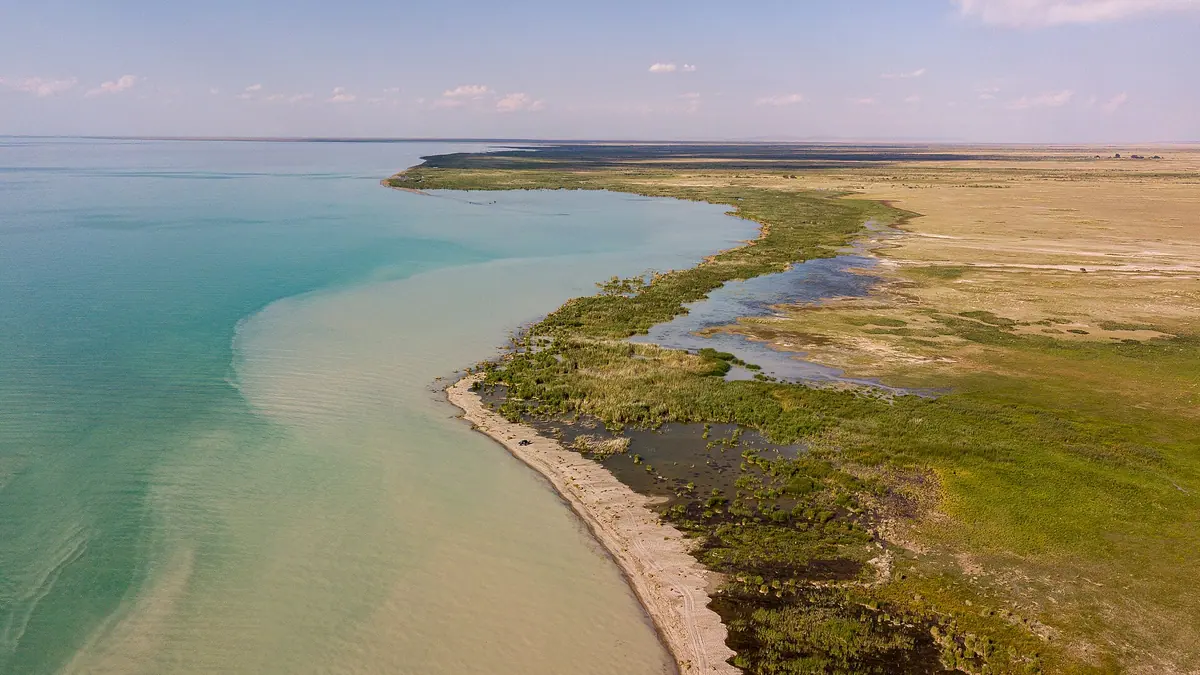
Lake Alakol and its beaches
A salty lake of 2,696 km², up to 54 m deep. The beaches at Akshi, Koktuma and Kabanbay lie outside the reserve, so you can swim there freely.
Nature museum and arboretum
A way into the reserve without entering closed zones: the nature museum opened in 2000, and the arboretum for educational visits in 2004.
Alakol in photos
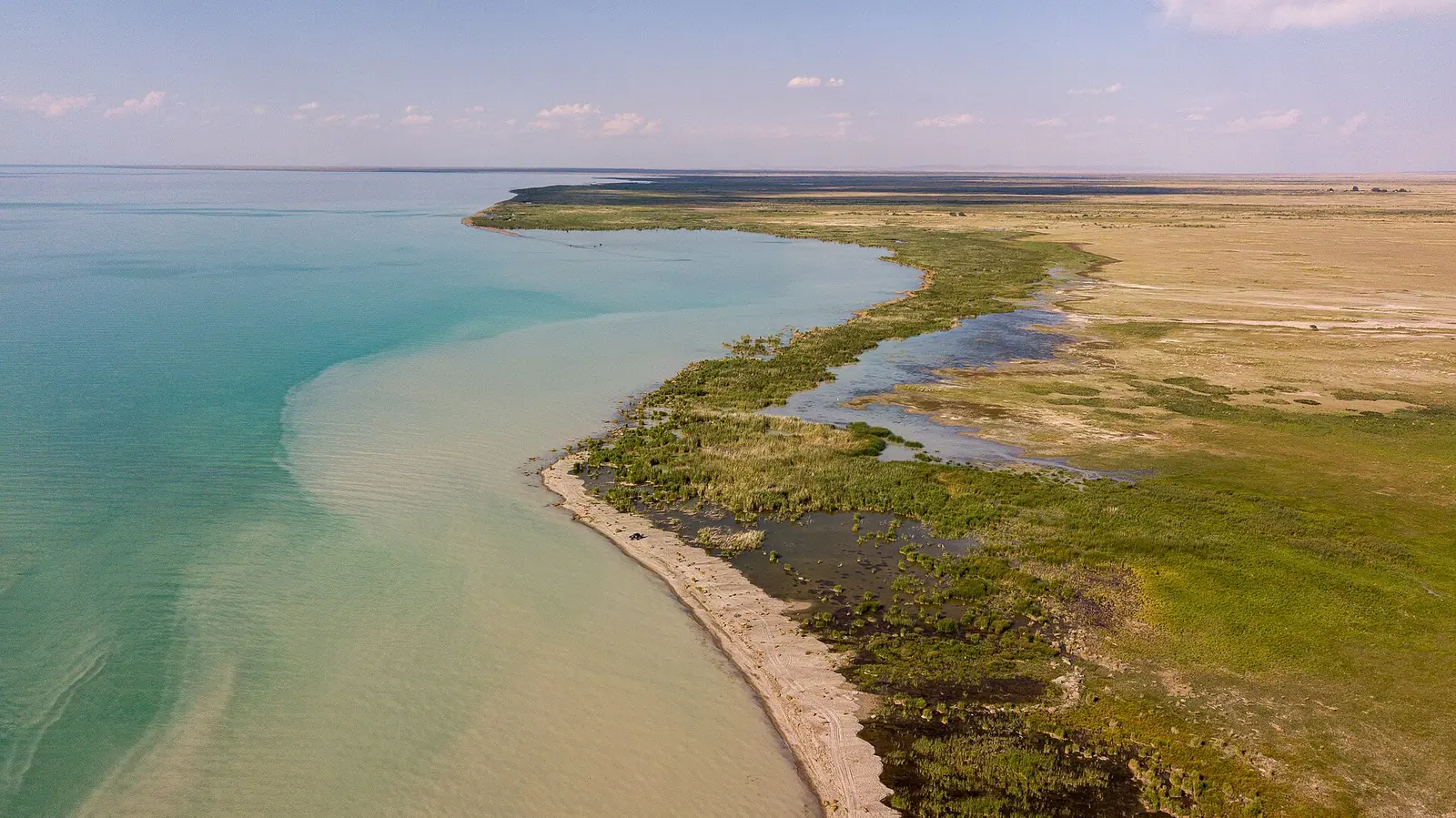
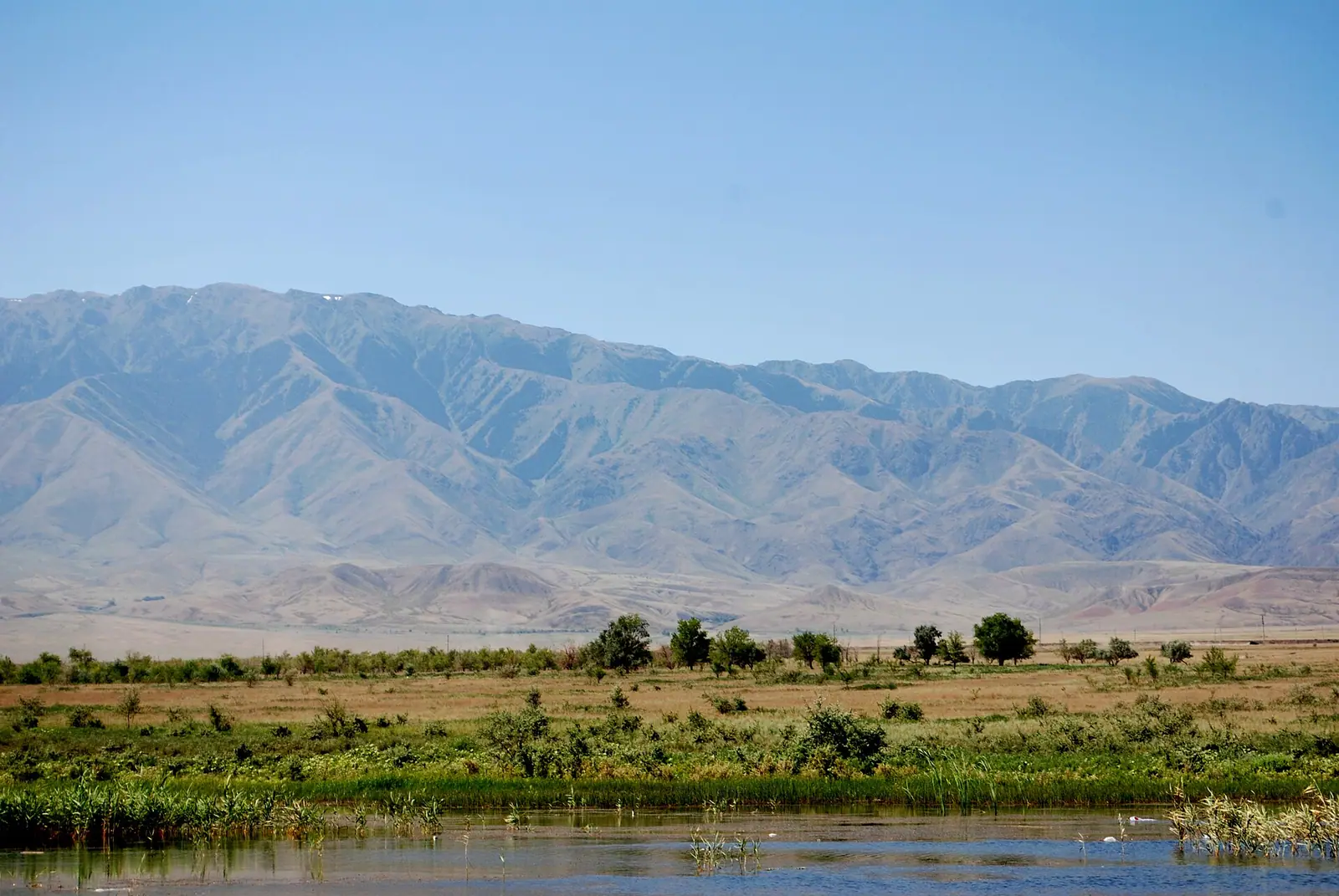
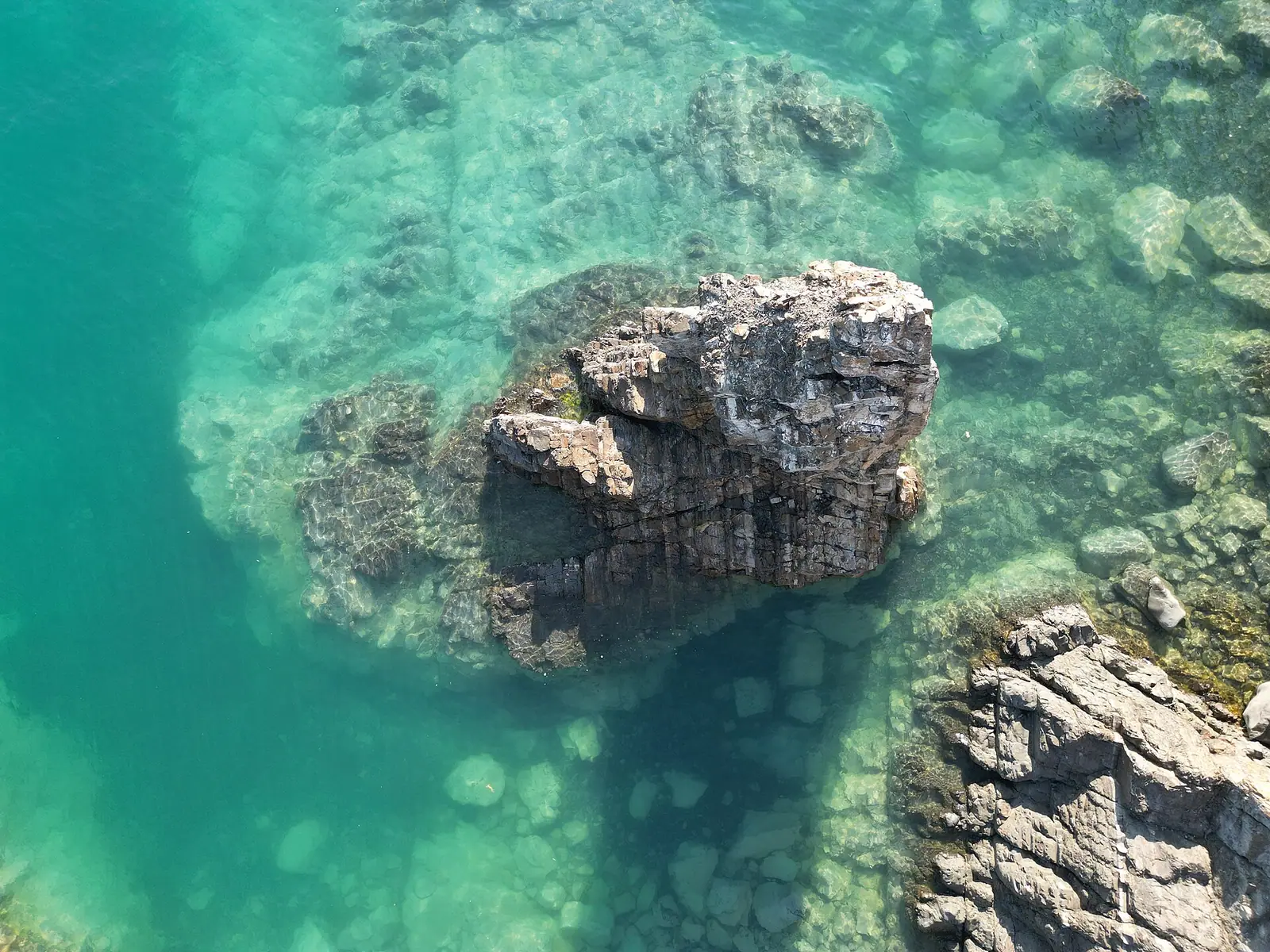
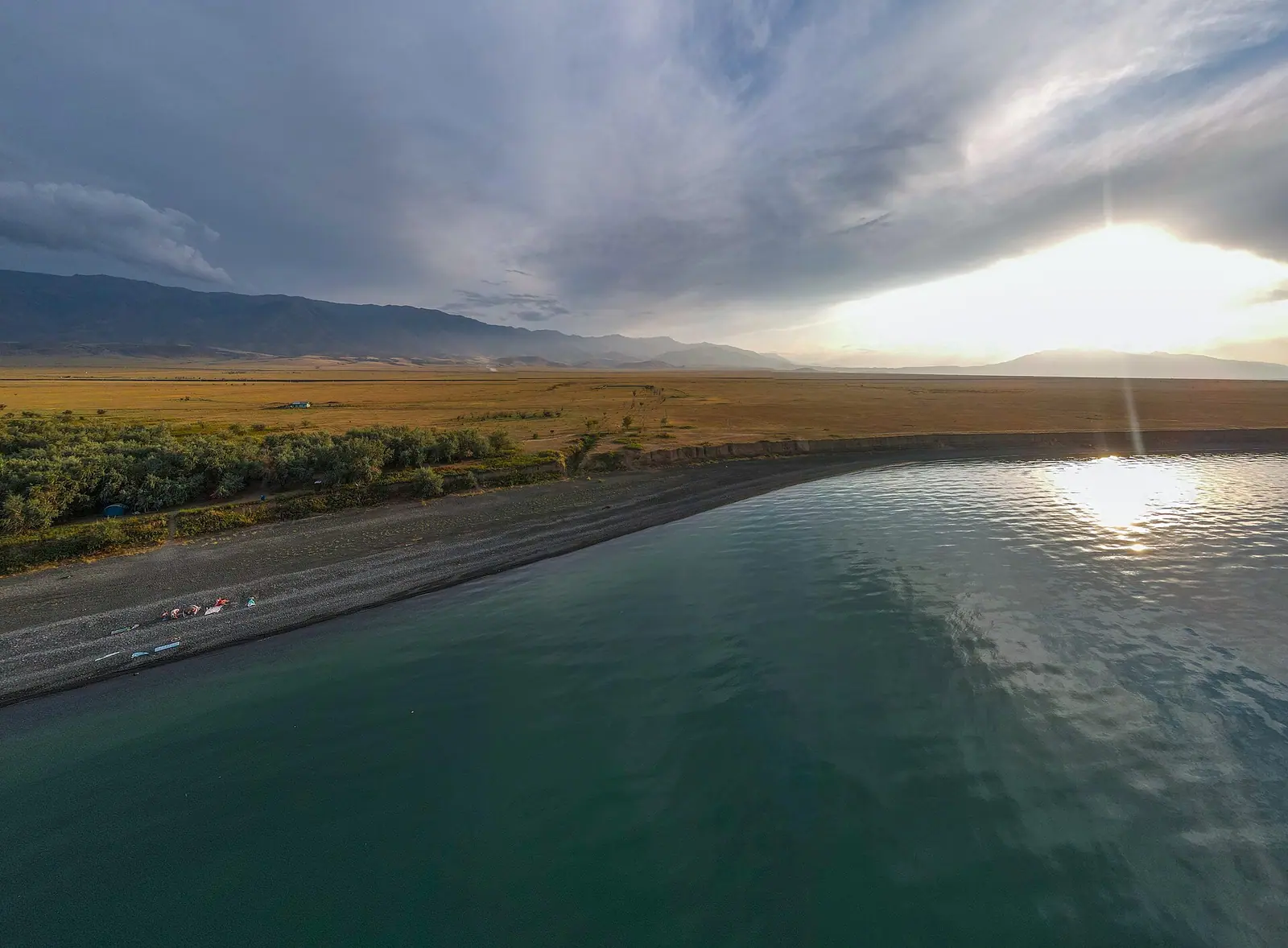
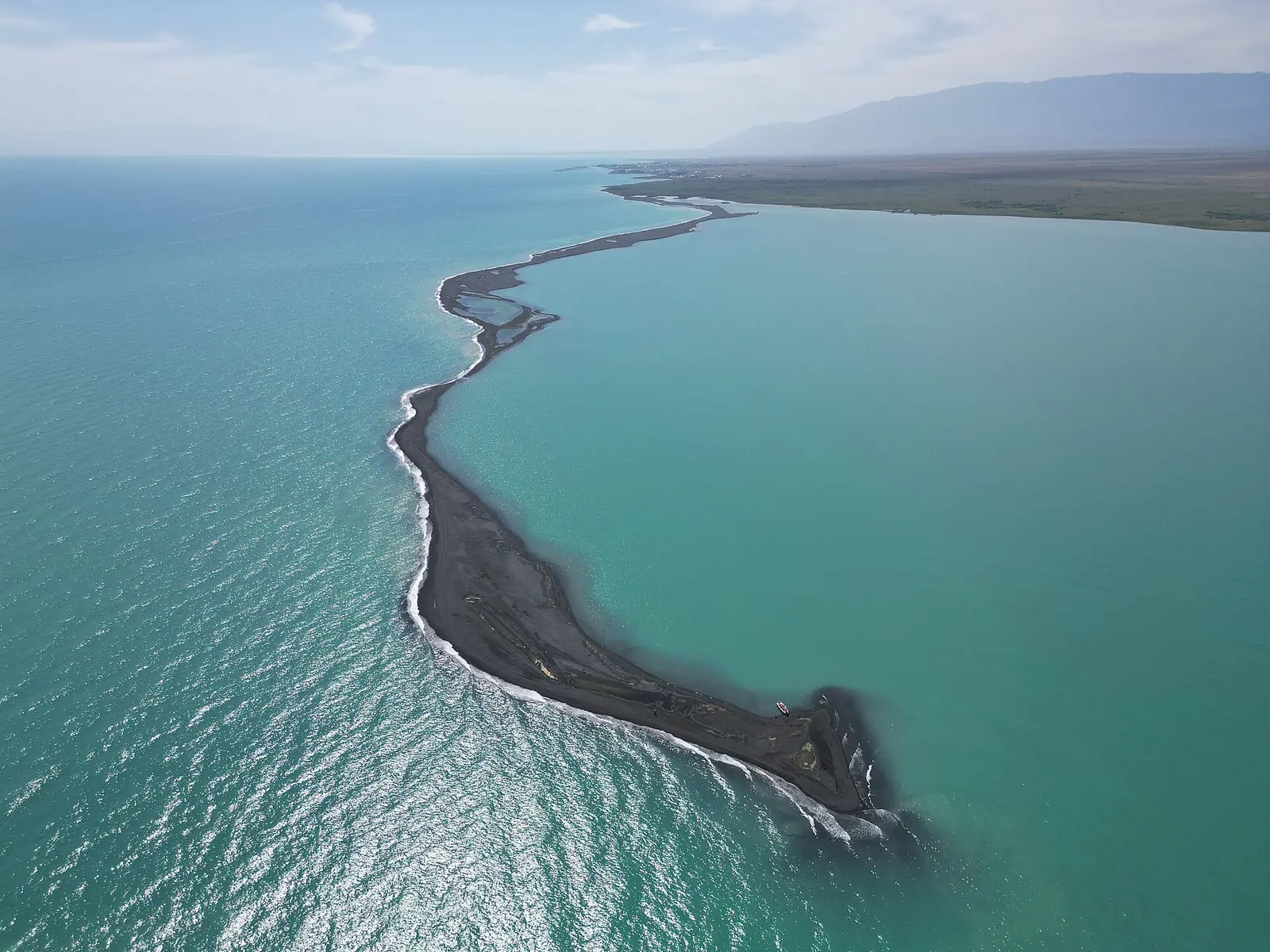
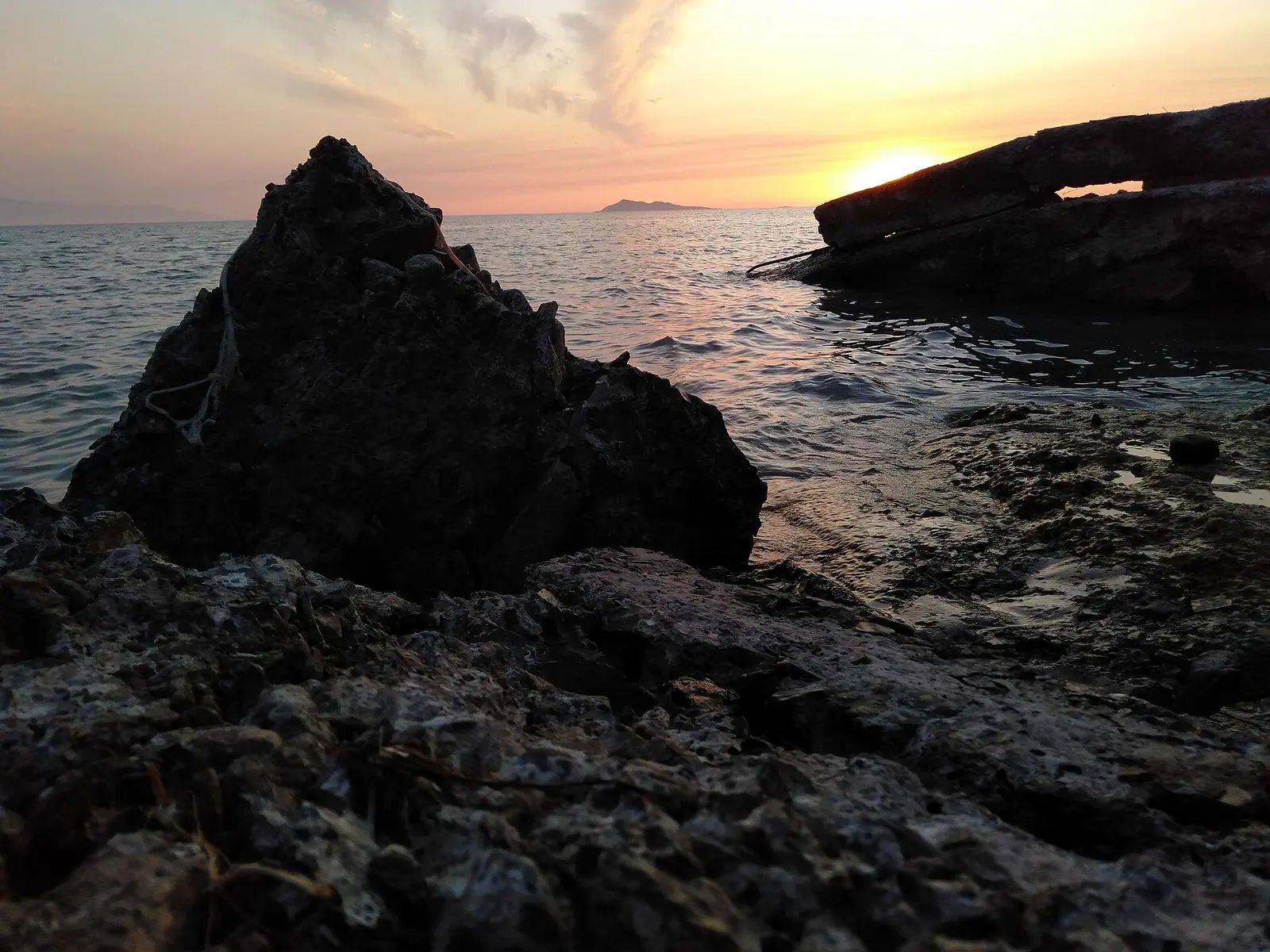
Real photos by travellers (Pexels, Unsplash, Wikimedia Commons); author and licence are given in each caption.
Alakol — state nature reserve (zapovednik), Zhetysu and Abai Regions.
Key figures
| Area | 65 672.01 ha |
| Region | Zhetysu and Abai Regions |
Category
State nature reserve (zapovednik)
A zapovednik is the strictest category. There is no free entry: permission and prior arrangement are required, usually along marked ecological trails and with an escort.
Entrance tariff
0.15 MCI per pedestrian, 0.6 MCI per car. In 2026 that is 648.8 ₸ and 2,595 ₸.
The tariff is set by appendix 28 to Order No. 232 of 2 October 2024.
The tariff is set in MCI units rather than tenge, so the amount changes with each January budget.
What to see
- relict gull
- Alakol islands
- seabird colonies
Alakol in one minute
Alakol Nature Reserve is not the whole of Lake Alakol. It is a set of protected sections straddling Zhetysu and Abai regions: the Tentek river delta, the Araltobe islands with their relict gull colony, the Sasykkol shore and others. The reserve covers about 657 km², while the lake alone spans 2,696 km². The beaches at the resort villages of Akshi, Koktuma and Kabanbay are outside the reserve: people go there to swim, and to the reserve only by arrangement, for the birds.
Reserve versus resort lake
This is the main source of confusion, so it is worth clearing up before you go.
| Lake Alakol (resort) | Alakol Nature Reserve | |
|---|---|---|
| What it is | a salty endorheic lake | a strict state nature reserve |
| Area | 2,696 km² | about 657 km² (65,672 ha) |
| Where people stay | Akshi, Koktuma (west shore), Kabanbay | — |
| Access | open, village beaches | by arrangement only, on set routes |
| Why it matters | swimming, resorts | relict gull, colonial birds, Tentek delta |
According to Wikipedia, the reserve was created on 21 April 1998 by Government Decree No. 355 and consists of six sections:
- the northern shore of Lake Sasykkol and the Thousand Lakes system;
- the Tentek river delta;
- the Araltobe islands on Lake Alakol;
- the Emel and Shagantogai river deltas;
- the Maly Alakol bay;
- the eastern shore of Lake Zhalanashkol and the Kyzylkayyn tract in the Dzungarian Gate.
None of the resort villages is on this list, so the reserve fee on the card above has nothing to do with a beach holiday. For how a strict reserve differs from a national park, see our guide to protected area categories.
The relict gull and the Araltobe islands
The relict gull (Ichthyaetus relictus) was long treated as an eastern race of the Mediterranean gull and was recognised as a separate species only in 1971. The IUCN lists it as Vulnerable; the world population is estimated at 10,000 birds or fewer, breeding at a handful of sites in Mongolia, China, Russia and two in Kazakhstan. Protecting its colony on the Alakol islands is one of the reasons the reserve exists.
How the gull was “discovered” at Alakol
The species’ story runs straight through Alakol. It was described from a single bird collected in 1929 in Inner Mongolia and for decades was treated as a subspecies of the Mediterranean gull, or even a hybrid. In 1968–1969 Kazakh ornithologists ringing birds on the Alakol islands found a colony of unusual gulls; comparing birds collected here with museum specimens allowed E. M. Auezov to make the first case for a separate species in 1970–1971.
According to the ornithologist A. F. Kovshar, the colony on Middle Island held 25–30 nests in 1969; in early June 1970 there were 108 nests plus 8 more nearby, and a year later 32 pairs nested 300 m from the previous site. The colony shifts around the island and reacts strongly to disturbance, which is why the seasonal bans are so strict.
The Araltobe islands lie in the north-eastern, deepest part of the lake:
| Island | Area |
|---|---|
| Ulken Araltobe | 2,119 ha |
| Middle (Orta) Araltobe | 23 ha |
| Kishkene (Kishi) Araltobe | 148 ha |
Rules for anyone with a boat:
- from May to September visiting the islands by any transport is banned, as the reserve announced in 2024;
- a 2 km buffer zone (5,130 ha) around the islands bans hunting, fishing and mooring.
If someone on the beach offers you a “boat trip to the gull islands”, it runs directly against the reserve’s rules.
Birds and what you can see legally
The reserve has recorded 324 bird species, 158 of them breeding and 108 wintering. The Tentek delta and the Sasykkol system are wetlands rich in waterbirds.
For an introduction without entering closed zones, the reserve has a nature museum (opened on 15 October 2000) and an arboretum set up in 2004 for educational visits.
Lake Alakol: facts and getting there
| Indicator | Figure |
|---|---|
| Lake area (with islands) | 2,696 km² |
| Length / maximum width | 104 km / 52 km |
| Maximum / average depth | 54 m / 22 m |
| Elevation | 343 m |
| Shoreline | 348 km |
Figures from Wikipedia. The water is salty, of the chloride-sodium type. Akshi and Koktuma sit on the west shore, about 60 km from the Chinese border. The Barlyk-Arasan spa is about 15 km east of Kabanbay.
From Almaty it is about 9–10 hours by bus or car. Wikipedia also mentions a seasonal train to Koktuma (June–August, about 16 hours); check whether it is running with the operator.
Border zone and practical tips
Alakol is a border district (the frontier with China; the Dzungarian Gate lies south-east of the lake). Decree No. 356 explicitly waives the Interior Ministry pass regime for foreigners throughout Alakol District and on the Alakol shore in Urdzhar District (an 8 km section). Carry your passport regardless; more in our page on border zone permits.
- Beach and birds are separate trips. Swimming at the resort villages needs no paperwork; a visit to the reserve is planned separately and in advance with the administration.
- Binoculars beat a boat: you can only watch birds legally from outside the islands’ 2 km buffer zone, and approaching the islands in the nesting season is banned.
- The reserve fee is on the card above; the park fee calculator converts it into tenge.
- Another bird-rich protected area is Korgalzhyn, also a strict reserve.
- Before you go, run through the pre-trip checklist.
Alakol: when to go, month by month
- January: possible
- February: possible
- March: possible
- April: possible
- May: possible
- June: good
- July: good
- August: good
- September: possible
- October: possible
- November: possible
- December: possible
The seasonal train to the Koktuma beaches has run in June–August; the Araltobe islands are closed May to September for nesting birds.
Alakol: tips before you go
- Beach and birds are separate trips: swim at the resort villages, and arrange any reserve visit with the administration in advance.
- Turn down boat rides “to the gull islands”: in the nesting season they break the reserve's rules outright.
- Bring binoculars: birds can be watched legally only from outside the 2 km buffer zone around the islands.
- This is a border district: foreigners need no Interior Ministry pass here, but keep your passport or ID on you.
- Wikipedia puts the seasonal train to Koktuma at about 16 hours; check the current timetable with the operator.
More to see nearby


Frequently asked questions
Are the Lake Alakol beaches inside the nature reserve?
Can I take a boat to the Alakol islands?
Where can I see the relict gull at Alakol?
How much is the entry fee for Alakol Nature Reserve?
Do foreigners need a border permit for Lake Alakol?
How do I get to Lake Alakol from Almaty?
Sources
- Alakol Reserve — Wikipedia (Russian)
- Lake Alakol — Wikipedia (Russian)
- Relict gull — Wikipedia
- Tourists banned from three Alakol islands — NUR.KZ, 2024
- Kovshar A.F. The rediscovery of the relict gull and the background to the Alakol reserve — Russian Journal of Ornithology, 2007, vol. 16, No. 354
- Government Decree No. 356 of 16.04.2014 — border zone and list of exemptions (Adilet)