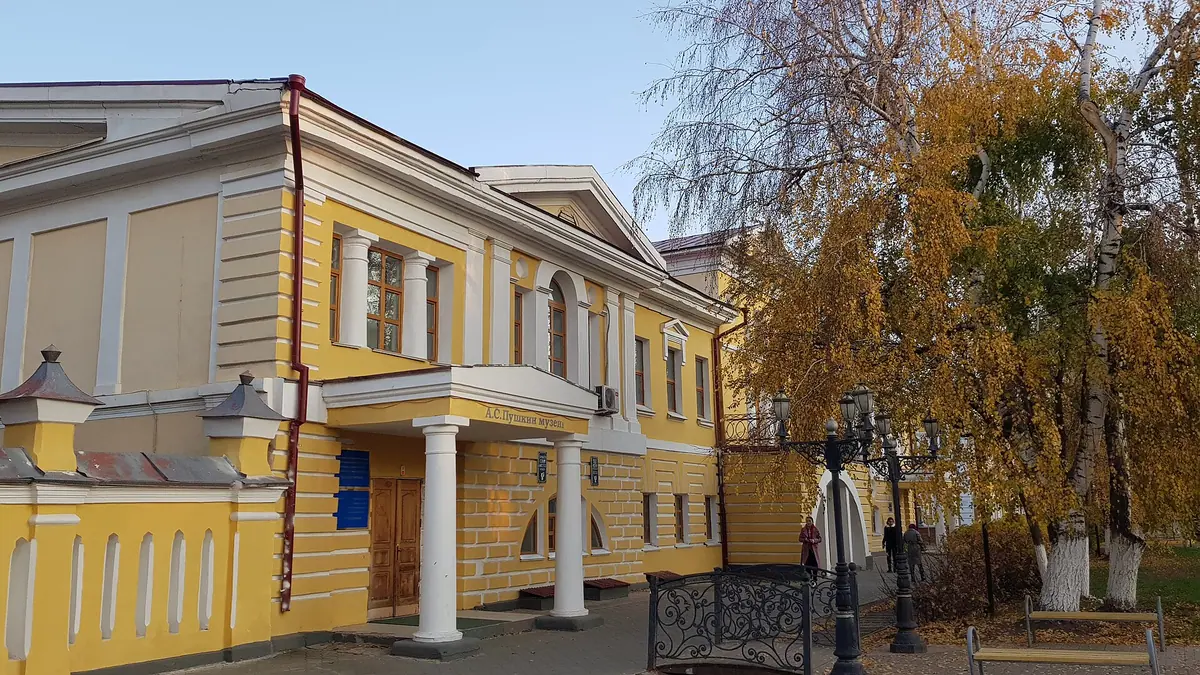
Things to do in Oral (Uralsk) in photos
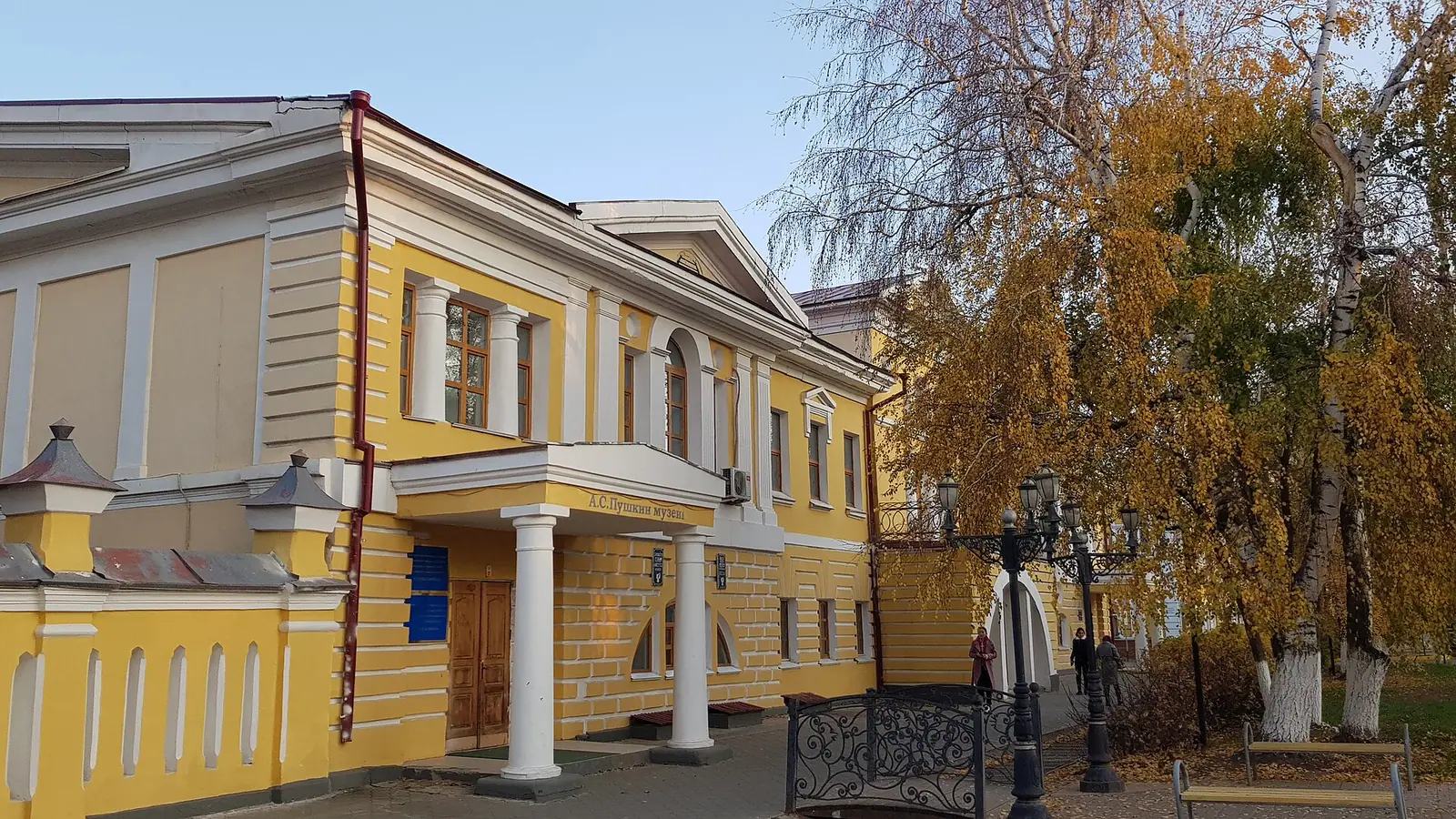
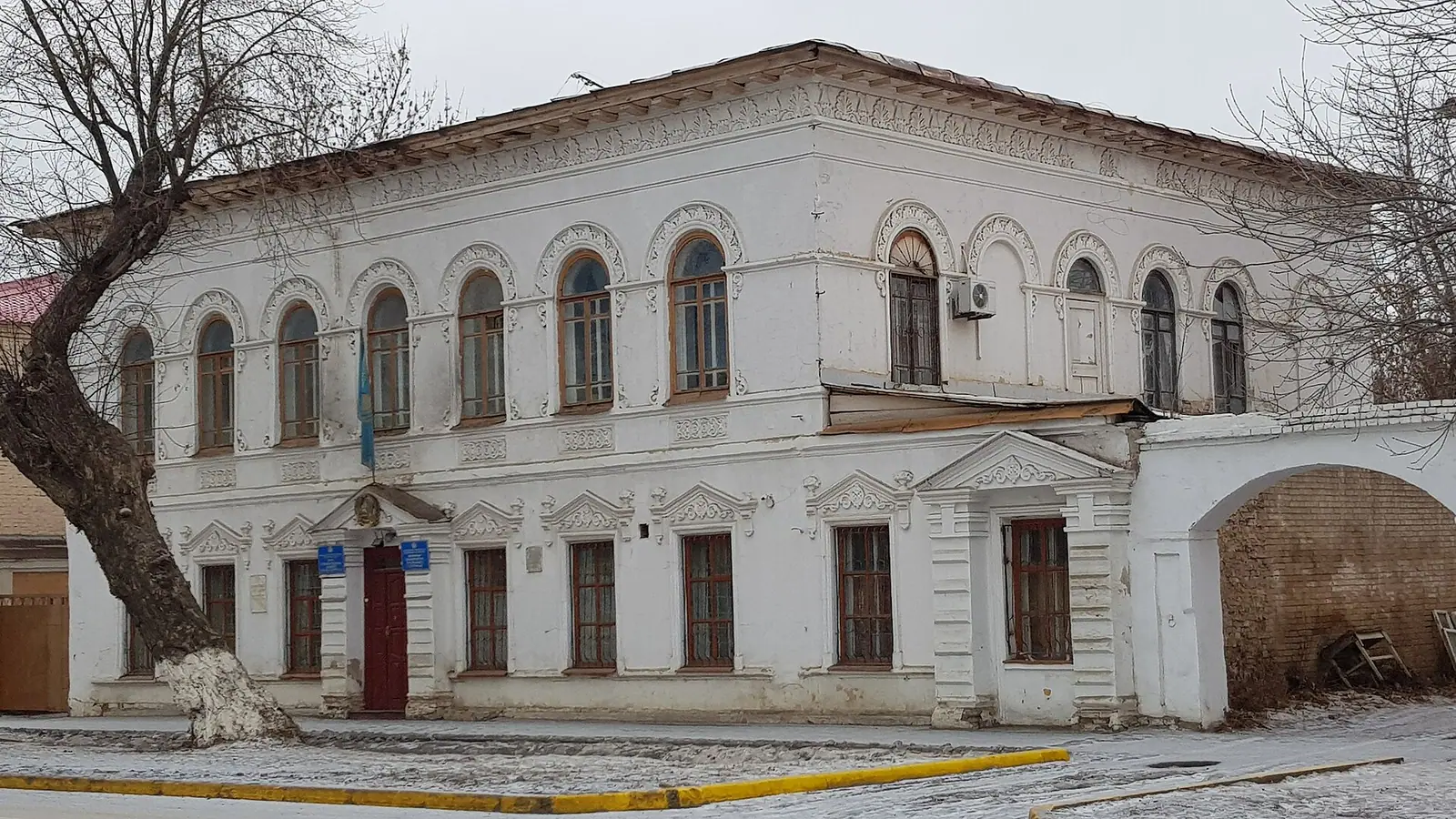
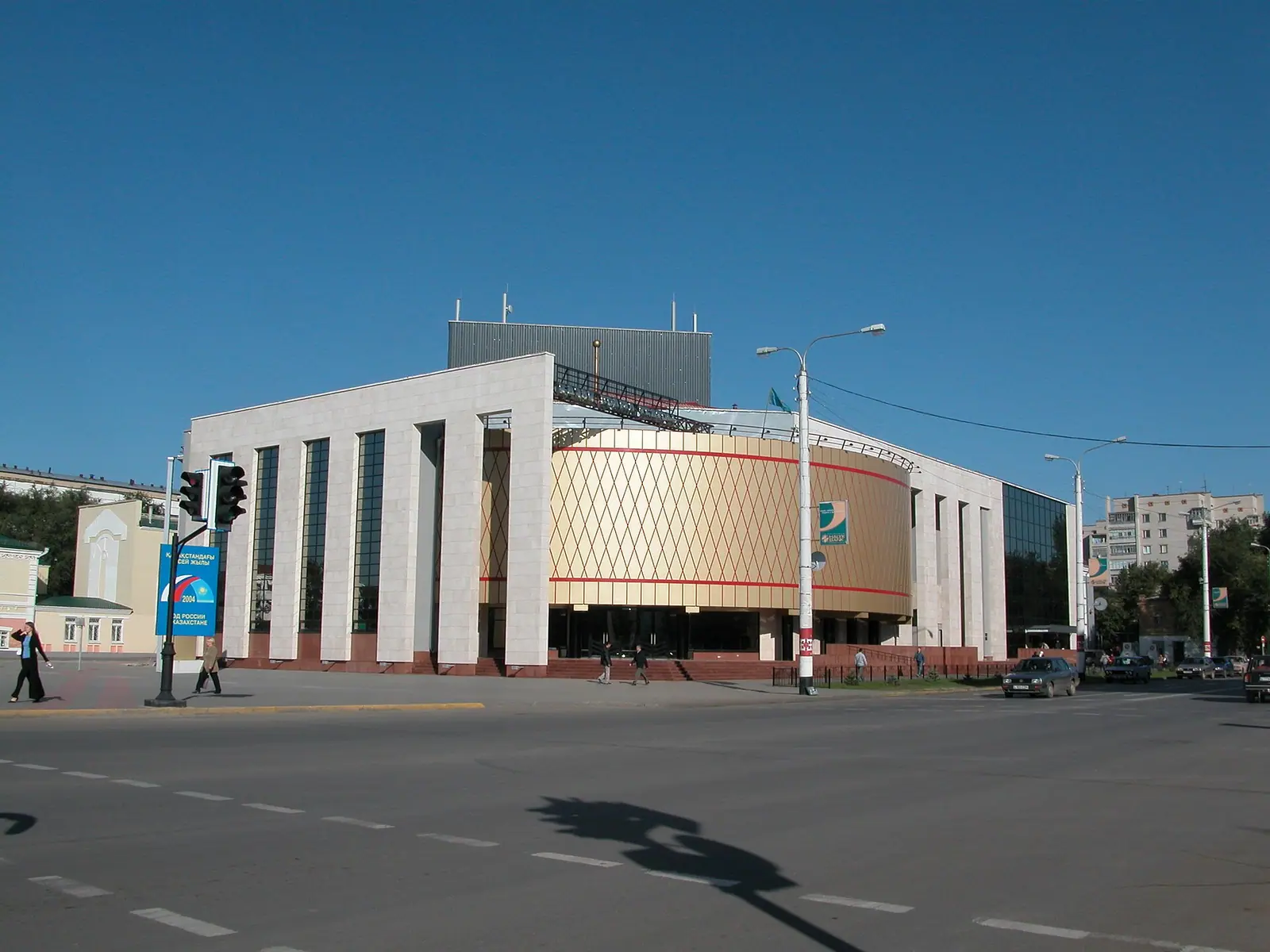
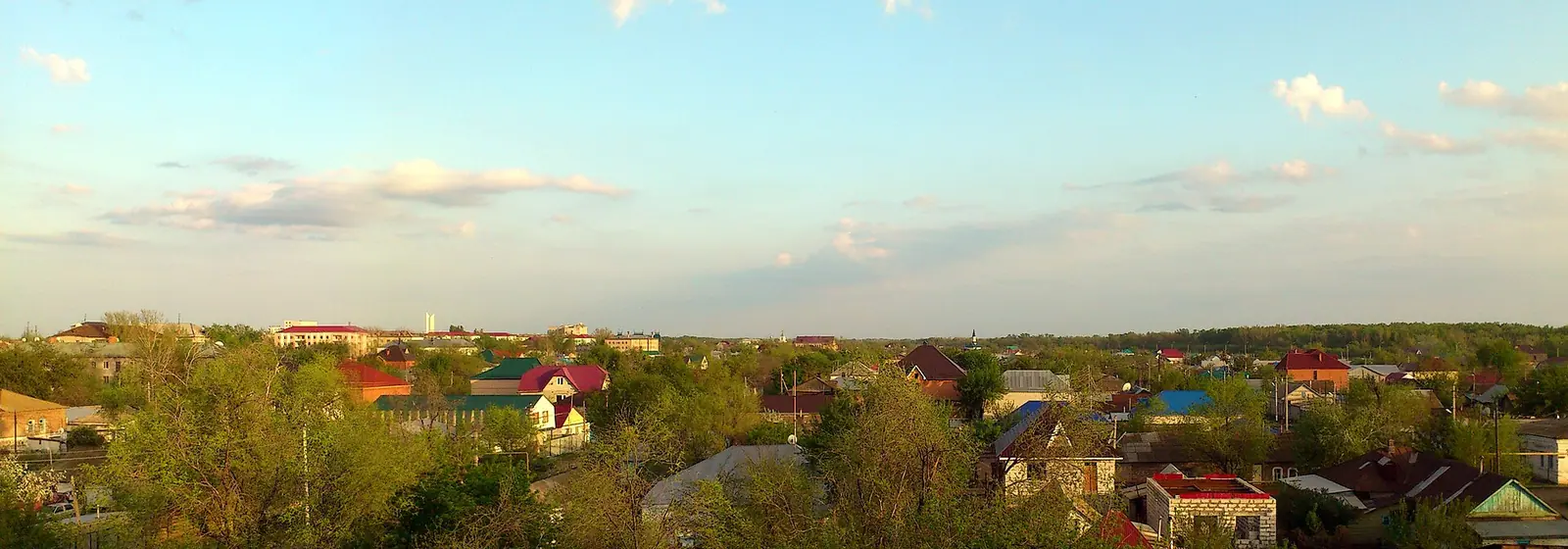
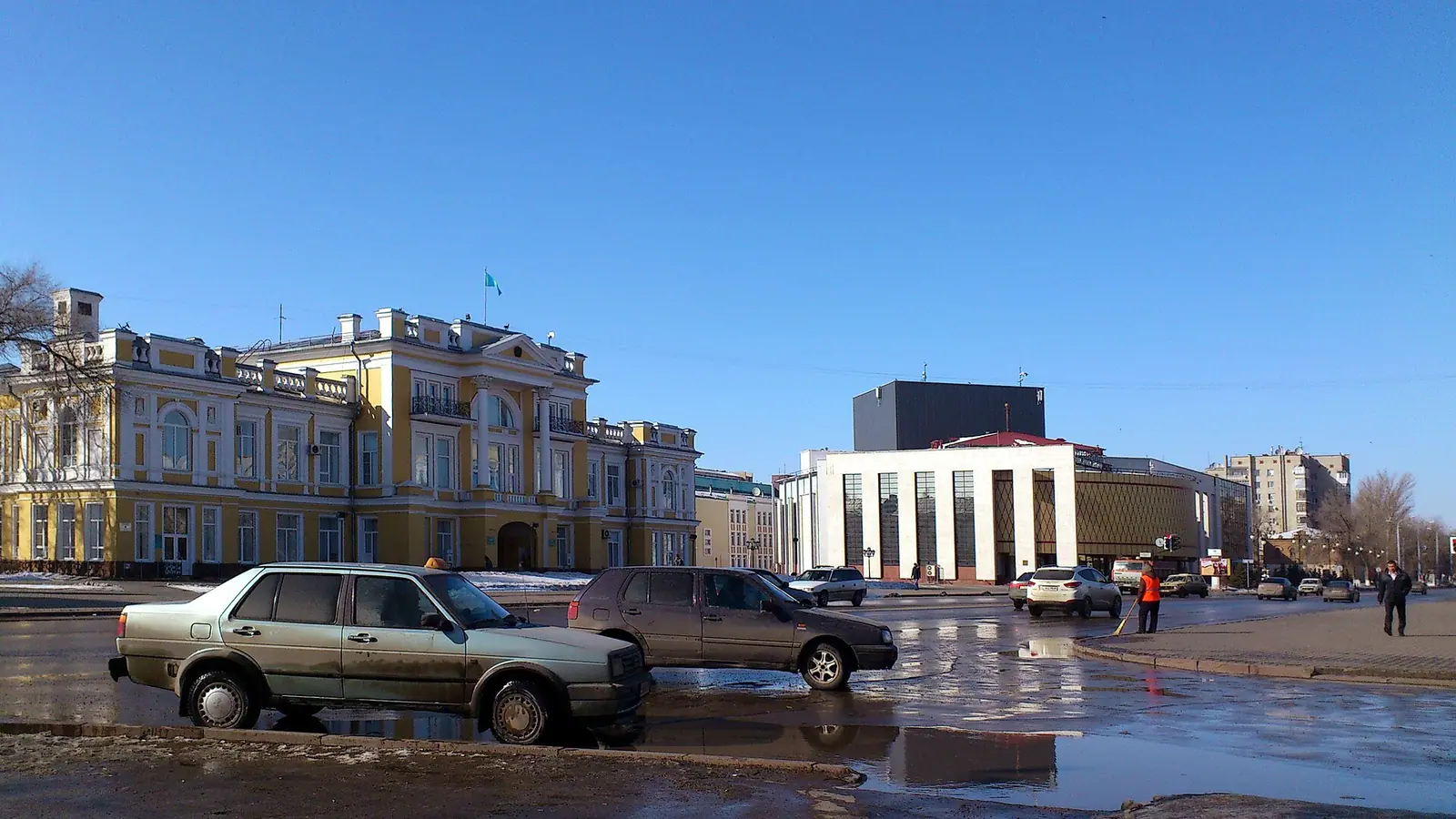
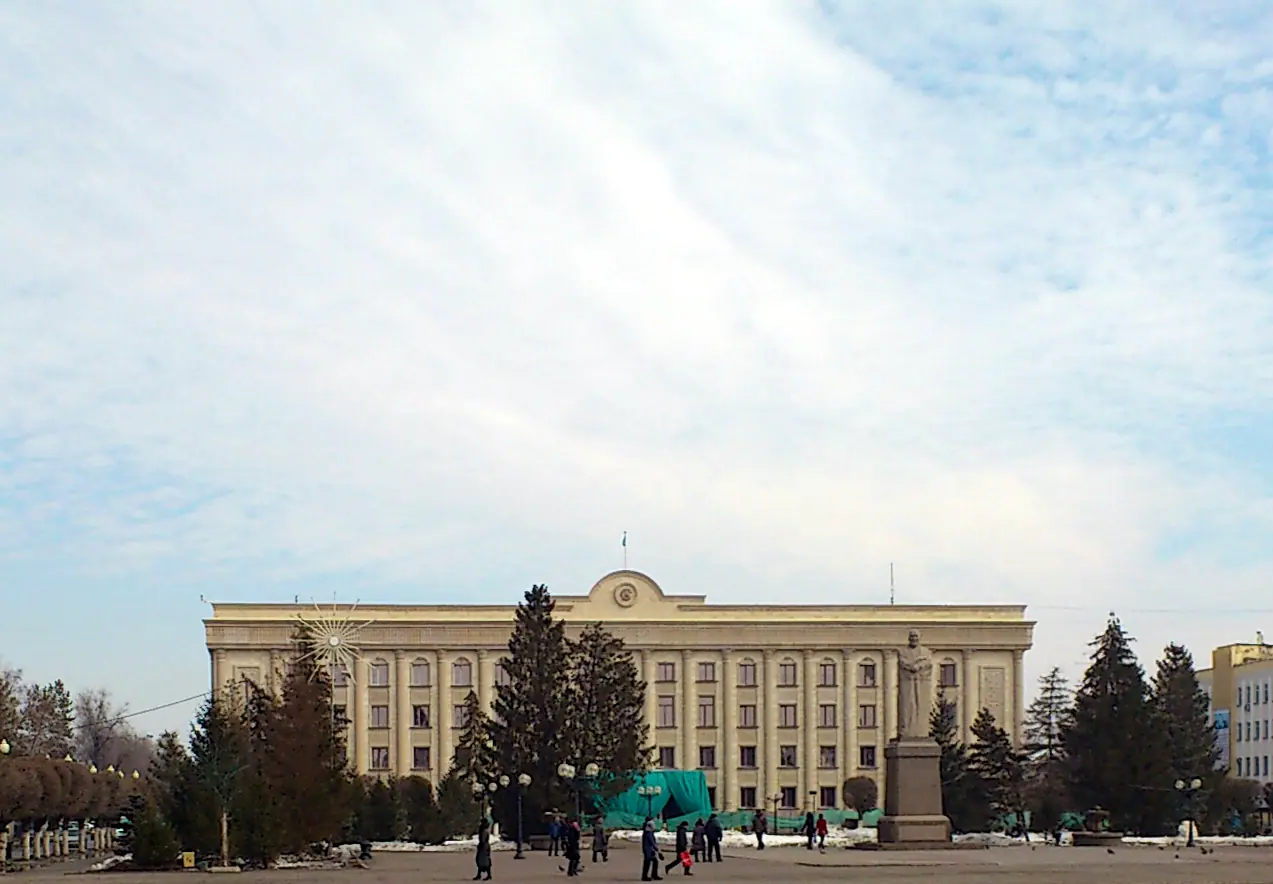
Real photos by travellers (Pexels, Unsplash, Wikimedia Commons); author and licence are given in each caption.
The main things to do in Oral (Uralsk) are tied to its past: the old Cossack quarter called Kureni, the Mikhailo-Arkhangelsky cathedral from 1741–51, and the story of the Pugachev uprising that renamed the city. Oral is the capital of the West Kazakhstan Region, on the Ural and Chagan rivers. It works as a one- or two-day history stop, not as a base for the nature sites covered elsewhere on this guide, which are all more than 750 km away.
Where Oral is and what kind of trip it demands
Oral lies in the far northwest of Kazakhstan, at the confluence of the Ural and Chagan rivers, near the Russian border. It stands on the western bank of the Ural, so it is considered geographically part of Europe. It is a long way from both Almaty and Astana. We could not confirm travel times or road distances from either.
The city is large. Russian Wikipedia gives a population of 368,915 without a year, while English Wikipedia cites 271,900 from the 2009 census, so expect a sizeable regional capital with an airport and a railway. It is a city trip on foot and by taxi, not an expedition. Most people are Kazakh (71%) or Russian (25%) by the 2009 figures. We could not confirm how widely English is spoken.
The sights in Oral are concentrated in the old Cossack town
The oldest part of Oral is the peninsula between the Ural and Chagan rivers, where the town was founded in 1613. The district is still called Kureni, after the kuren, a Cossack dwelling. According to Kazakh Wikipedia, the oldest part of the city lay south of the Mikhailo-Arkhangelsky cathedral, a protected historic monument built in 1741–51.
| Sight | What it is | Why go |
|---|---|---|
| Kureni quarter | Founding site of the town, between the Ural and Chagan | Street plan of the original Cossack settlement |
| Mikhailo-Arkhangelsky cathedral | Church built 1741–51 | Its fortified precinct was besieged by Pugachev’s forces in 1773–74 |
| Alexander Nevsky cathedral | Foundation stone laid in 1837 by the future Alexander II | Laid by the future Alexander II as ataman of all Cossack hosts |
| Church of Christ the Saviour | Foundation laid in 1891 by the future Nicholas II | Late 19th-century church |
| Kirov and Gorky parks | Former “Military Dacha” and “Khan’s Grove” | Green space in the city |
| Zhaiyk settlement site | Golden Horde town on Svistun hill, about 10 km from the city | Excavated remains of a 13th–14th-century town |
The table lists what the sources name, not what is open to visitors. We could not confirm opening hours, entry rules or whether the two 19th-century churches survive in their original form. The Zhaiyk site is an excavation area: houses, kilns, a bathhouse and two large mausoleums were found there, but we could not confirm what is visible on the ground today.
Pugachev, Pushkin and a great fire shaped the city you see
Oral was called Yaitsky Gorodok, after the Yaik River, until 1775. Its Cossacks formed the core of Yemelyan Pugachev’s uprising of 1773–75, and the fortress around the cathedral was besieged from 30 December 1773 to 17 April 1774. As punishment, Catherine II decreed on 15 January 1775 that the river would be called the Ural and the town Uralsk. After independence the city took the Kazakh name Oral.
Alexander Pushkin came in September 1833 with Vladimir Dahl, collecting stories from Cossacks who had known Pugachev for his history of the revolt and The Captain’s Daughter. In a letter to his wife he described being fed fresh caviar prepared in front of him. The fable writer Ivan Krylov spent the siege inside the fortress as a child.
Fire has repeatedly reset the townscape. Kazakh Wikipedia lists fires in 1739, 1751, 1821 and 1879. The 1879 fire destroyed about two-thirds of the city in an afternoon. Street names have also changed many times, most recently in 2018–2022, which can make older maps confusing.
When to go: late spring and September are the comfortable windows
The figures below are computed ERA5 normals for 2011–2020 at a grid point at 37 m, close to the city’s low-lying setting, not readings from a weather station.
Day high, °C / Night low, °C · Rain/snow, mm
A computed reanalysis normal for these coordinates, not weather station records.
Monthly figures
| Month | Day high, °C | Night low, °C | Rain/snow, mm |
|---|---|---|---|
| Jan | -7.2 | -13.6 | 27.6 |
| Feb | -6.4 | -13.7 | 26.9 |
| Mar | 1.2 | -6.7 | 32.9 |
| Apr | 14.7 | 3.2 | 32.8 |
| May | 23.7 | 10.7 | 28 |
| Jun | 27.3 | 14.3 | 30.2 |
| Jul | 30.2 | 16.7 | 19.2 |
| Aug | 29 | 15.6 | 20.4 |
| Sep | 21.1 | 9 | 33.7 |
| Oct | 11.9 | 2.4 | 30.1 |
| Nov | 2 | -4.3 | 30.8 |
| Dec | -4.8 | -10.4 | 33.2 |
May, June and September are the easiest months for walking around the city, with daytime highs of about 21–27 °C. July is the hottest month, at about 30 °C on average, and also the driest, with about 18 mm of precipitation. Winter is long: daytime highs stay below freezing from December to February, and January nights average around -14 °C.
| Season | Day / night | What it means for you |
|---|---|---|
| Dec–Feb | about −7 °C / −13 °C | Possible for a city visit, but cold for walking. |
| Mar–Apr | about 1–14 °C / −7 to 3 °C | Thaw, cool and changeable |
| May–Jun | about 23–27 °C / 11–16 °C | Best for walking the old town and riverside |
| Jul–Aug | about 28–30 °C / 17–18 °C | Hot and dry, so plan outdoor walks for mornings |
| Sep–Oct | about 21 °C, then 11 °C / 11 °C, then 4 °C | September is pleasant, October cools fast |
Oral is not a base for Kazakhstan’s nature sites
None of the nature or heritage places on this guide are within day-trip range of Oral. The nearest regional cities are Aktobe and Atyrau, both more than 400 km away in a straight line, and road distances will be longer.
| Destination | Straight-line distance from Oral |
|---|---|
| Aktobe | about 421 km |
| Atyrau | about 462 km |
| Aktau | about 844 km |
| Fort-Shevchenko | about 751 km |
| Bozzhyra and Mangystau | about 821 km |
| Aral Sea | about 940 km |
If your trip is about desert landscapes, plan Mangystau as a separate leg from Aktau rather than from Oral. We could not confirm any natural sights close to the city itself beyond the Ural River and the Zhaiyk site.
Getting to Oral and getting around
Oral is served by Manshuk Mametova International Airport, about 12 km southeast of the city. The railway arrived in 1894, and the city remains a rail junction on routes from Europe towards Siberia and the Caspian oil fields.
We could not confirm current flight routes, train timetables or public transport inside the city. For a visitor without Russian, the practical approach is to fly in and use taxis between the old town and the parks. Check timetables locally before planning onward travel.
For open water, people go to Lake Chelkar, the region’s largest, 75 km southeast of the city.
- Opening hours and visitor rules for the Mikhailo-Arkhangelsky cathedral and other churches
- Whether the Alexander Nevsky cathedral and the Church of Christ the Saviour still stand
- Access to, and visible remains at, the Zhaiyk settlement site on Svistun hill
- Current flight routes, train timetables and road travel times to Almaty, Astana, Aktobe and Atyrau
- Museums in the city and whether English is used at sights
Frequently asked questions
Is Oral, Kazakhstan, in Europe?
Are Oral and Uralsk the same city?
What is the Zhaiyk Golden Horde settlement near Oral?
What sport is Oral known for?
Sources
Read also
 Aktau, Kazakhstan: what to do in the Caspian port city and the desert around it
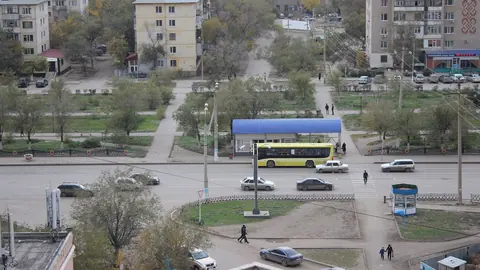 Aktobe, Kazakhstan: what to see, the weather by month and trips into the steppe
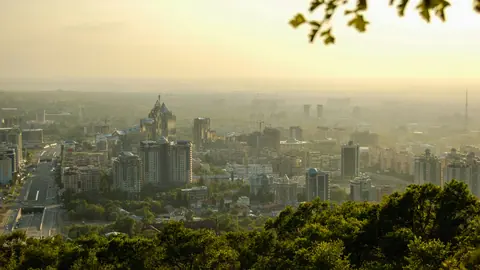 Almaty weather by month: temperature, rain, snow and what to pack
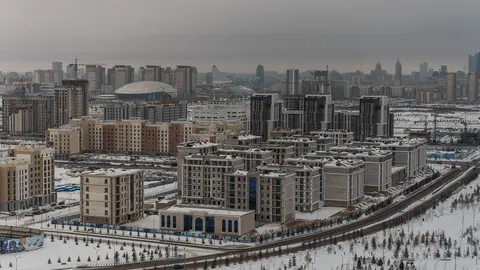 Astana weather by month: how cold it gets, wind and frost
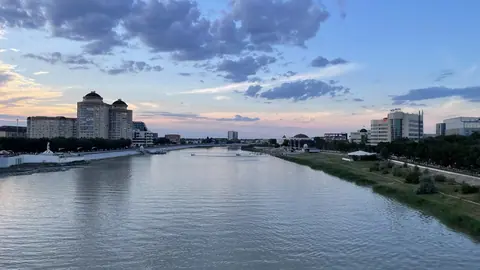 Atyrau, Kazakhstan: weather, sights and what the city works for as a base
 Karaganda, Kazakhstan: what to see in the coal city and when to come