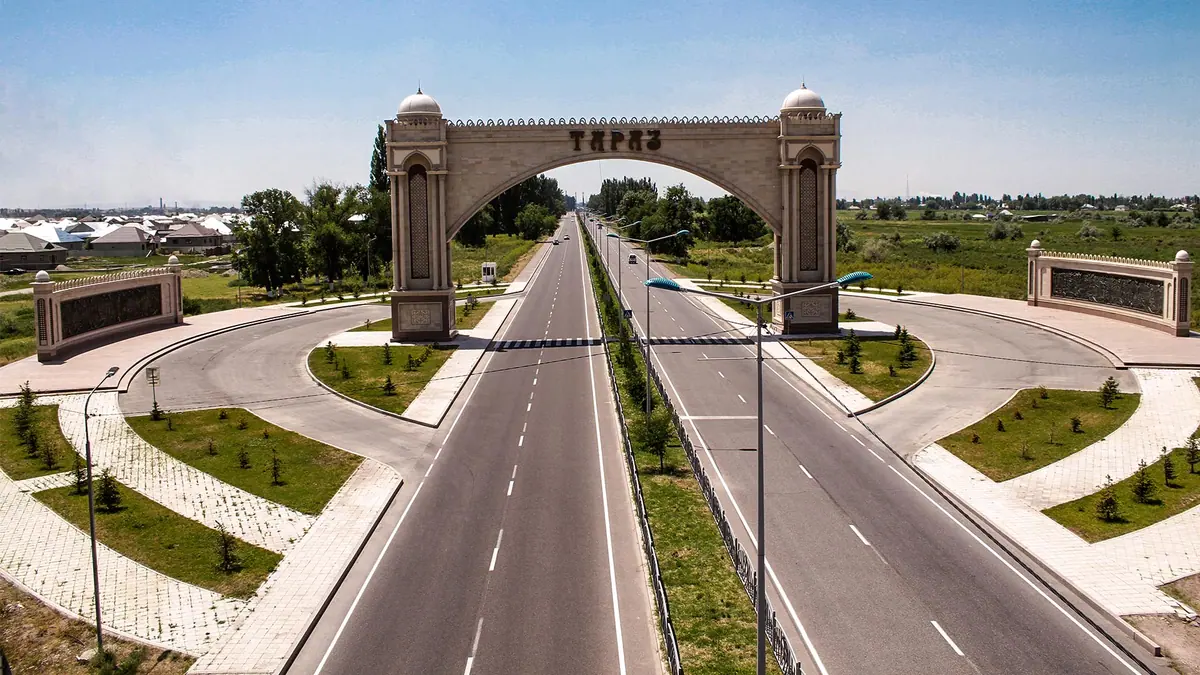
Things to do in Taraz, the old Silk Road city near the Kyrgyz border in photos
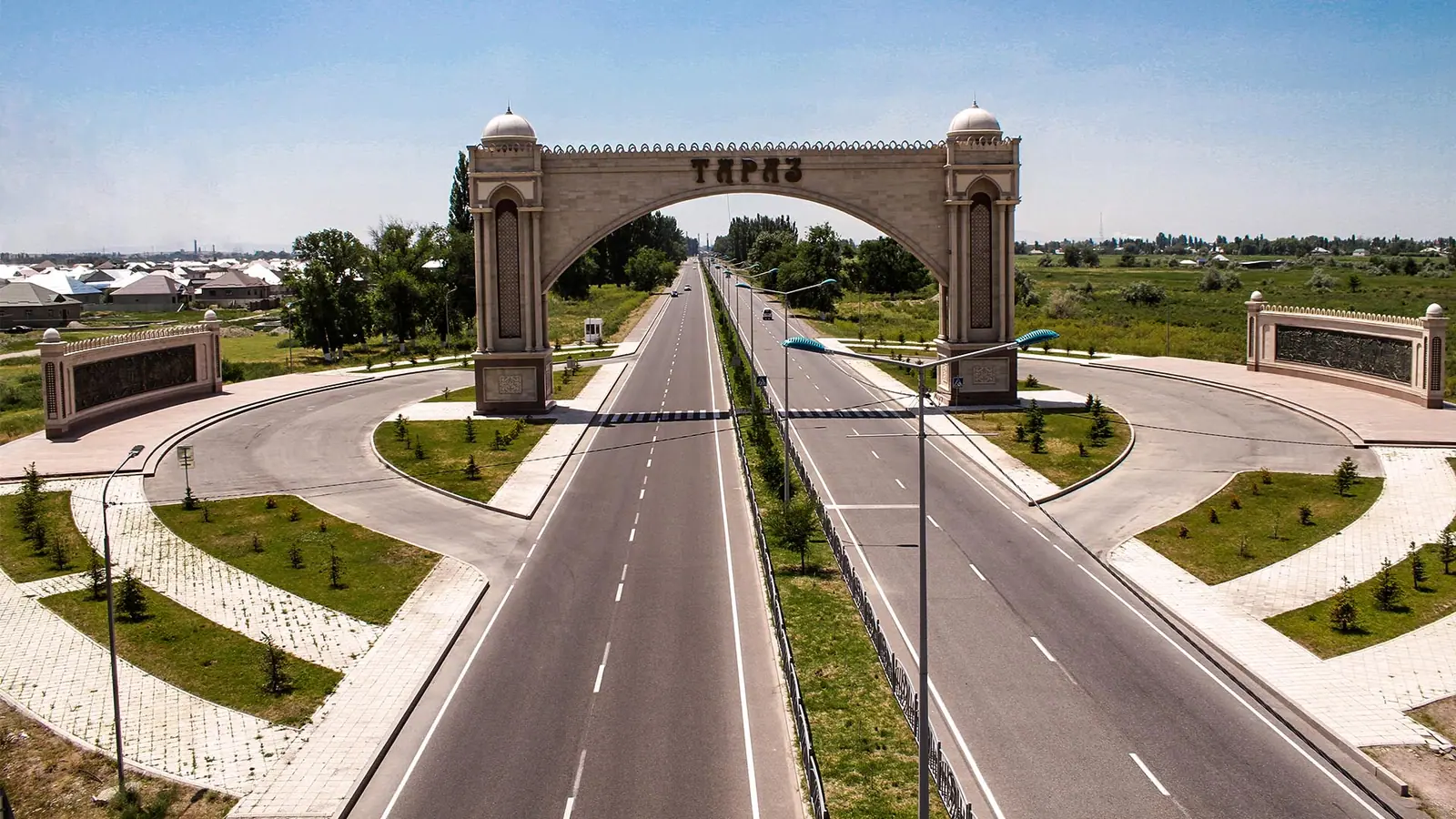
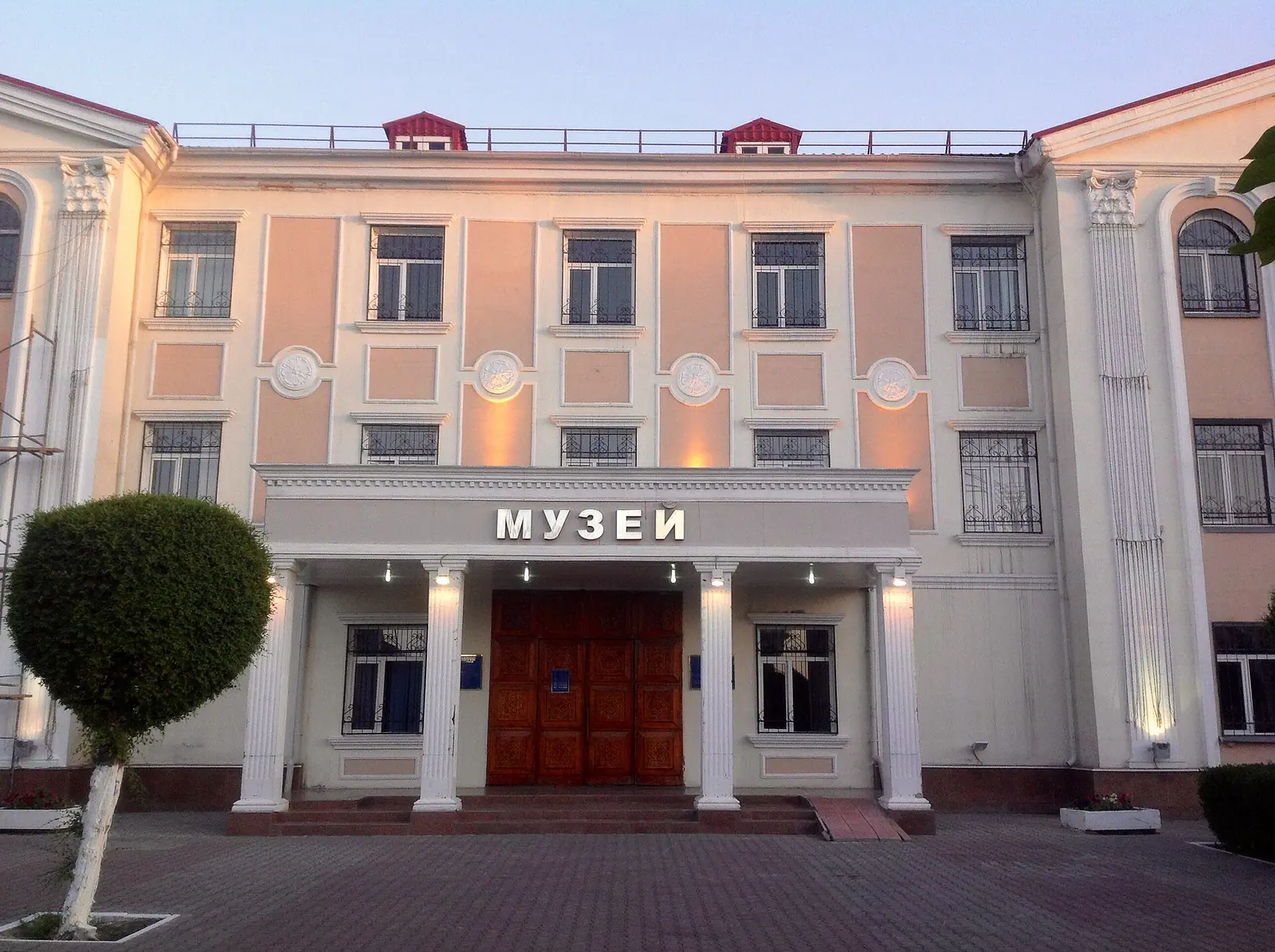
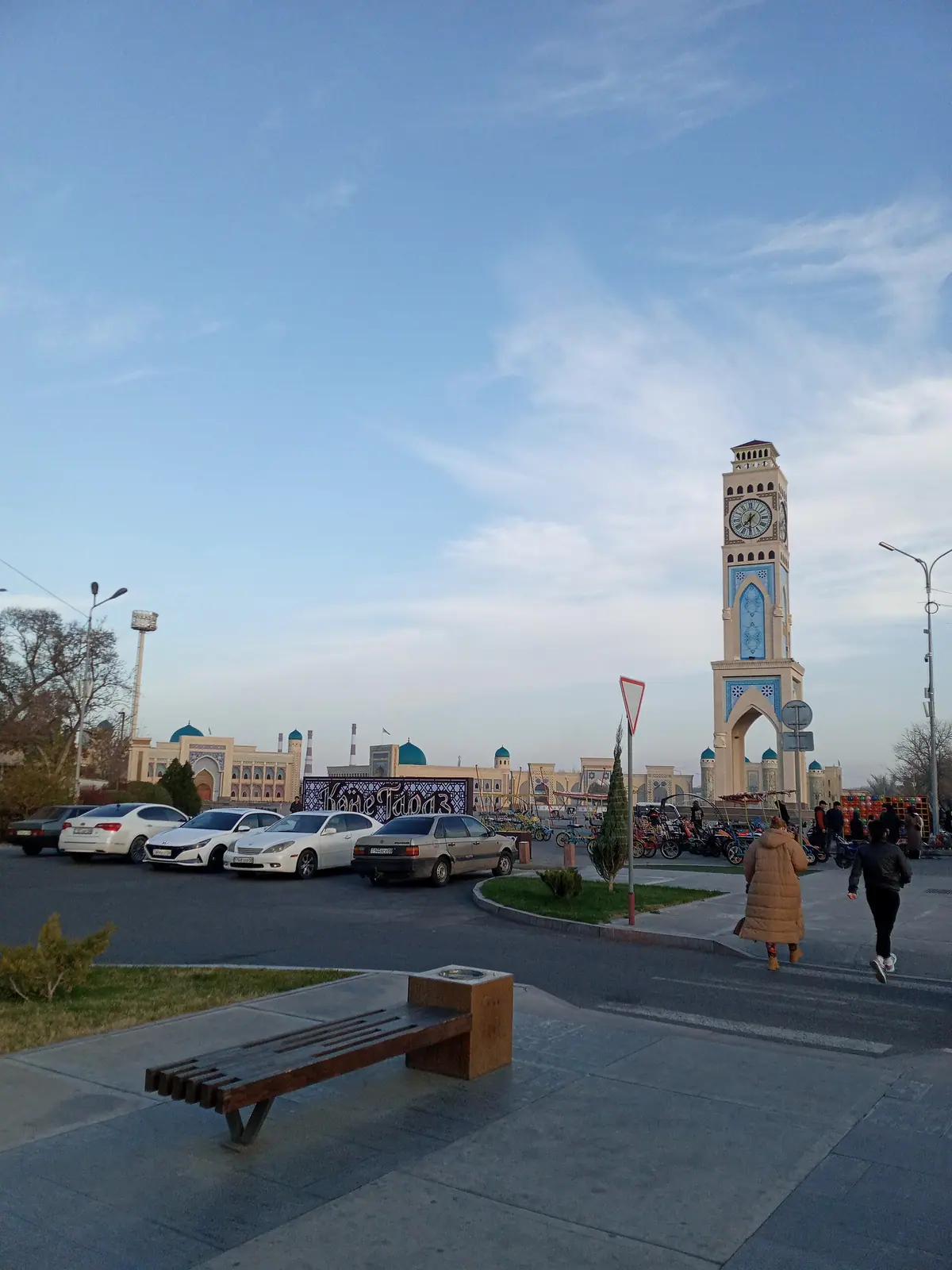
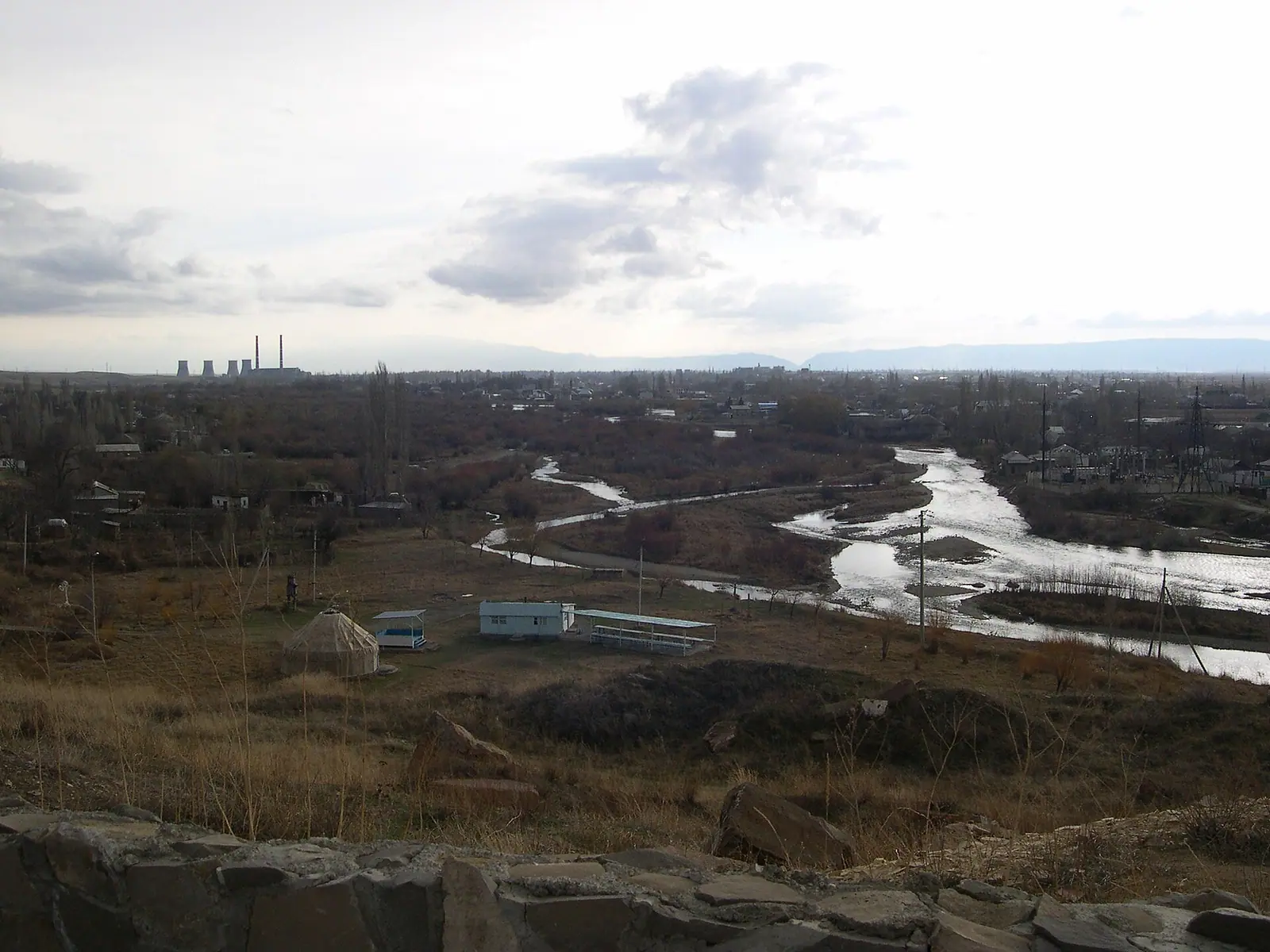
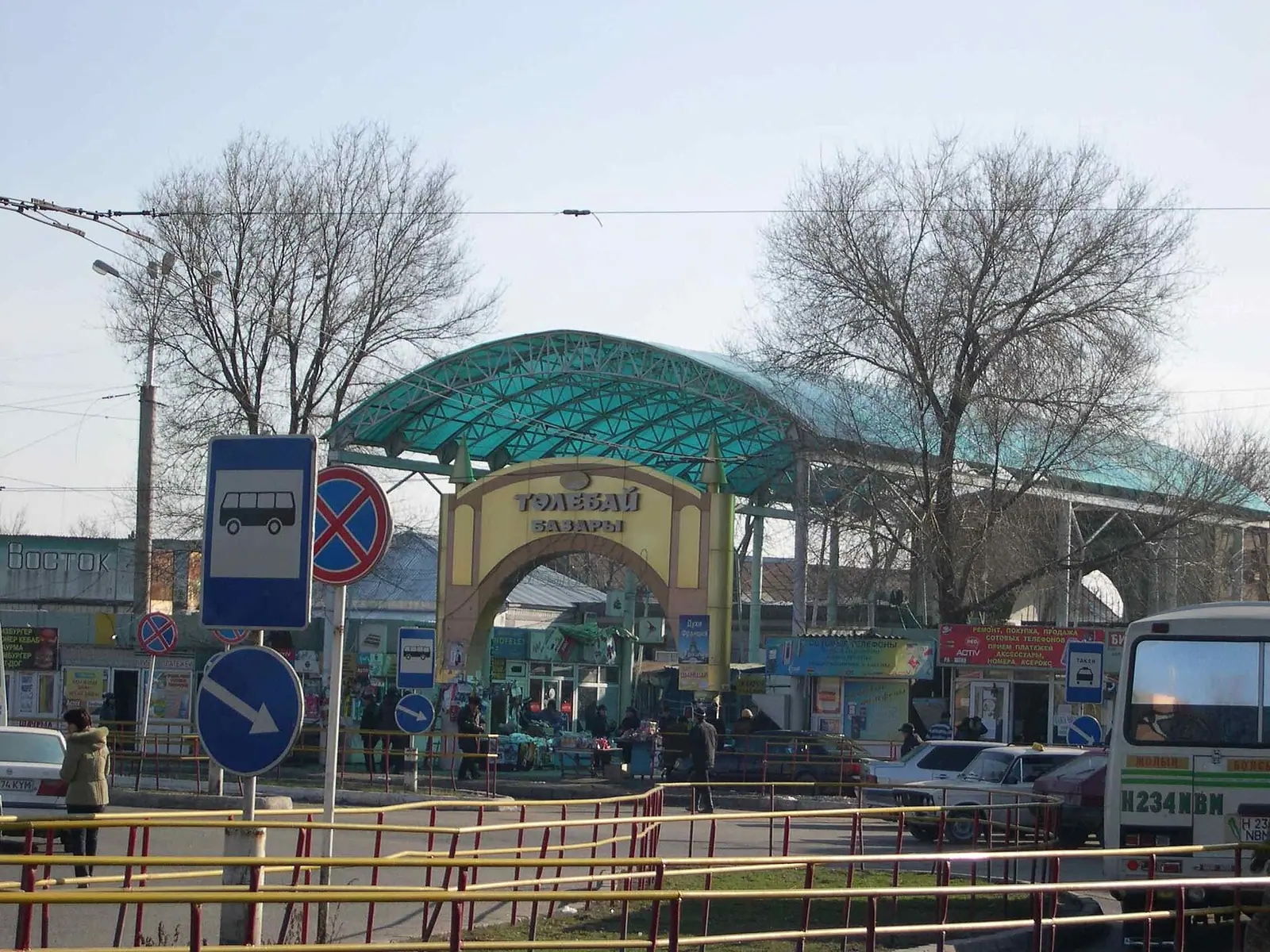
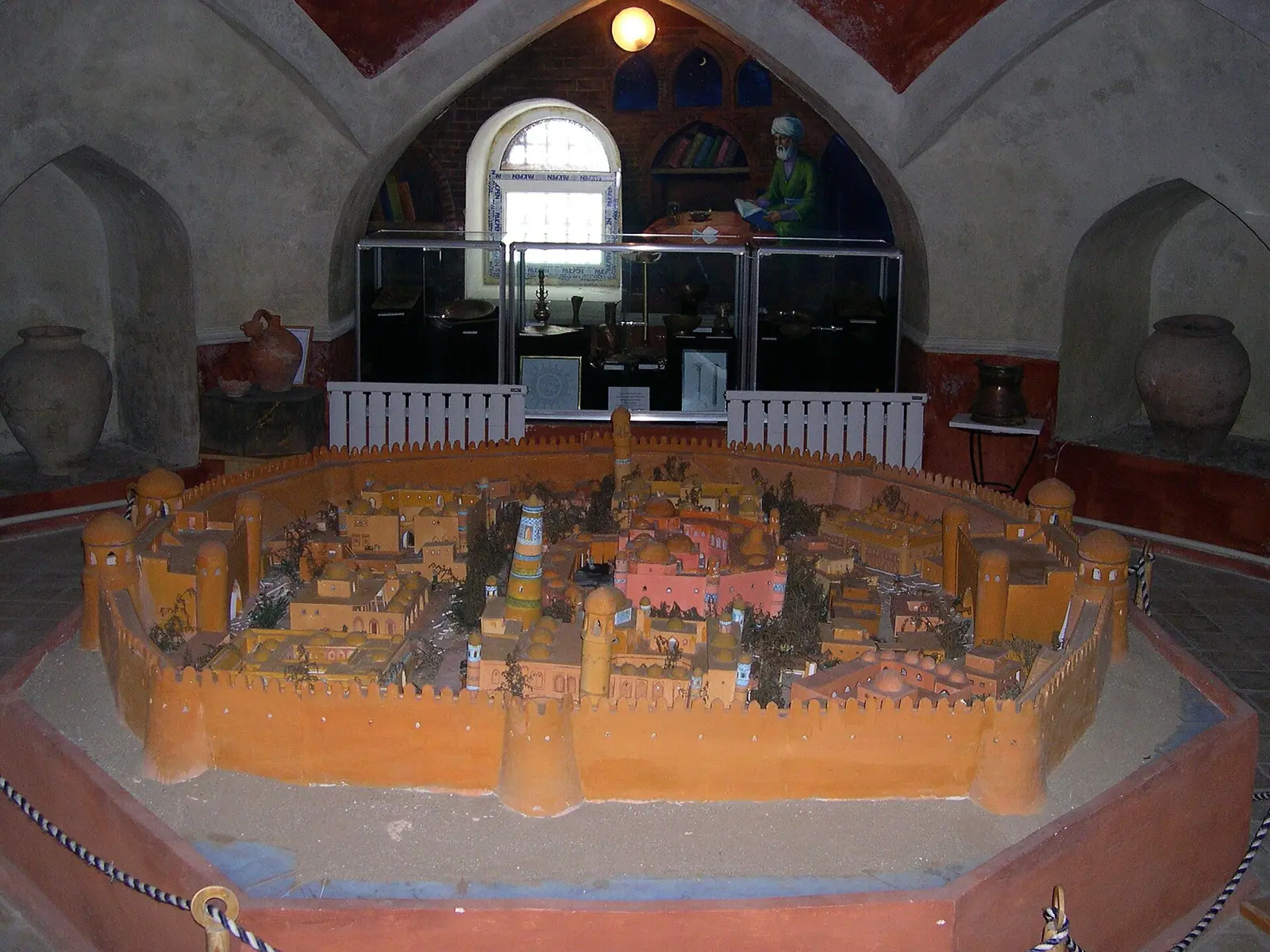
Real photos by travellers (Pexels, Unsplash, Wikimedia Commons); author and licence are given in each caption.
The main things to do in Taraz are its medieval mausoleums, above all Aisha Bibi about 18 km west of the city, the Karakhan mausoleum in the centre and the excavated old town shown in the Ancient Taraz museum. The city sits on the Talas River in the far south of Kazakhstan, close to the Kyrgyz border, about 450 km in a straight line from Almaty. Plan it as a history stop rather than a nature base.
Where Taraz is and what kind of trip it demands
Taraz is the administrative centre of Jambyl Region, on a plain in the Talas valley in southern Kazakhstan. It lies about 450 km in a straight line from Almaty and about 157 km in a straight line from Shymkent. Spurs of the Western Tien Shan rise to the south, and the Karatau mountains lie to the west.
This is a large working city, not a resort. Wikipedia gives about 428,000 people (April 2023), while Russian Wikipedia gives 488,598 for March 2026, so expect a city of roughly half a million. It has an airport, a railway station and bus stations, which makes it easy to reach without a car. Wikivoyage notes that waiters at one kebab house do not speak English.
The sights: mausoleums, a medieval bathhouse and the old city under a bazaar
Most of what Taraz offers a visitor is medieval architecture from the Karakhanid era, when the city was at its peak in the 11th–12th centuries. The table sorts the sights by how much effort they take. The central ones are in the city itself. Aisha Bibi needs a separate half-day out of town.
| Sight | Where | What it is |
|---|---|---|
| Aisha Bibi Mausoleum | Aisha Bibi village, 18 km west | 11th–12th-century tomb of a noblewoman, restored in 2002 |
| Babaji Khatun Mausoleum | Listed by Kazakh Wikipedia among the city’s mausoleums | Medieval mausoleum; we could not confirm the exact location |
| Karakhan Mausoleum | City centre, near the Dinamo stadium | Tomb linked to the Karakhanid ruler the city was once named after; restored for the 2001 jubilee |
| Ancient Taraz museum | Pedestrian section of Tole Bi avenue, opened 2019 | Shows the excavated medieval town |
| Medieval bathhouse (Taraz Banya) | Old town | Multi-domed building of fired brick |
| Tekturmas Mausoleum, Nametbai Mosque | City | Listed by Kazakh Wikipedia among the main sights |
| Dautbek Shamansur Mausoleum | City | By Wikivoyage, built under Genghis Khan for a Mongol governor |
| Presidential Park, Zhengis Park, main square | Tole Bi St 95 and centre | Gardens and evening walks |
| Sunday Animal Market | City | Hundreds of sheep, goats and cattle traded, by Wikivoyage (2018) |
The old town matters most here. Ancient Taraz lies under the former Green Bazaar and two other markets. These were moved to new sites in 2012–2014 so archaeologists could dig, and the pedestrian street known locally as the “arbat” now runs past the results.
Why the Silk Road past changes what you see
Taraz was a stop on the northern branch of the Silk Road, and its history explains why so much survives as foundations and tombs rather than standing streets. In 751 the Battle of Talas was fought somewhere along the Talas River, between Tang Chinese forces and the Abbasid Caliphate. One indirect result, according to Wikipedia, was that paper reached the West through captured Chinese papermakers.
Under the Karakhanids the city had terracotta water pipes, paved streets and sewage collection. The Mongols razed it in 1220, and excavations found traces of the fire. In the mid-19th century the city took the name Aulie-Ata. It was renamed Mirzoyan in 1936, Dzhambul in 1938 and Jambyl in 1993, and became Taraz again in 1997.
The city marked its 2,000th anniversary in 2001, a date recognised by UNESCO. Kazakh Wikipedia gives 2002 instead. The 2,000-year figure rests on a fortress built here in the 1st century BCE. The first record of a city called Talas dates from 568 CE.
Getting to Taraz and around without a car
Taraz is one of the easier places in southern Kazakhstan to reach by public transport. The catch is that some of the details below are several years old. The table gives the options as Wikivoyage describes them.
| From | How | Time | Note |
|---|---|---|---|
| Almaty | Marshrutka (minibus) between Taraz’s main bus station (north-east of the city) and Sayran station in Almaty | About 6 hours | Arrives at Sayran station in Almaty; one toilet stop (2019) |
| Almaty, Astana | Flight to Taraz Airport (DMB) | Not stated | Also flights from Yekaterinburg (2020) |
| Astana | Talgo high-speed train | About 12 hours | |
| Almaty, Shymkent | Slower trains on the same line | Not stated | Third class is crowded |
| Shymkent, Bishkek | Collective taxi from the station in the north of the city | Not stated |
The railway station is about 2 km south of the centre, and Wikivoyage names bus 47 as the link. Local bus drivers are described as helpful. As of September 2024 all Kazakh carriers had 4G in the city.
When to go to Taraz
May and September are the most comfortable months for walking between sights, with daytime highs around 25 °C and cool nights. The figures below are computed ERA5 normals for 2011–2020 at a grid point at 639 m, not readings from a weather station.
Day high, °C / Night low, °C · Rain/snow, mm
A computed reanalysis normal for these coordinates, not weather station records.
Monthly figures
| Month | Day high, °C | Night low, °C | Rain/snow, mm |
|---|---|---|---|
| Jan | 1.3 | -7.3 | 34.1 |
| Feb | 2.8 | -7 | 34.1 |
| Mar | 11.9 | 0.7 | 50.4 |
| Apr | 19.2 | 6.8 | 58.2 |
| May | 26 | 11.7 | 32.8 |
| Jun | 31.2 | 16.5 | 21.6 |
| Jul | 33.7 | 18.6 | 5.8 |
| Aug | 31.9 | 16.7 | 7.7 |
| Sep | 25.8 | 10.8 | 6.7 |
| Oct | 17.2 | 4.2 | 31.7 |
| Nov | 6.4 | -3.8 | 43.7 |
| Dec | 1.7 | -7 | 29.1 |
April and October are also pleasant, at around 17–19 °C by day. April is the wettest month, with about 58 mm of rain, so pack a layer. June to August is hot and very dry: July averages 33.5 °C by day with under 6 mm of rain, and Wikipedia records a peak of +43.7 °C. Winter days hover around 2–4 °C, with nights near −7 °C. Wikipedia also notes wind gusts of up to 30–32 m/s, so an exposed site like Aisha Bibi can feel harsher than the numbers suggest.
Taraz as a base: Turkistan, Otrar and the mountains
For longer trips, Taraz is a stepping stone west along the old caravan route rather than a hub for day trips. The big Silk Road sites are about 250–300 km away in a straight line, which means a full day each way by road. Treat them as the next stop, not an excursion. Two components of the Silk Roads World Heritage listing lie close to town: Kostobe and Akyrtas.
- Turkistan, about 257 km in a straight line, has the Khoja Ahmed Yasawi mausoleum.
- Otrar and the nearby Arystan Bab mausoleum are about 250 km away.
- Sauran, a walled medieval city, is about 300 km away.
- Saryagash, a mineral-water spa town, is about 240 km away.
Shymkent is the natural next city to the southwest. The Western Tien Shan foothills south of Taraz and the Karatau range to the west are close on the map. We could not confirm specific trails, reserves or transport into them, so do not plan a nature day around Taraz without checking locally.
What else to know before you go
Air quality can be an issue. Wikipedia reports that three large phosphorus plants made the city heavily smoky. Conditions improved when they stopped in the 1990s and worsened again once they restarted. If you are sensitive to air pollution, keep that in mind before planning a long stay.
The city is split by the railway into two districts: Aulie-Ata, which includes the historic centre, and Zhibek Zholy. The Karakhan mausoleum and the Ancient Taraz museum on Tole Bi avenue are in the historic part of the city.
- Current opening hours and entry rules for the Aisha Bibi and Karakhan mausoleums and the Ancient Taraz museum
- Whether any public transport runs to Aisha Bibi village
- Current flight routes into Taraz Airport (details date from 2020)
- Location and current schedule of the Sunday Animal Market
- Accessible trails or reserves in the Western Tien Shan foothills and Karatau near Taraz
Frequently asked questions
Is Taraz worth visiting?
How far is the Aisha Bibi Mausoleum from Taraz?
How do I get from Almaty to Taraz?
What was Taraz called before?
How old is Taraz?
Sources
Read also
 Things to do in Taldykorgan, and how the city works as a base for Jetisu nature
 Things to do in Oskemen, the river city at the edge of the Altai
 Things to do in Almaty: 10 places, a one-day plan and three days without a car
 Things to do in Konaev, the reservoir town north of Almaty
 Things to do in Kyzylorda, the desert city on the Syr Darya
 Things to do in Astana: Khan Shatyr, Baiterek, the pyramid and a one-day plan