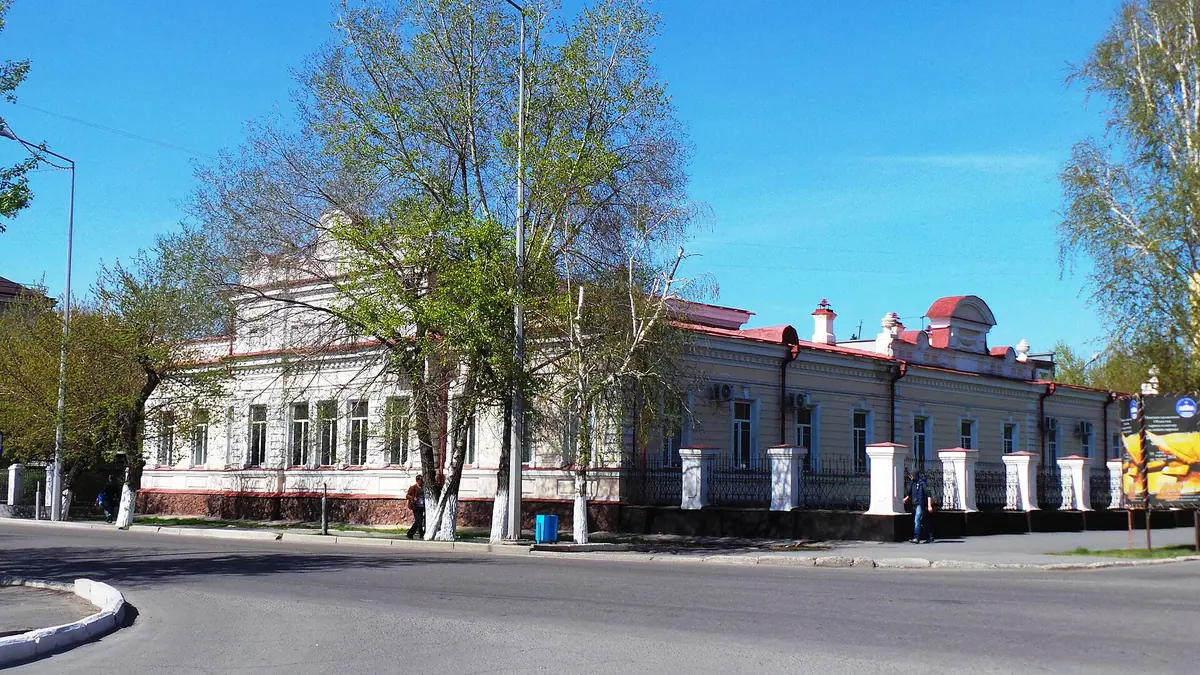
Things to do in Semey, the Irtysh city of Abai and Dostoevsky in photos
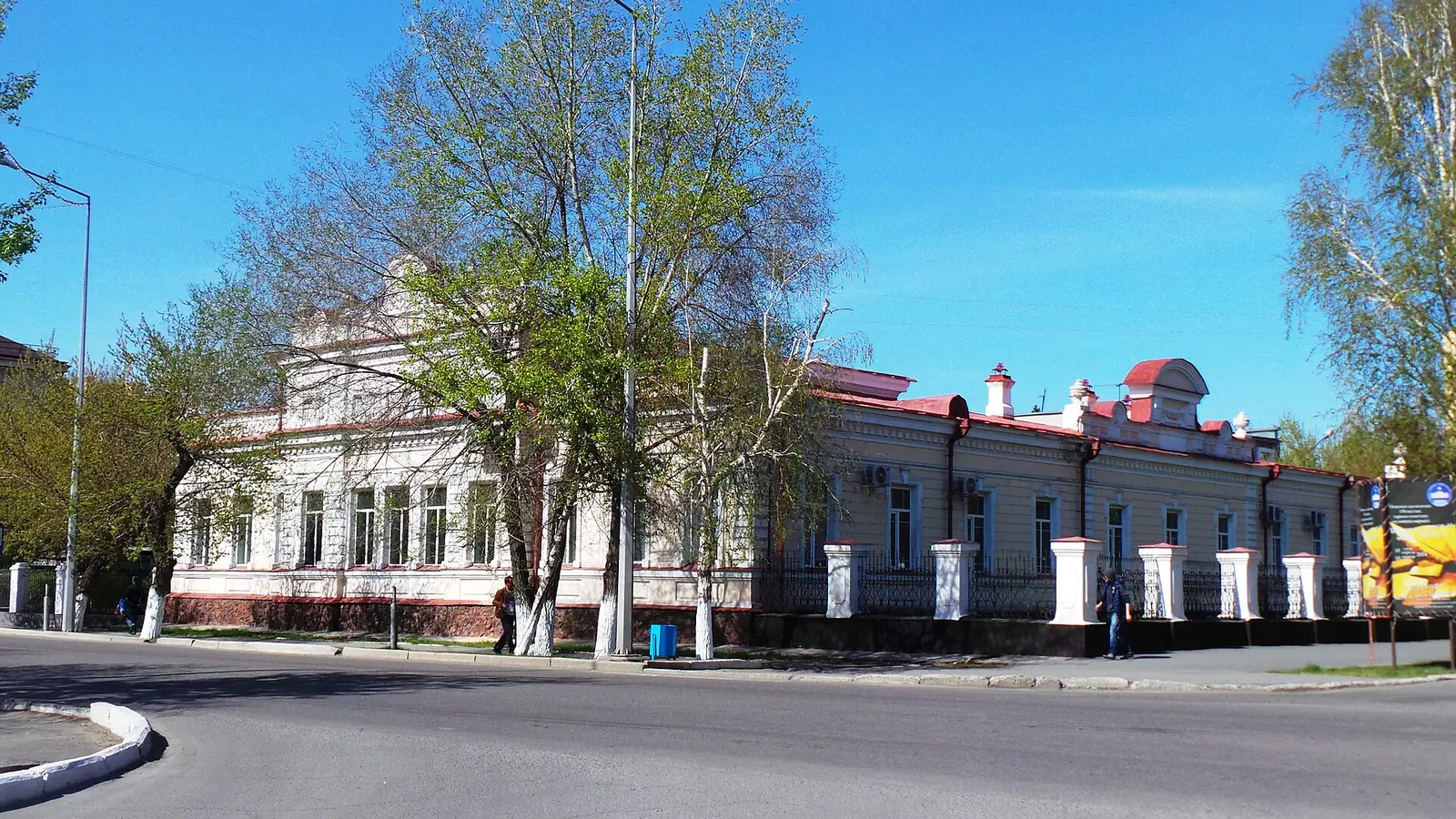
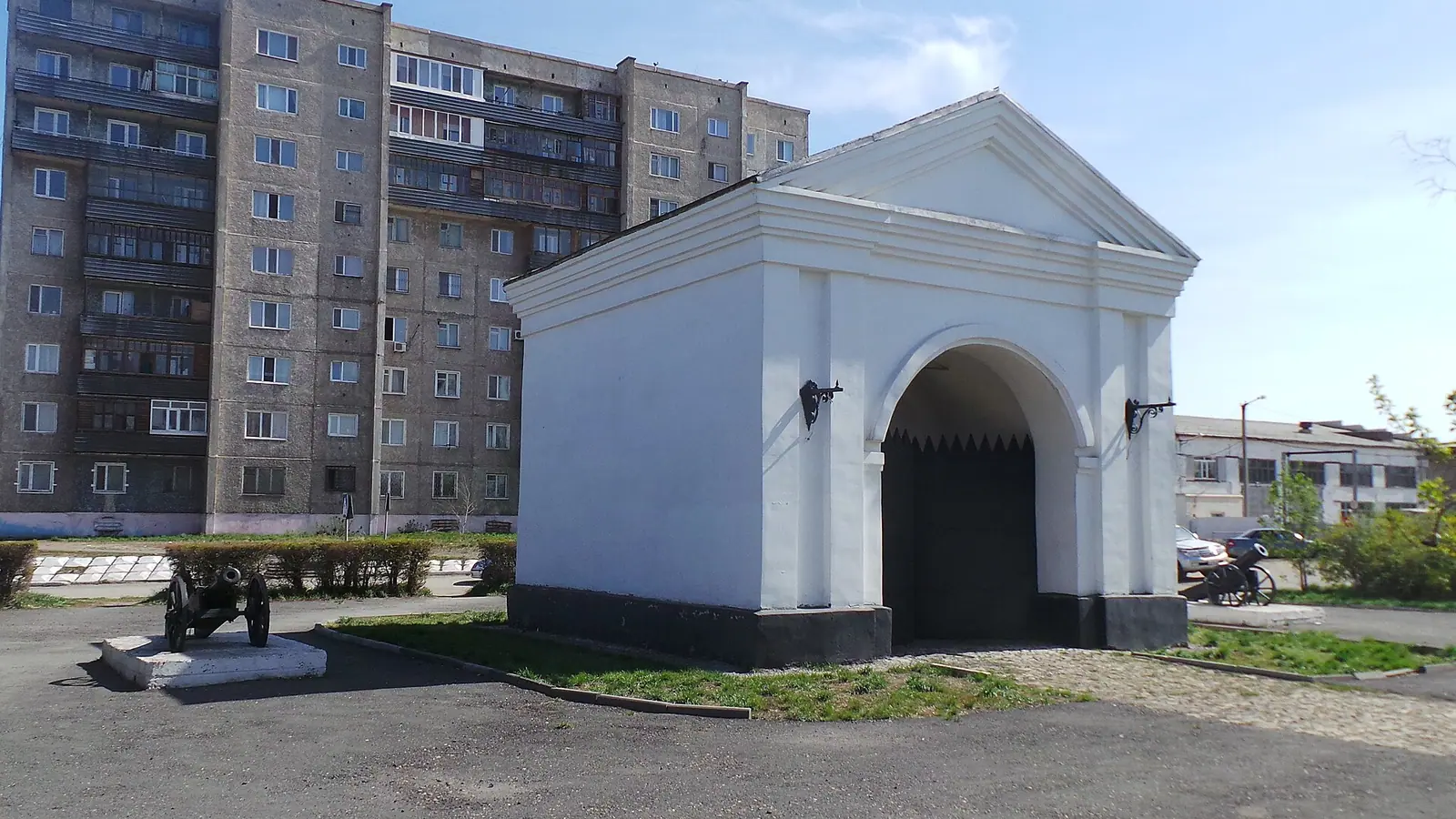
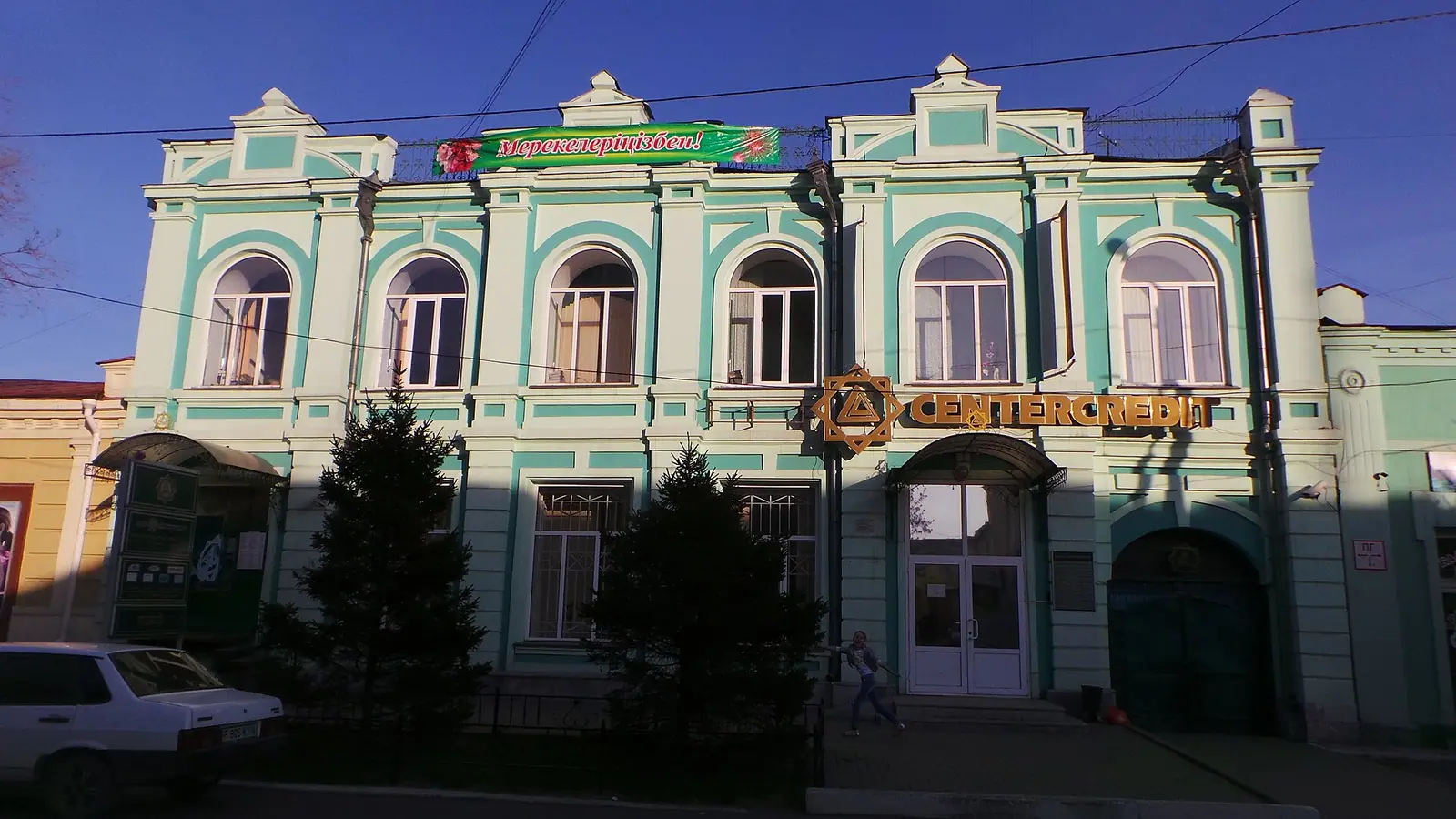
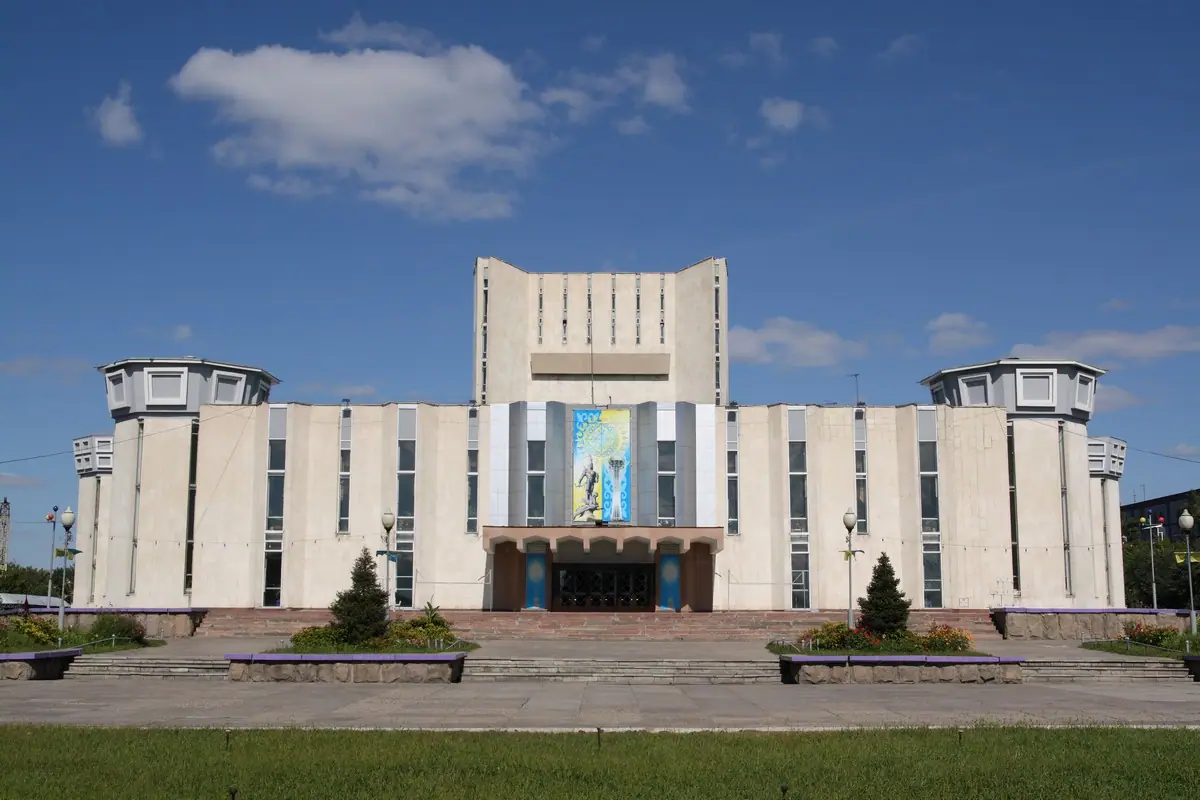
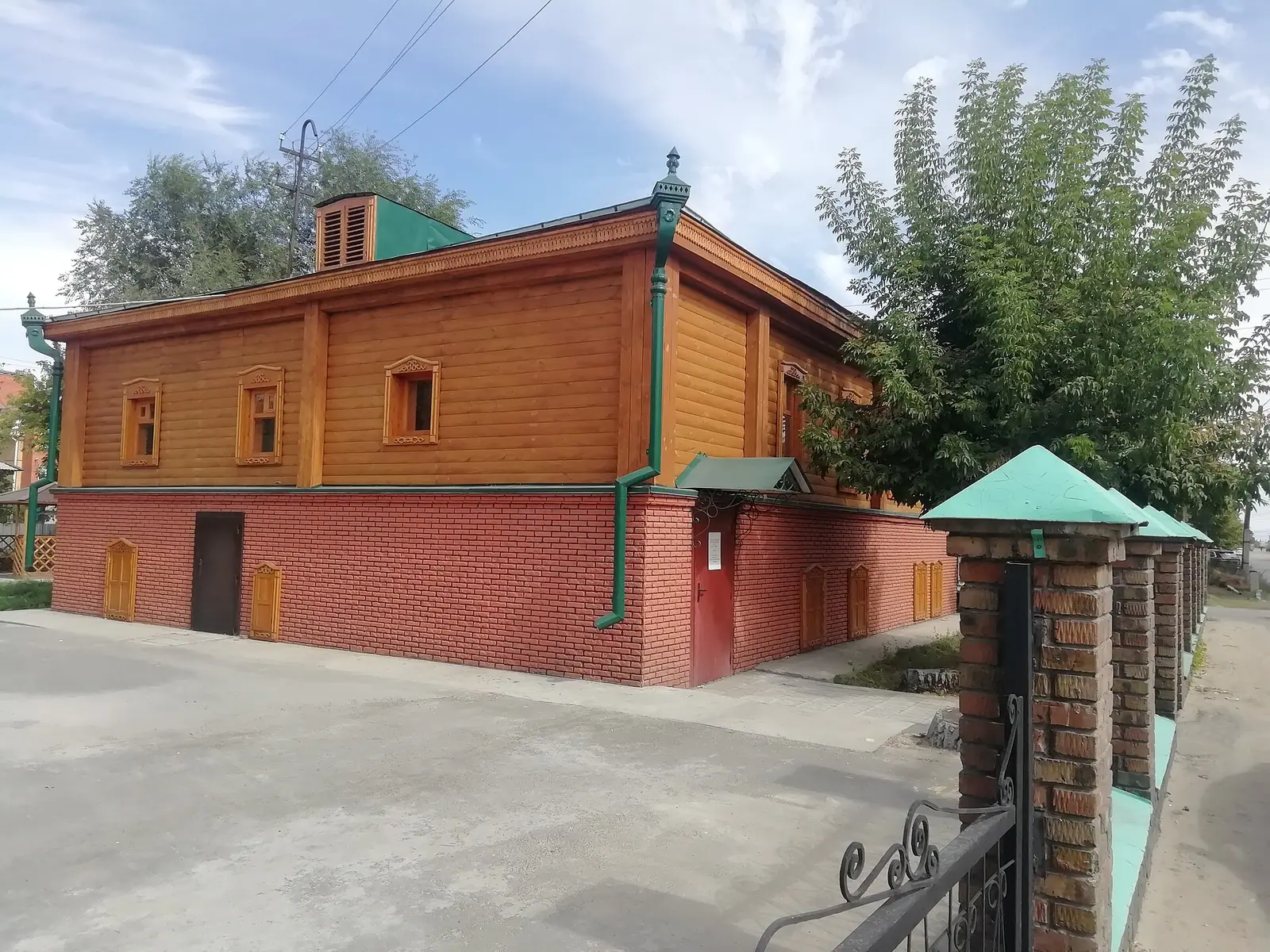
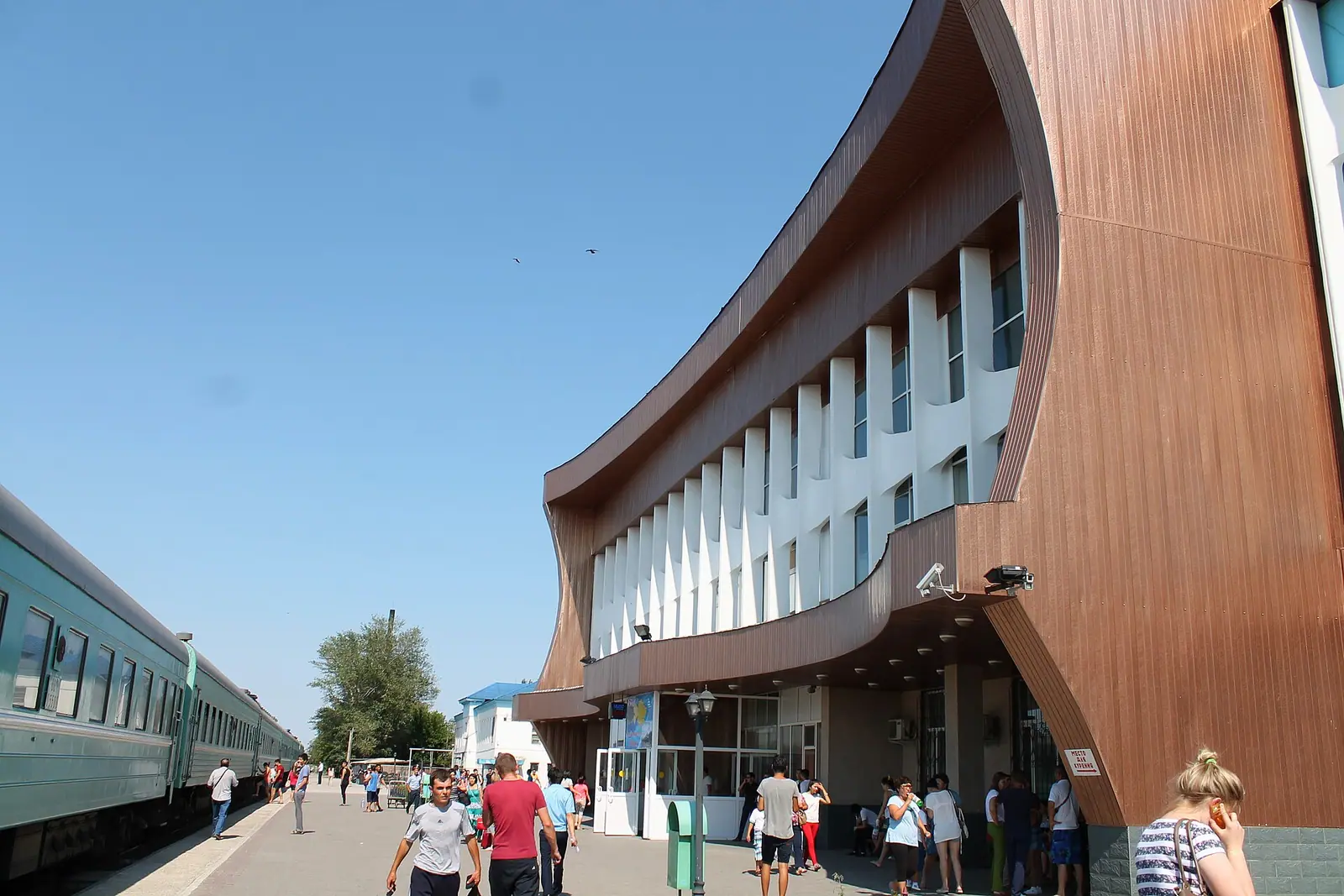
Real photos by travellers (Pexels, Unsplash, Wikimedia Commons); author and licence are given in each caption.
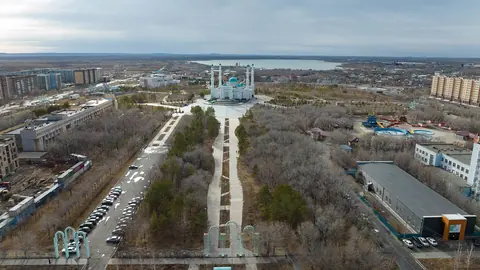
Semey is a city of around 300,000–350,000 people on both banks of the Irtysh River in north-eastern Kazakhstan, about 1,000 km north of Almaty according to Wikipedia. The main things to do are literary museums devoted to the poet Abai and the exiled novelist Dostoevsky, a memorial to the victims of nuclear testing, and a long suspension bridge. It suits a one- or two-day city stop rather than a nature trip.
Where Semey is and what kind of trip it demands
Semey lies in north-eastern Kazakhstan, far from Almaty. It is about 1,000 km north of Almaty by English Wikipedia and 740 km east of Astana by Russian Wikipedia. The border crossing into Russia is 125 km to the north-east. Since 8 June 2022 it has been the administrative centre of the new Abai Region.
The city was founded as a Russian fort in 1718 and was called Semipalatinsk, after seven Buddhist temple buildings that stood nearby. It was renamed Semey in 2007. The city council said the old name was too closely tied to the nuclear test site. Wikipedia notes that Semey is said to have a more Russian character than other Kazakh cities. For a visitor this is practical information as well as history, because museum labels and guides are mostly in Kazakh or Russian.
Population figures vary by source: about 312,764 (by English Wikipedia, citing the statistics office), 323,721 in 2019 (Kazakh Wikipedia), over 328,000 (Russian Wikipedia) and over 350,000 elsewhere in English Wikipedia. In any case it is the ninth-largest city in Kazakhstan, with a medical university and a student population.
What to see in Semey: museums, the bridge and the fortress gate
The sights are compact and literary. Most of them stand on or near Internacionalnaya Street and the river. The opening hours below come from Wikivoyage listings, some last updated in 2021, so check them before you go.
| Sight | What it is | Hours listed |
|---|---|---|
| Dostoevsky Museum, Dostoevsky St 118 | House where the novelist lived in exile; opened 7 May 1971 | Mon–Sat 09:00–18:00 |
| Abai Museum, Internacionalnaya St 29 | Literature museum of the poet Abai Qunanbaiuly | Tue–Sun 10:00–18:00 |
| Nevzorov Family Museum of Fine Arts, Pushkina St 108 | Over 3,500 artworks, called the largest art museum in Kazakhstan | Tue–Sat 10:00–17:30 |
| Stronger Than Death memorial, Polkovnichiy Island | Monument to the victims of nuclear testing | not listed |
| Semey Bridge | Suspension bridge, 750 m main span, 1,086 m long | open road |
| Jamyshevskie Vorota, Abai St 111A | The gate that survives from the old fortress | not listed |
The table shows that the Abai and Dostoevsky museums close on different days: Monday for Abai, Sunday for Dostoevsky. Tuesday to Saturday is the only window to see both.
The Dostoevsky museum is, by Wikipedia, the only one of seven museums devoted to the writer that lies outside Russia. He lived in Semipalatinsk from 1854 to 1859 and wrote parts of Notes from the House of the Dead and Uncle’s Dream here. Wikivoyage dates his stay in the house itself to 1857–1859. It also notes that the museum is easier to enjoy if you know some Kazakh or Russian.
Abai Qunanbaiuly, poet, composer and philosopher, studied and lived in the city. Russian Wikipedia says Semey is considered Kazakhstan’s cultural capital because many of its natives helped found Kazakh culture. The writer Mukhtar Auezov and the geologist Kanysh Satpayev studied at the teachers’ seminary that opened here in 1903.
The bridge opened in November 2000 according to English Wikipedia, and in 2001 according to Russian Wikipedia. Wikivoyage recommends seeing it lit up at night, or in cold weather when steam rises off the river. Other stops include Victory Park with its tanks, a zoo called the Biological Center on the same island as the memorial, and the Old Fortress site, which is now a recreation spot. Wikivoyage describes Central Park as rather neglected.
The Semipalatinsk Test Site: what the city remembers
The first Soviet nuclear test took place on the steppe west of the city on 29 August 1949. Testing continued until 1989, with 456 nuclear tests in total. English Wikipedia breaks them down as 340 underground and 116 atmospheric. The site closed in 1991 under pressure from the Nevada–Semipalatinsk movement led by the poet Olzhas Suleimenov.
Sources disagree on the distance from the city to the test site. Russian Wikipedia gives 130 km, English Wikipedia 180 km, and Wikivoyage about 150 miles. English Wikipedia reports high rates of cancer, childhood leukaemia and birth defects in villages near the site, linked to fallout and worker exposure.
The Stronger Than Death memorial on Polkovnichiy Island is the place in the city to reflect on this history. We could not confirm whether the former test site itself can be visited, on what terms, or with what precautions, so do not plan a trip there from this page.
Getting to Semey without a car
You can reach Semey by plane or train, so a car is not essential for a city visit. These are the options the sources list.
| Mode | Connections listed | Note |
|---|---|---|
| Air, Semey Airport (PLX) | Almaty, Astana | listed March 2025 |
| Train, Turkestan–Siberia line | Almaty, Astana via Pavlodar, Novosibirsk, Barnaul | schedules not confirmed |
| Road, M38 highway | Omsk – Maykapshagay route through the city | road conditions not confirmed |
Flights connect Almaty and Semey. The rail line links the city to both Kazakhstan and Siberia, but we could not confirm journey times or how often trains run. Nearby cities for onward travel include Oskemen (about 178 km in a straight line), Pavlodar (about 308 km) and Karaganda (about 512 km).
As of September 2024, Wikivoyage reports 4G from Beeline and Kcell and 5G from Tele2, with mostly good signal on the approach highways. That helps with translation apps if you have no Russian.
When to go to Semey
Late spring to early autumn is the comfortable window. Winters are long and severe. The figures below are computed ERA5 reanalysis normals for 2011–2020 at a grid point at 183 m, not readings from a weather station.
Day high, °C / Night low, °C · Rain/snow, mm
A computed reanalysis normal for these coordinates, not weather station records.
Monthly figures
| Month | Day high, °C | Night low, °C | Rain/snow, mm |
|---|---|---|---|
| Jan | -11.2 | -20 | 14.8 |
| Feb | -8.2 | -18.4 | 17.1 |
| Mar | 1.4 | -8.8 | 27 |
| Apr | 15.6 | 2.2 | 19.8 |
| May | 21.2 | 7.5 | 24.7 |
| Jun | 27.6 | 14.8 | 26 |
| Jul | 28.6 | 16.3 | 43.7 |
| Aug | 27.2 | 13.5 | 27.5 |
| Sep | 20.2 | 6.8 | 22.9 |
| Oct | 11 | 0.7 | 34.4 |
| Nov | -0.9 | -9 | 31.9 |
| Dec | -7.2 | -15.7 | 23.1 |
June to August brings average highs of about 27–28 °C and nights of 15–17 °C. July is the warmest and also the wettest month, at about 44 mm. May and September both average highs near 20–21 °C, with chilly nights around 8 °C, which is good walking weather for the riverside and the museums. From November to March, average daytime highs stay below freezing. In January the average high is −11 °C and the average low is −20 °C.
The extremes are wider still. Wikipedia gives a record low of −48.6 °C (November 1910) and a record high of 42.5 °C (August 2002). Over 35 winters of station records, Semey, Oskemen and Pavlodar reached −40 °C more often than any other Kazakh city (where Kazakhstan hits −40°C). A winter visit is possible, but check museum hours first, if you want to see steam over the river from the bridge, but come prepared for deep cold. Local football club Elimei Semey play in the top division from March to November at the 8,000-seat Spartak Stadium near the bridge.
Semey as a base for nature trips
Semey is a weak base for nature trips. The main natural feature near the city is the Irtysh itself, along with the ribbon pine forest that Russian Wikipedia places in the surrounding area. We could not confirm how to reach the forest or which parts of it are open to visitors.
The site’s other nature destinations are all several hundred kilometres away. Lake Zaysan is about 383 km in a straight line and the Rakhmanov springs in the Altai about 459 km. Lake Balkhash is about 583 km away. Oskemen is about 178 km from Semey in a straight line. Treat Semey as a cultural stop on a route through eastern Kazakhstan rather than a hub for day trips. If you have one trip to Kazakhstan and want canyons and mountains, Charyn Canyon near Almaty is about 786 km from here and needs a separate plan.
Zhidebay, with Abai’s house museum and the Abai and Shakarim mausoleums, is 180 km from the city.
- Current museum opening hours and entry rules: the listings date from 2021 or carry no update date.
- Whether the former Semipalatinsk Test Site can be visited, and under what conditions.
- Train timetables and journey times from Almaty and Astana, and whether intercity buses run.
- How to reach the ribbon pine forest near the city and which parts are open to visitors.
- Current flight frequency at Semey Airport (PLX).
Frequently asked questions
Is Semey the same city as Semipalatinsk?
How far is Semey from Almaty?
Can I visit the Semipalatinsk nuclear test site from Semey?
Do I need Russian or Kazakh in Semey?
Why is Dostoevsky connected to Semey?
Sources
Read also
 Aktau, Kazakhstan: what to do in the Caspian port city and the desert around it
 Aktobe, Kazakhstan: what to see, the weather by month and trips into the steppe
 Almaty weather by month: temperature, rain, snow and what to pack
 Astana weather by month: how cold it gets, wind and frost
 Atyrau, Kazakhstan: weather, sights and what the city works for as a base
 Karaganda, Kazakhstan: what to see in the coal city and when to come