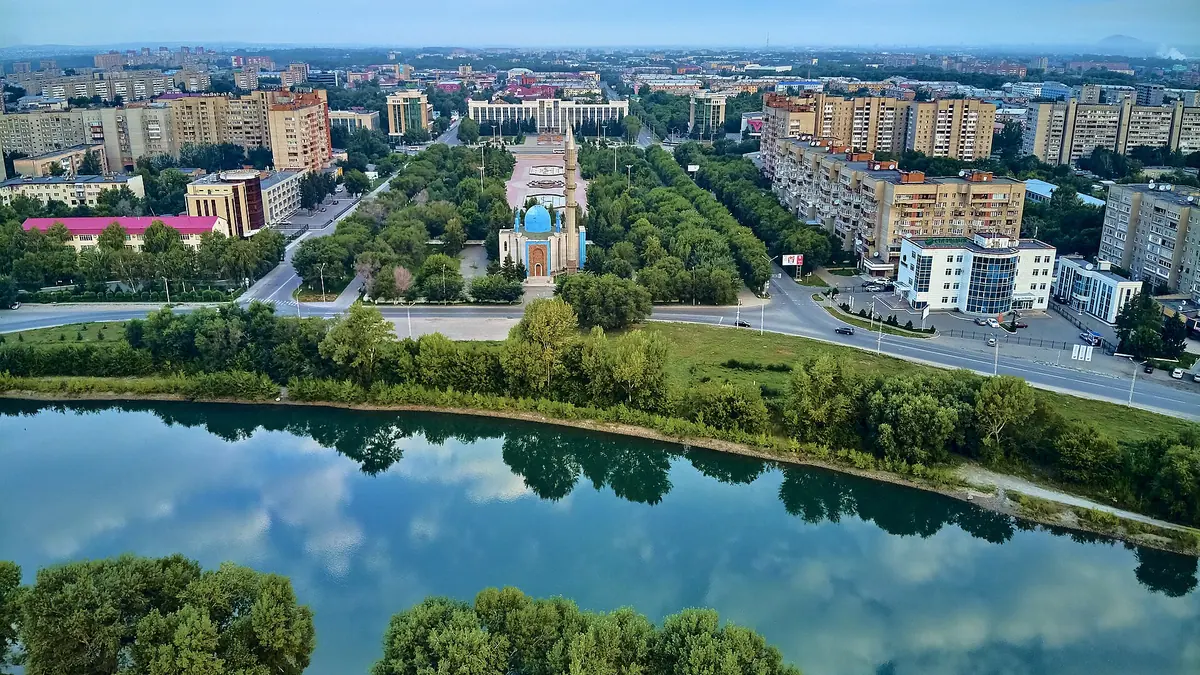
Things to do in Oskemen, the river city at the edge of the Altai in photos
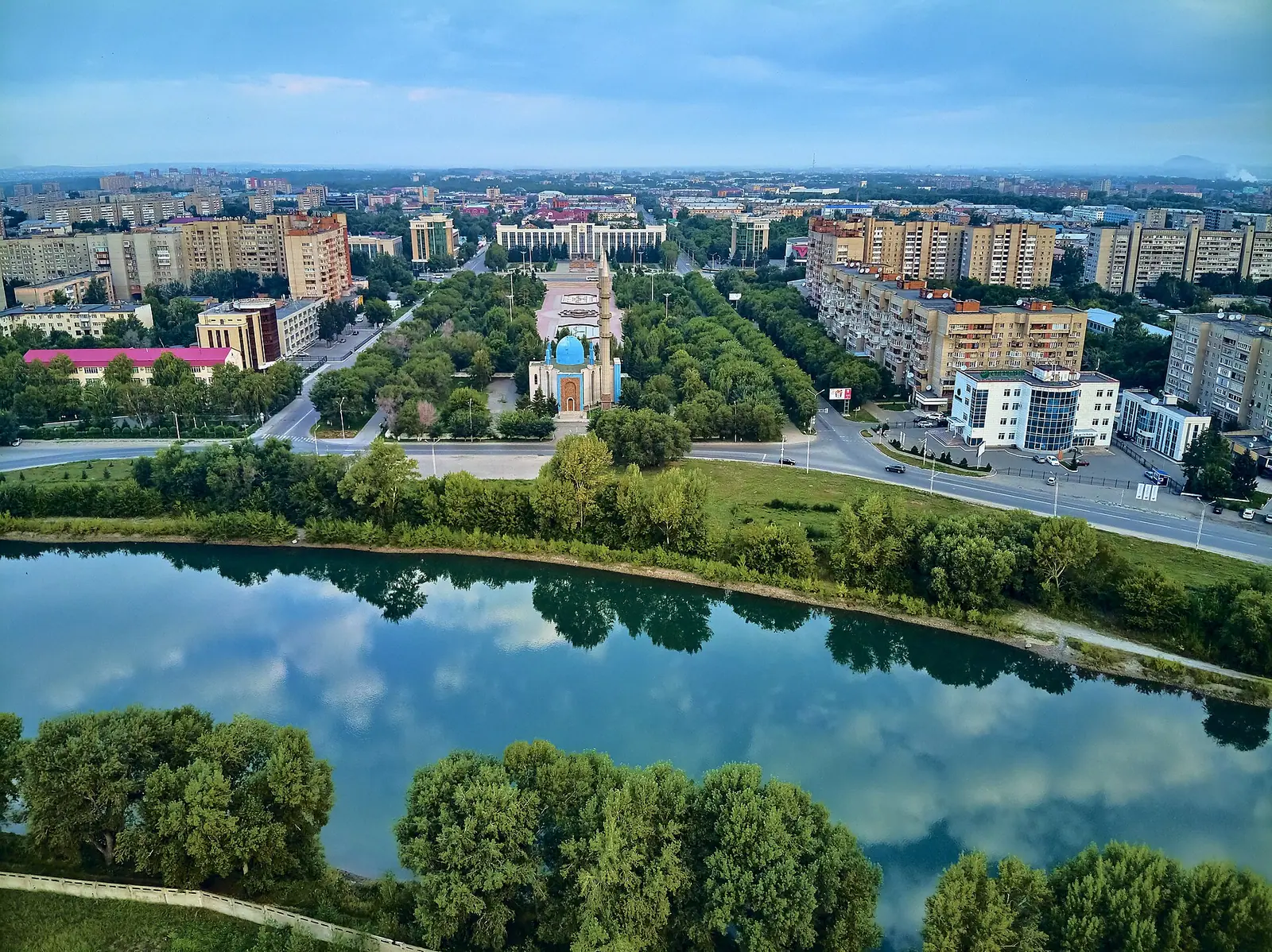
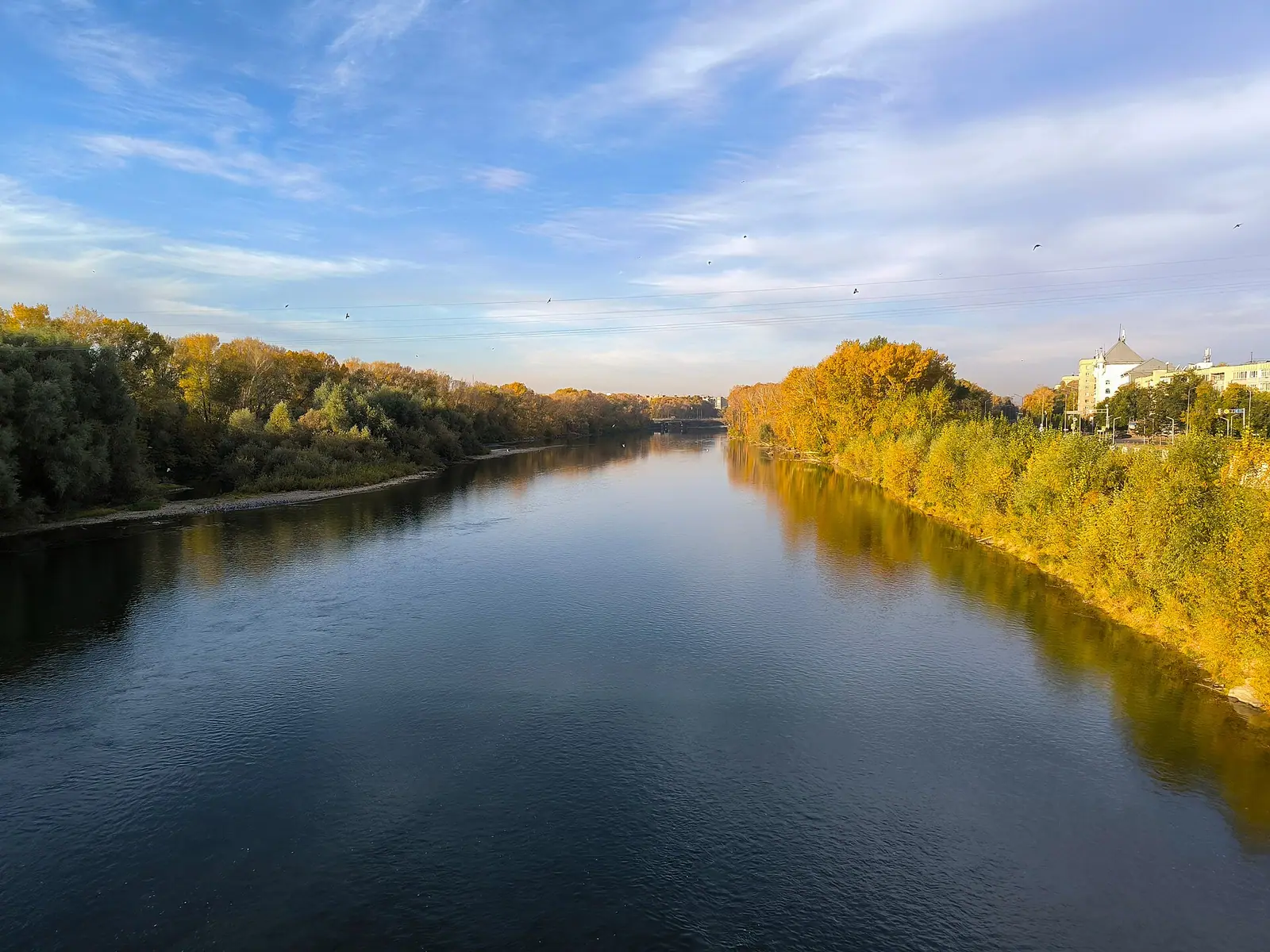
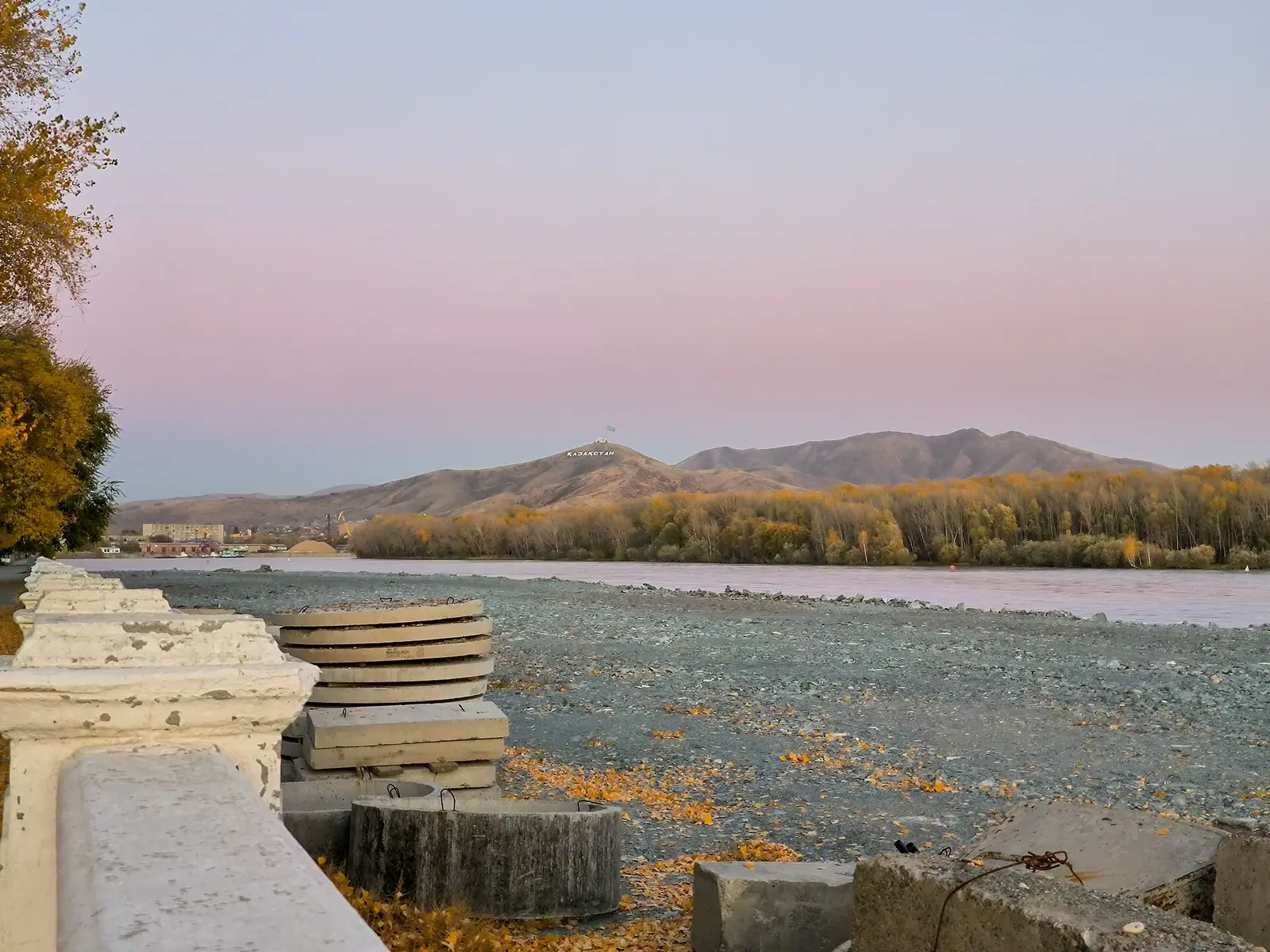
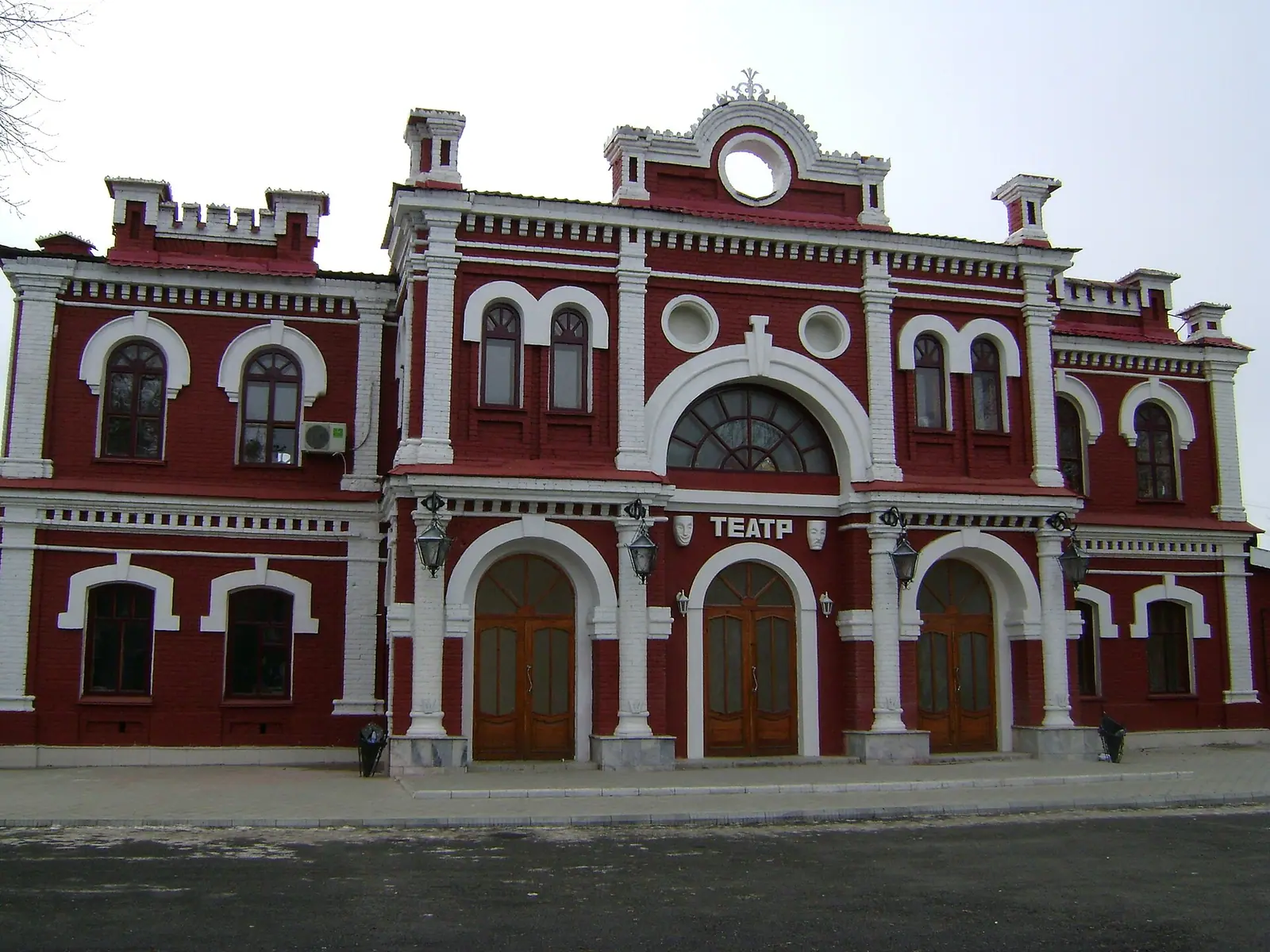
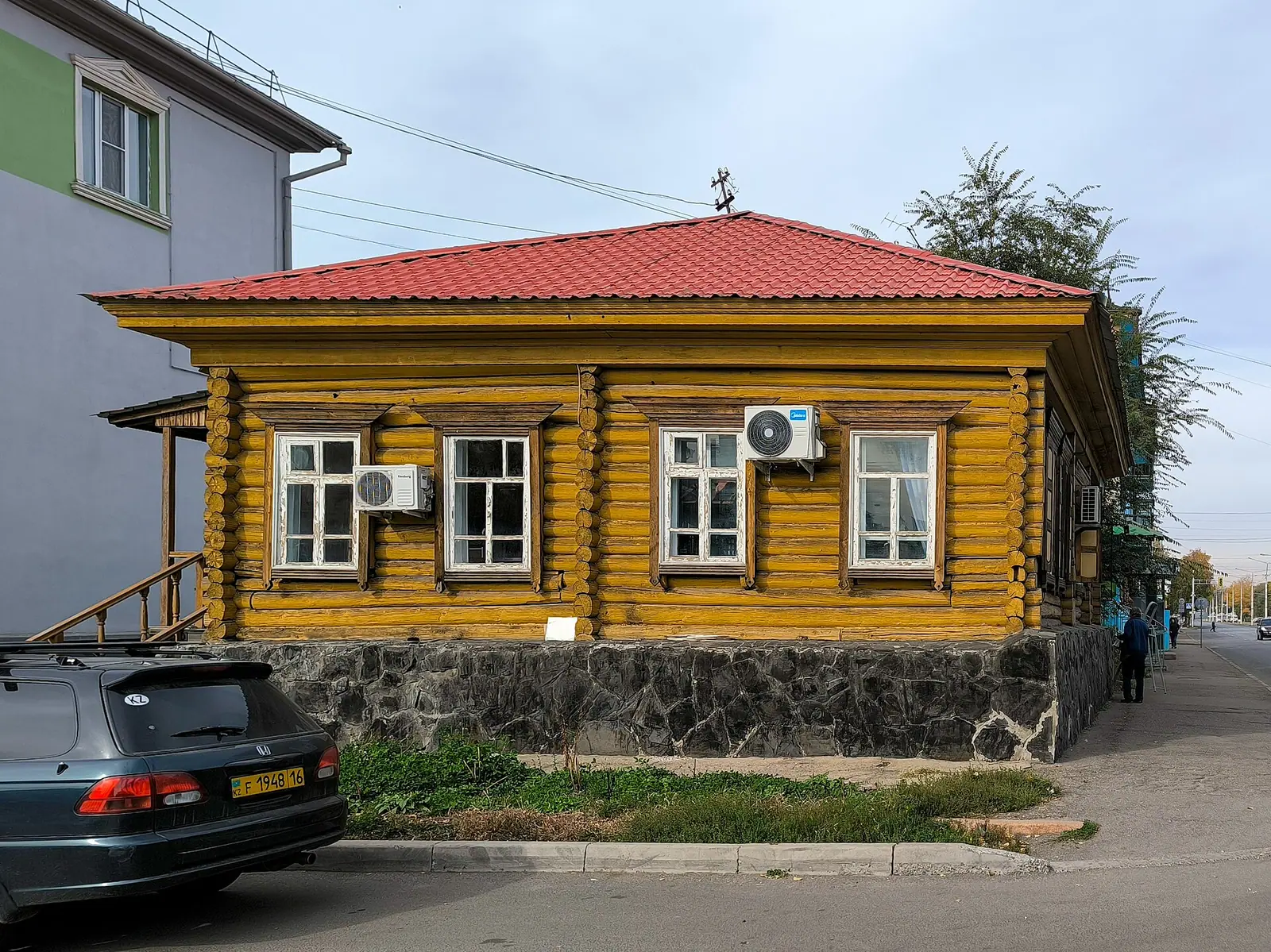
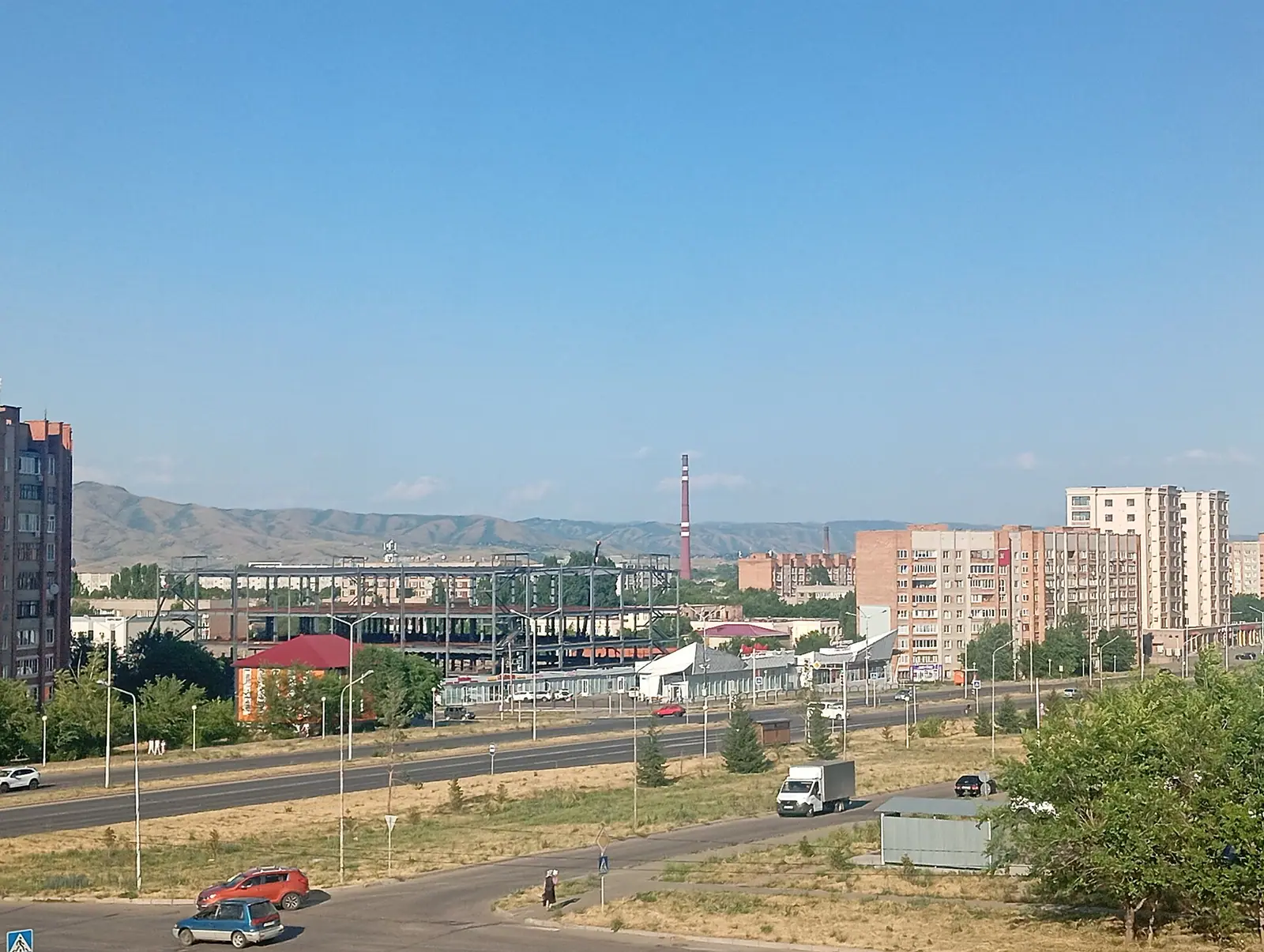
Real photos by travellers (Pexels, Unsplash, Wikimedia Commons); author and licence are given in each caption.
The main things to do in Oskemen sit along its two rivers: the Strelka spit where the Ulba joins the Irtysh, the riverside promenade, a cluster of museums and a large open-air Etno Park. Most visitors use the city for a day or two, either for the city itself or as a base for East Kazakhstan and the Rudny Altai. It is a long way from Almaty, and the trip is easiest in summer.
Where Oskemen is and what kind of trip it demands
Oskemen is the largest city in eastern Kazakhstan and the capital of the East Kazakhstan Region. It lies at the confluence of the Ulba and the Irtysh, about 280 km west of Mount Belukha, the highest point of the Altai, according to Russian-language Wikipedia. The same source puts it 947 km from Astana.
The city has two names in daily use: Oskemen in Kazakh and Ust-Kamenogorsk in Russian. Timetables, tickets and maps may use either, so learn both before you book. It began in 1720 as a Russian fort, built on Peter the Great’s orders during a search for gold on the upper Irtysh, and became a town in 1868.
For a foreign traveller this is a city of real streets rather than a resort. Russian Wikipedia gives a population of 372,694 for the start of 2023; Wikivoyage gives about 350,000. Expect a mostly Russian- and Kazakh-speaking environment. We could not confirm how much English signage or English-speaking service exists.
The main sights in Oskemen are by the water and in the museums
Start at Strelka, the arrow of land where the two rivers meet. It holds the Great Patriotic War Memorial, and Wikivoyage describes it as a busy place on warm evenings. The promenade along the Irtysh, known locally as the Naberezhnaya, leads up to it.
The table lists the main sights with the hours Wikivoyage gave in February 2021. Those hours are several years old, so check them locally before you plan a museum day around them.
| Sight | What it is | Hours (Wikivoyage, 2021) |
|---|---|---|
| Strelka | Confluence of the Irtysh and Ulba, war memorial | Open space |
| Irtysh promenade | Riverside walk leading to Strelka | Open space |
| East Kazakhstan Museum of Art | Art collection, Tokhtarova St 56 | Daily 09:00–18:00 |
| Museum of Local Lore | Natural history, stone sculptures, Kaysenov St 40 | Wed–Mon 09:00–17:00 |
| Ethnography Museum | Kirov St | Daily 10:00–18:00 |
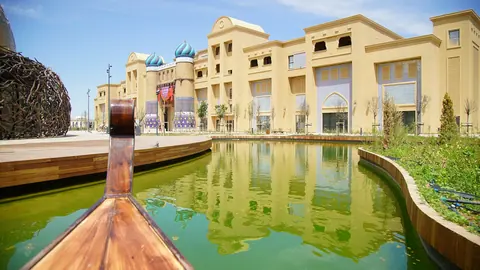
| Etno Park | Replica traditional homes, a large mosque, Soviet tanks and planes, flowers, a zoo | Tue–Sun 10:00–19:00 |
| Zhastar Park | Gardens and walkways with fairy-tale sculptures | Not stated |
Wikivoyage calls Etno Park semi-kitschy and suggests it works better in summer than in winter. The Museum of Local Lore is the one to pick if you want natural history before heading into the region.
One engineering curiosity sits at Ablaketka, on the city’s edge. The Oskemen Lock lets river traffic pass a hydroelectric dam on the Irtysh, with a drop of more than 40 m. English Wikipedia calls it the highest lock in the world. We could not confirm whether visitors can watch it working or how close they can get.
The old centre, churches and mosques
The pre-revolution trading quarter around Kirov Street, Kirov Park and Gorky Street still has several stone merchant buildings. Russian Wikipedia notes the old street grid ran in strict straight lines along the Ulba. It is a good area for an unhurried walk between the museums.
The Strelka district has two notable Orthodox churches. The Holy Trinity Church is listed as an architectural monument, and St Andrew’s Cathedral is the seat of the local diocese. On the left bank, the Khalifa Altai regional mosque is described as the seventh largest mosque in the country as of 2025. These are working places of worship.
Getting to Oskemen without a car
The city connects to the rest of Kazakhstan by air, rail and bus. You do not need to drive in. The figures below come from Wikivoyage, whose transport notes date from 2021–2024.
| Mode | From | What to expect |
|---|---|---|
| Plane | Almaty | Air Astana and SCAT, several flights a week |
| Train | Almaty, Astana | Daily, about 19–24 hours |
| Bus | Almaty (Sairan station), Astana | Daily, overnight |
Flying saves a full day, which matters if Oskemen is one stop on a wider Kazakhstan trip. Within the city there is a tram system with four lines, running since 1960, plus city buses. There are two intercity bus stations. The larger one, by the railway station, runs more than 35 routes, including some to Russia. Wikivoyage reported 4G from all Kazakh carriers as of September 2024, with a patchy signal on the approach highways.
When to go to Oskemen
June to September is the comfortable window, and winter is long and hard.
Day high, °C / Night low, °C · Rain/snow, mm
A computed reanalysis normal for these coordinates, not weather station records.
Monthly figures
| Month | Day high, °C | Night low, °C | Rain/snow, mm |
|---|---|---|---|
| Jan | -9.8 | -20 | 27.5 |
| Feb | -7 | -19.4 | 27.8 |
| Mar | 2.1 | -10 | 40.7 |
| Apr | 16 | 1.5 | 43.3 |
| May | 21.1 | 6.3 | 42.3 |
| Jun | 27.1 | 13.3 | 43.4 |
| Jul | 28.2 | 14.9 | 65.9 |
| Aug | 27.4 | 12.3 | 44.8 |
| Sep | 20.9 | 5.8 | 36.9 |
| Oct | 11.9 | 0.5 | 64 |
| Nov | -0 | -9.1 | 65.2 |
| Dec | -5.9 | -15.6 | 40.5 |
These are ERA5 reanalysis normals for 2011–2020 at a grid point of 290 m, not readings from a weather station. In July, average highs reach about 28 °C and lows about 15 °C. In January, highs stay around −10 °C and nights drop to about −18 °C. Recorded extremes run from −49 °C in January to +43 °C in July. On our Kazakhstan cold map, the city’s weather station logged −40 °C or lower in 12 of 18 winters, more often than any other regional capital.
The sub-zero season lasts from November to March, and November is already below freezing by day on average. Rain is spread through the year. July is the wettest month at about 70 mm, and October and November also bring 60 mm or more. In September, highs are still near 21 °C, and Wikivoyage mentions a local honey fair with sellers from surrounding villages. That makes September an attractive month, though we could not confirm the fair still runs.
Oskemen as a base for nature trips
The city sits at the foot of the Altai, in the area historically called the Rudny (Ore) Altai. That makes it a starting point for East Kazakhstan rather than for the south.
Lake Zaysan is about 239 km away in a straight line, an old basin between the Altai and Tarbagatai ranges. The Likharev expedition of 1720 travelled up the Irtysh towards it before the fort was founded.of the lake.
The radon springs of Rakhmanov Springs are about 283 km away in a straight line. The town of Semey is about 178 km in a straight line.
Road distances are longer than these figures. We could not confirm public transport, road conditions or permit rules for either destination. If your trip is centred on Almaty, southern sights such as Charyn Canyon are about 778 km from Oskemen in a straight line. Treat Oskemen and the south as separate legs of a trip.
Pollution: what it means for a short visit
English Wikipedia describes Oskemen as often recognised as one of the most polluted cities in Kazakhstan. It cites heavy-metal by-products in the air, radioactive anomalies in some soils and contaminated rivers in the region. In 1990 an explosion at the Ulba Metallurgical Plant released a beryllium-containing cloud over the city.
For a visitor this is a matter of small choices, not a reason to skip the city. Wikivoyage advises against mud baths along the Irtysh here. We could not confirm current air-quality readings or which river spots are considered safe for swimming.
The Sibiny Lakes, five lakes among the granite hills of Ulan District, are 85 km from the city. The Ethnopark has its own guide.
- Current opening hours and entry rules of the city museums and Etno Park
- Public transport and road conditions from Oskemen to Lake Zaysan and Rakhmanov Springs
- Whether visitors can see the Ablaketka lock operating
- Whether the September honey fair still takes place
- Current train and flight schedules from Almaty and Astana
Frequently asked questions
Are Oskemen and Ust-Kamenogorsk the same city?
How long does it take to get to Oskemen from Almaty?
How cold is Oskemen in winter?
Can I watch ice hockey in Oskemen?
Which football team plays in Oskemen?
Sources
Read also
 Things to do in Almaty: 10 places, a one-day plan and three days without a car
 Things to do in Konaev, the reservoir town north of Almaty
 Things to do in Kyzylorda, the desert city on the Syr Darya
 Things to do in Astana: Khan Shatyr, Baiterek, the pyramid and a one-day plan
 Things to do in Shymkent and how to use it as a base in southern Kazakhstan
 Things to do in Turkistan, Kazakhstan: the Yasawi Mausoleum and a compact old city