Sarytogay ash grove: a relict forest from the Paleogene
5,014 hectares, of which 1,100 are pure Sogdian ash. A protected natural monument since 1964. The grove turns gold in autumn.
Verified: 2026-08
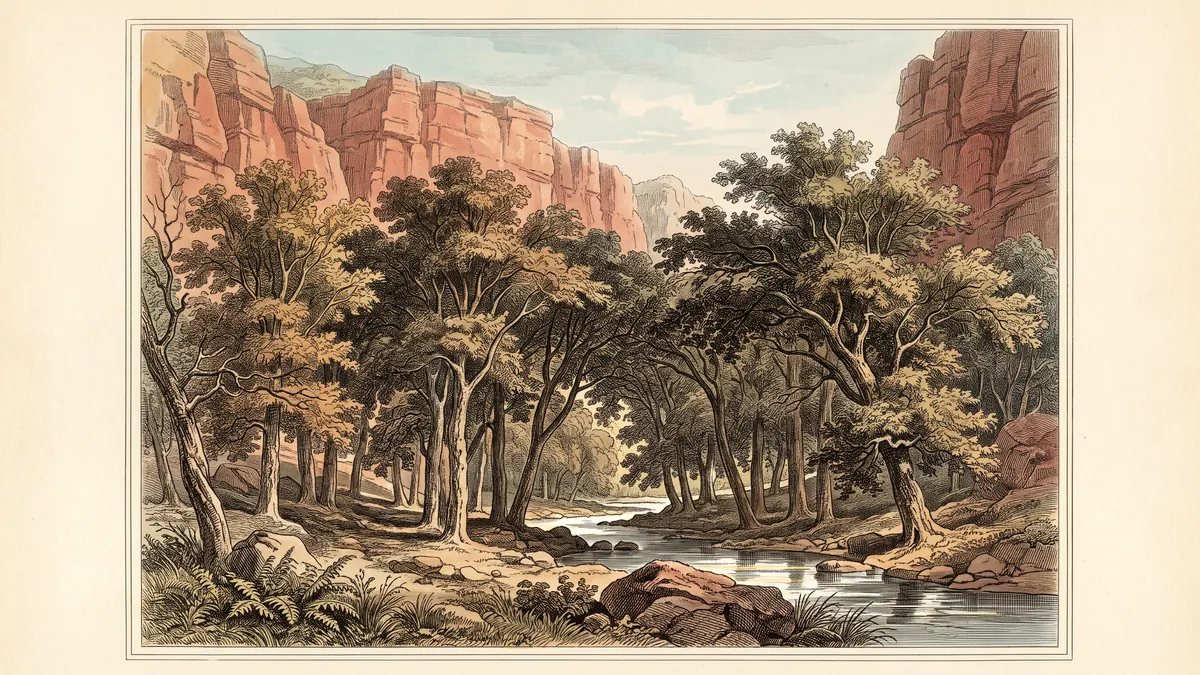
Sarytogay ash grove: why go
Sogdian ash, a Paleogene relict
The tree outlived the glaciations and survives in the Charyn floodplain in its natural state; ash makes up about 35% of the woodland.
Ash among desert plants
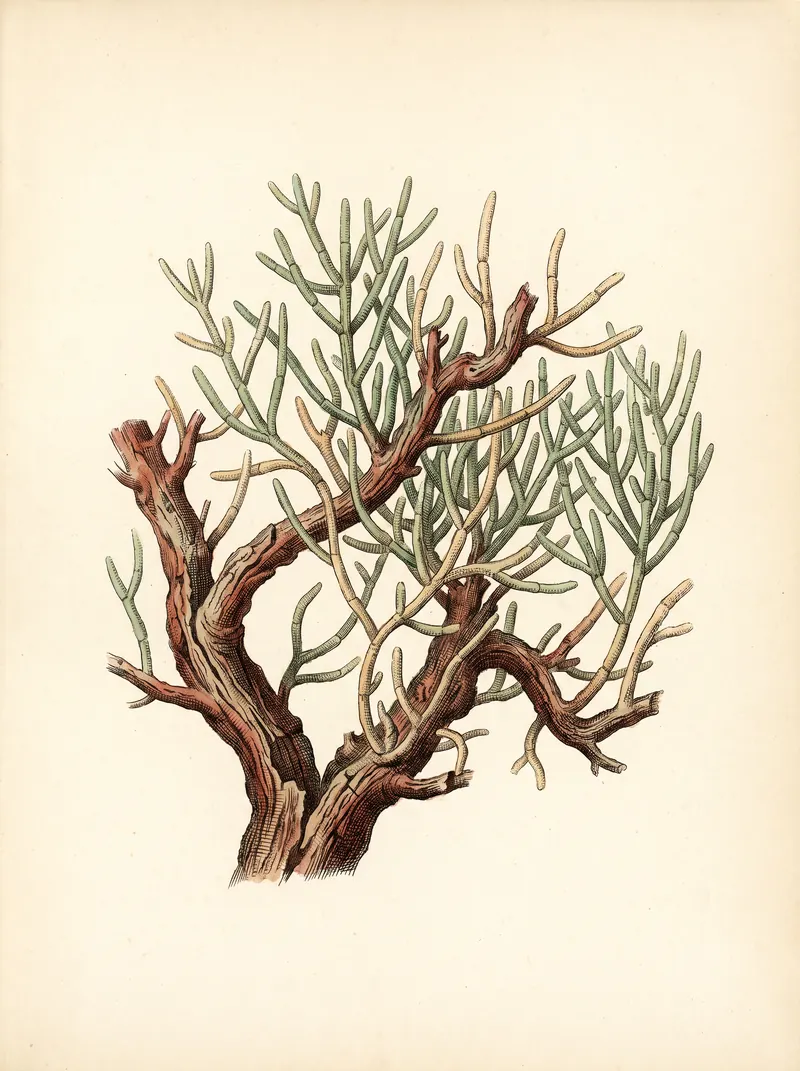
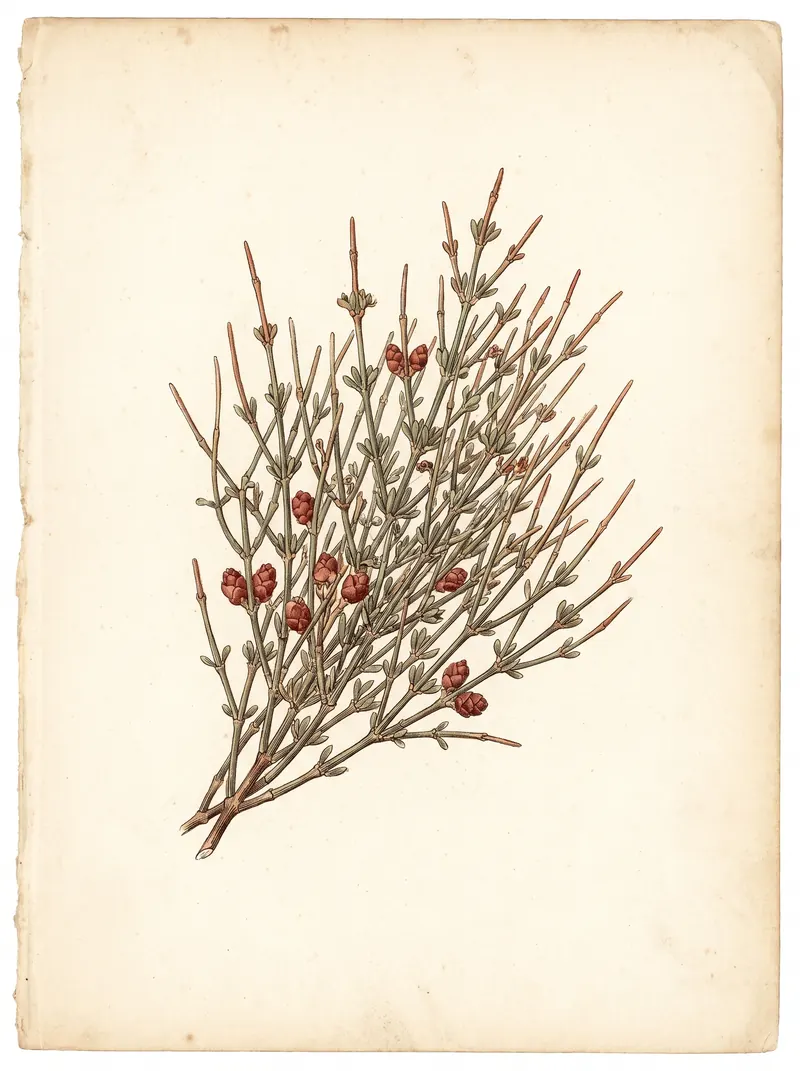
On the high terraces the moisture-loving ash grows beside saxaul, Eurotia and ephedra, and this pairing is what earned the grove protection.
Turanga, as old as the ash
The diversifolious poplar, a relict and endemic of the grove: narrow willow-like leaves below and broad rounded ones above on the same tree.
Sarytogay's golden autumn
In autumn the foliage turns gold, a completely different picture from the red canyon walls, and most day trips skip the grove entirely.
A natural monument since 1964
The grove was declared a natural monument on 19 March 1964, and today it holds more than 50 rare and relict plant species.
Folds from recent tectonics
Recent tectonic movements show here as folded deformations, with loose rock crumpled into folds of varying size and shape.
The Sarytogay tract covers 5,014 hectares, of which roughly 1,100 hectares are pure stands of Sogdian ash. The grove was declared a natural monument on 19 March 1964.
It is the part of the park most often skipped by visitors who come for a single day.
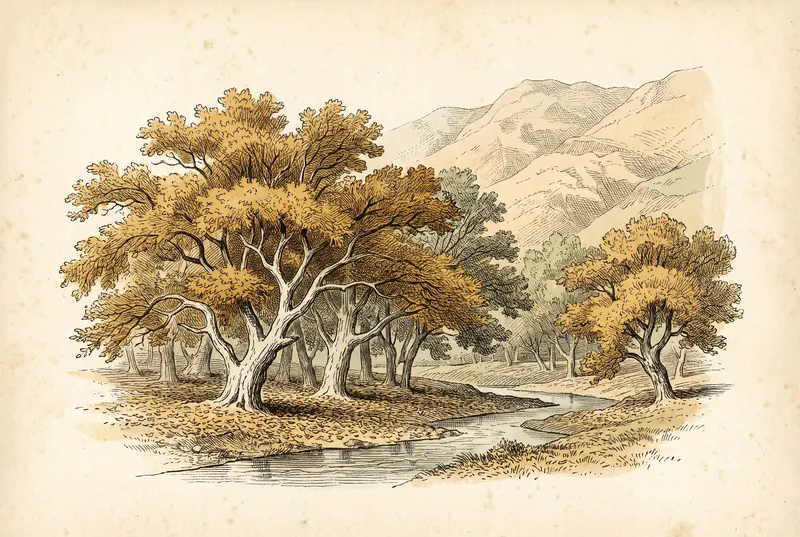
What Sogdian ash is
A relict of the Paleogene — the tree survived the glaciations and remains here in its natural state. Ash communities make up roughly 35% of the forested area of the tract.
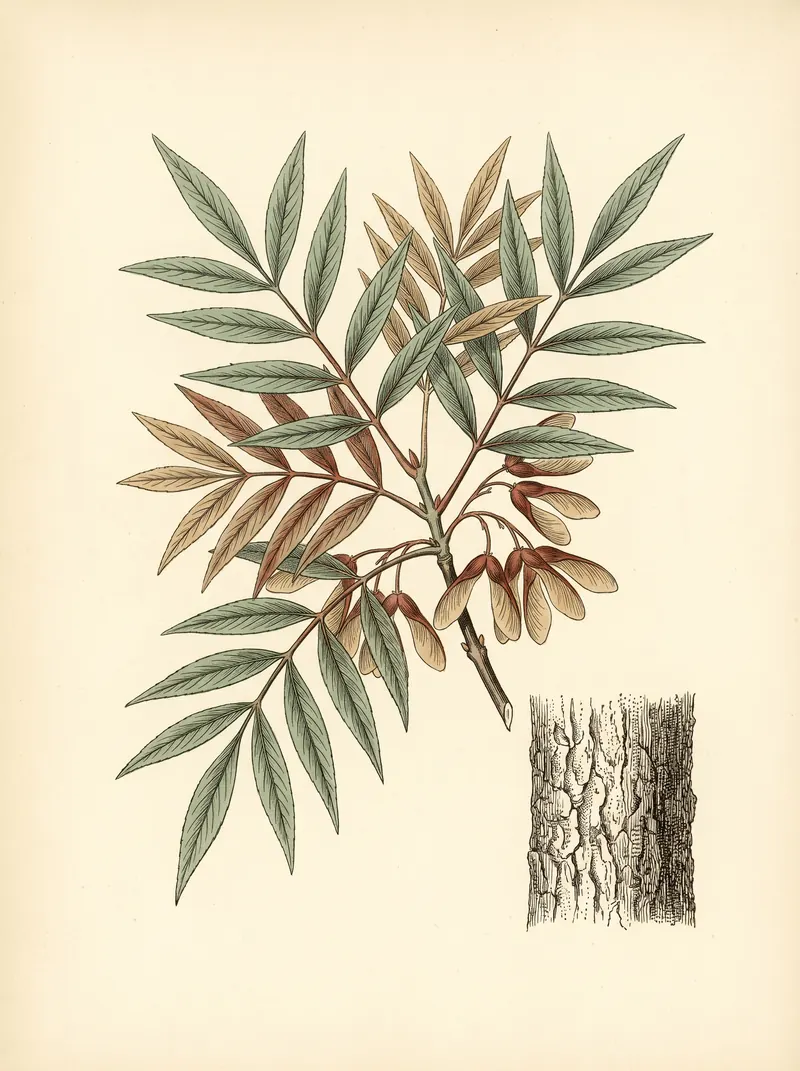
The species has an unusually wide ecological amplitude. It tolerates both soil salinity and the seasonal drying of floodplain soils, so it holds the floodplain itself and the terraces above it alike.
On the higher terraces this produces a rare combination: ash forms part of desert plant communities dominated by saxaul, Eurotia and ephedra. A moisture-loving relict growing alongside true desert species is precisely what earned the grove its protected status.
Turanga, as old as the ash
On the high floodplain terraces grows turanga, the diversifolious poplar. It is considered a contemporary of the Sogdian ash and both a relict and an endemic of this grove.
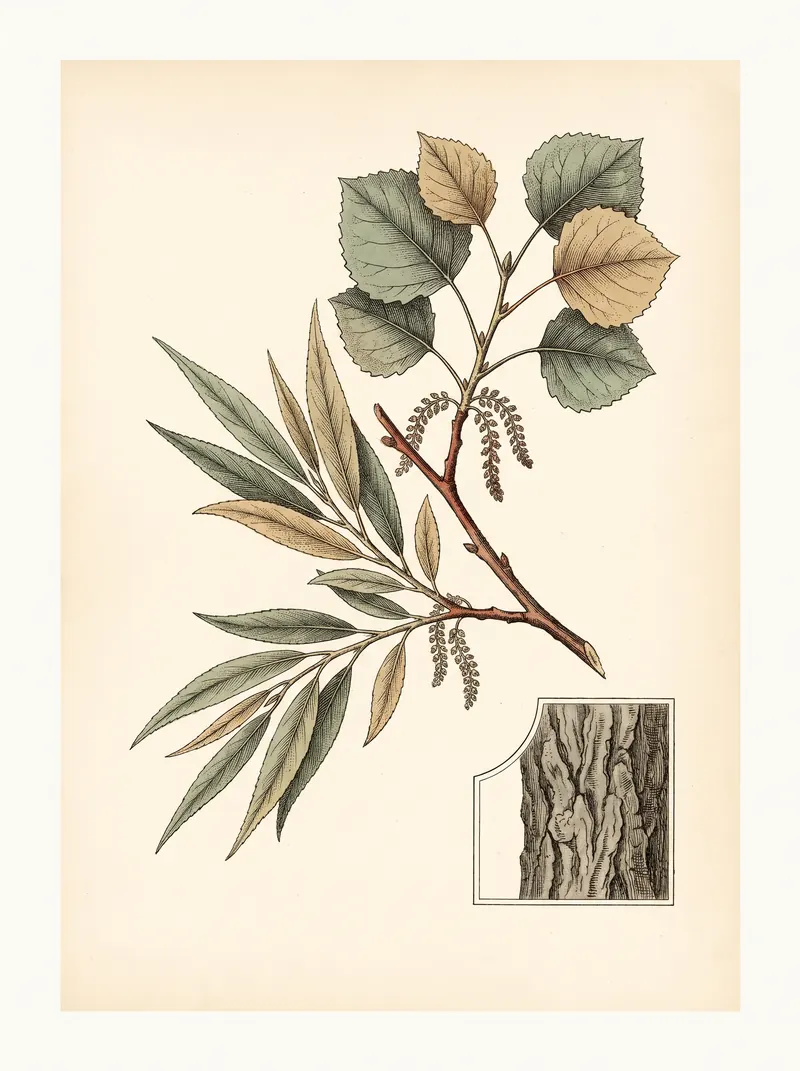
It is easy to recognise: two entirely different leaf shapes coexist on one tree.
What else grows here
Park materials record more than 50 rare and relict plant species within the natural monument.
Geology
The grove is of geological interest too: recent tectonic movements show here as folded deformations, where loose rock forms folds of varying size and shape.
Sarytogay ash grove: when to go, month by month
- January: possible
- February: possible
- March: possible
- April: good
- May: good
- June: possible
- July: possible
- August: possible
- September: best time
- October: best time
- November: possible
- December: possible
Autumn is the time, September–October: the grove turns gold, a completely different picture from the red canyon walls.
Sarytogay ash grove: tips before you go
- Do not stop at the Valley of Castles: the grove is a separate park route that day-trippers usually miss.
- Ask on site about the road to the grove and its distance from the checkpoint: it is a different spot from the Valley of Castles.
- For the golden foliage, plan your visit for September–October.
- Spot turanga by its leaves: narrow on the lower shoots and broad on the upper ones of the same tree.
More to see nearby


Frequently asked questions
What makes the ash grove interesting?
How large is the grove?
When is the best time to visit?
Sources
- Decree of the Council of Ministers of the Kazakh SSR No. 447-r of 19 March 1964 — natural monument status